Methodology for Extracting High-Molecular-Weight DNA from Field Collections of Macrofungi
Leigh A. Burgoyne, Andy R. Nilsen, Teresa Lebel, Pamela S. Catcheside, Tom W. May, David Orlovich, Alan Kuo, Anna Lipzen, Kurt Labutti, Robert Riley, William Andreopoulos, Maxim Koriabine, Mi Yan, Vivian Ng, Igor V. Grigoriev, David E. A. Catcheside

TL;DR
This paper presents a method for extracting high-quality DNA from macrofungi collected in the wild, without refrigeration.
Contribution
A novel DNA extraction protocol for field-collected macrofungi that uses isopropanol and chromatin isolation.
Findings
DNA was successfully extracted from field-collected macrofungi using isopropanol storage.
Chromatin isolation followed by sequential purification yielded high-molecular-weight DNA.
The method is effective for diverse ectomycorrhizal and saprotrophic fungi.
Abstract
Many macrofungi are impractical or impossible to culture. Consequently, DNA for long-read sequencing required for the assembly of high-quality genomes must be isolated from samples taken from the environment. Collection is often in remote locations, limiting the options for stabilising samples to methods that do not require refrigeration. Fungi contain species-specific arrays of metabolites that may complicate purification techniques and call for judgement to be made to apply appropriate modifications to the DNA extraction protocol in specific cases. The protocols and commentary we describe are informed by the preparation of DNA from a range of Australasian ectomycorrhizal and saprotrophic macrofungi. We collect samples into isopropanol at ambient temperature and employ a strategy of chromatin isolation followed by the sequential removal of unwanted molecular components to purify DNA.
Genes, proteins, chemicals, diseases, species, mutations and cell lines named across the full text — each resolved to its canonical identifier and authoritative record.
Click any figure to enlarge with its caption.
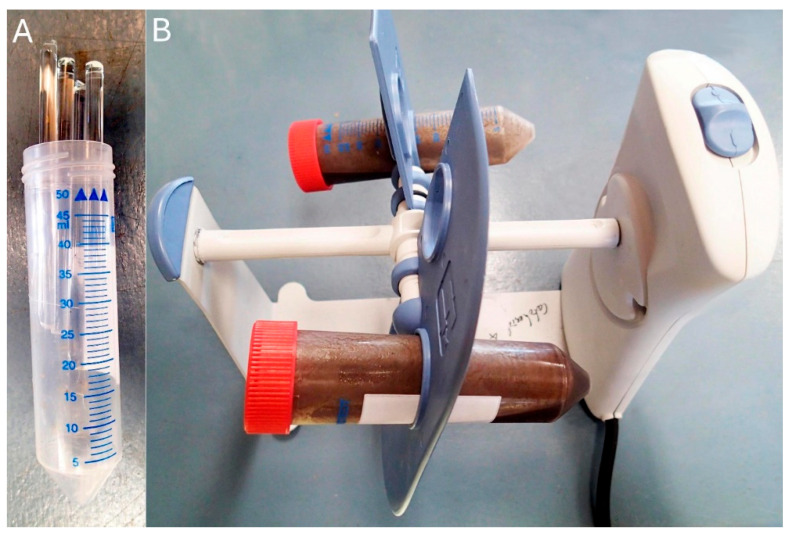 Figure 1
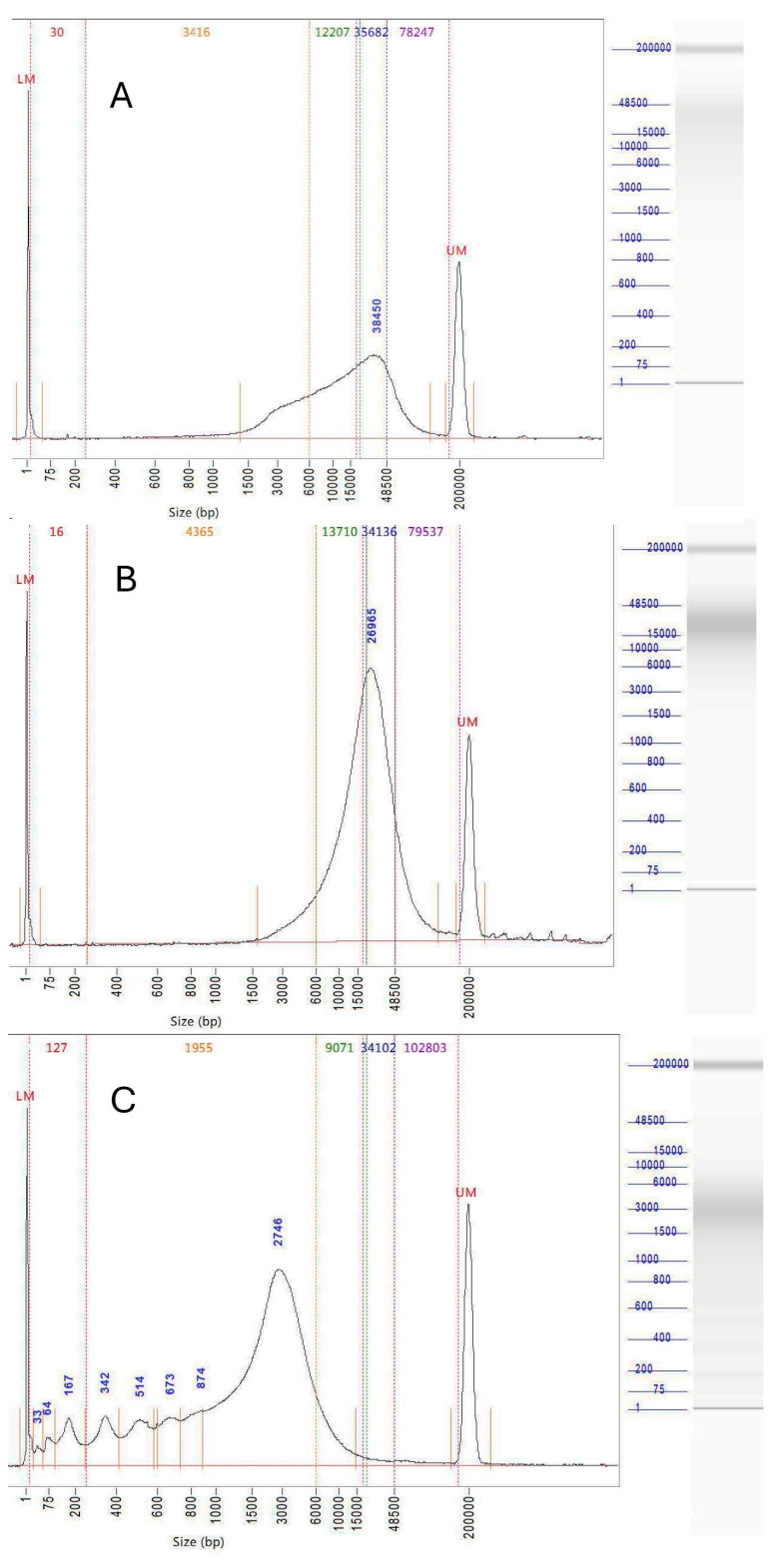 Figure 2
Peer Reviews
No public reviews on file for this paper yet. If you reviewed it on a platform where reviews are public (OpenReview, ICLR, NeurIPS, ICML), you can paste yours below so the community can read it here.
Videos
No videos yet. Explain this paper in a talk, walkthrough, or lecture? Add one.
Taxonomy
TopicsMycorrhizal Fungi and Plant Interactions · Plant Pathogens and Fungal Diseases · Fungal Biology and Applications