Development and Interfacial Mechanism of Epoxy Soybean Oil-Based Semi-Liquid Gel Materials for Wellbore Sealing Applications
Yuexin Tian, Yintao Liu, Haifeng Dong, Xiangjun Liu, Jinjun Huang

TL;DR
A new semi-liquid gel material was developed for sealing oil wellbores, offering high strength, injectability, and degradability.
Contribution
The novel semi-liquid gel material combines epoxy resin, soybean oil, and additives for tunable gelation and strong interfacial adhesion.
Findings
The gel system achieves compressive strength over 112.5 MPa and a breakthrough pressure gradient exceeding 50 MPa/m.
Interfacial adhesion is enhanced with OTS, increasing adhesion layer thickness nearly 10-fold.
The material degrades completely within 48 hours at 120 °C using a γ-valerolactone and p-toluenesulfonic acid solution.
Abstract
In this study, a novel semi-liquid gel material based on bisphenol A-type epoxy resin (E51), methylhexahydrophthalic anhydride (MHHPA), and epoxidized soybean oil (ESO) was developed for high-performance wellbore sealing. The gel system exhibits tunable gelation times ranging from 1 to 10 h (±0.5 h) and maintains a low viscosity of <100 ± 2 mPa·s at 25 °C, enabling efficient injection into the wellbore. The optimized formulation achieved a compressive strength exceeding 112.5 ± 3.1 MPa and a breakthrough pressure gradient of over 50 ± 2.8 MPa/m with only 0.9 PV dosage. Fourier transform infrared spectroscopy (FTIR) confirmed the formation of a dense, crosslinked polyester network. Interfacial adhesion was significantly enhanced by the incorporation of 0.25 wt% octadecyltrichlorosilane (OTS), yielding an adhesion layer thickness of 391.6 ± 12.7 nm—approximately 9.89 times higher than…
Genes, proteins, chemicals, diseases, species, mutations and cell lines named across the full text — each resolved to its canonical identifier and authoritative record.
Click any figure to enlarge with its caption.
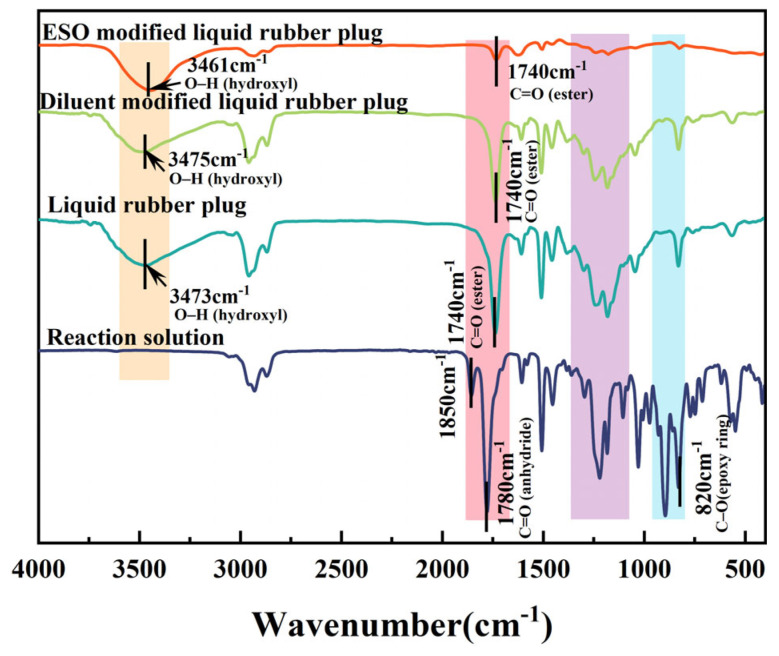 Figure 1
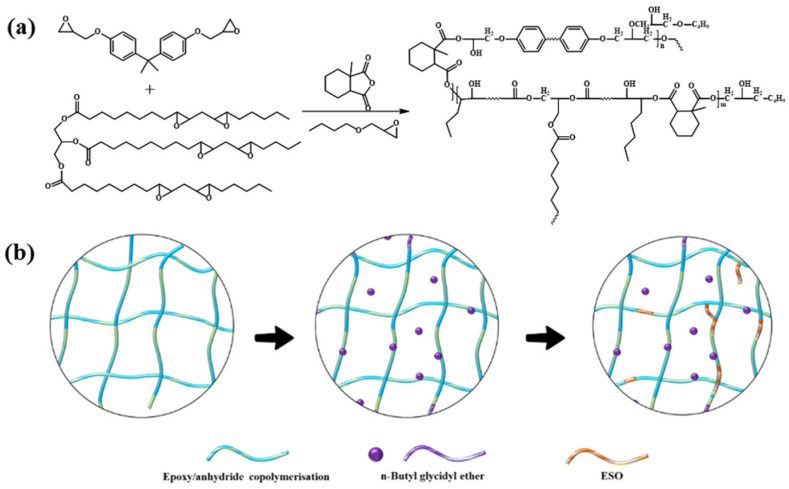 Figure 2
 Figure 3
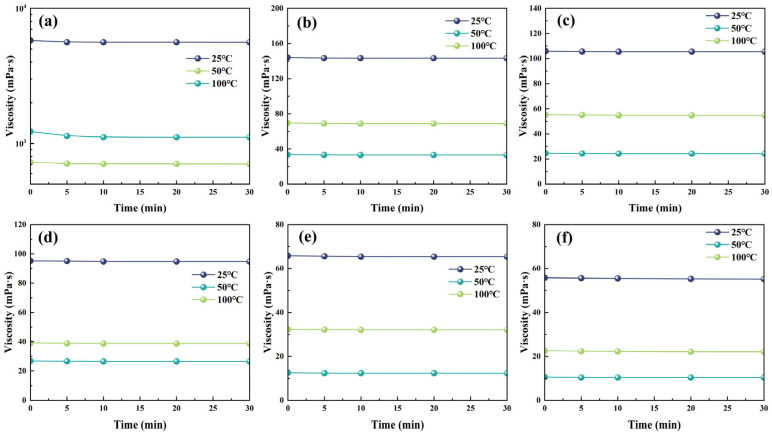 Figure 4
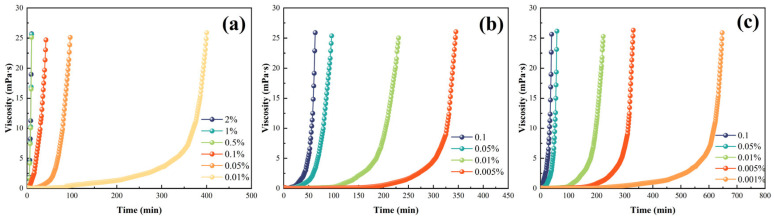 Figure 5
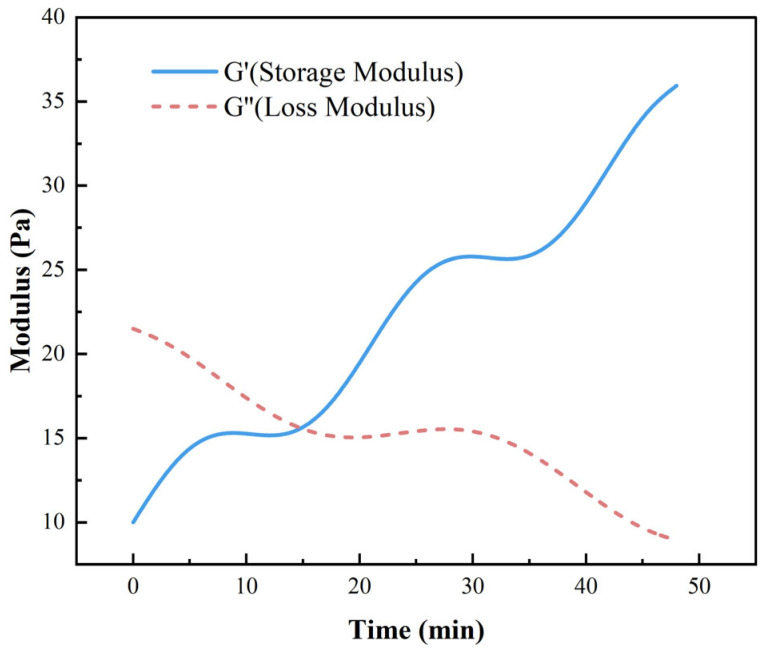 Figure 6
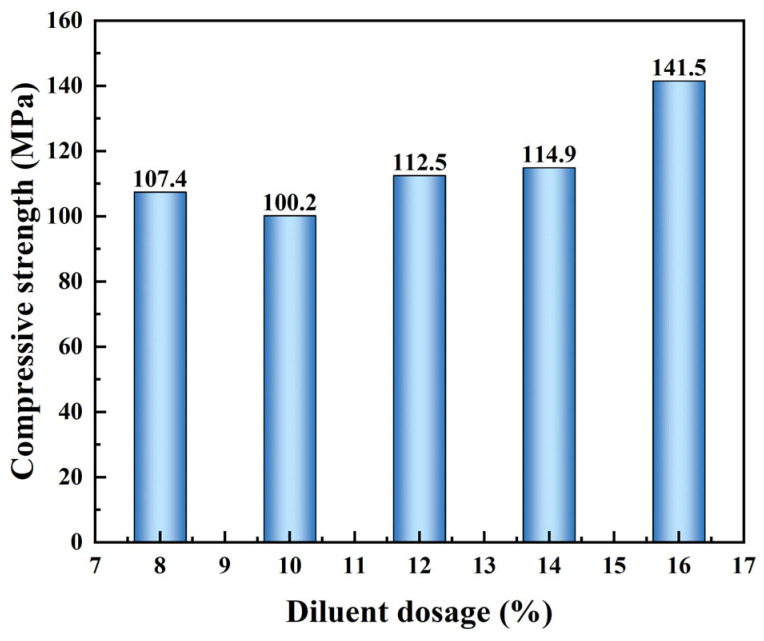 Figure 7
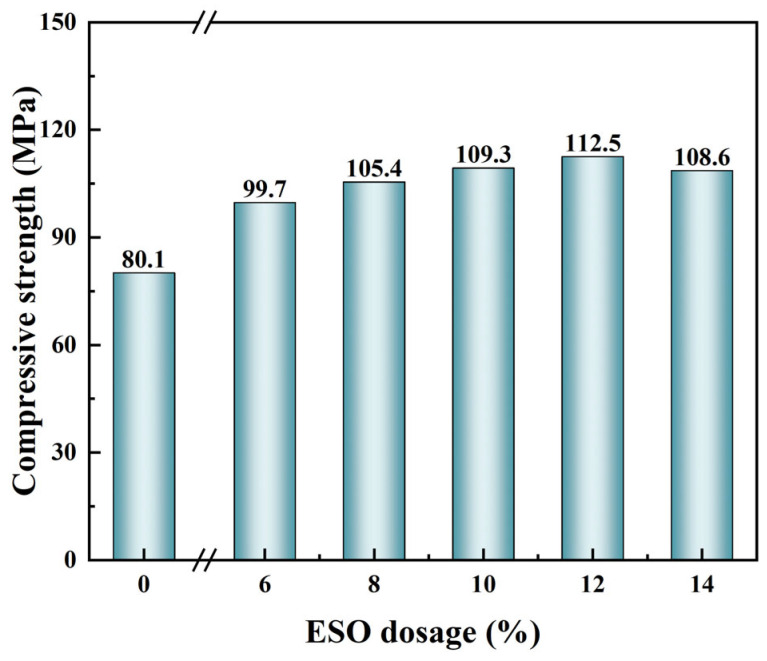 Figure 8
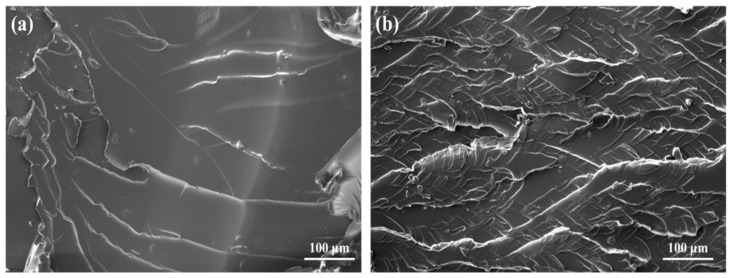 Figure 9
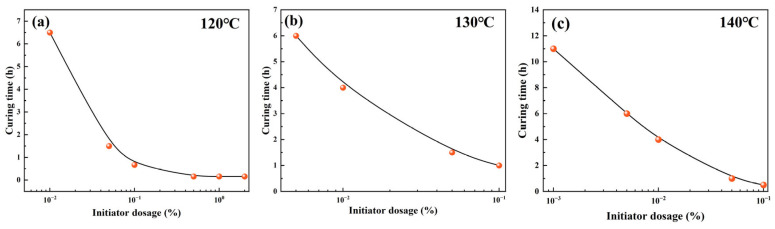 Figure 10
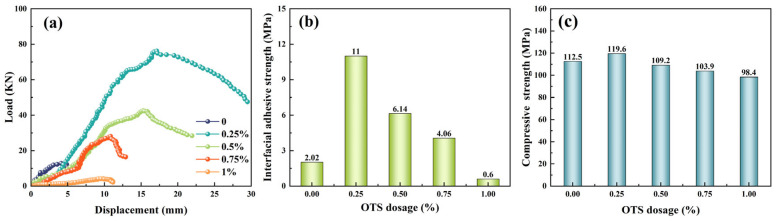 Figure 11
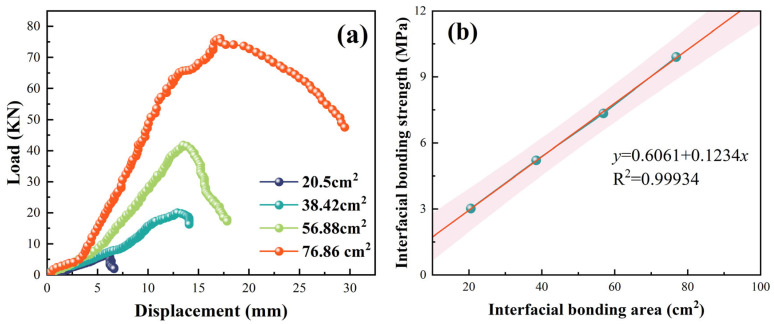 Figure 12
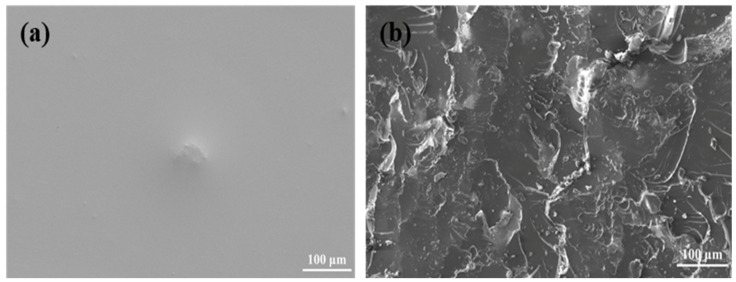 Figure 13
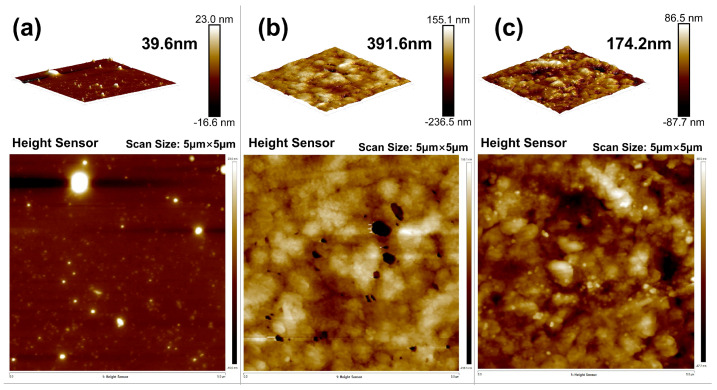 Figure 14
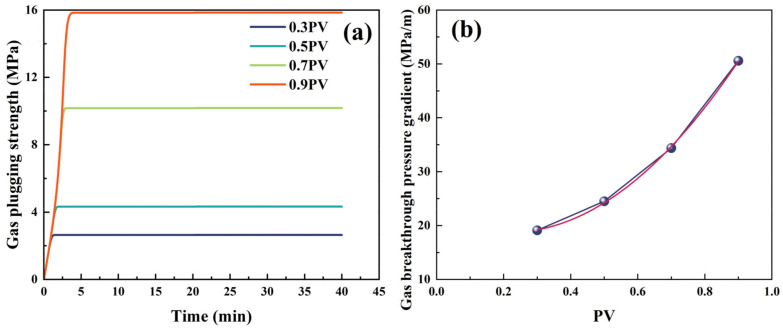 Figure 15
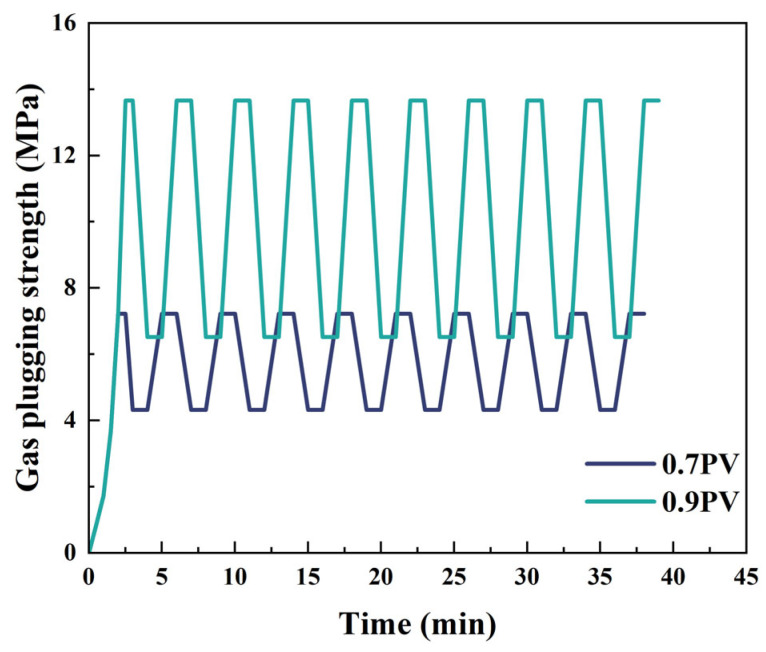 Figure 16
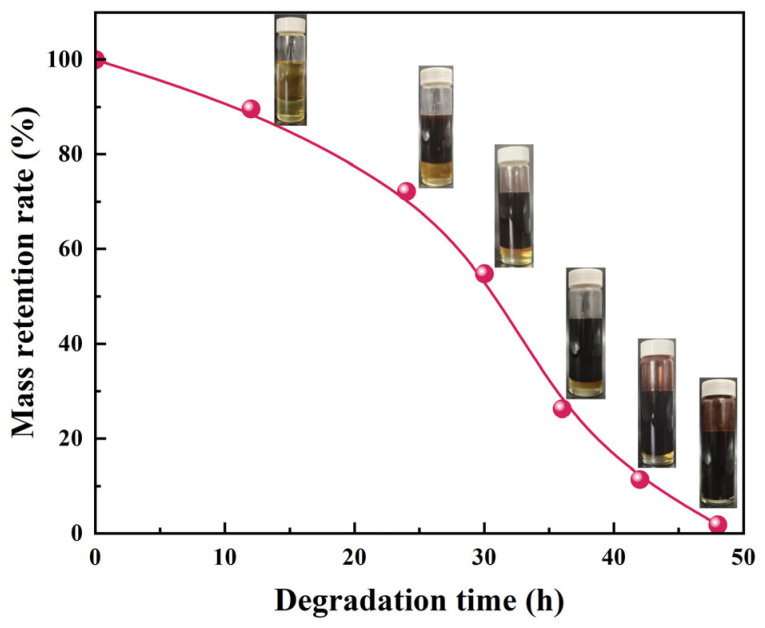 Figure 17
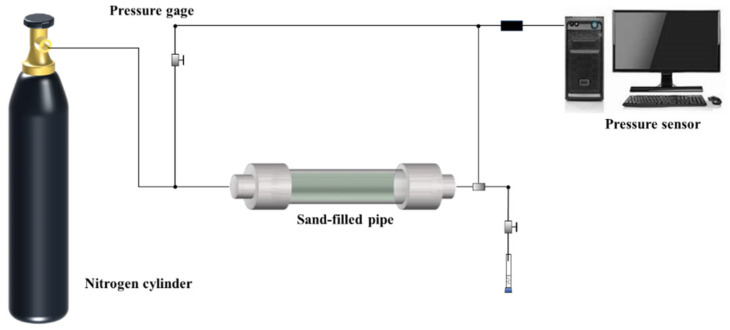 Figure 18
 Figure 19
 Figure 20
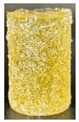 Figure 21
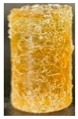 Figure 22
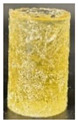 Figure 23
 Figure 24
 Figure 25
 Figure 26
 Figure 27
 Figure 28
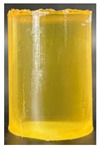 Figure 29
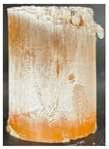 Figure 30
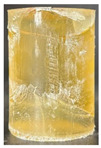 Figure 31
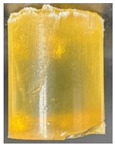 Figure 32
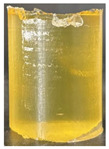 Figure 33
Peer Reviews
No public reviews on file for this paper yet. If you reviewed it on a platform where reviews are public (OpenReview, ICLR, NeurIPS, ICML), you can paste yours below so the community can read it here.
Videos
No videos yet. Explain this paper in a talk, walkthrough, or lecture? Add one.
Taxonomy
TopicsFiber-reinforced polymer composites · Lignin and Wood Chemistry · Polymer composites and self-healing