Predicting Very Early-Stage Breast Cancer in BI-RADS 3 Lesions of Large Population with Deep Learning
Congyu Wang, Changzhen Li, Gengxiao Lin

TL;DR
This study uses deep learning to improve the detection of very early-stage breast cancer in BI-RADS 3 lesions, outperforming radiologists in accuracy.
Contribution
A novel transfer learning-based deep learning model is developed to detect early-stage breast cancer in BI-RADS 3 lesions using ultrasound images.
Findings
The model achieved an AUC of 0.880 in internal testing and 0.910 in external testing for predicting malignancy.
The model outperformed six radiologists in the external testing set with an average AUC of 0.653.
The proposed method improved the clinical AUC from 0.721 to 0.880 for predicting BI-RADS 3 malignancy.
Abstract
Breast cancer accounts for one in four new malignant tumors in women, and misdiagnosis can lead to severe consequences, including delayed treatment. Among patients classified with a BI-RADS 3 rating, the risk of very early-stage malignancy remains over 2%. However, due to the benign imaging characteristics of these lesions, radiologists often recommend follow-up rather than immediate biopsy, potentially missing critical early interventions. This study aims to develop a deep learning (DL) model to accurately identify very early-stage malignancies in BI-RADS 3 lesions using ultrasound (US) images, thereby improving diagnostic precision and clinical decision-making. A total of 852 lesions (256 malignant and 596 benign) from 685 patients who underwent biopsies or 3-year follow-up were collected by Southwest Hospital (SW) and Tangshan People’s Hospital (TS) to develop and validate a deep…
Genes, proteins, chemicals, diseases, species, mutations and cell lines named across the full text — each resolved to its canonical identifier and authoritative record.
Click any figure to enlarge with its caption.
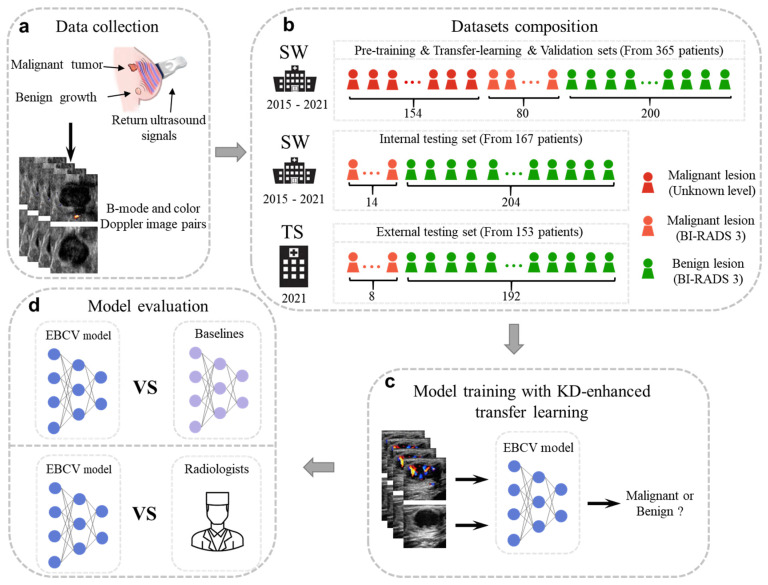 Figure 1
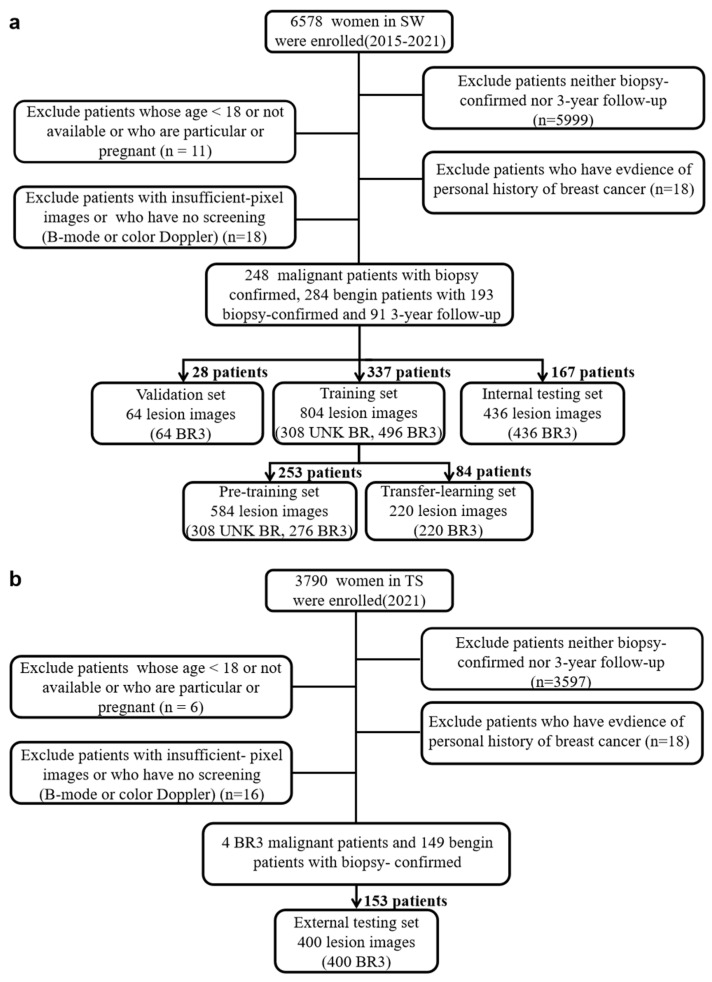 Figure 2
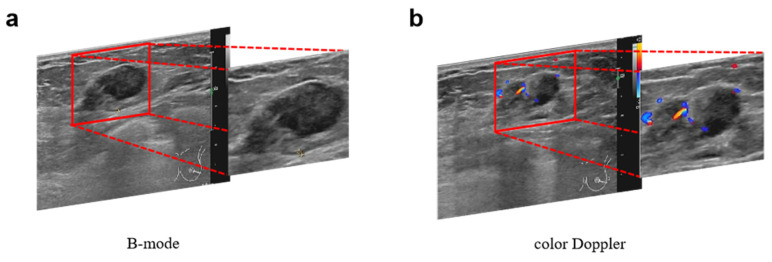 Figure 3
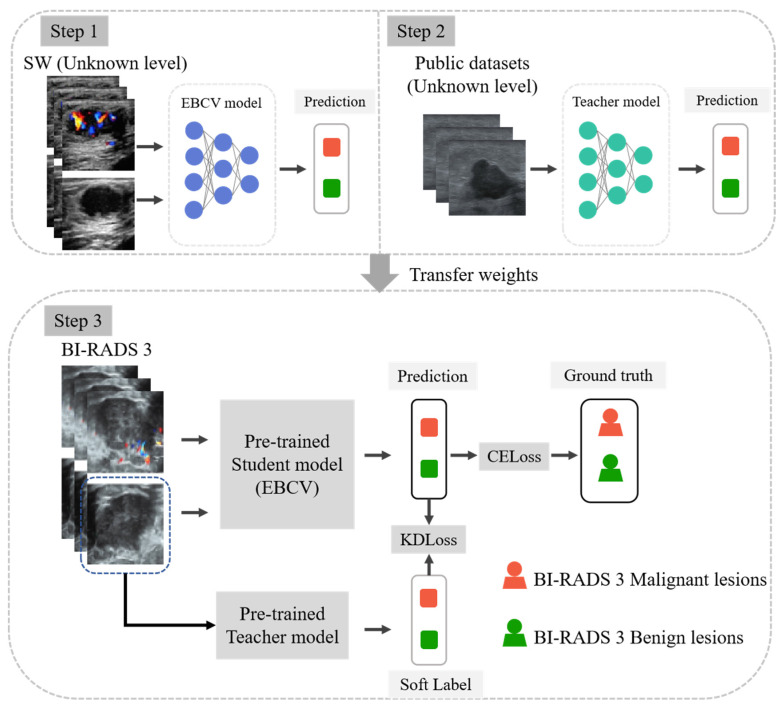 Figure 4
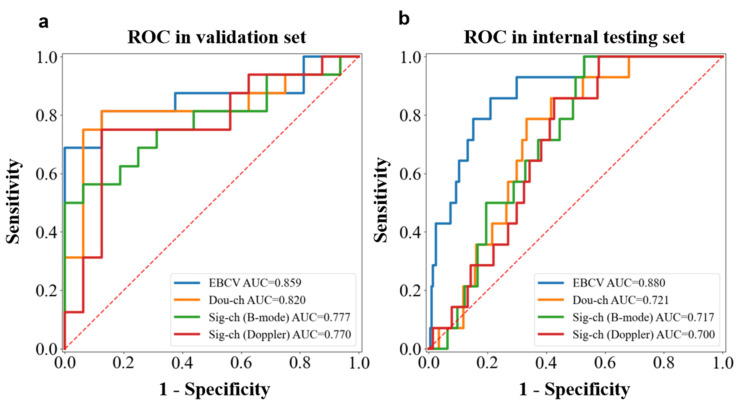 Figure 5
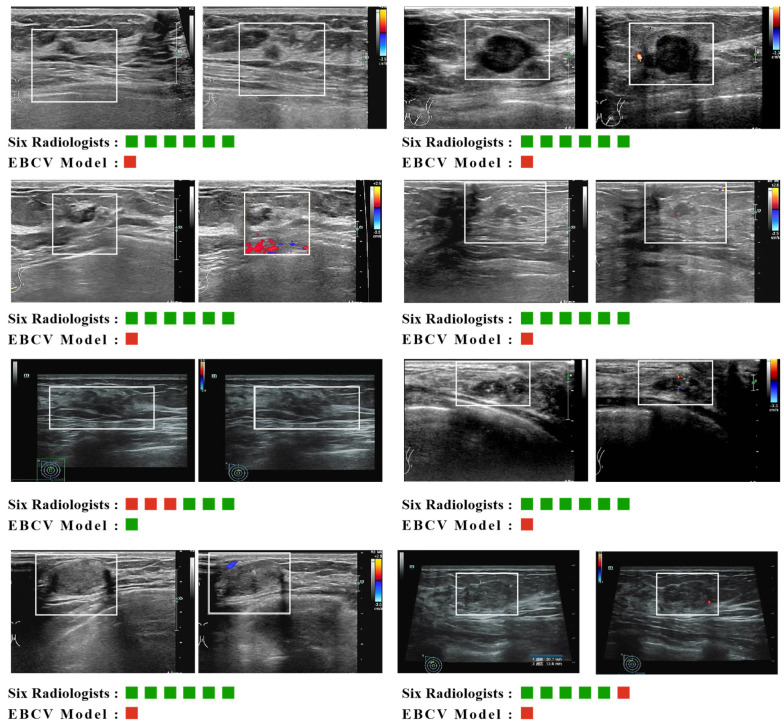 Figure 6
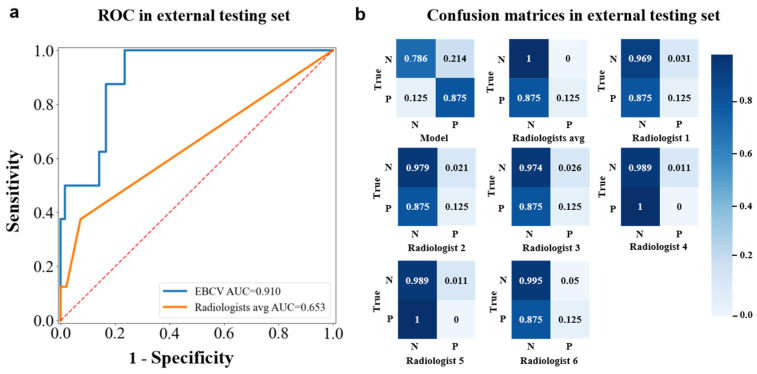 Figure 7
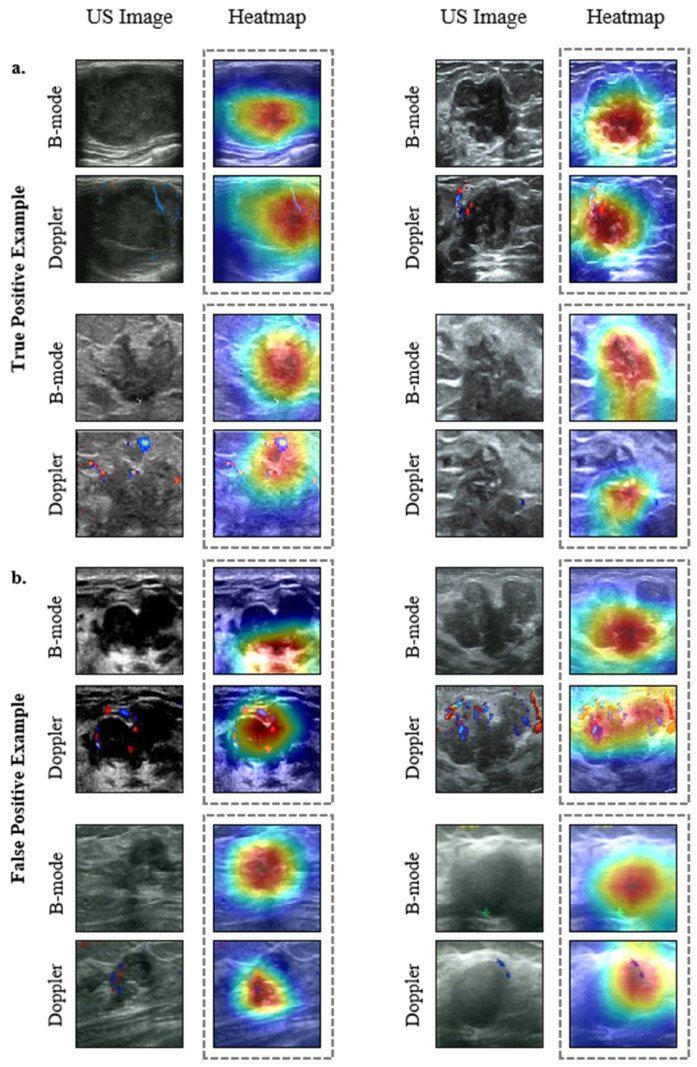 Figure 8
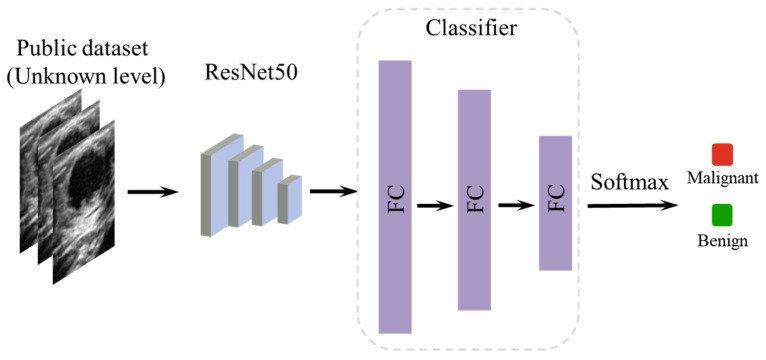 Figure 9
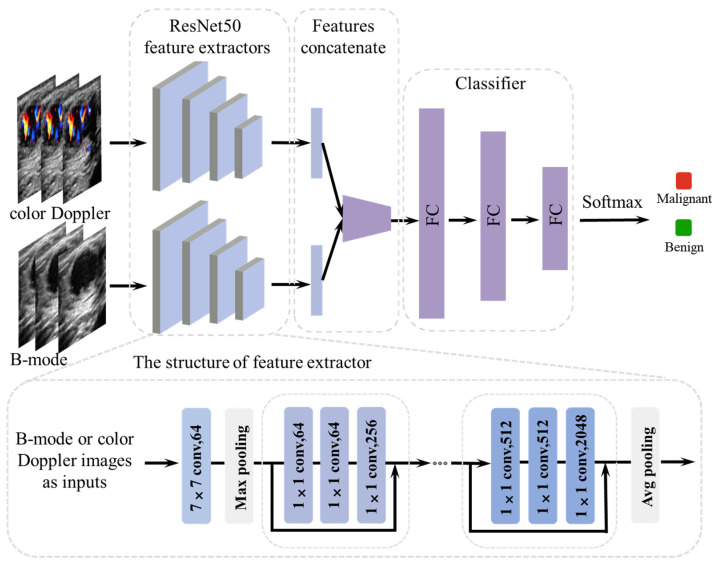 Figure 10
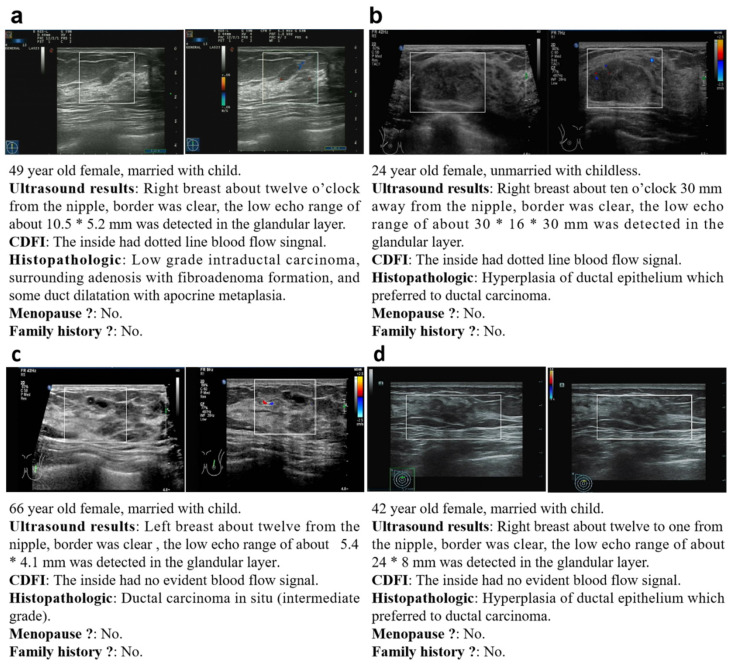 Figure 11
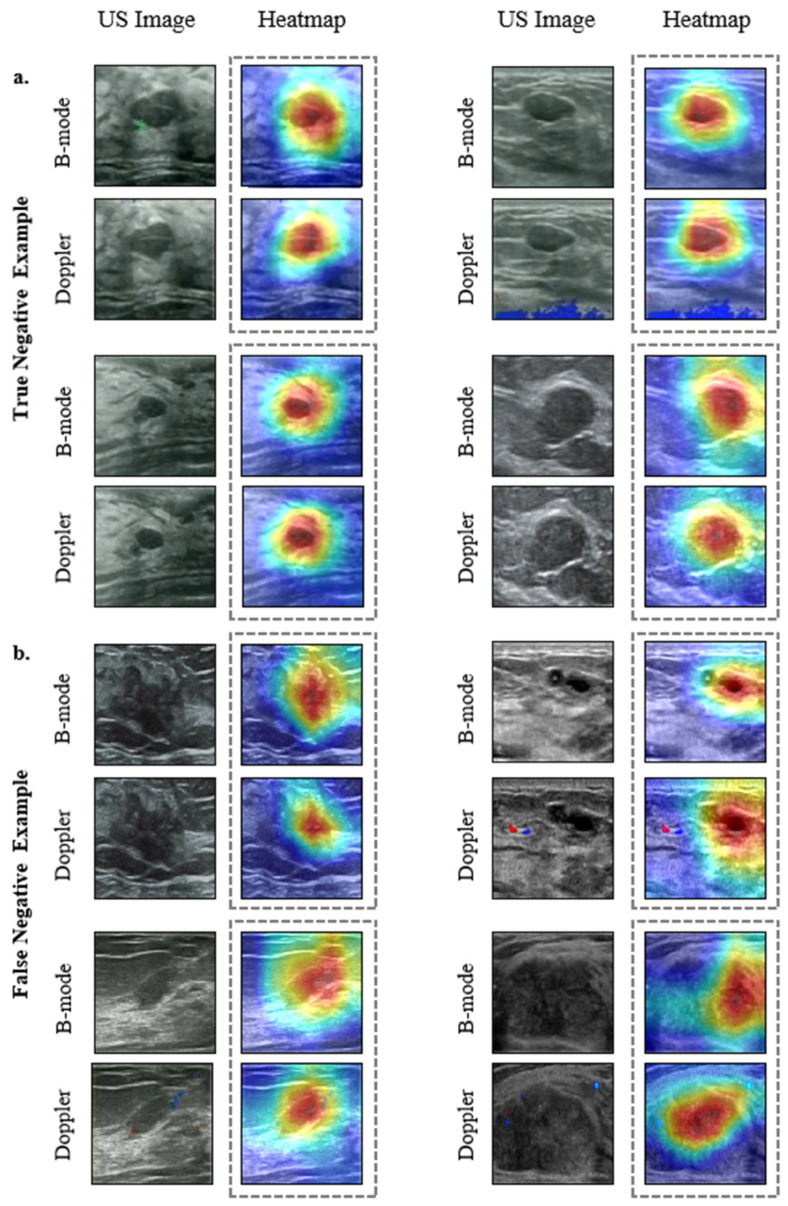 Figure 12
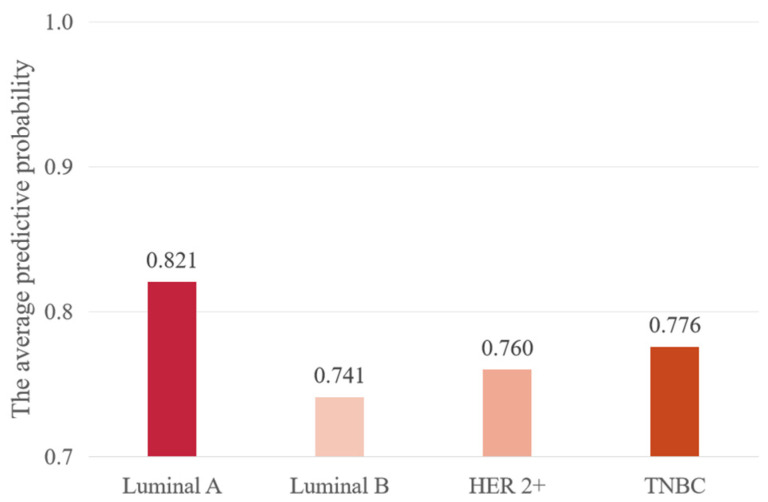 Figure 13
Peer Reviews
No public reviews on file for this paper yet. If you reviewed it on a platform where reviews are public (OpenReview, ICLR, NeurIPS, ICML), you can paste yours below so the community can read it here.
Videos
No videos yet. Explain this paper in a talk, walkthrough, or lecture? Add one.
Taxonomy
TopicsAI in cancer detection · Radiomics and Machine Learning in Medical Imaging · Gene expression and cancer classification