Acidic pH Modulates Cell Wall and Melanization in Paracoccidioides brasiliensis, Affecting Macrophage Interaction
Rafael de Souza Silva, Wilson Dias Segura, Rogéria Cristina Zauli, Reinaldo Souza Oliveira, Vitor Vidal, Eduardo Correa Louvandini, Patricia Xander, Suzan Pantaroto Vasconcellos, Wagner Luiz Batista

TL;DR
This study shows how acidic conditions affect the cell wall and immune evasion of the fungus Paracoccidioides brasiliensis, which causes a serious disease in Latin America.
Contribution
The study reveals that acidic pH induces melanization and cell wall changes in P. brasiliensis, altering its interaction with macrophages and enhancing virulence.
Findings
Acidic pH increases melanin production and upregulates genes in the DHN-melanin pathway in P. brasiliensis.
Acidic conditions alter cell wall composition, increasing chitin and reducing mannan, which affects cell wall stability.
Fungal cells grown under acidic pH are less phagocytosed by macrophages and alter cytokine and nitric oxide production.
Abstract
Paracoccidioides brasiliensis is a thermally dimorphic fungal pathogen and the main etiological agent of paracoccidioidomycosis (PCM), a neglected systemic mycosis endemic in Latin America. The virulence of P. brasiliensis is closely associated with its capacity to survive under hostile host conditions, including acidic environments. In this study, we demonstrate that acidic pH induces melanization in P. brasiliensis, modulates its cell wall composition, and alters the interaction with macrophages. Cultivation at acidic pH resulted in reduced fungal growth without compromising viability and triggered increased production of melanin-like pigments, as confirmed by enhanced laccase activity and upregulation of genes in the DHN-melanin biosynthetic pathway. Additionally, growth under acidic pH induced significant remodeling of the fungal cell wall, leading to increased chitin on the cell…
Genes, proteins, chemicals, diseases, species, mutations and cell lines named across the full text — each resolved to its canonical identifier and authoritative record.
Click any figure to enlarge with its caption.
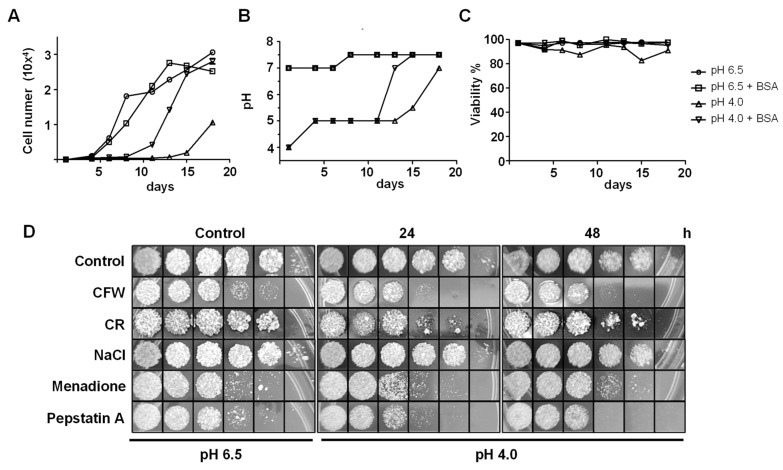 Figure 1
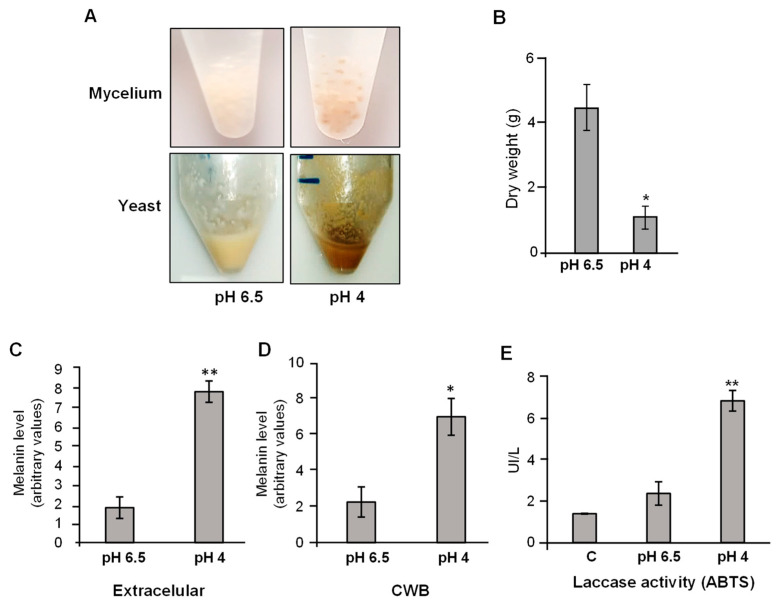 Figure 2
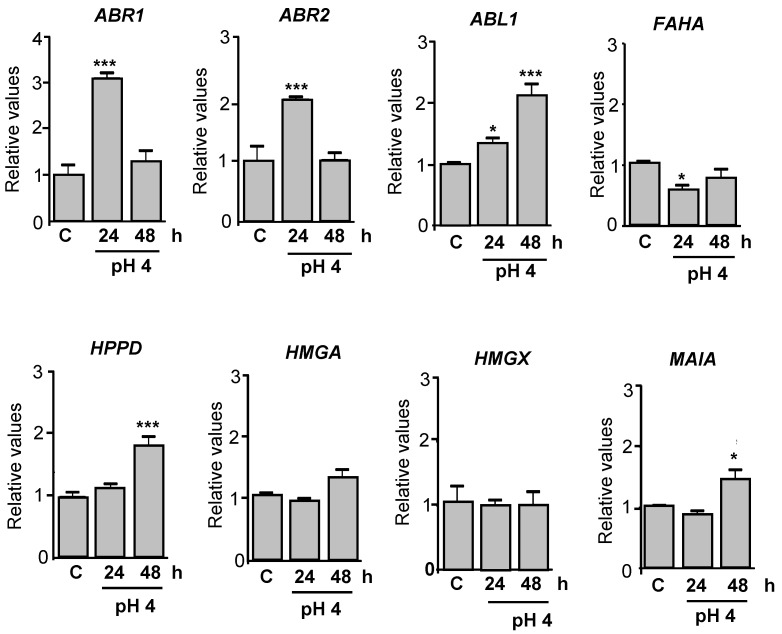 Figure 3
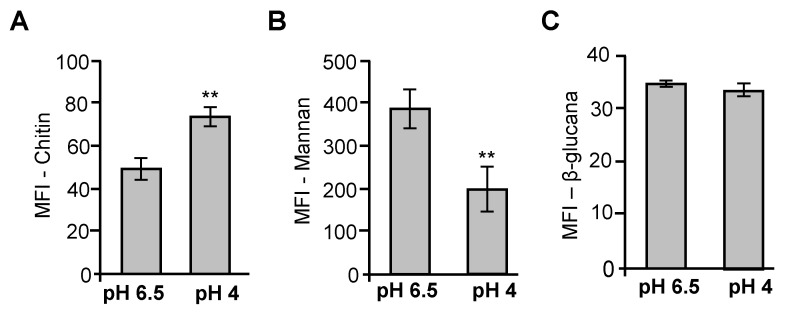 Figure 4
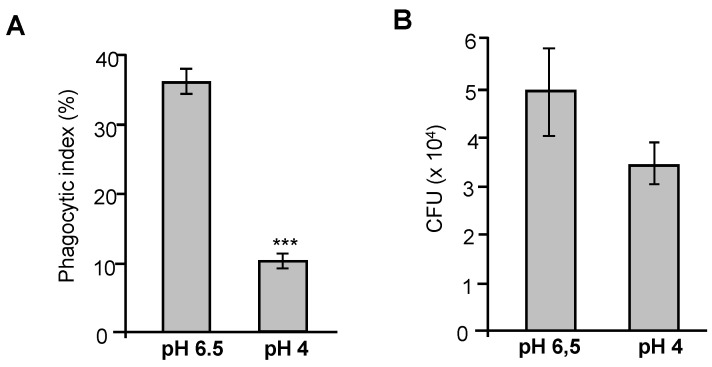 Figure 5
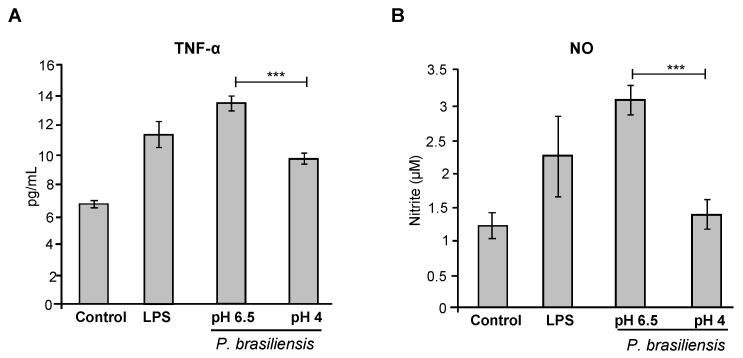 Figure 6
Peer Reviews
No public reviews on file for this paper yet. If you reviewed it on a platform where reviews are public (OpenReview, ICLR, NeurIPS, ICML), you can paste yours below so the community can read it here.
Videos
No videos yet. Explain this paper in a talk, walkthrough, or lecture? Add one.
Taxonomy
TopicsFungal Infections and Studies · Antifungal resistance and susceptibility · T-cell and Retrovirus Studies