Application of Conservative Methods Based on Exercise in Reducing the Kyphotic Angle: A Meta-Analysis
Vanja Dimitrijević, Bojan Rašković, Miroslav P. Popović, Dragan Marinković, Miloš Kojić, Siniša Nikolić, Nikola Jevtić, Borislav Obradović

TL;DR
This study finds that exercise-based conservative methods can reduce the kyphotic angle in people with hyperkyphosis, with or without osteoporosis.
Contribution
A meta-analysis showing the effectiveness of exercise-based conservative treatments in reducing kyphotic angles.
Findings
Exercise-based conservative methods reduced kyphotic angles with effect sizes ranging from SMD = 0.27 to 0.73.
The quality of evidence ranged from very low to moderate, with heterogeneity between 0% and 58%.
Positive effects were observed in both individuals with and without osteoporosis.
Abstract
Background: The aim of this research was to evaluate the size of the effect of conservative methods based on exercises on the reduction in the kyphotic angle through a meta-analysis. Methods: In our research, we followed the Cochrane guidelines and the PRISMA guidelines. In October 2024, we searched the following databases: Scopus, Pub Med, Web of Science, and Cochrane Library. The following keywords were used for the search: (“Kyphosis” OR “Hyperkyphosis” OR “Kyphotic angle” OR “Spinal curve” OR “Sagittal spinal”) AND (“Conservative methods” OR “Conservative treatment” OR “Corrective exercise” OR “Physical exercise” OR “Exercise therapy” OR “Training”). The risk of bias was assessed for each randomized trial using the Cochrane Risk of Bias Tool and the Methodological Index for Non-Randomized Studies (MINORS). The study’s main outcome and estimated effects were the kyphotic angle. R…
Genes, proteins, chemicals, diseases, species, mutations and cell lines named across the full text — each resolved to its canonical identifier and authoritative record.
Click any figure to enlarge with its caption.
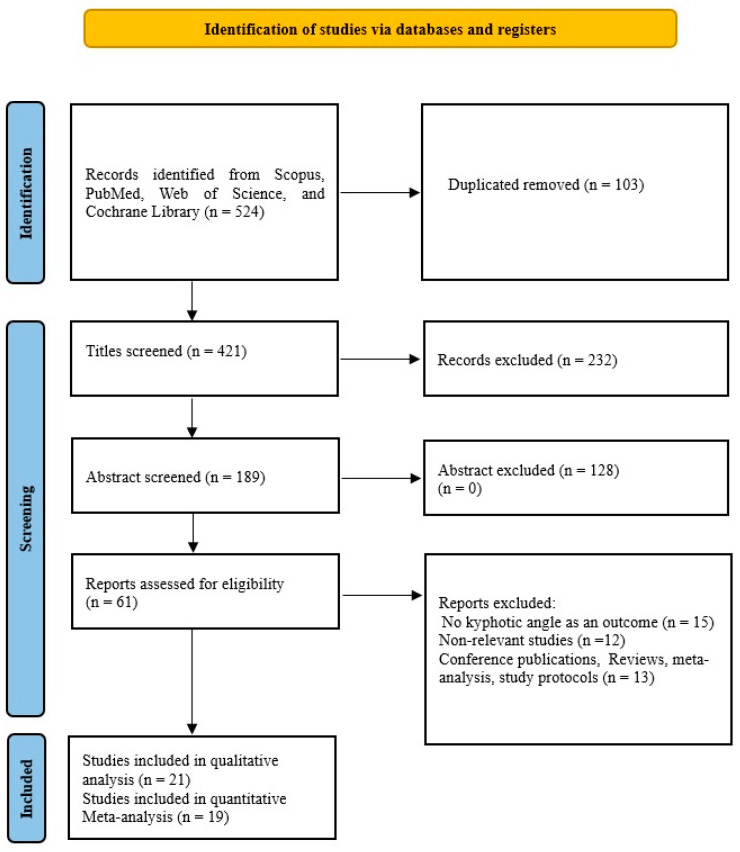 Figure 1
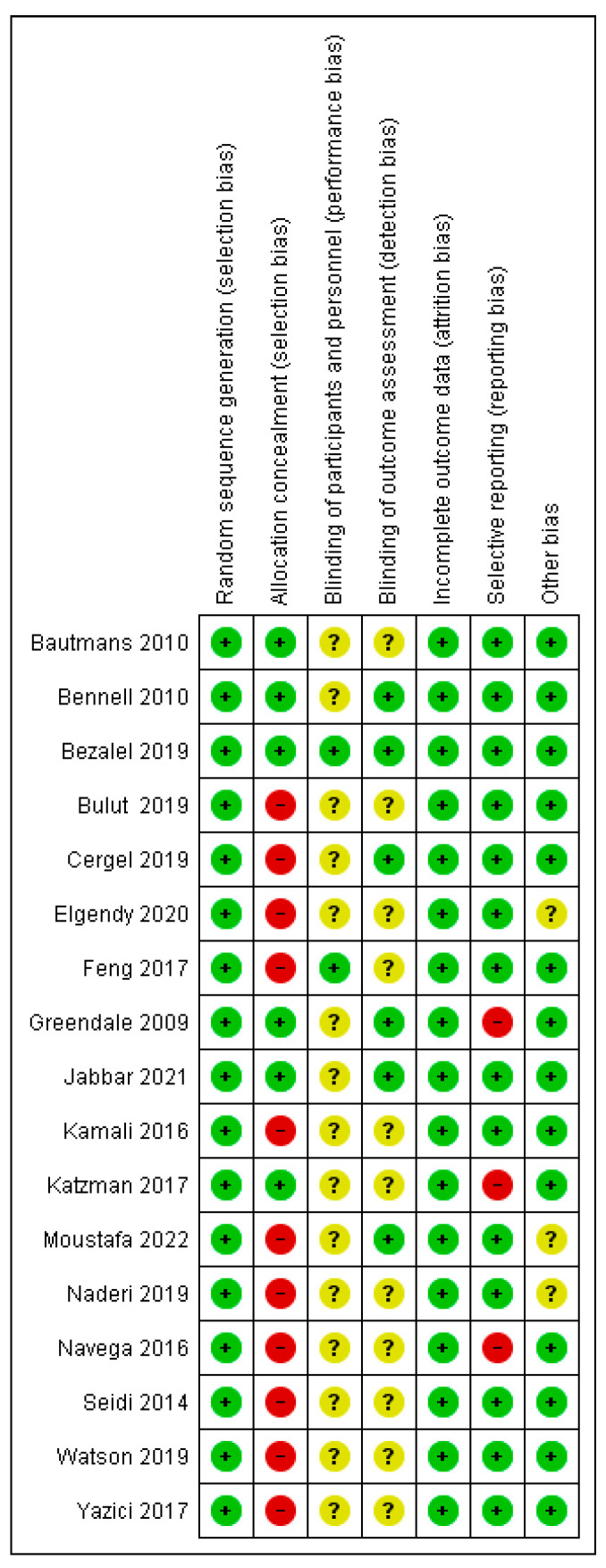 Figure 2
 Figure 3
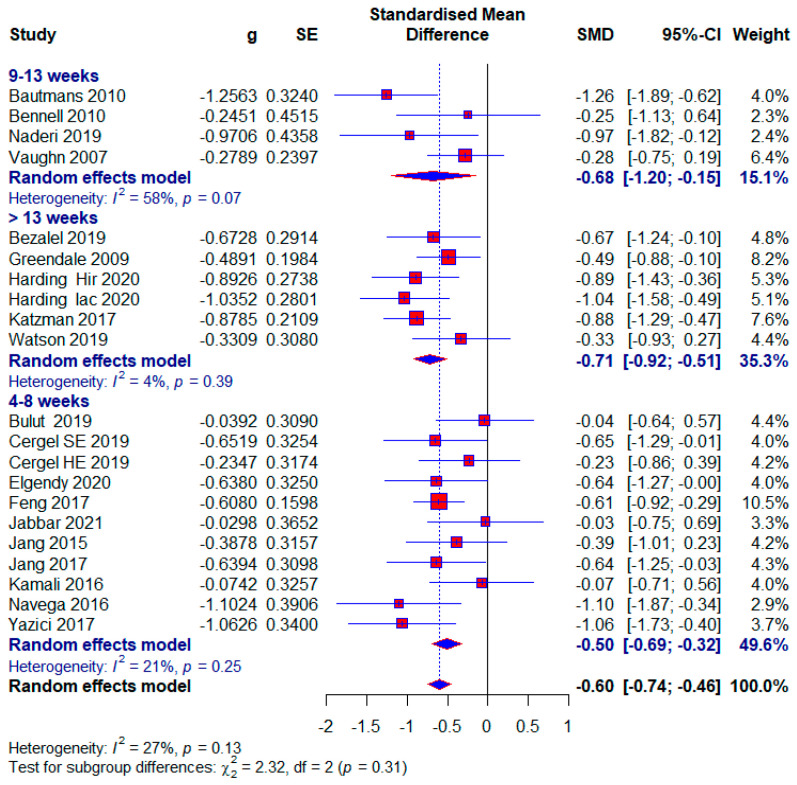 Figure 4
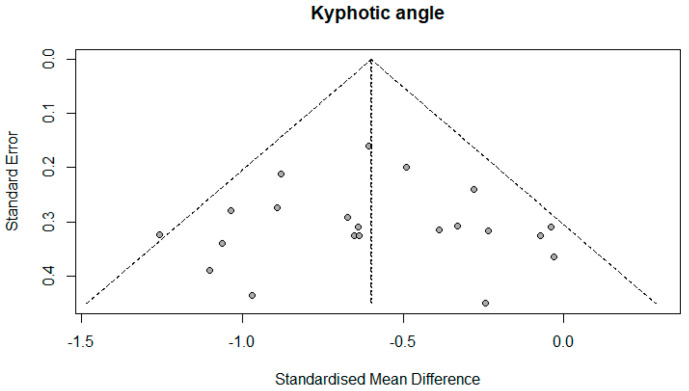 Figure 5
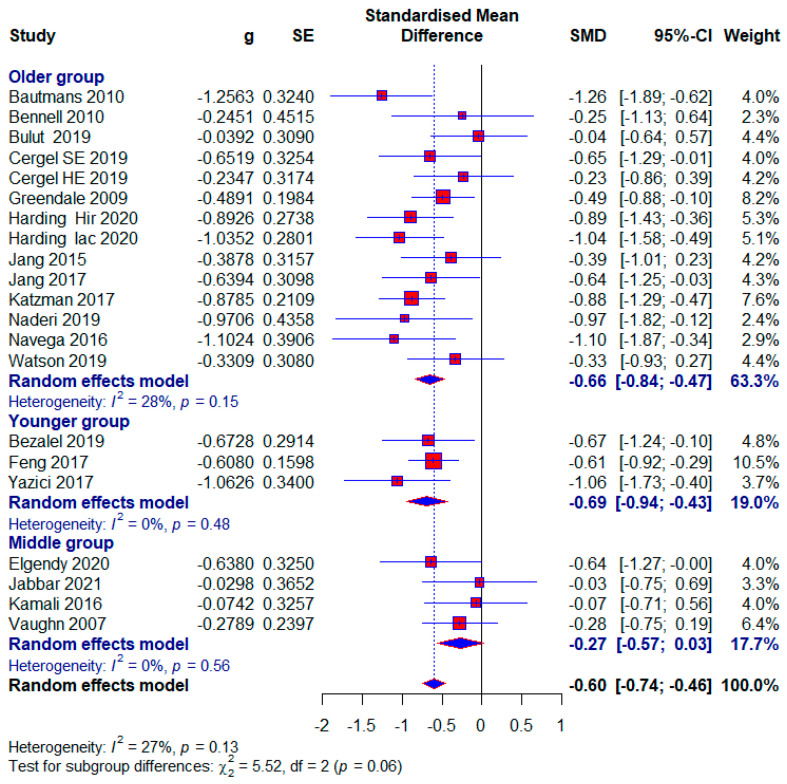 Figure 6
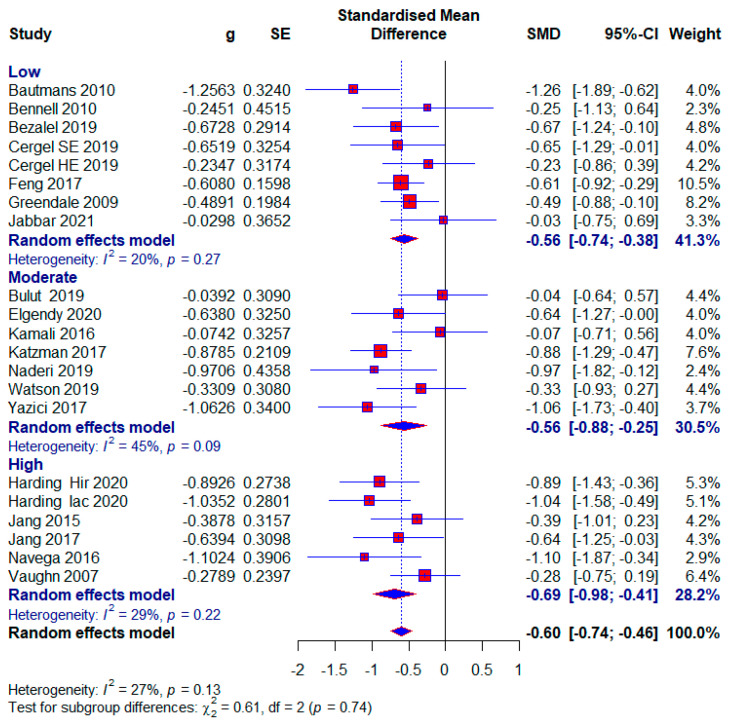 Figure 7
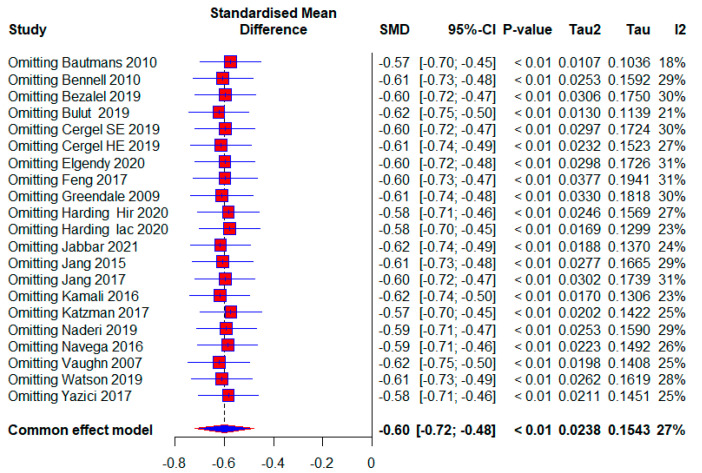 Figure 8
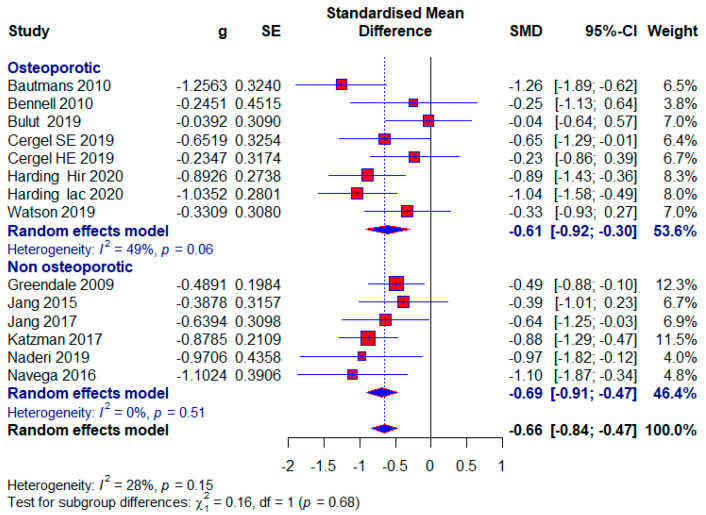 Figure 9
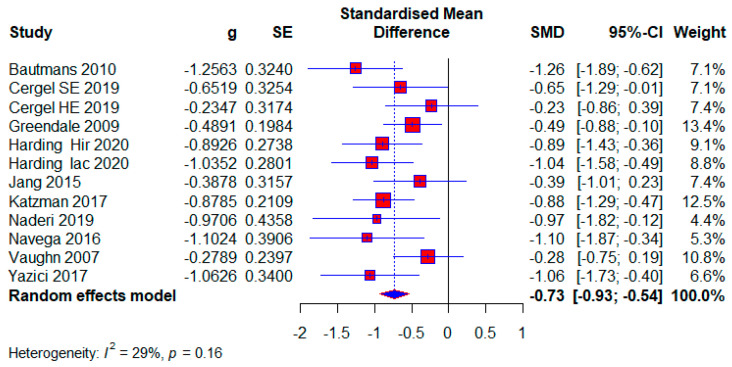 Figure 10
Peer Reviews
No public reviews on file for this paper yet. If you reviewed it on a platform where reviews are public (OpenReview, ICLR, NeurIPS, ICML), you can paste yours below so the community can read it here.
Videos
No videos yet. Explain this paper in a talk, walkthrough, or lecture? Add one.
Taxonomy
TopicsScoliosis diagnosis and treatment · Spinal Fractures and Fixation Techniques · Pregnancy-related medical research