Function and Health in Adults with Dyskinetic Cerebral Palsy—A Follow-Up Study
Kate Himmelmann, Meta N. Eek

TL;DR
This study follows adults with dyskinetic cerebral palsy to assess their health, function, and living conditions, finding significant impairments and frequent health issues despite some treatment benefits.
Contribution
The study provides longitudinal insights into the health and functional outcomes of adults with dyskinetic cerebral palsy.
Findings
All participants had dystonia, and most had spasticity, with intrathecal baclofen reducing these symptoms.
Joint range of motion limitations were common, especially in the shoulders and hips.
Most participants had frequent healthcare contact and significant fatigue, with many living with their parents.
Abstract
Background/Objectives: Dyskinetic cerebral palsy (DCP) often implies severe motor impairment and risk of health problems. Our aim was to follow up a group of young adults with DCP that we previously examined as children, to describe health, function, and living conditions. Methods: Interviews regarding health issues, treatments, and living conditions, and quality of life (RAND-36) and fatigue questionnaires were completed. Gross and fine motor function, communication, and speech ability were classified, and weight, height, spasticity, and dystonia were assessed and compared to previous data. Joint range of motion (ROM) was compared to older adults with DCP. Results: Dystonia was present in all fifteen participants, and spasticity in all but two. A decrease was found mainly in those who received intrathecal baclofen (ITB). ROM limitations were most pronounced in shoulder flexion,…
Genes, proteins, chemicals, diseases, species, mutations and cell lines named across the full text — each resolved to its canonical identifier and authoritative record.
Click any figure to enlarge with its caption.
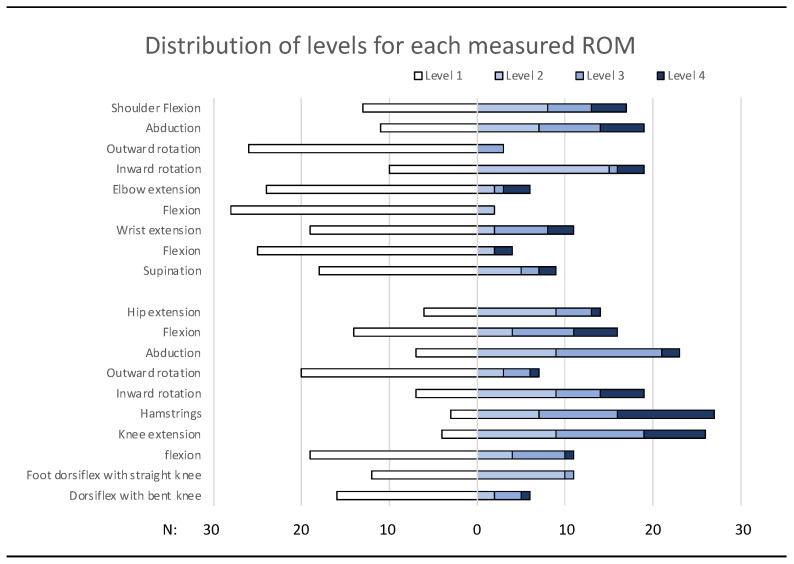 Figure 1
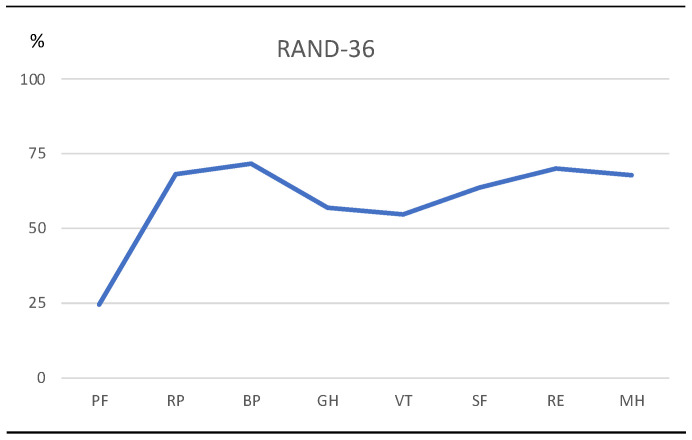 Figure 2
Peer Reviews
No public reviews on file for this paper yet. If you reviewed it on a platform where reviews are public (OpenReview, ICLR, NeurIPS, ICML), you can paste yours below so the community can read it here.
Videos
No videos yet. Explain this paper in a talk, walkthrough, or lecture? Add one.
Taxonomy
TopicsCerebral Palsy and Movement Disorders · Botulinum Toxin and Related Neurological Disorders · Family and Disability Support Research