Maximum Entropy Estimates of Hubble Constant from Planck Measurements
David P. Knobles, Mark F. Westling

TL;DR
This paper uses a maximum entropy method to estimate the Hubble constant from Planck satellite data, finding a value consistent with both early and late universe measurements.
Contribution
The novelty lies in applying maximum entropy to infer the Hubble constant without relying on specific noise models.
Findings
The Hubble constant was estimated to be 67 km/sec/Mpc with a standard deviation of 4.4 km/sec/Mpc.
The method's results align within 1σ of both early and late universe measurements.
The analysis does not support the existence of the Hubble tension.
Abstract
A maximum entropy (ME) methodology was used to infer the Hubble constant from the temperature anisotropies in cosmic microwave background (CMB) measurements, as measured by the Planck satellite. A simple cosmological model provided physical insight and afforded robust statistical sampling of a parameter space. The parameter space included the spectral tilt and amplitude of adiabatic density fluctuations of the early universe and the present-day ratios of dark energy, matter, and baryonic matter density. A statistical temperature was estimated by applying the equipartition theorem, which uniquely specifies a posterior probability distribution. The ME analysis inferred the mean value of the Hubble constant to be about 67 km/sec/Mpc with a conservative standard deviation of approximately 4.4 km/sec/Mpc. Unlike standard Bayesian analyses that incorporate specific noise models, the ME…
Genes, proteins, chemicals, diseases, species, mutations and cell lines named across the full text — each resolved to its canonical identifier and authoritative record.
Click any figure to enlarge with its caption.
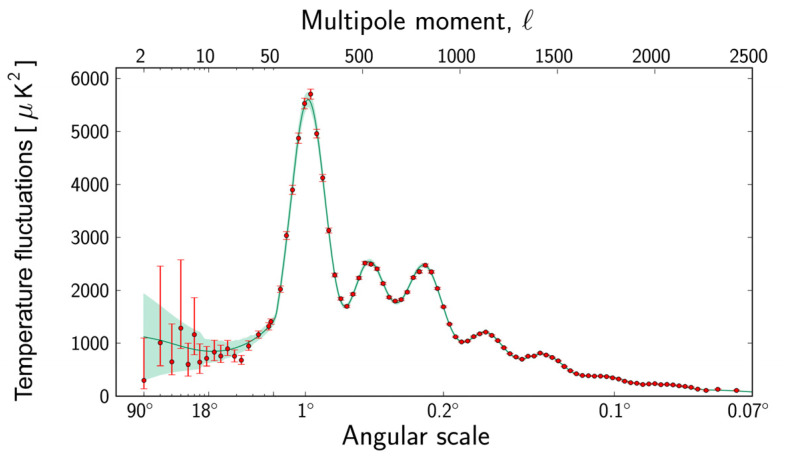 Figure 1
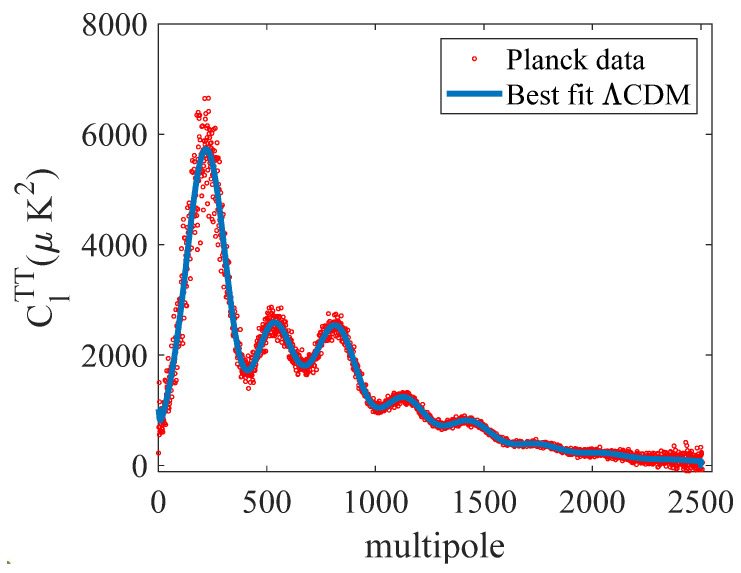 Figure 2
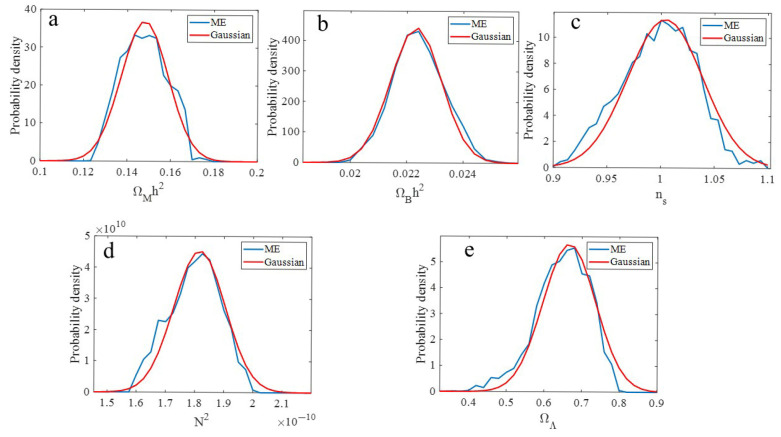 Figure 3
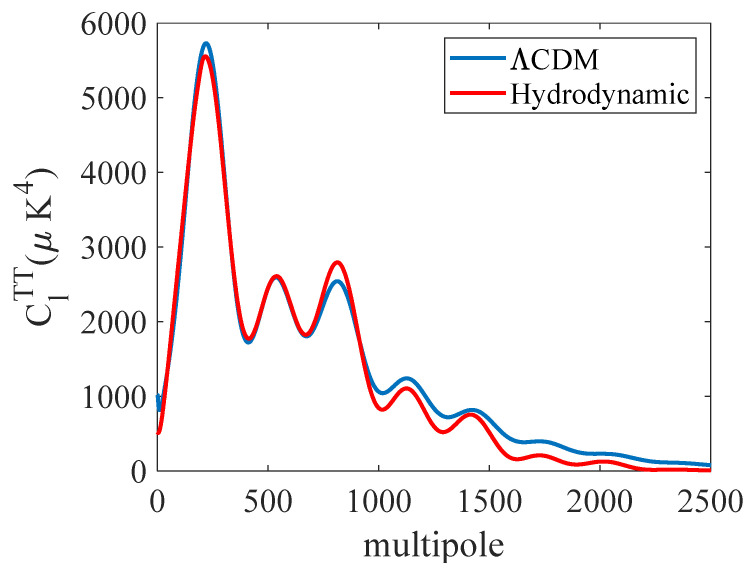 Figure 4
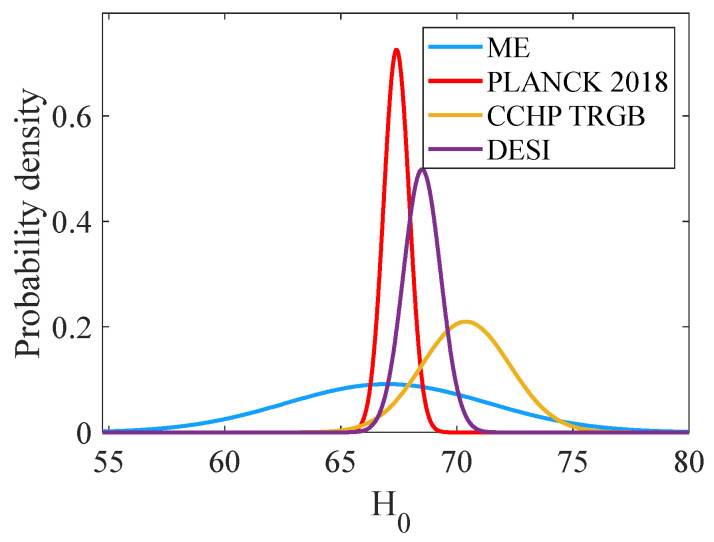 Figure 5
Peer Reviews
No public reviews on file for this paper yet. If you reviewed it on a platform where reviews are public (OpenReview, ICLR, NeurIPS, ICML), you can paste yours below so the community can read it here.
Videos
No videos yet. Explain this paper in a talk, walkthrough, or lecture? Add one.
Taxonomy
TopicsCosmology and Gravitation Theories · Galaxies: Formation, Evolution, Phenomena · Radio Astronomy Observations and Technology