Neuromuscular Activity Determines, at Least in Part, the Motoneuron, Nerve and Muscle Properties Under Normal Conditions and After Nerve Injury
Tessa Gordon

TL;DR
This review explores how the pattern and amount of neuromuscular activity influence motoneuron, nerve, and muscle properties under normal and injured conditions.
Contribution
The paper argues that the amount of neuromuscular activity, rather than its pattern, may be a key determinant of muscle and motoneuron properties.
Findings
Low-frequency electrical stimulation can convert fast-twitch muscle properties to slow-twitch ones.
Motoneuron and muscle properties vary continuously with the amount of electrical stimulation applied.
Endurance and intermittent exercise programs affect neuromuscular properties in both healthy and injured individuals.
Abstract
Whether pattern or amount of daily activity determines neuromuscular properties is the focus of this review. The fast-to-slow conversion of many properties of fast-twitch muscles, by stimulating their nerves electrically with the continuous low-frequency pattern typical of slow motoneurons, argued that muscle properties are determined by their pattern of activity. However, the composition of the motor units (MUs) in almost all muscles is heterogeneous, with the MUs grouped into slow, fast-fatigue-resistant and fast-fatigable types that match corresponding histochemical fiber types. Nonetheless, their contractile forces lie on a continuum, with MUs recruited into activity in order of their size. This ‘size principle’ of MU organization and function applies in normally innervated and reinnervated muscles and, importantly, begs the question of whether it is the amount rather than the…
Genes, proteins, chemicals, diseases, species, mutations and cell lines named across the full text — each resolved to its canonical identifier and authoritative record.
Click any figure to enlarge with its caption.
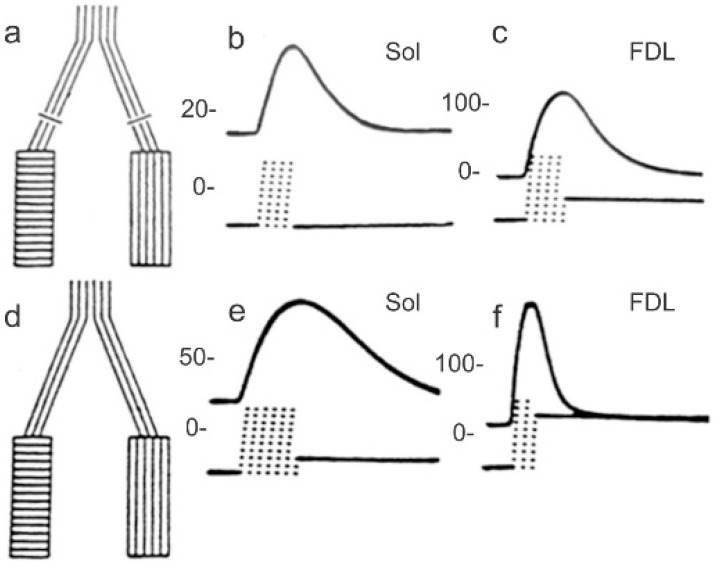 Figure 1
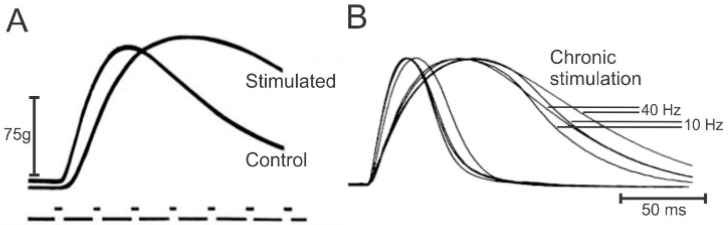 Figure 2
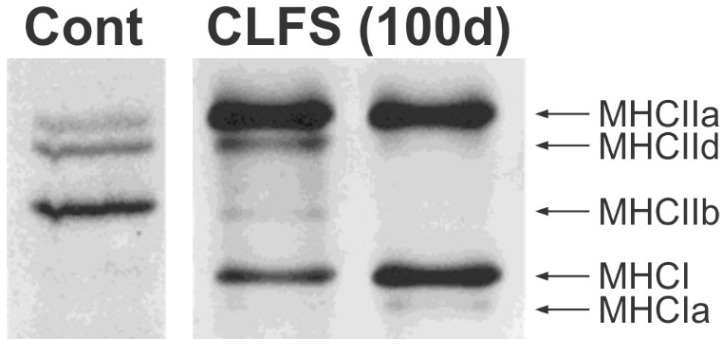 Figure 3
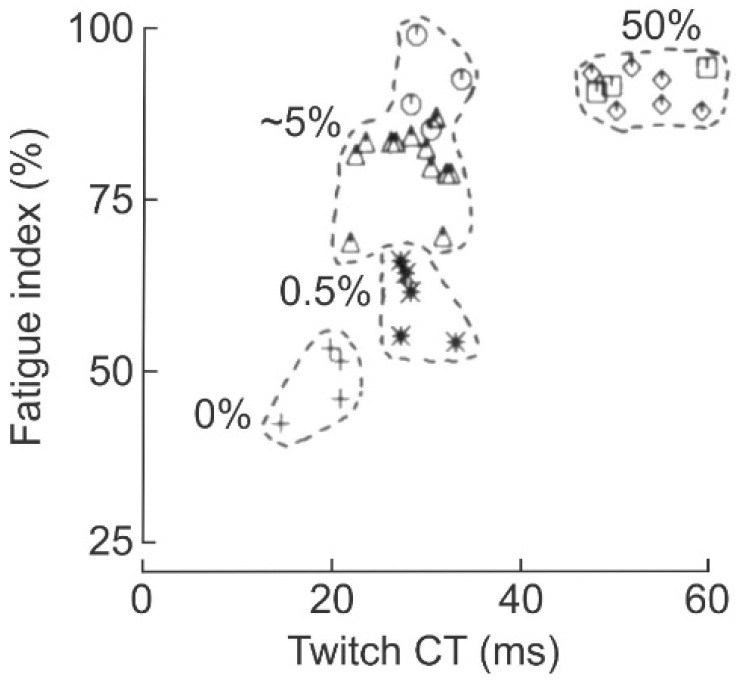 Figure 4
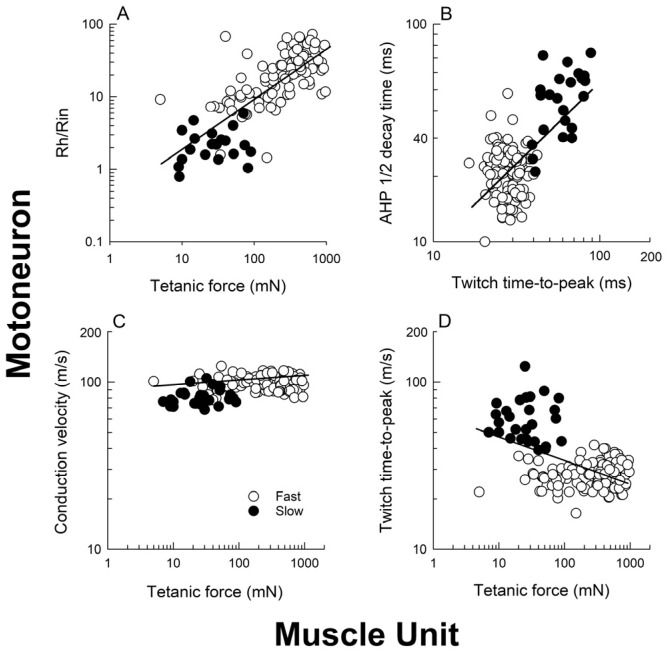 Figure 5
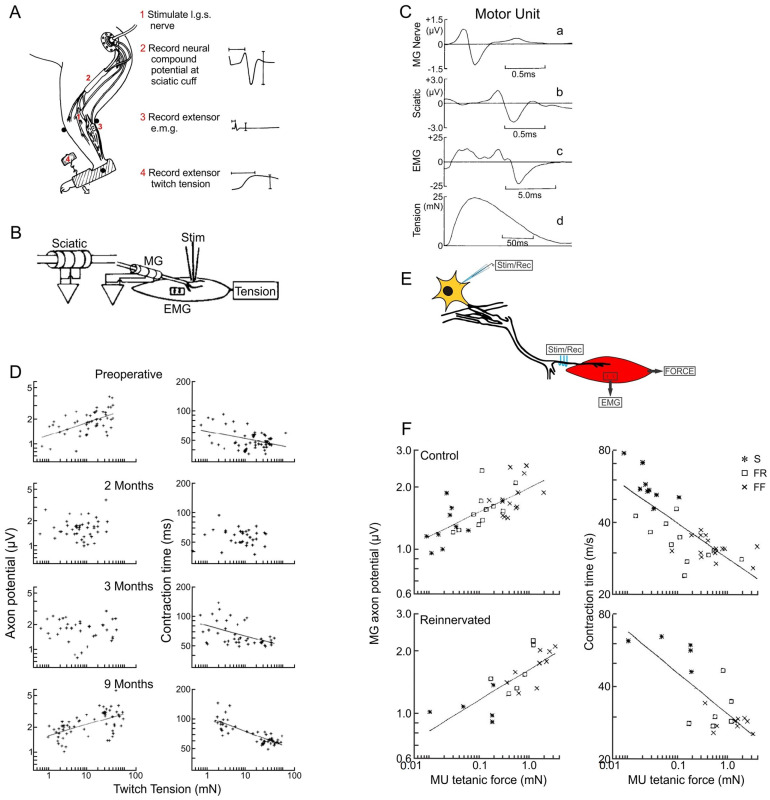 Figure 6
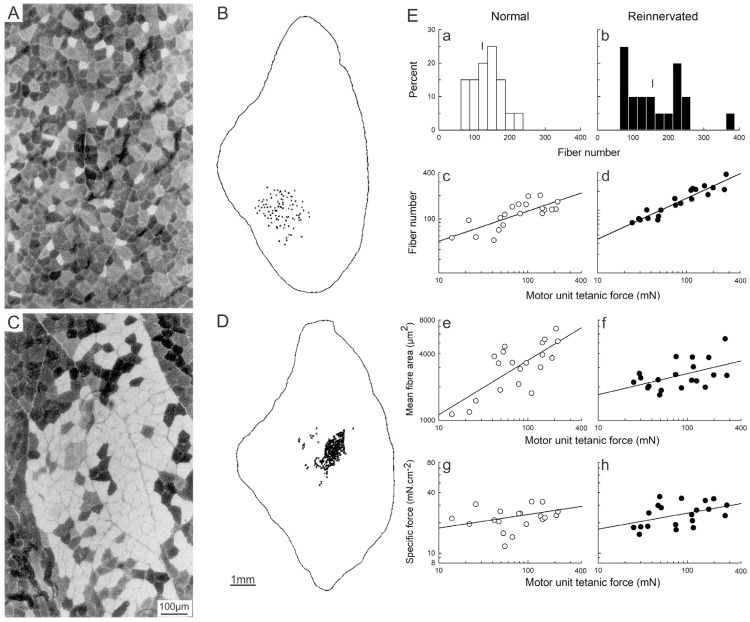 Figure 7
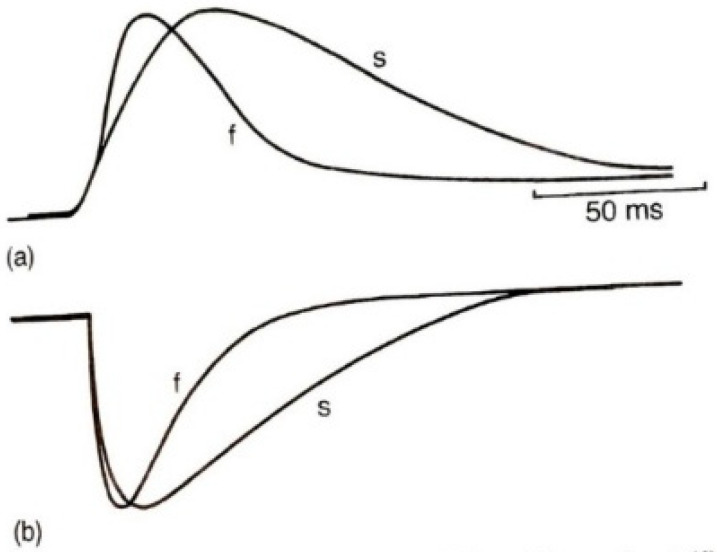 Figure 8
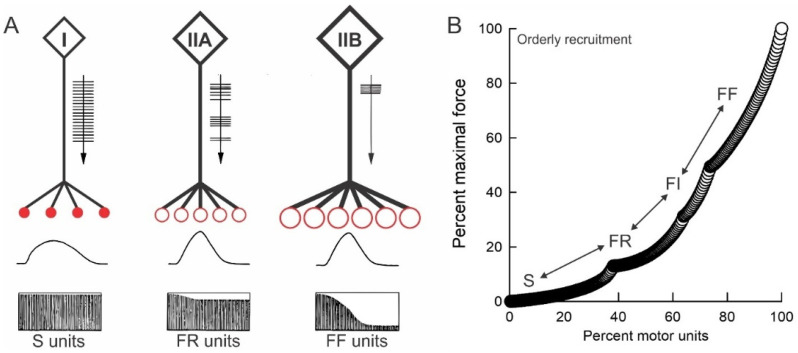 Figure 9
 Figure 10
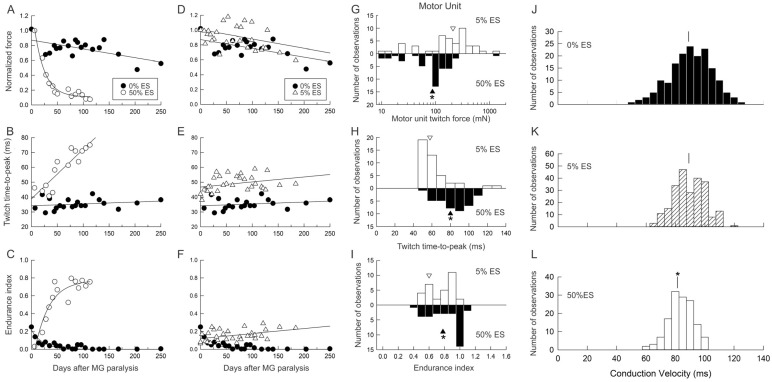 Figure 11
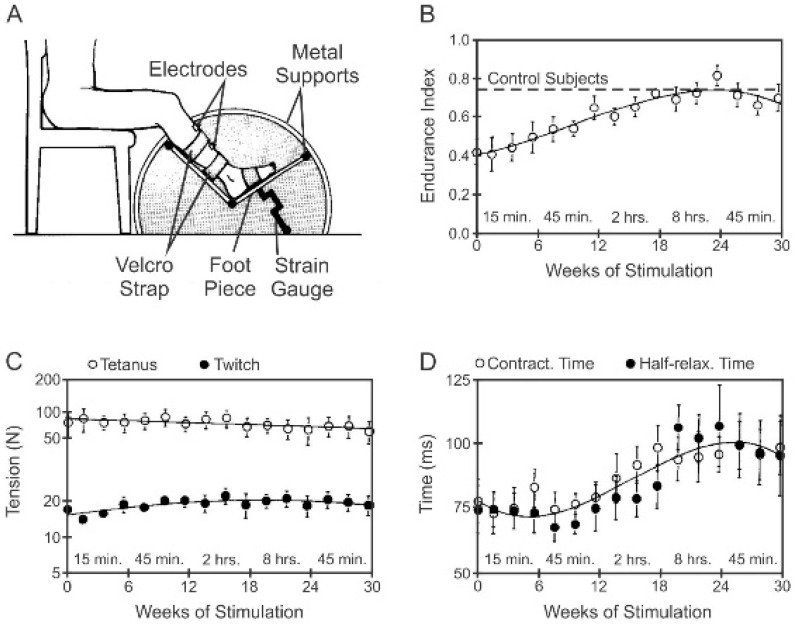 Figure 12
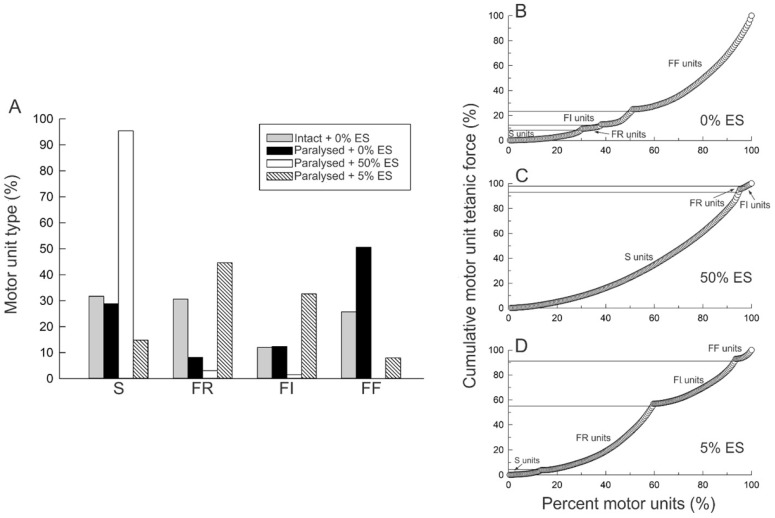 Figure 13
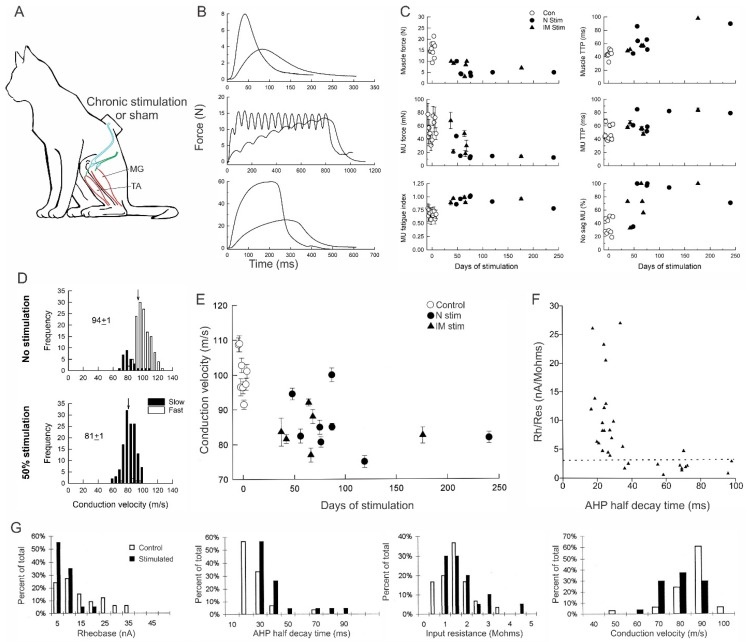 Figure 14
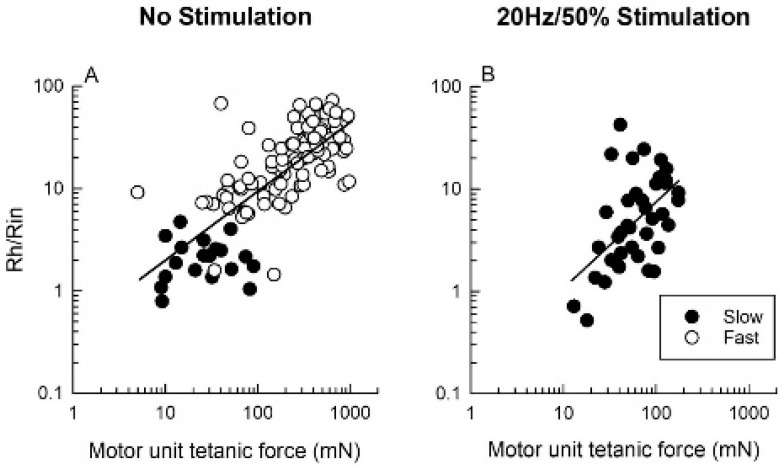 Figure 15
Peer Reviews
No public reviews on file for this paper yet. If you reviewed it on a platform where reviews are public (OpenReview, ICLR, NeurIPS, ICML), you can paste yours below so the community can read it here.
Videos
No videos yet. Explain this paper in a talk, walkthrough, or lecture? Add one.
Taxonomy
TopicsMuscle activation and electromyography studies · Advanced Sensor and Energy Harvesting Materials · Children's Physical and Motor Development