Antennal Sensilla Morphology and Flagellomere Addition in Nymphs and Adults of Hierodula patellifera Serville, 1839 (Mantodea: Mantidae)
Huan Wang, Yang Wang, Yang Liu, Geer Teni, Huiwen Li

TL;DR
This study examines the antennae structure and development in Hierodula patellifera mantises, focusing on sensilla types and growth patterns from nymphs to adults.
Contribution
The paper provides a detailed classification of antennal sensilla and describes the developmental changes in antennae structure across nymphal stages and sexes.
Findings
Seven types and four subtypes of sensilla were identified in nymphs and adults of H. patellifera.
The adult flagellum is divided into six parts based on sensilla distribution and morphology.
Males have larger flagellomeres and more grooved peg sensilla compared to females starting from the 7th instar.
Abstract
To better understand the morphology of the antennae of mantids, the types of antennal sensilla and their distributional features on the antennae of each instar nymph and adult of Hierodula patellifera Serville, 1839 (Mantodea: Mantidae) were investigated. The antennal morphology of nymphs and adults was similar and consisted of the scape, pedicel, and flagellum. Seven types and four subtypes of sensilla were identified in nymphs and adults. Based on the external morphology and distributional features of the sensilla, we proposed to divide the adult flagellum into six parts. Among the different instar nymphs and adults, the most obvious individual growth of antennae occurred from the 5th- to 6th-instar nymphs; sexual dimorphism in antennal length, width, and sensilla distribution becomes evident from the 7th instar, and compared to adult females, the adult males have larger flagellomeres…
Genes, proteins, chemicals, diseases, species, mutations and cell lines named across the full text — each resolved to its canonical identifier and authoritative record.
Click any figure to enlarge with its caption.
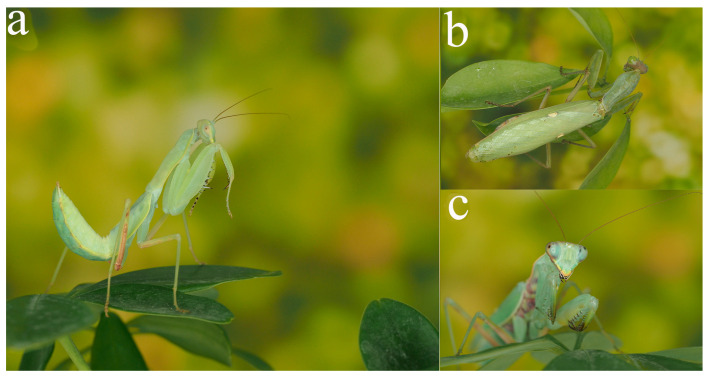 Figure 1
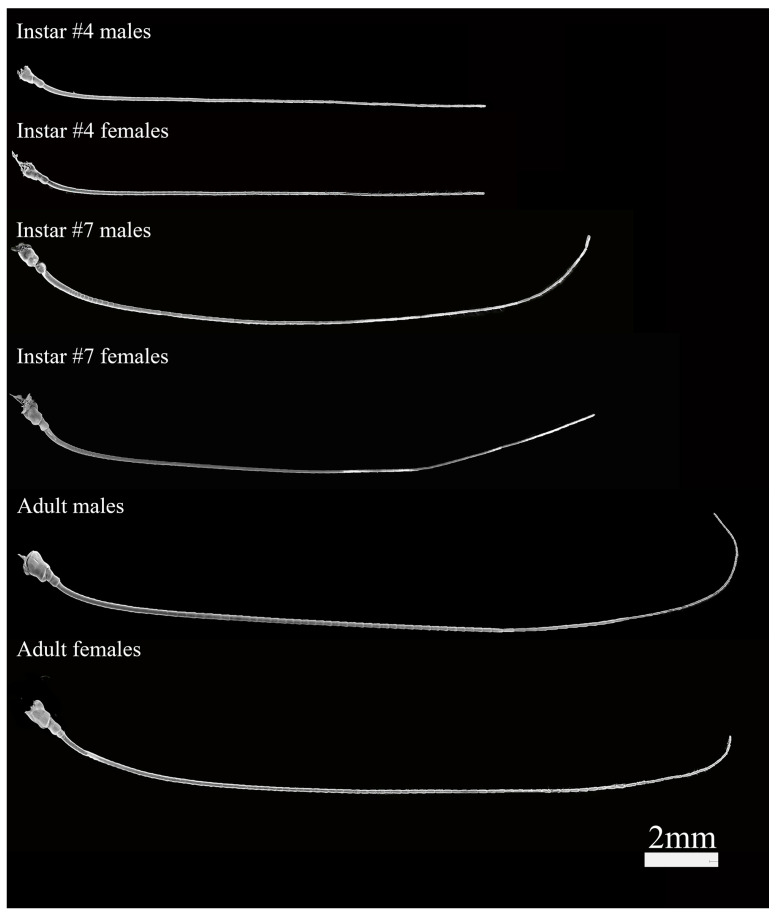 Figure 2
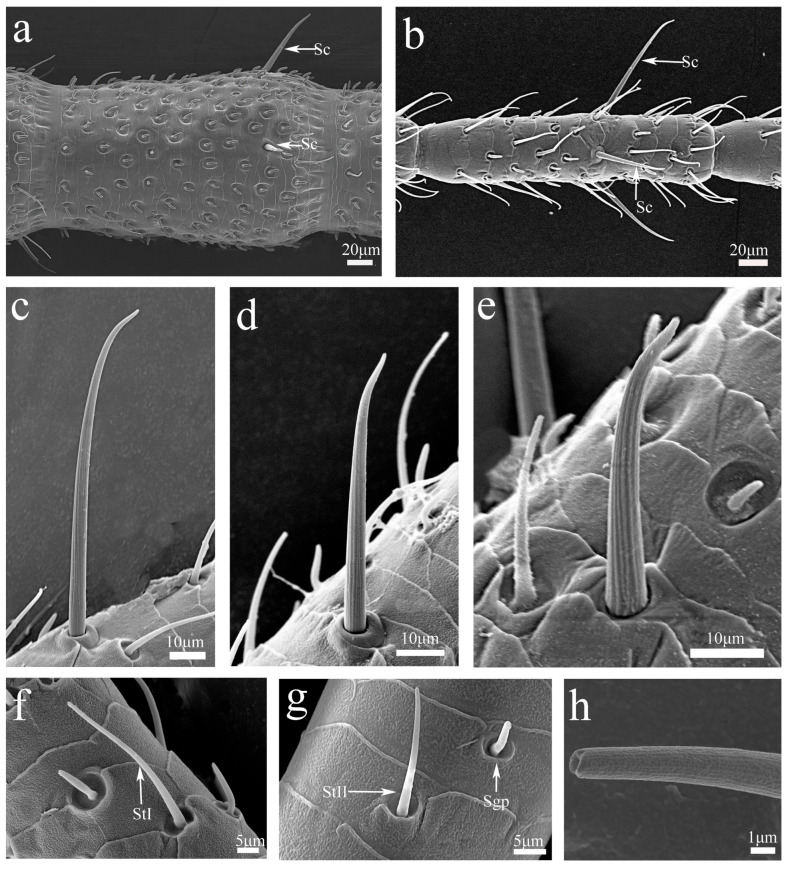 Figure 3
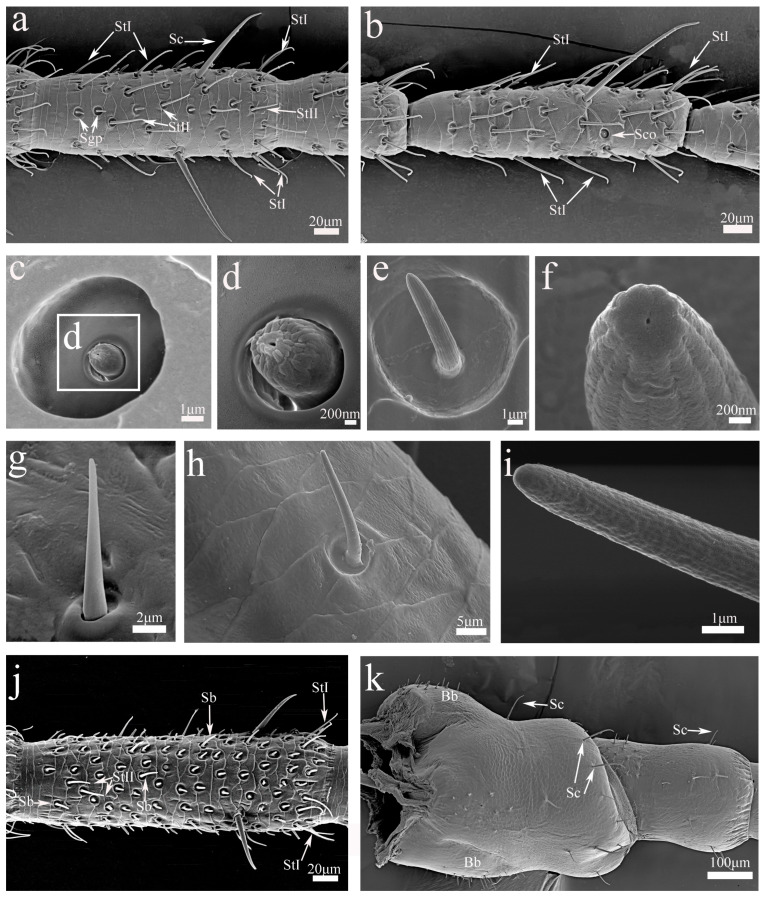 Figure 4
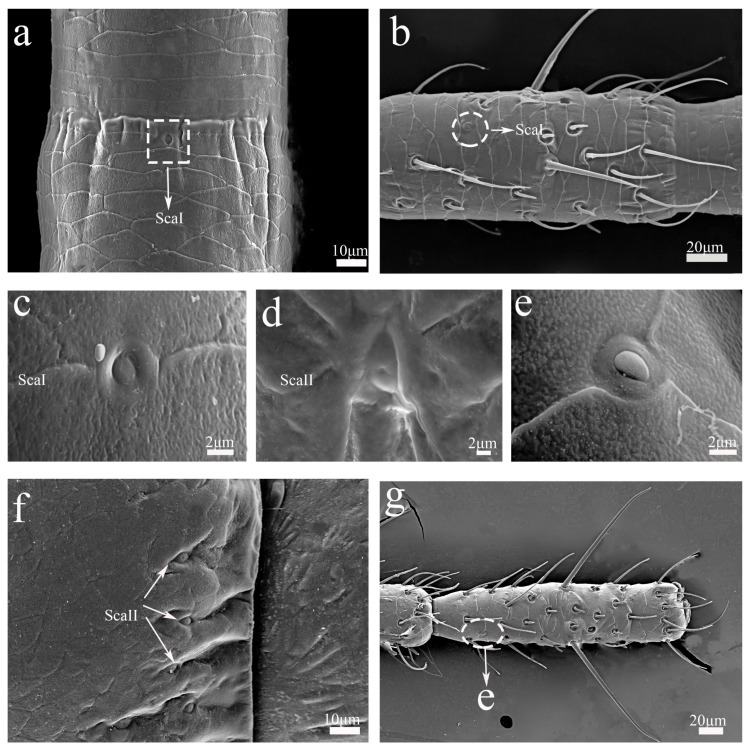 Figure 5
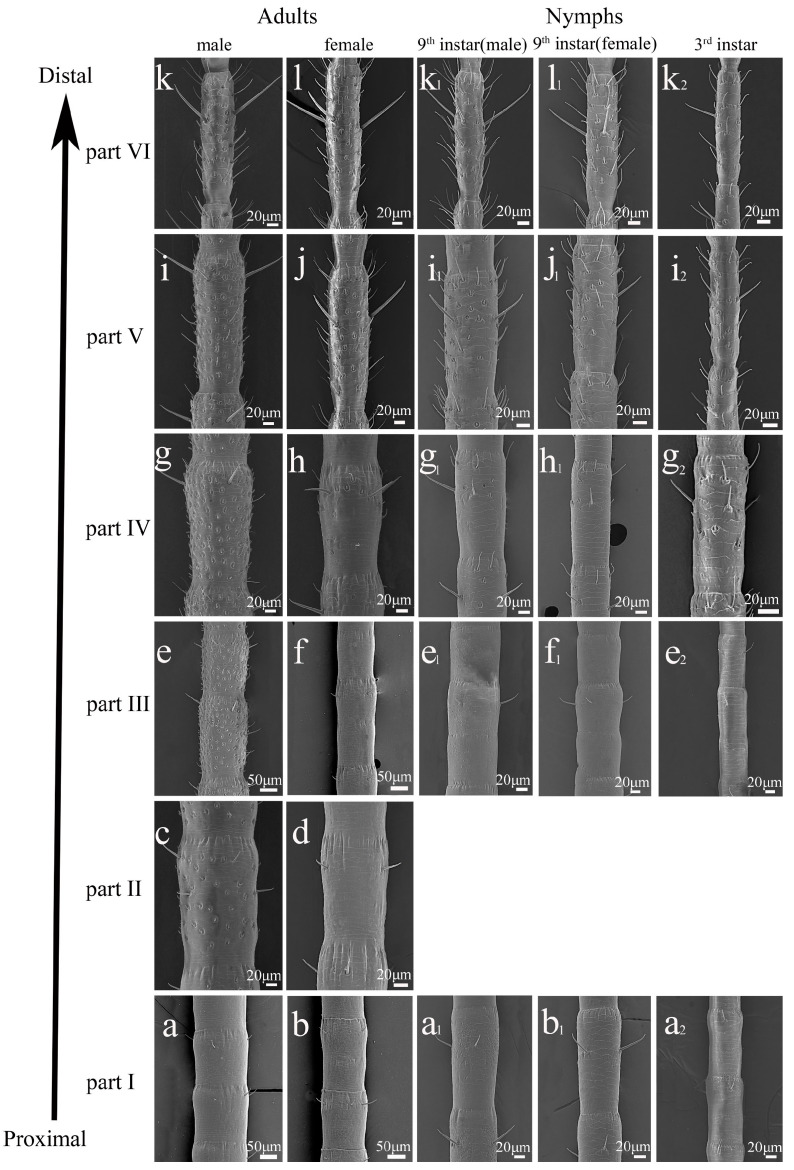 Figure 6
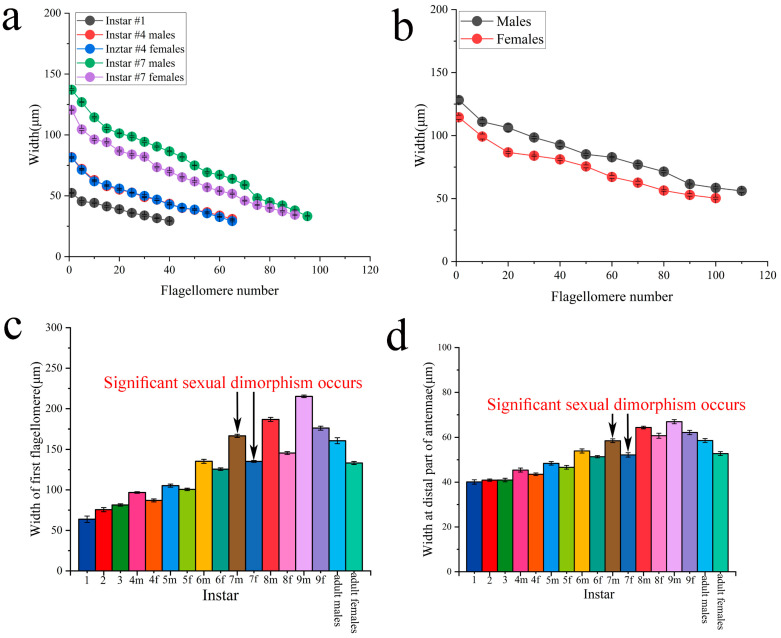 Figure 7
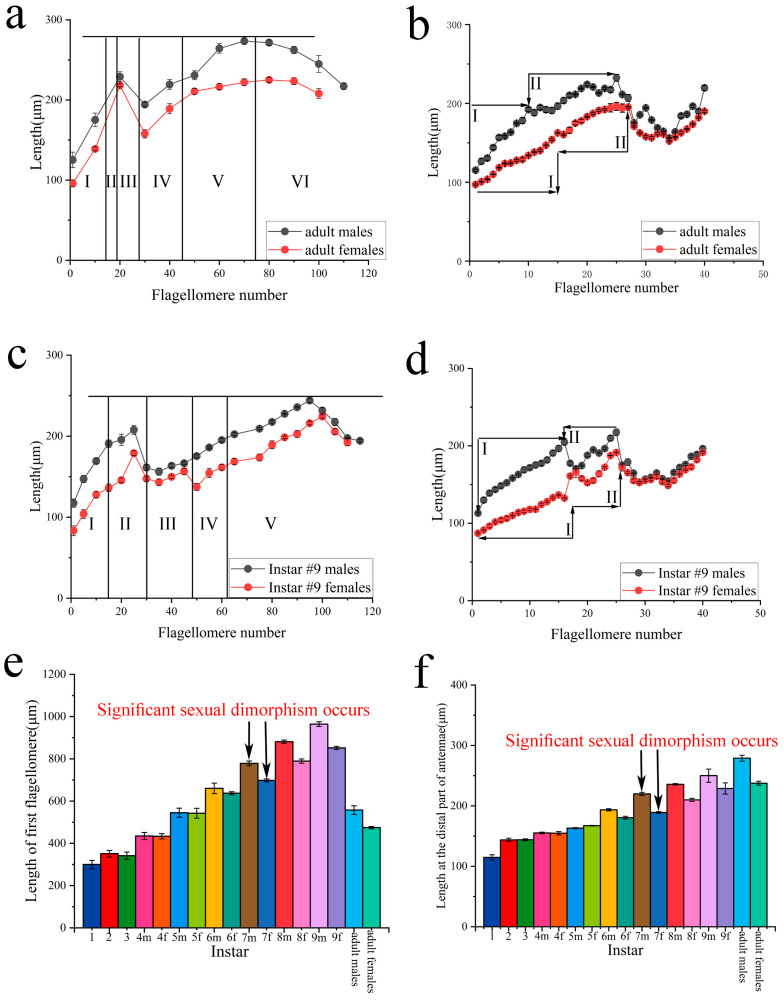 Figure 8
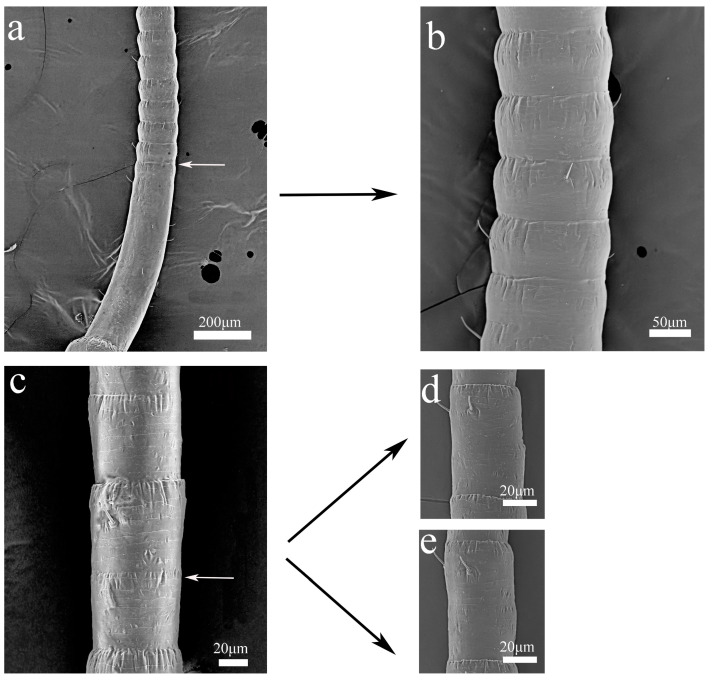 Figure 9
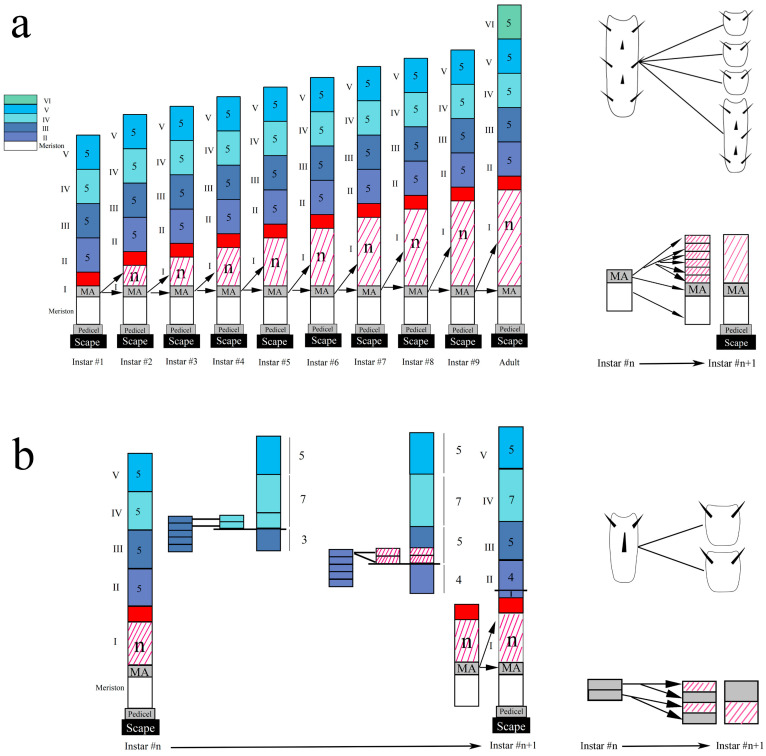 Figure 10
Peer Reviews
No public reviews on file for this paper yet. If you reviewed it on a platform where reviews are public (OpenReview, ICLR, NeurIPS, ICML), you can paste yours below so the community can read it here.
Videos
No videos yet. Explain this paper in a talk, walkthrough, or lecture? Add one.
Taxonomy
TopicsInsect and Arachnid Ecology and Behavior · Neurobiology and Insect Physiology Research · Plant and animal studies