A Novel 3D Convolutional Neural Network-Based Deep Learning Model for Spatiotemporal Feature Mapping for Video Analysis: Feasibility Study for Gastrointestinal Endoscopic Video Classification
Mrinal Kanti Dhar, Mou Deb, Poonguzhali Elangovan, Keerthy Gopalakrishnan, Divyanshi Sood, Avneet Kaur, Charmy Parikh, Swetha Rapolu, Gianeshwaree Alias Rachna Panjwani, Rabiah Aslam Ansari, Naghmeh Asadimanesh, Shiva Sankari Karuppiah, Scott A. Helgeson, Venkata S. Akshintala

TL;DR
This paper introduces a new deep learning model for analyzing medical videos, specifically for classifying gastrointestinal endoscopic videos by capturing both spatial and temporal features.
Contribution
The paper proposes a novel 3D CNN with a new RPA block and P-scSE3D for spatiotemporal feature extraction in medical video classification.
Findings
The model achieved high accuracy (0.933) and F1-score (0.935) in classifying upper and lower GI endoscopic videos.
The integration of P-scSE3D improved the F1-score by 7%.
The model used (2 + 1)D convolution to reduce computational complexity while maintaining performance.
Abstract
Accurate analysis of medical videos remains a major challenge in deep learning (DL) due to the need for effective spatiotemporal feature mapping that captures both spatial detail and temporal dynamics. Despite advances in DL, most existing models in medical AI focus on static images, overlooking critical temporal cues present in video data. To bridge this gap, a novel DL-based framework is proposed for spatiotemporal feature extraction from medical video sequences. As a feasibility use case, this study focuses on gastrointestinal (GI) endoscopic video classification. A 3D convolutional neural network (CNN) is developed to classify upper and lower GI endoscopic videos using the hyperKvasir dataset, which contains 314 lower and 60 upper GI videos. To address data imbalance, 60 matched pairs of videos are randomly selected across 20 experimental runs. Videos are resized to 224 × 224, and…
Genes, proteins, chemicals, diseases, species, mutations and cell lines named across the full text — each resolved to its canonical identifier and authoritative record.
Click any figure to enlarge with its caption.
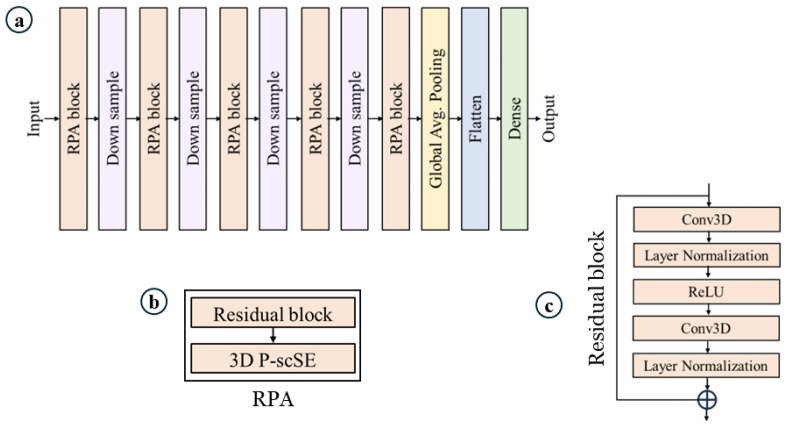 Figure 1
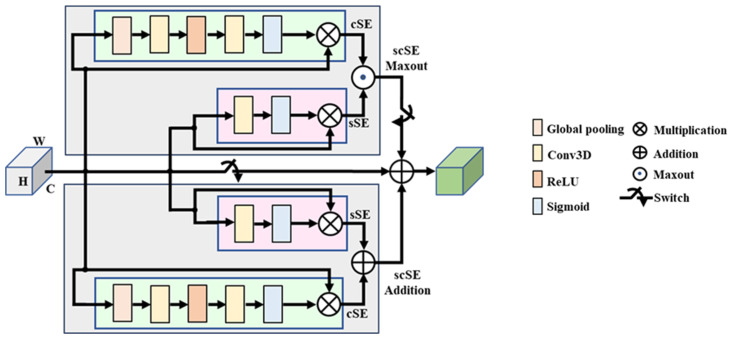 Figure 2
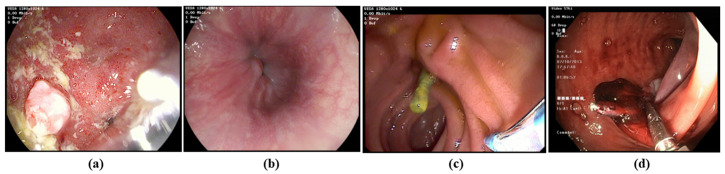 Figure 3
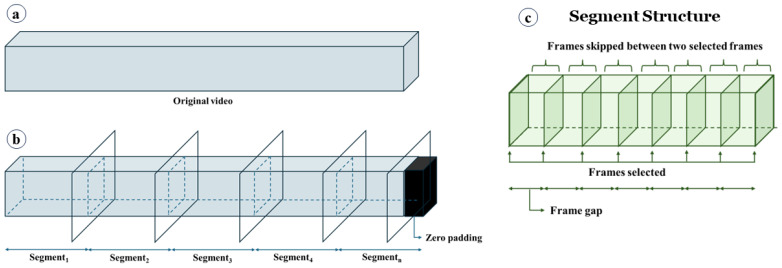 Figure 4
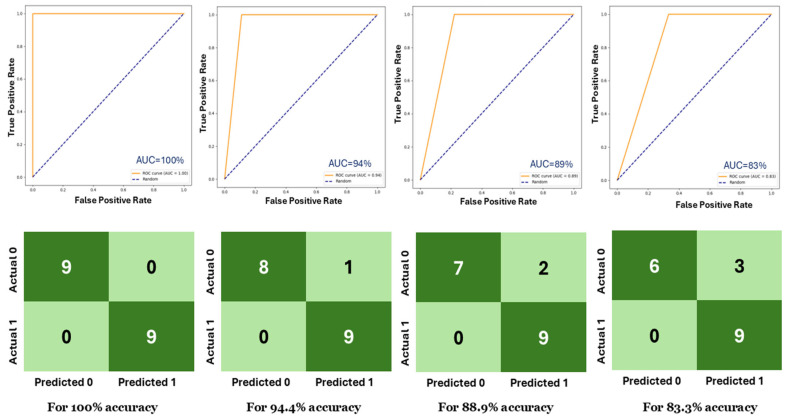 Figure 5
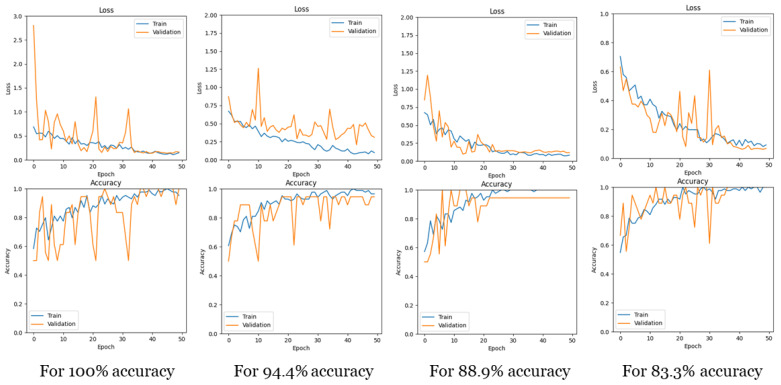 Figure 6
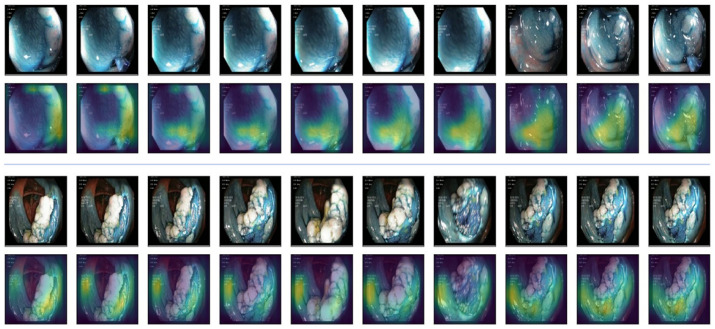 Figure 7
Peer Reviews
No public reviews on file for this paper yet. If you reviewed it on a platform where reviews are public (OpenReview, ICLR, NeurIPS, ICML), you can paste yours below so the community can read it here.
Videos
No videos yet. Explain this paper in a talk, walkthrough, or lecture? Add one.
Taxonomy
TopicsColorectal Cancer Screening and Detection · Cancer-related molecular mechanisms research · Machine Learning in Healthcare