Proteomic Responses of the Springtail Folsomia candida to Drought
Yang Wang, Stine Slotsbo, Steffen Y. Bak, Christopher J. Martyniuk, Martin Holmstrup

TL;DR
This study explores how springtails respond to drought at the protein level, finding that they reduce growth and reproduction but can survive until conditions improve.
Contribution
The study provides new insights into the proteomic responses of springtails to drought, revealing minimal stress-related protein changes but reduced growth-related proteins.
Findings
Drought-exposed springtails show reduced abundance of proteins related to growth and reproduction.
Proteomic analysis reveals minimal induction of cellular stress-handling proteins during drought.
Cytoskeleton-related pathways are down-regulated in drought conditions, correlating with reduced somatic growth.
Abstract
Springtails are small insect-like animals living in the soil almost all over the world. Most springtails are less than 5 mm in length, yet they can have great influence on the fertility of soil because they occur in very high numbers, sometimes in hundreds of thousands per square meter. These animals are adapted to life in moist soil and in many respects have a physiology resembling freshwater animals. Here, we explore the functional proteins in springtails when they are stressed by drought conditions. We find that proteins important for growth and reproduction are becoming less abundant in drought-exposed animals, but on the other hand, we see no strong indication of proteins related to cellular stress handling being more abundant. This suggests that springtails will stop growing and egg laying when they are experiencing drought but will be able to survive until soils become moist…
Genes, proteins, chemicals, diseases, species, mutations and cell lines named across the full text — each resolved to its canonical identifier and authoritative record.
Click any figure to enlarge with its caption.
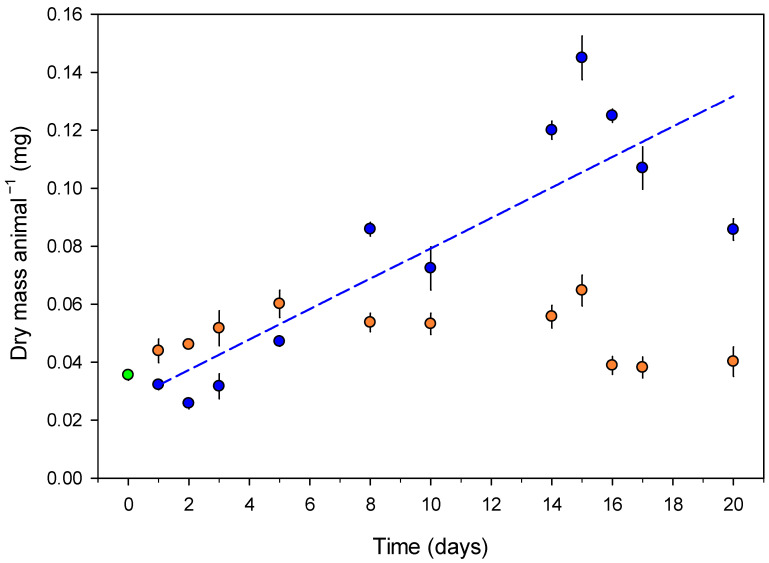 Figure 1
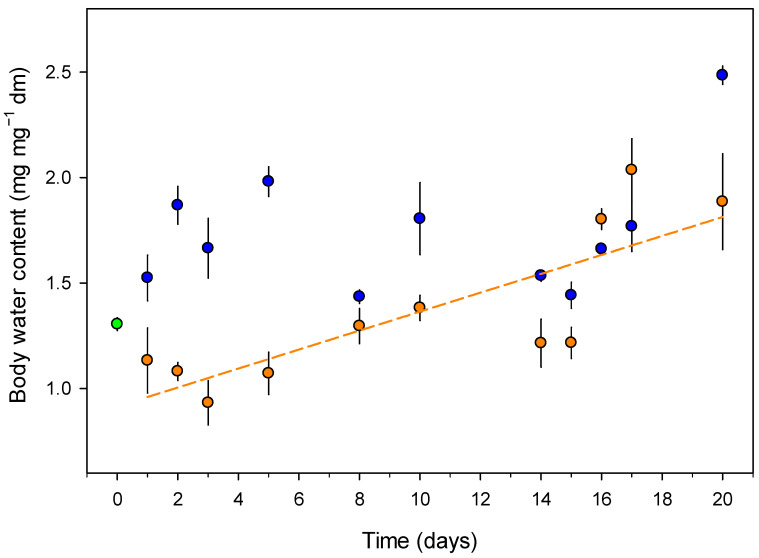 Figure 2
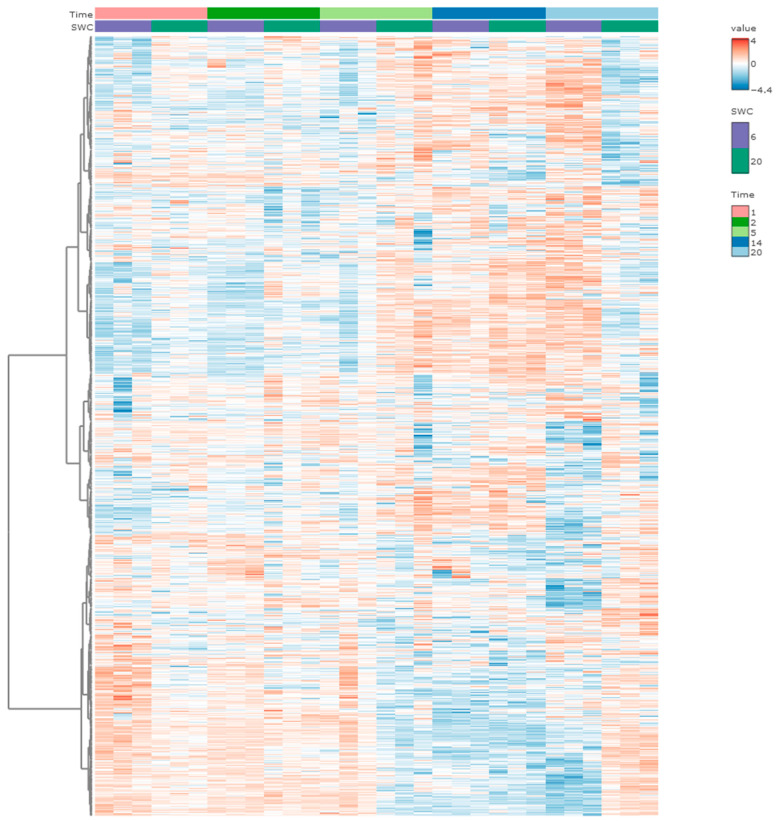 Figure 3
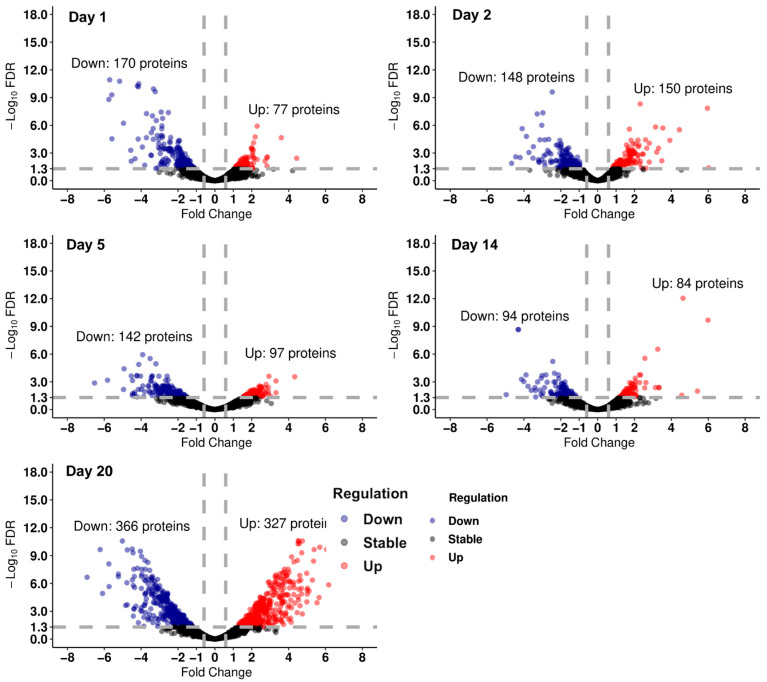 Figure 4
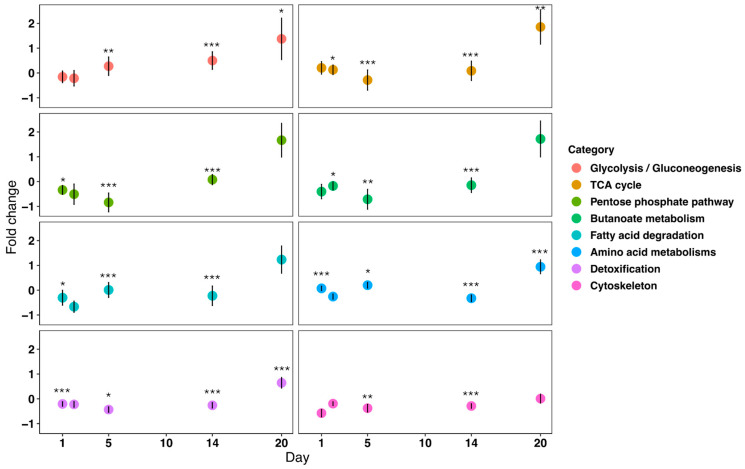 Figure 5
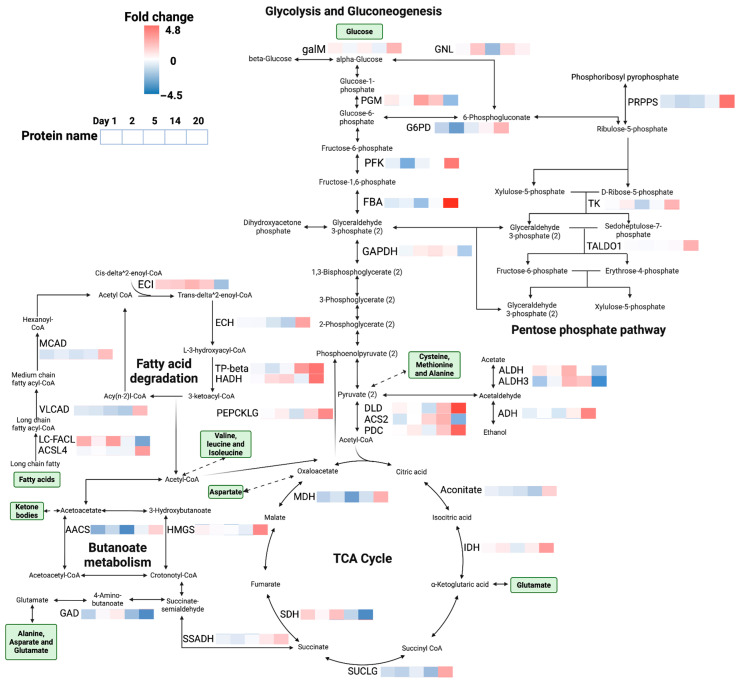 Figure 6
Peer Reviews
No public reviews on file for this paper yet. If you reviewed it on a platform where reviews are public (OpenReview, ICLR, NeurIPS, ICML), you can paste yours below so the community can read it here.
Videos
No videos yet. Explain this paper in a talk, walkthrough, or lecture? Add one.
Taxonomy
TopicsCollembola Taxonomy and Ecology Studies · Physiological and biochemical adaptations · Marine and environmental studies