Tinea Incognito Caused by Microsporum spp. Mimicking Subacute Cutaneous Lupus Erythematosus—Case Report
Marta Kasprowicz-Furmańczyk, Agnieszka Owczarczyk-Saczonek

TL;DR
A case of tinea incognito caused by Microsporum spp. was mistaken for subacute cutaneous lupus erythematosus, highlighting the importance of fungal testing for accurate diagnosis.
Contribution
This case report highlights the diagnostic challenge of tinea incognito mimicking lupus erythematosus and emphasizes the need for fungal testing.
Findings
Tinea incognito caused by Microsporum spp. presented with symptoms similar to subacute cutaneous lupus erythematosus.
Fungal testing confirmed the presence of dermatophytes, leading to a correct diagnosis after initial misdiagnosis.
The case underscores the importance of mycological examination in suspected lupus cases to avoid inappropriate treatment.
Abstract
Tinea incognito is an incorrectly diagnosed form of fungal infection due to a changed clinical picture as a result of systemic or topical corticosteroids or even local immunomodulators. This type of skin lesion is most often located on the trunk but can affect any part of the body. We present a case report of 76-year-old woman with a history of systemic lupus erythematosus who was admitted to hospital because of extensive, painful, and burning erythematous and papular lesions in an annular pattern, covered with a thick, yellow crust, located on the scalp and neck. The skin lesions were accompanied by extensive hair loss. The patient had previously undergone intensified treatment of the underlying disease due to the exacerbation of skin lesions of a subacute cutaneous lupus erythematosus type. A suspicion of tinea incognito was raised, and direct mycological examination and culture…
Genes, proteins, chemicals, diseases, species, mutations and cell lines named across the full text — each resolved to its canonical identifier and authoritative record.
Click any figure to enlarge with its caption.
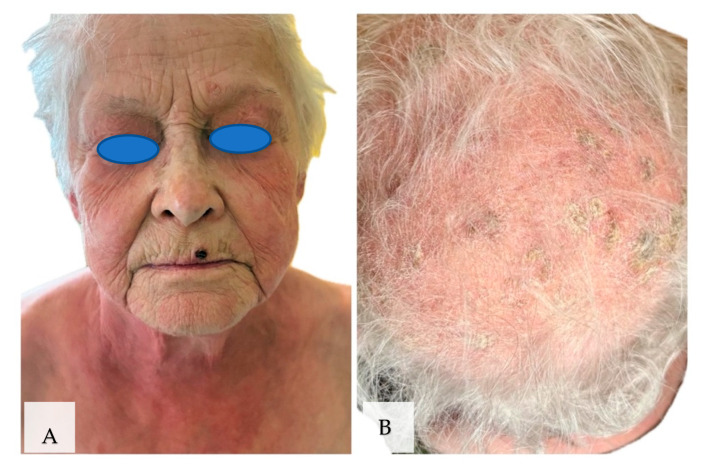 Figure 1
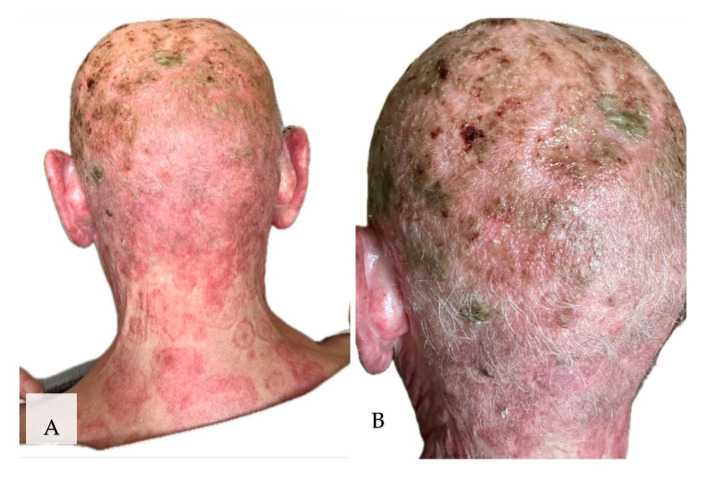 Figure 2
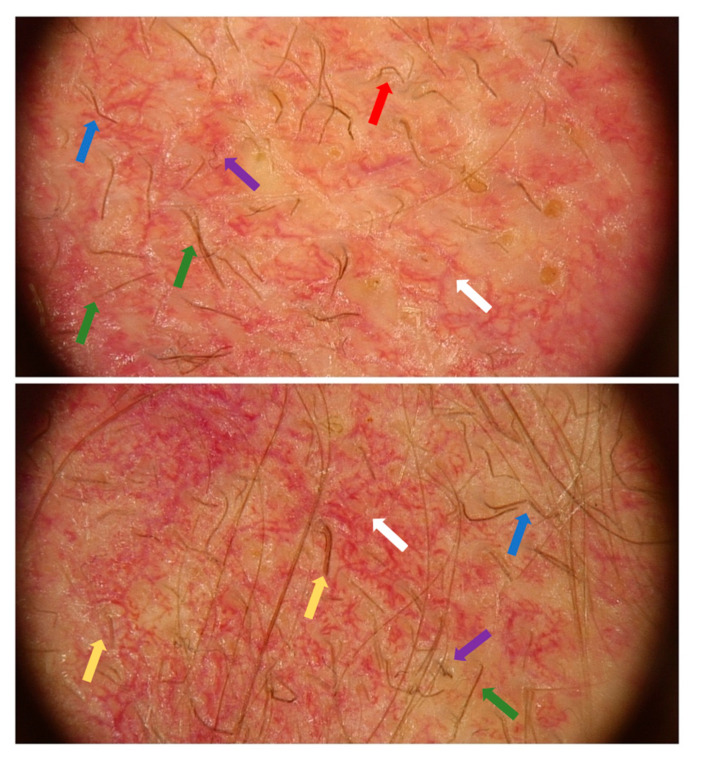 Figure 3
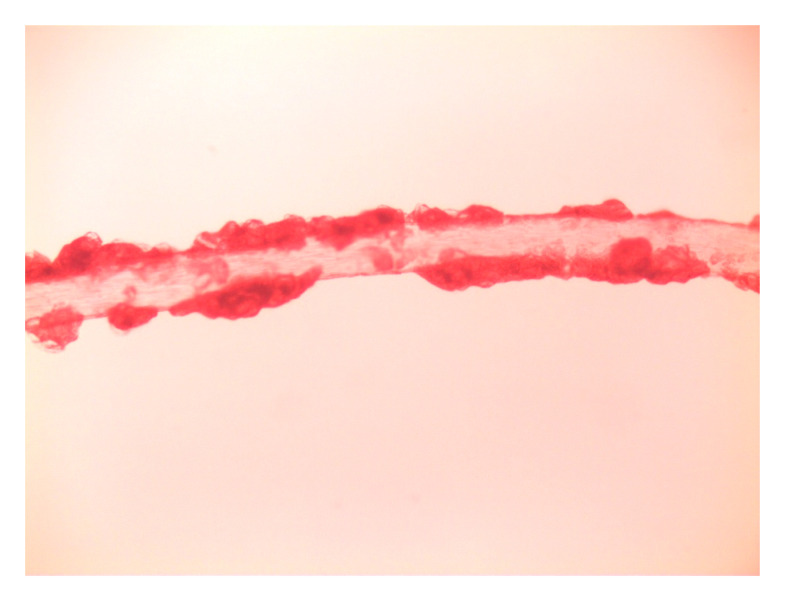 Figure 4
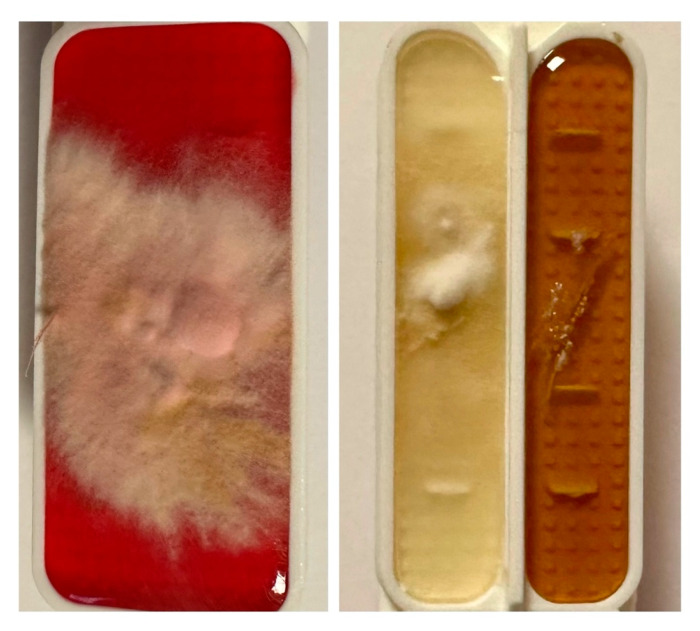 Figure 5
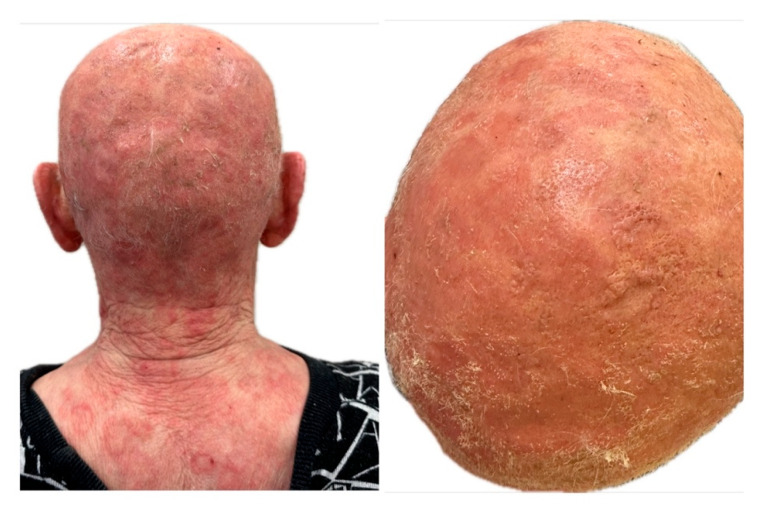 Figure 6
Peer Reviews
No public reviews on file for this paper yet. If you reviewed it on a platform where reviews are public (OpenReview, ICLR, NeurIPS, ICML), you can paste yours below so the community can read it here.
Videos
No videos yet. Explain this paper in a talk, walkthrough, or lecture? Add one.
Taxonomy
TopicsNail Diseases and Treatments · Fungal Infections and Studies · Cutaneous lymphoproliferative disorders research