Single-Cell Transcriptomic Changes in Patient-Derived Glioma and U87 Glioblastoma Cell Cultures Infected with the Oncolytic Virus VV-GMCSF-Lact
Dmitriy V. Semenov, Natalia S. Vasileva, Maxim E. Menyailo, Sergey V. Mishinov, Yulya I. Savinovskaya, Alisa B. Ageenko, Anna S. Chesnokova, Maya A. Dymova, Grigory A. Stepanov, Galina V. Kochneva, Vladimir A. Richter, Elena V. Kuligina

TL;DR
Researchers used single-cell RNA sequencing to study how glioma cells and brain cells respond to an oncolytic virus, finding that certain cell types are more susceptible and showing how the virus affects gene activity.
Contribution
This study reveals cell-specific transcriptional responses to the oncolytic virus VV-GMCSF-Lact in glioma and glioblastoma cells using single-cell RNA sequencing.
Findings
Proneural glioblastoma cells and microglia-like cells are most susceptible to VV-GMCSF-Lact infection.
Viral load correlates with increased expression of histones, translational regulators, and ribosomal proteins.
Higher viral loads are linked to downregulation of genes involved in mitochondrial metabolism and oxidative phosphorylation.
Abstract
Oncolytic virotherapy is a rapidly evolving approach to cancer treatment. Our group previously designed VV-GMCSF-Lact, a recombinant oncolytic vaccinia virus targeting solid tumors including gliomas. In this study, we used single-cell RNA sequencing to compare transcriptional responses in human glioma cells, non-malignant brain cells, and immortalized glioblastoma U87 MG cells following infection with this oncolytic virus. We found that proneural glioblastoma cells and microglia-like cells from patient-derived glioma cultures were the most susceptible to VV-GMCSF-Lact. Increased expressions of histones, translational regulators, and ribosomal proteins positively correlated with viral load at the transcript level. Furthermore, higher viral loads were accompanied by a large-scale downregulation of genes involved in mitochondrial translation, metabolism, and oxidative phosphorylation.…
Genes, proteins, chemicals, diseases, species, mutations and cell lines named across the full text — each resolved to its canonical identifier and authoritative record.
Click any figure to enlarge with its caption.
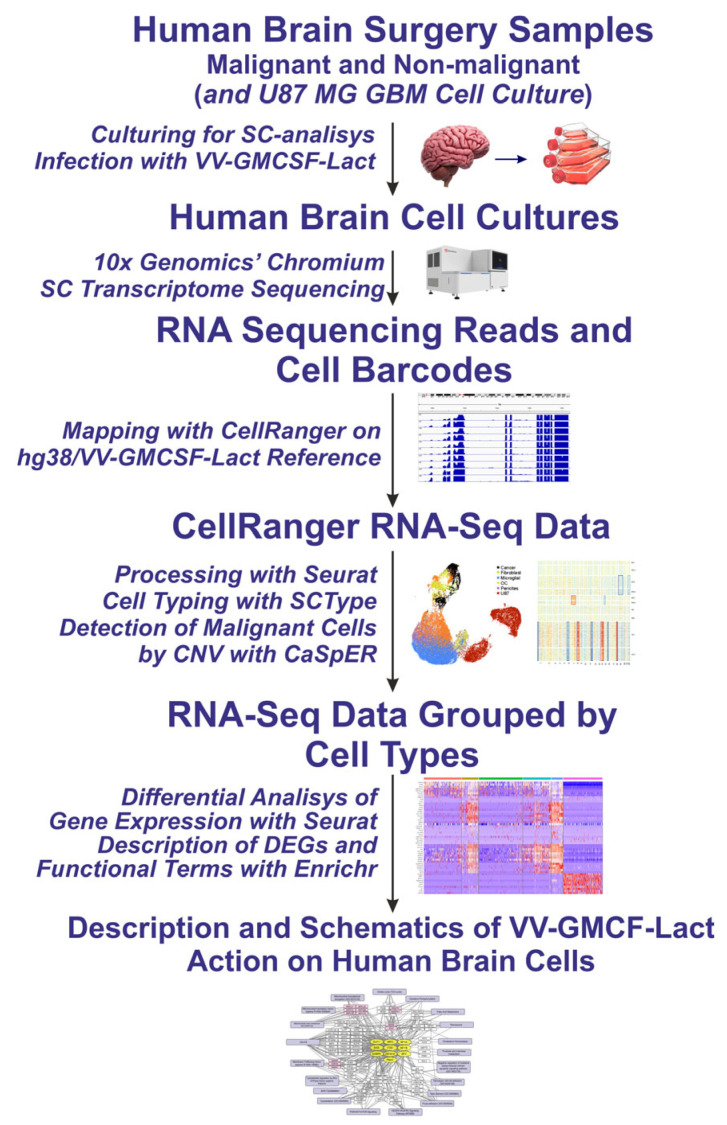 Figure 1
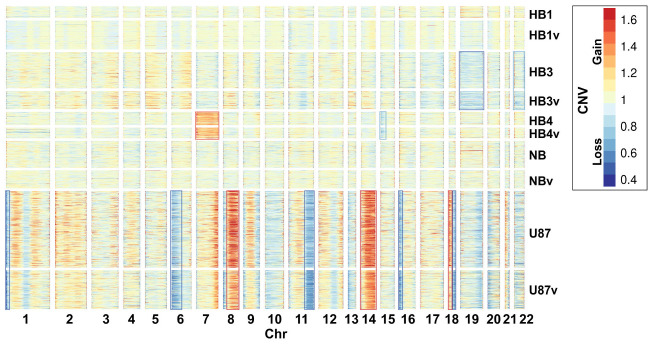 Figure 2
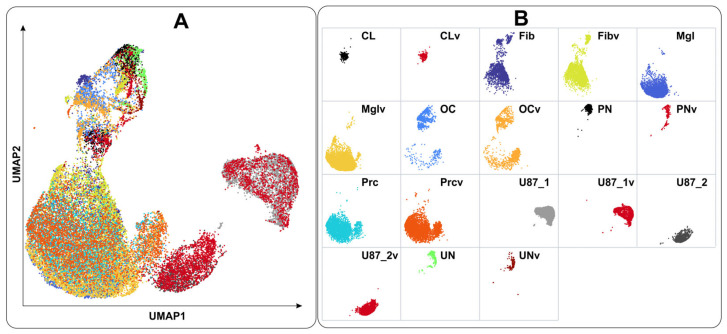 Figure 3
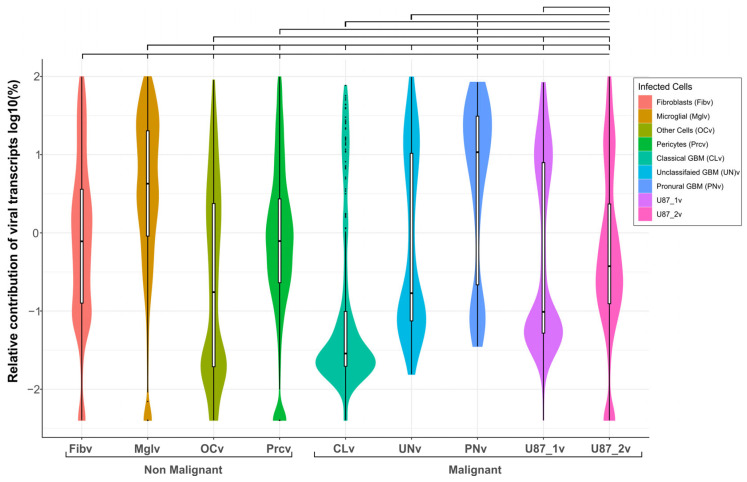 Figure 4
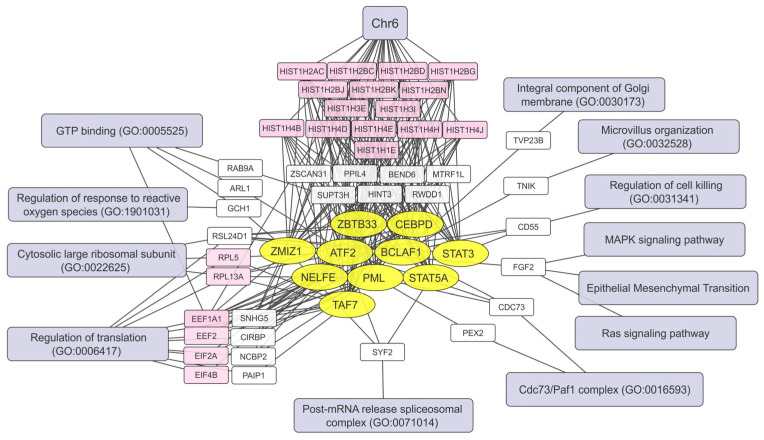 Figure 5
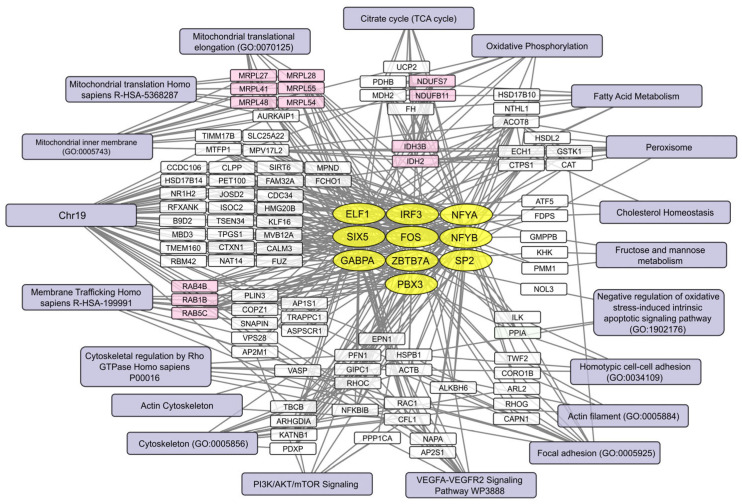 Figure 6
Peer Reviews
No public reviews on file for this paper yet. If you reviewed it on a platform where reviews are public (OpenReview, ICLR, NeurIPS, ICML), you can paste yours below so the community can read it here.
Videos
No videos yet. Explain this paper in a talk, walkthrough, or lecture? Add one.
Taxonomy
TopicsVirus-based gene therapy research · interferon and immune responses · CRISPR and Genetic Engineering