Individual Differences in Strategy and the Item-Position Effect in Reasoning Ability Measures
Helene M. von Gugelberg, Stefan J. Troche

TL;DR
People use different strategies when solving reasoning problems, and these strategies change as the test progresses.
Contribution
The study introduces a new perspective on how strategy use correlates with the item-position effect, not just reasoning ability.
Findings
Constructive matching is positively correlated with reasoning ability.
Strategy use changes with item position, showing diverging patterns across eye-tracking metrics.
Including the item-position effect reveals nuanced problem-solving behavior.
Abstract
Despite the high similarity of reasoning ability items, research indicates that individuals apply different strategies when solving them. The two distinct strategies are response elimination and constructive matching. The latter, frequently showing a positive correlation with reasoning ability, entails the individual systematically investigating the presented problem matrix of an item before scanning the response alternatives. To further understand the sources of individual differences in strategy use during test taking, three different eye-tracking metrics were investigated in participants (N = 210) solving the Raven’s Advanced Progressive Matrices (APM). Relying on the fixed-links modeling approach, bifactor models were fit to the data. The latent model approach revealed, in line with other research, a positive correlation between reasoning ability and constructive matching. The…
Genes, proteins, chemicals, diseases, species, mutations and cell lines named across the full text — each resolved to its canonical identifier and authoritative record.
Click any figure to enlarge with its caption.
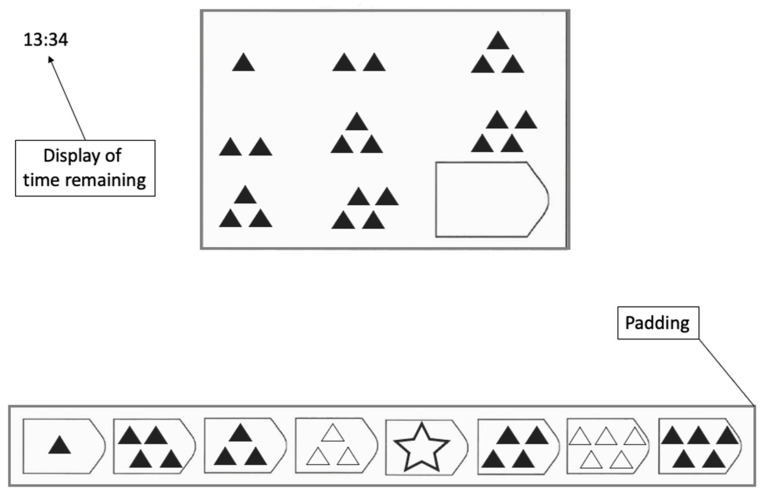 Figure 1
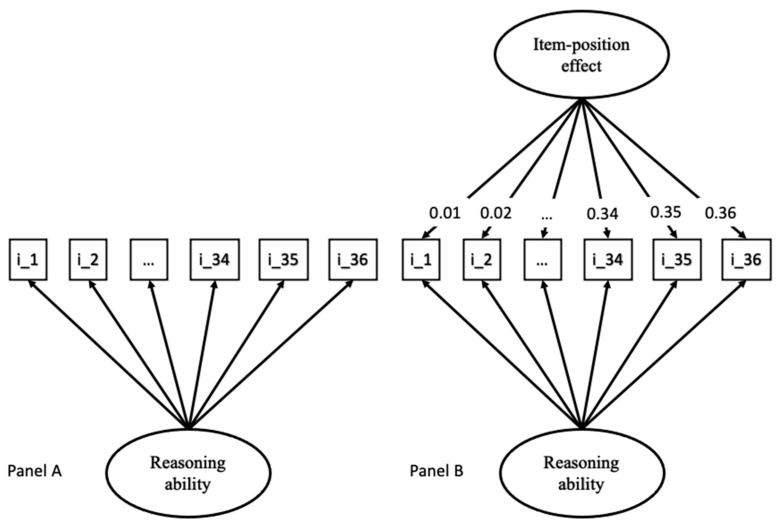 Figure 2
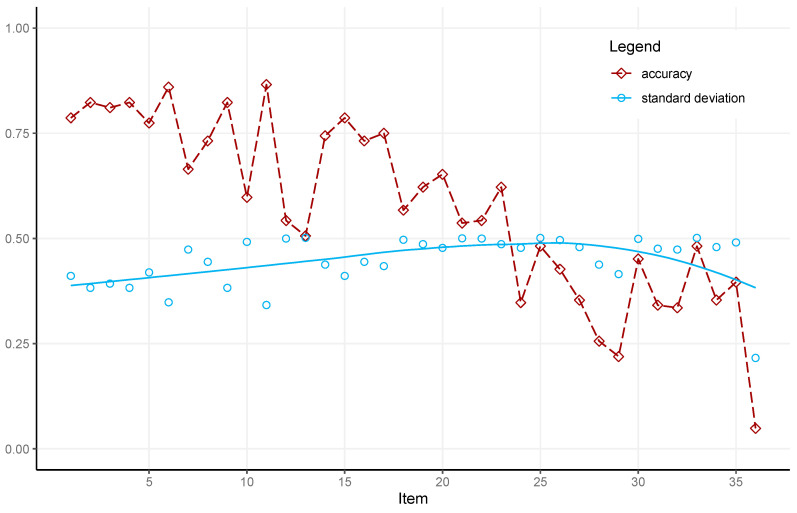 Figure 3
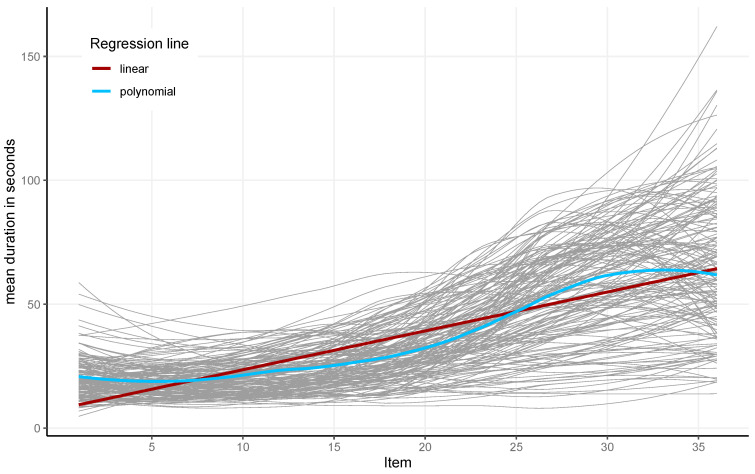 Figure 4
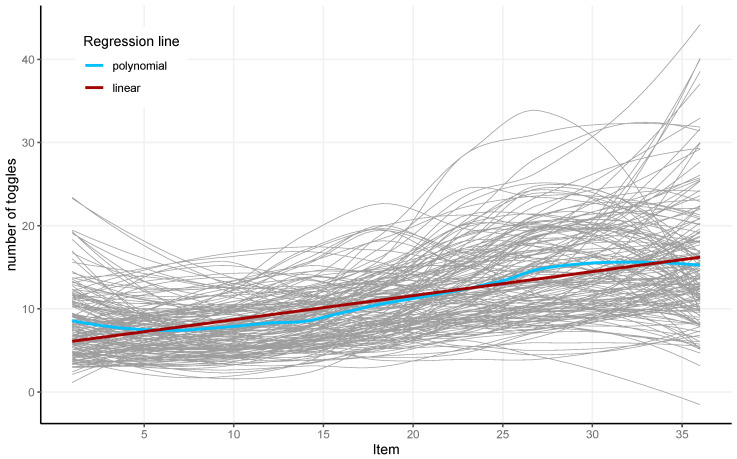 Figure 5
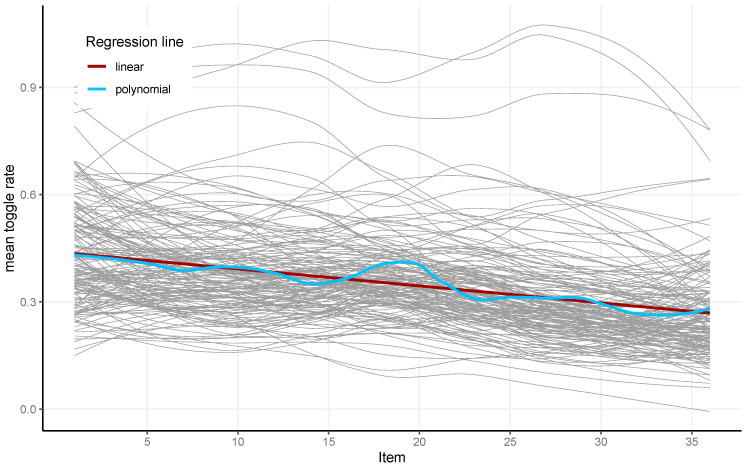 Figure 6
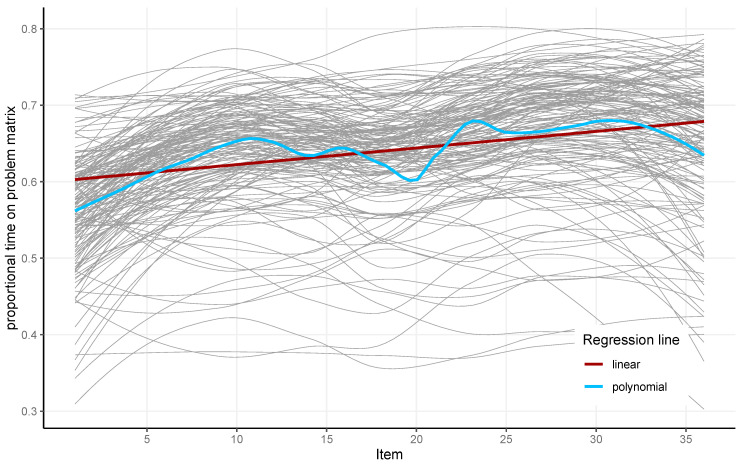 Figure 7
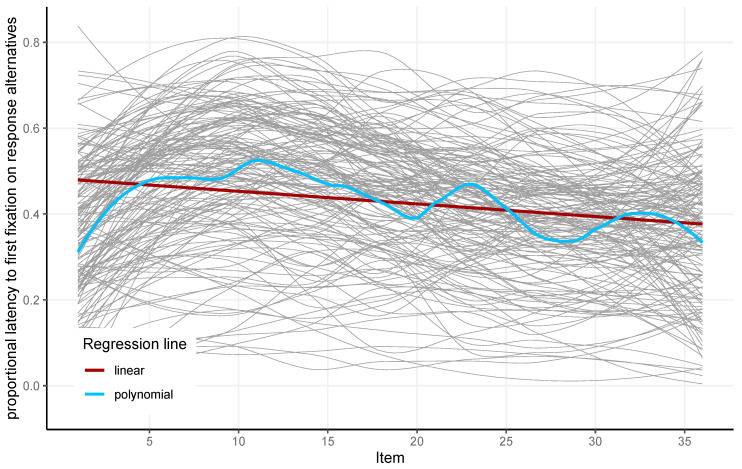 Figure 8
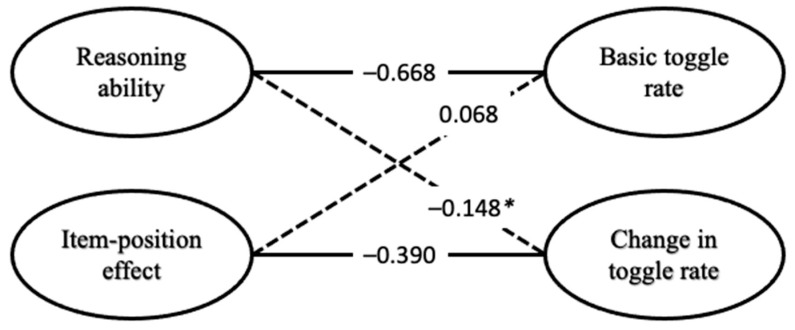 Figure 9
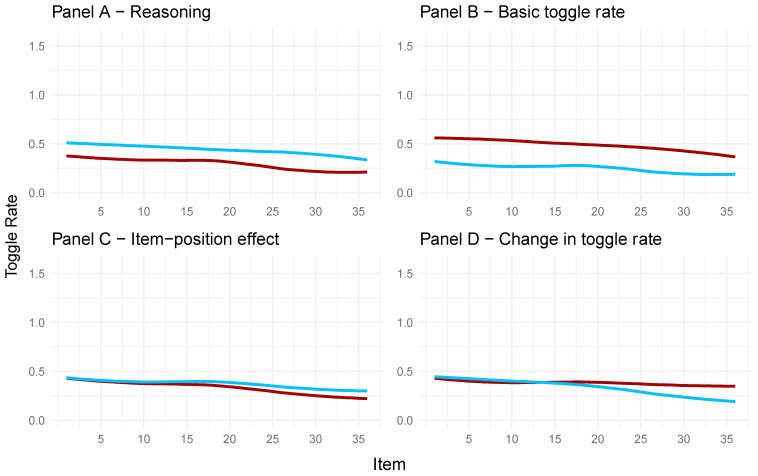 Figure 10
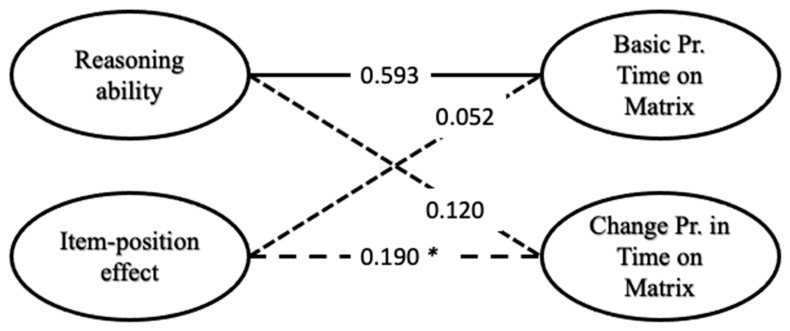 Figure 11
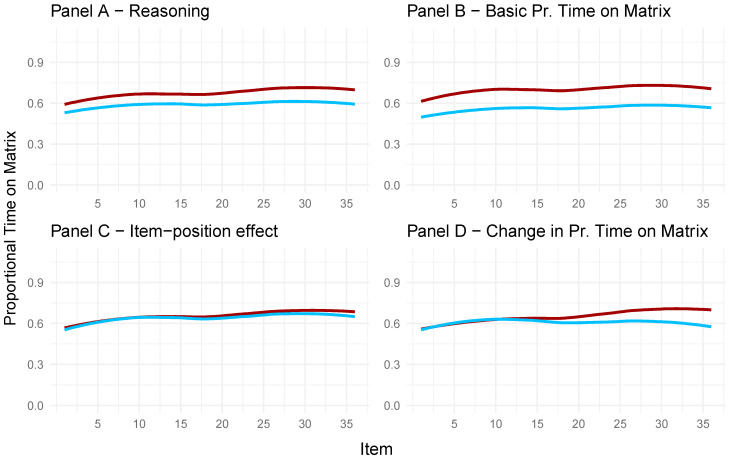 Figure 12
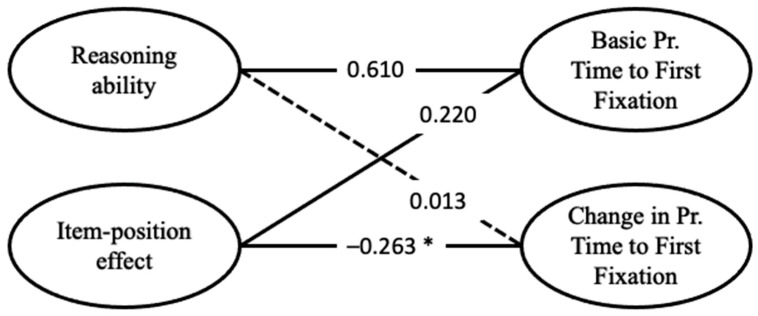 Figure 13
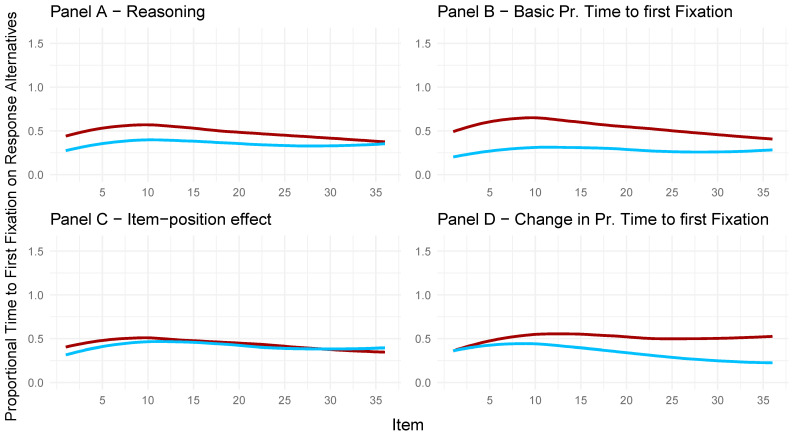 Figure 14
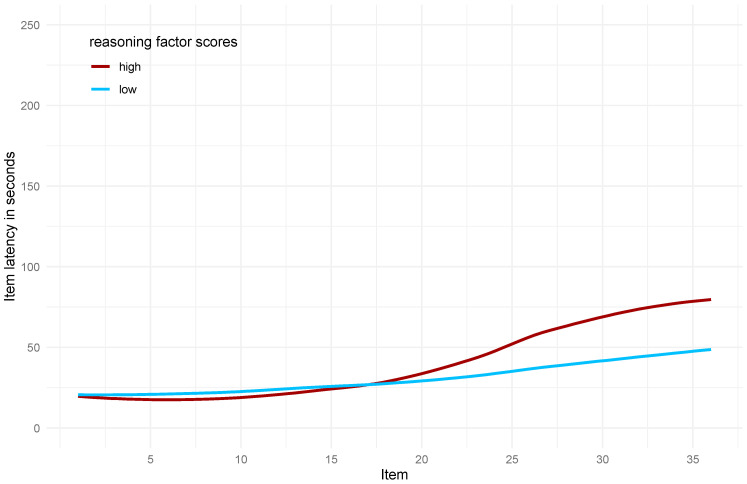 Figure 15
Peer Reviews
No public reviews on file for this paper yet. If you reviewed it on a platform where reviews are public (OpenReview, ICLR, NeurIPS, ICML), you can paste yours below so the community can read it here.
Videos
No videos yet. Explain this paper in a talk, walkthrough, or lecture? Add one.
Taxonomy
TopicsCognitive Abilities and Testing · Cognitive Science and Mapping · Education, Achievement, and Giftedness