Total Synthesis of (+)-Penicyclone A and Evaluation of Biological Activity Including Intermediate Compounds
Mirko Duvnjak, Gregor Talajić, Jurica Baranašić, Nea Baus Topić, Hana Čipčić Paljetak, Nikola Cindro

TL;DR
Scientists synthesized a natural compound called Penicyclone A and found that its mirror-image version might be the active form.
Contribution
The study clarifies the correct enantiomer of Penicyclone A and evaluates the biological activity of both enantiomers and their intermediates.
Findings
The synthetic compound lacked antimicrobial activity, suggesting the natural product may be the opposite enantiomer.
The antipodal enantiomer was synthesized and tested for antibacterial and cytotoxic effects.
Biological activity was evaluated for both enantiomers and selected intermediates.
Abstract
Penicyclone A is a polyketide compound with a unique and intriguing structure recently isolated from the fungus Penicillium sp. F23-2 during an OSMAC (one-strain-many-compounds) campaign. The compound demonstrated significant antimicrobial activity without exhibiting any cytotoxic effects, which prompted us to pursue total synthesis of the reported enantiomer. Upon completion of the synthesis, we observed that our synthetic compound lacked antimicrobial activity. Further analysis suggested that the natural product may have, in fact, been the opposite enantiomer to that reported. This observation led us to synthesize the antipodal enantiomer using our previously developed synthetic sequence and to evaluate the biological activity (via antibacterial and cytotoxicity assays) of both the final compound and the selected intermediates from both enantiomeric series.
Genes, proteins, chemicals, diseases, species, mutations and cell lines named across the full text — each resolved to its canonical identifier and authoritative record.
Click any figure to enlarge with its caption.
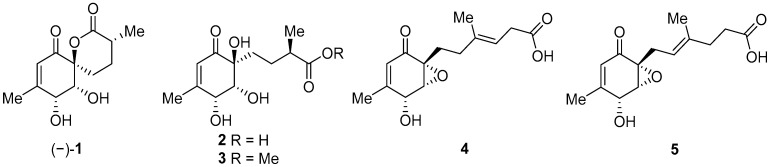 Figure 1
 Figure 2
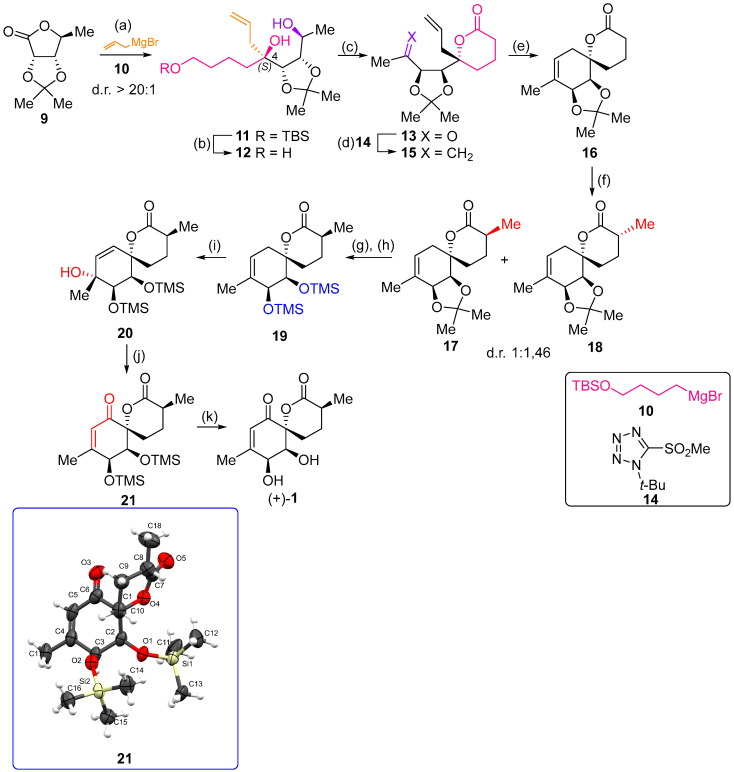 Figure 3
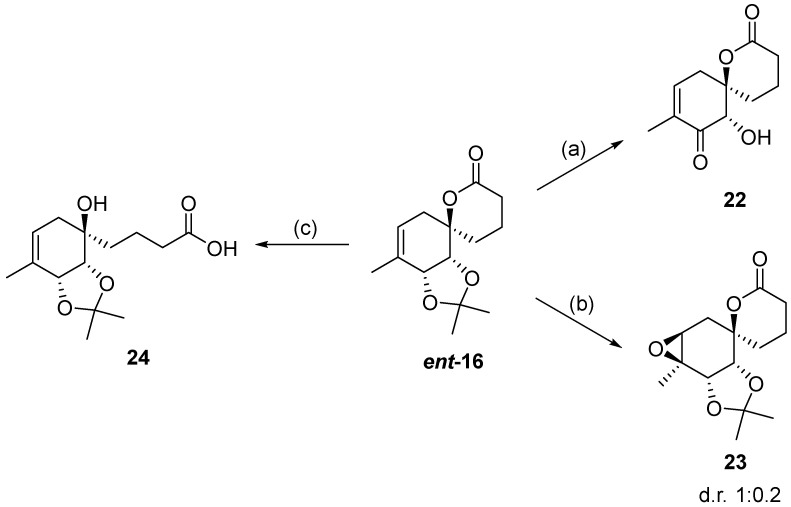 Figure 4
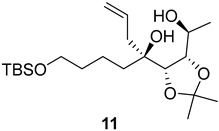 Figure 5
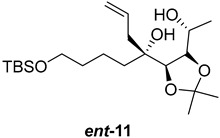 Figure 6
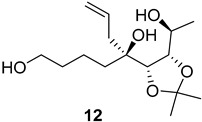 Figure 7
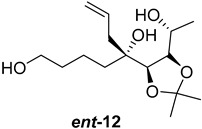 Figure 8
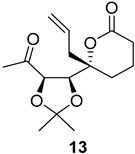 Figure 9
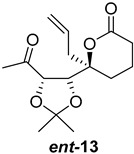 Figure 10
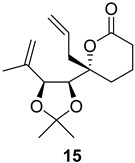 Figure 11
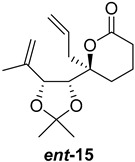 Figure 12
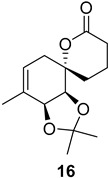 Figure 13
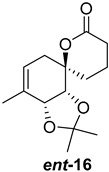 Figure 14
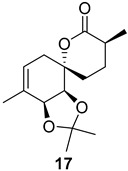 Figure 15
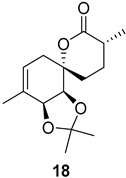 Figure 16
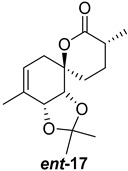 Figure 17
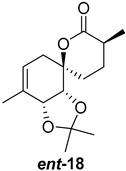 Figure 18
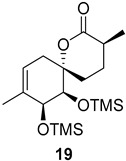 Figure 19
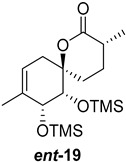 Figure 20
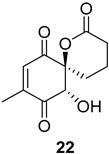 Figure 21
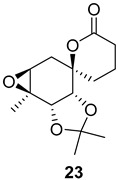 Figure 22
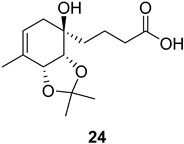 Figure 23
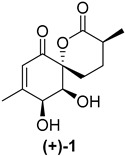 Figure 24
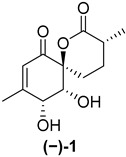 Figure 25
Peer Reviews
No public reviews on file for this paper yet. If you reviewed it on a platform where reviews are public (OpenReview, ICLR, NeurIPS, ICML), you can paste yours below so the community can read it here.
Videos
No videos yet. Explain this paper in a talk, walkthrough, or lecture? Add one.
Taxonomy
TopicsMicrobial Natural Products and Biosynthesis · Synthetic Organic Chemistry Methods · Chemical synthesis and alkaloids