Gelling Characteristics and Mechanisms of Heat-Triggered Soy Protein Isolated Gels Incorporating Curdlan with Different Helical Conformations
Pei-Wen Long, Shi-Yong Liu, Yi-Xin Lin, Lin-Feng Mo, Yu Wu, Long-Qing Li, Le-Yi Pan, Ming-Yu Jin, Jing-Kun Yan

TL;DR
This study shows how curdlan with a triple-helix structure improves the gelling properties of soy protein isolate when heated.
Contribution
The novel contribution is identifying that triple-helix curdlan enhances soy protein gel properties more effectively than other helical forms.
Findings
Triple-helix curdlan significantly improves gel strength, water-holding capacity, and thermal stability of soy protein gels.
The triple-helix structure promotes a denser and more uniform microstructure in the composite gels.
Stronger hydrogen bonding between triple-helix curdlan and soy proteins enhances network formation.
Abstract
This study investigated the effects of curdlan (CUR) with different helical conformations on the gelling behavior and mechanisms of heat-induced soy protein isolate (SPI) gels. The results demonstrated that CUR significantly improved the functional properties of SPI gels, including water-holding capacity (0.31–5.06% increase), gel strength (7.01–240.51% enhancement), textural properties, viscoelasticity, and thermal stability. The incorporation of CUR facilitated the unfolding and cross-linking of SPI molecules, leading to enhanced network formation. Notably, SPI composite gels containing CUR with an ordered triple-helix bundled structure exhibited superior gelling performance compared to other helical conformations, characterized by a more compact and uniform microstructure. This improvement was attributed to stronger hydrogen bonding interactions between the triple-helix CUR and SPI…
Genes, proteins, chemicals, diseases, species, mutations and cell lines named across the full text — each resolved to its canonical identifier and authoritative record.
Click any figure to enlarge with its caption.
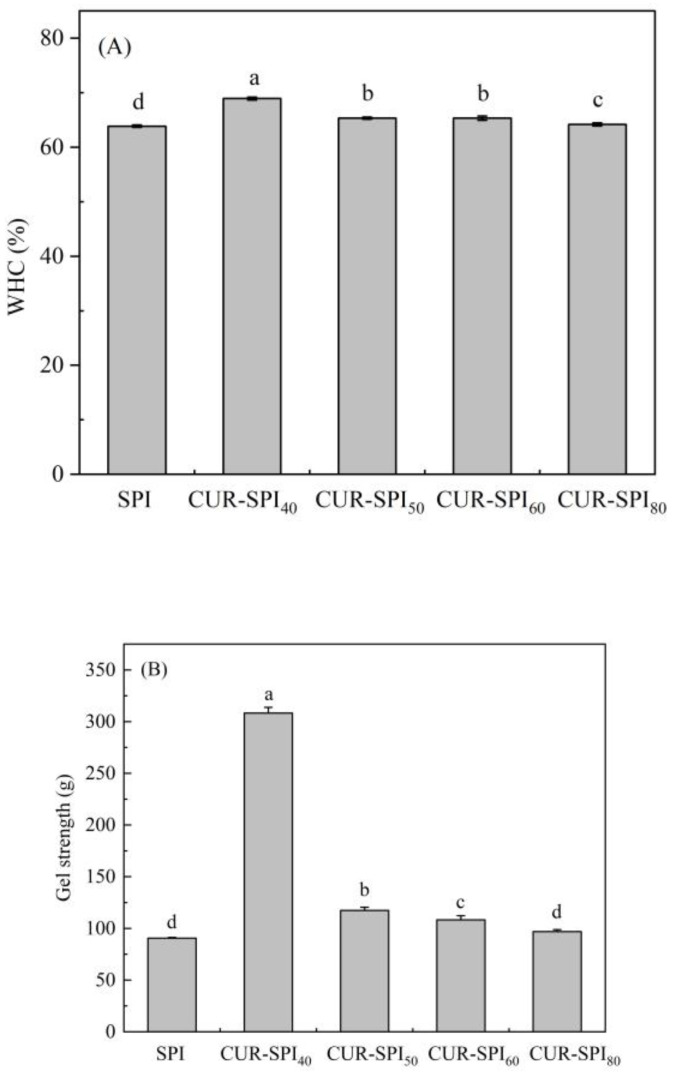 Figure 1
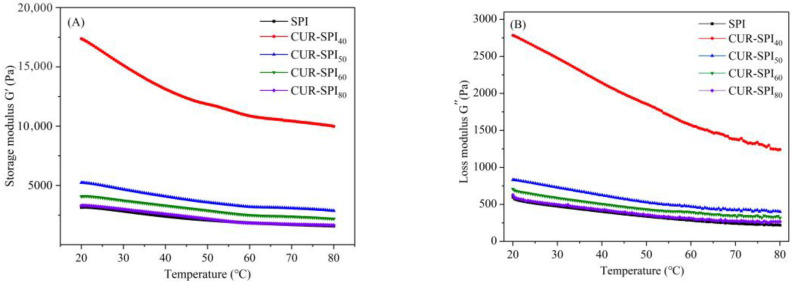 Figure 2
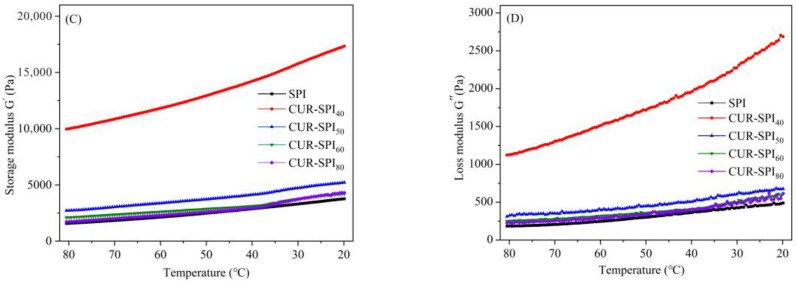 Figure 3
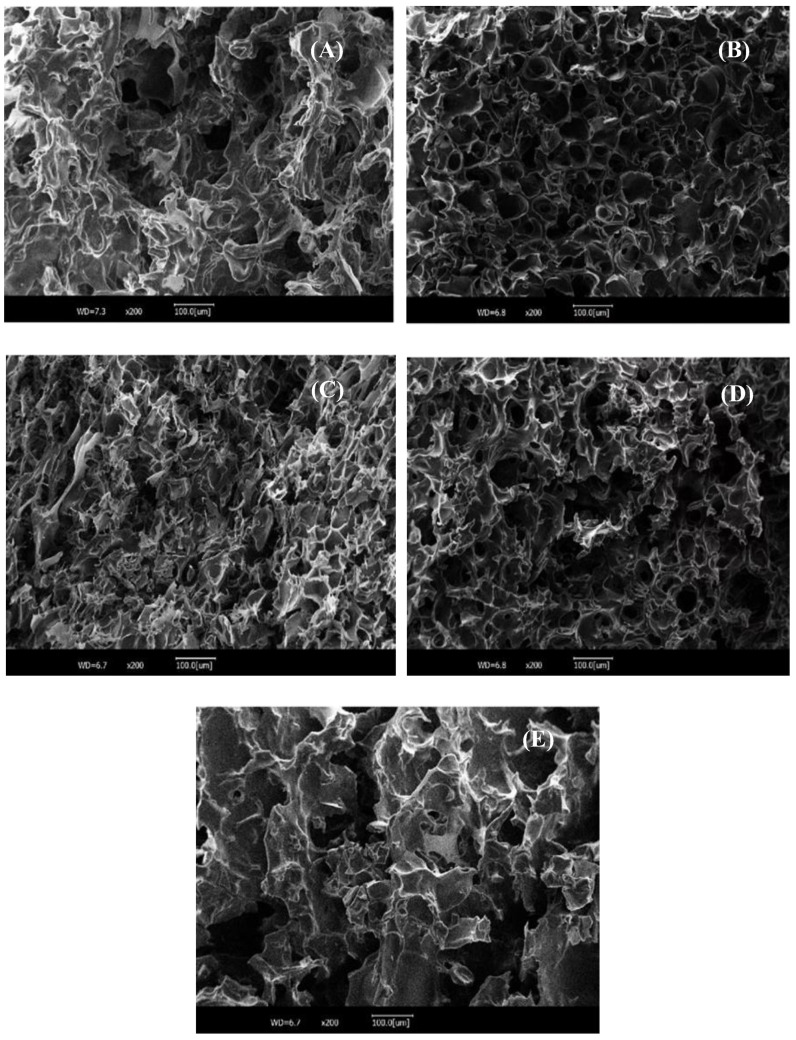 Figure 4
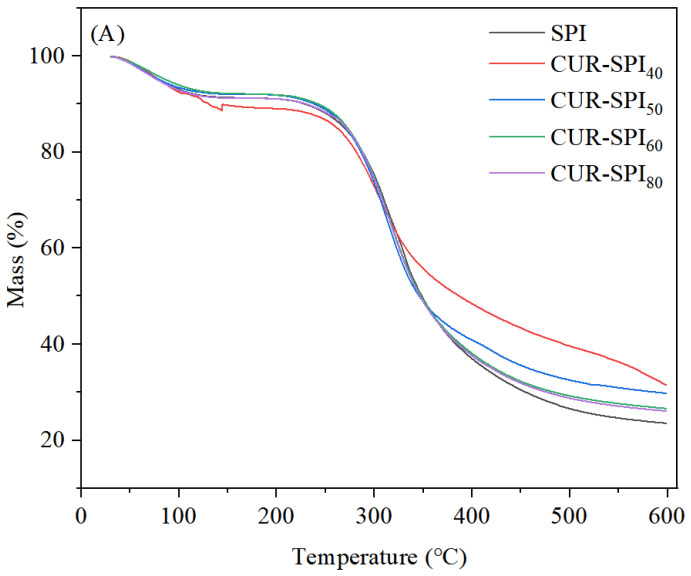 Figure 5
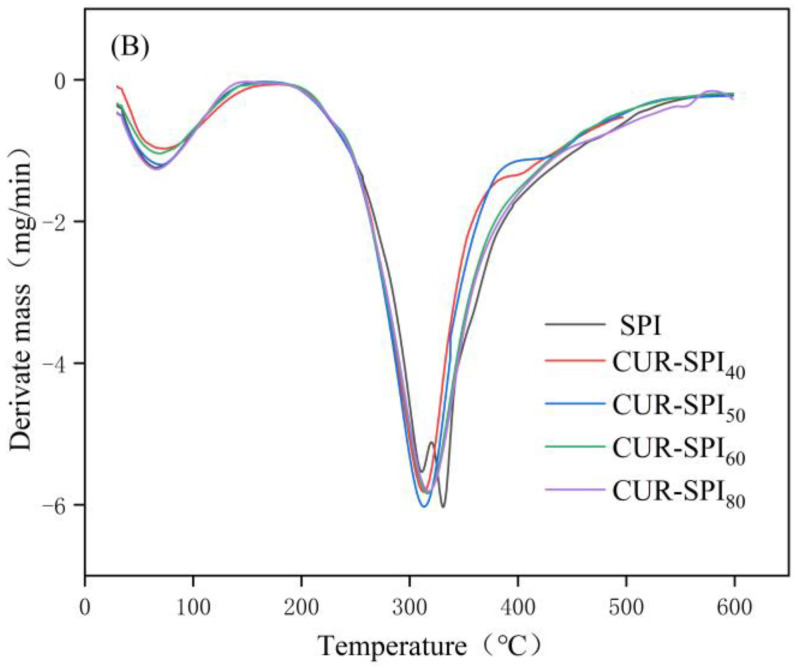 Figure 6
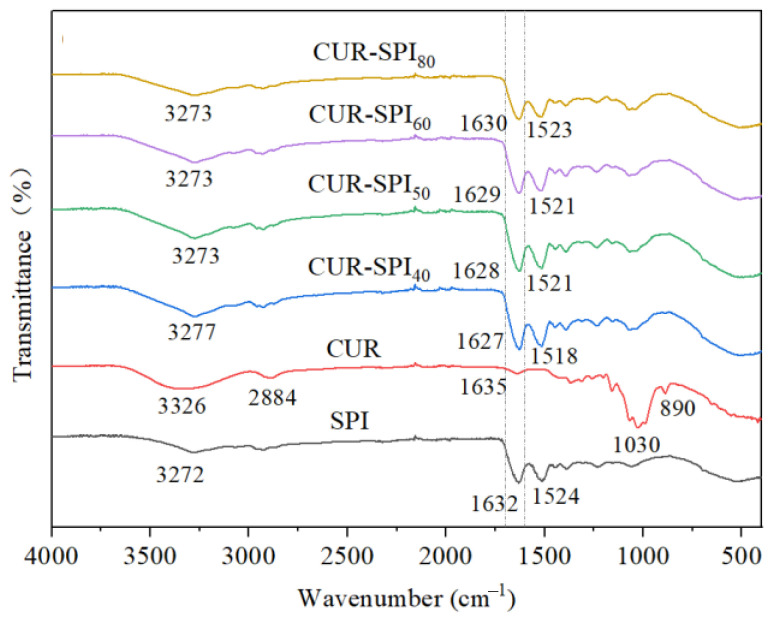 Figure 7
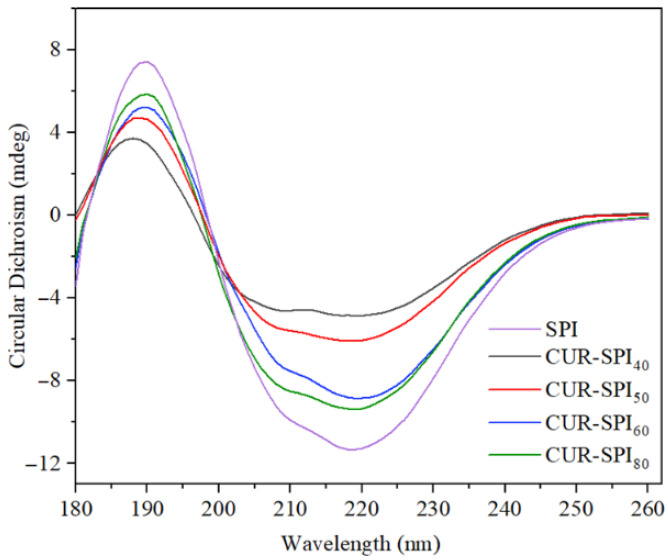 Figure 8
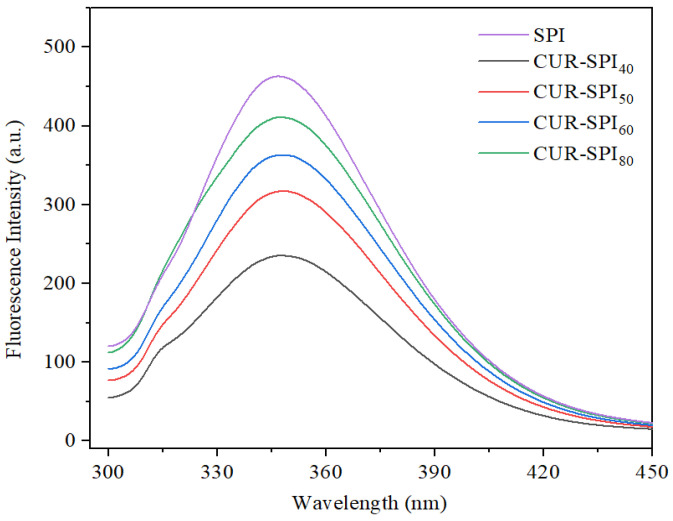 Figure 9
Peer Reviews
No public reviews on file for this paper yet. If you reviewed it on a platform where reviews are public (OpenReview, ICLR, NeurIPS, ICML), you can paste yours below so the community can read it here.
Videos
No videos yet. Explain this paper in a talk, walkthrough, or lecture? Add one.
Taxonomy
TopicsProteins in Food Systems · Polysaccharides Composition and Applications · Polysaccharides and Plant Cell Walls