The Twisting and Untwisting of Actin and Tropomyosin Filaments Are Involved in the Molecular Mechanisms of Muscle Contraction, and Their Disruption Can Result in Muscle Disorders
Yurii S. Borovikov, Maria V. Tishkova, Stanislava V. Avrova, Vladimir V. Sirenko, Olga E. Karpicheva

TL;DR
Muscle contraction involves twisting and untwisting of actin and tropomyosin filaments, and disruptions in this process can lead to muscle disorders.
Contribution
The study reveals how dynamic twisting of actin and tropomyosin filaments contributes to muscle contraction and how mutations can impair this mechanism.
Findings
At low Ca2+, troponin causes actin overtwisting, blocking myosin binding.
Rising Ca2+ levels untwist actin while overtwisting tropomyosin, enabling myosin binding.
Mutations in tropomyosin disrupt filament responses to Pi release, affecting muscle function.
Abstract
Polarized fluorescence microscopy of “ghost” muscle fibers, containing fluorescently labeled F-actin, tropomyosin, and myosin, has provided new insights into the molecular mechanisms underlying muscle contraction. At low Ca2+, the troponin-induced overtwisting of the actin filament alters the configuration of myosin binding sites, preventing actin–myosin interactions. As Ca2+ levels rise, the actin filament undergoes untwisting, while tropomyosin becomes overtwisted, facilitating the binding of myosin to actin. In the weakly bound state, myosin heads greatly increase both the internal twist and the bending stiffness of actin filaments, accompanied by the untwisting of tropomyosin. Following phosphate (Pi) release, myosin induces the untwisting of overtwisted actin filaments, driving thin-filament sliding relative to the thick filament during force generation. Point mutations in…
Genes, proteins, chemicals, diseases, species, mutations and cell lines named across the full text — each resolved to its canonical identifier and authoritative record.
Click any figure to enlarge with its caption.
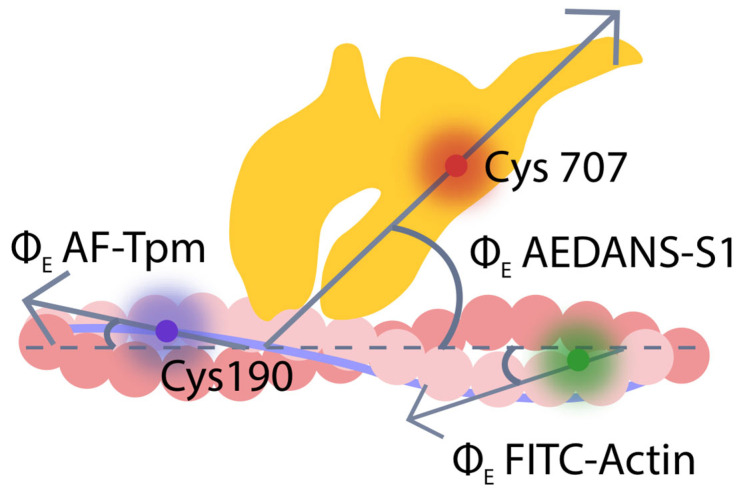 Figure 1
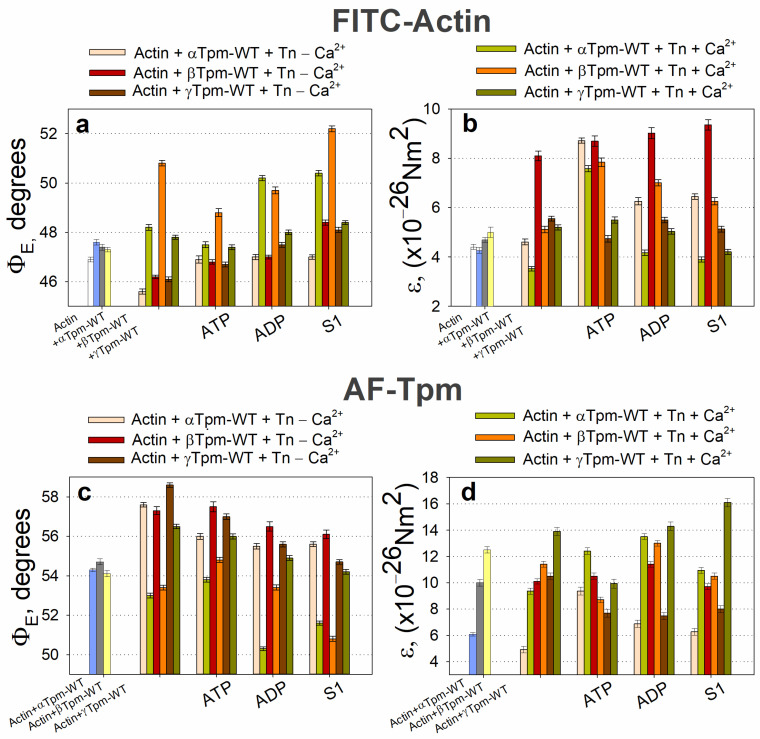 Figure 2
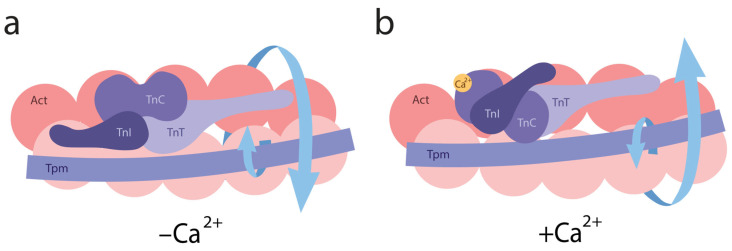 Figure 3
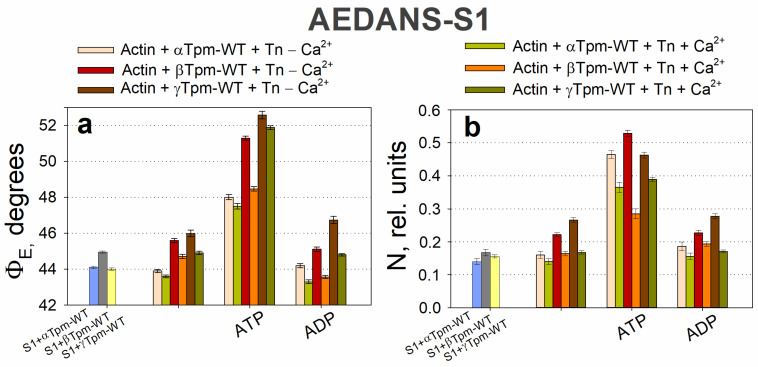 Figure 4
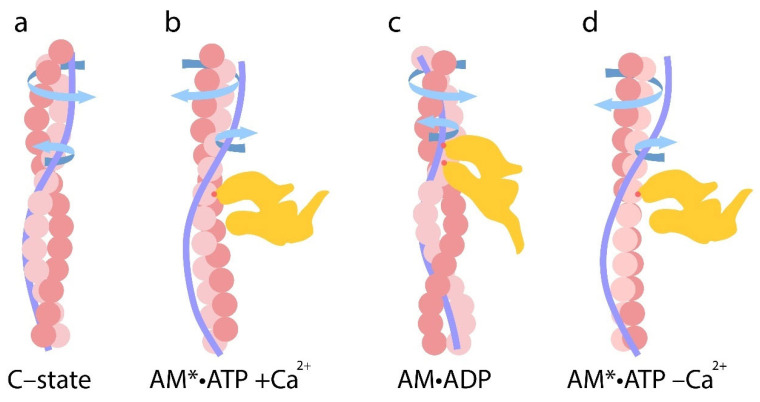 Figure 5
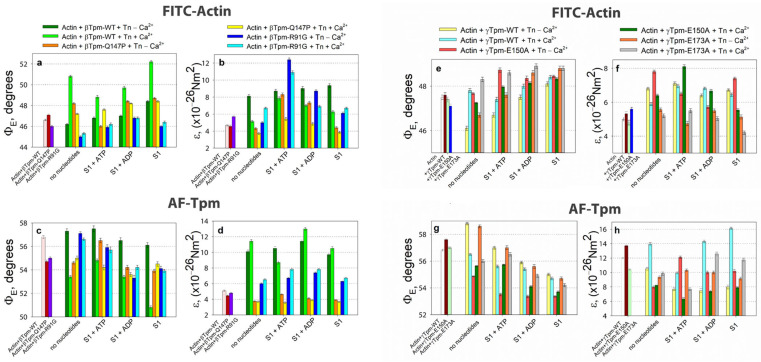 Figure 6
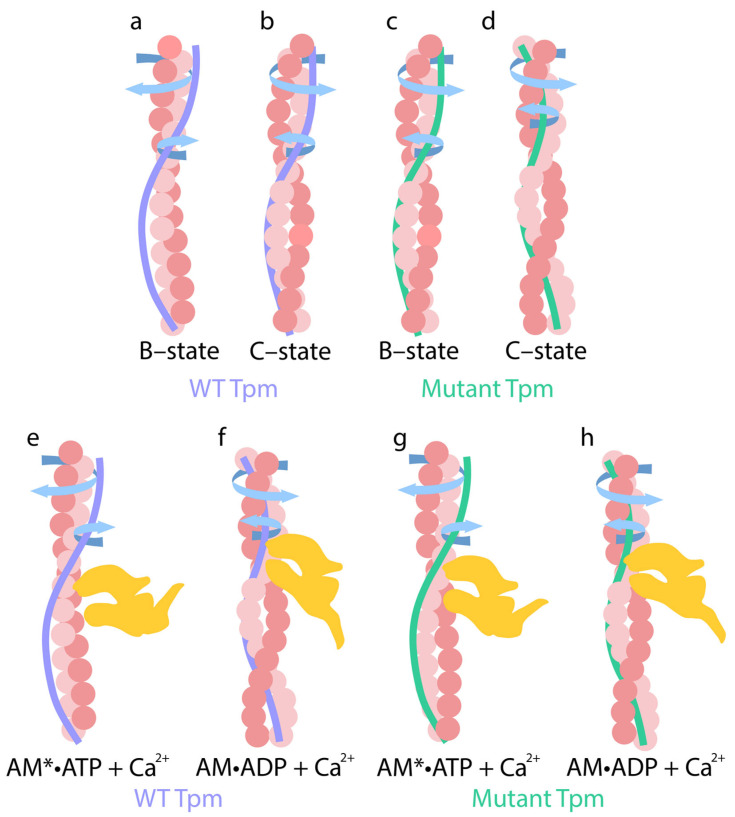 Figure 7
 Figure 8
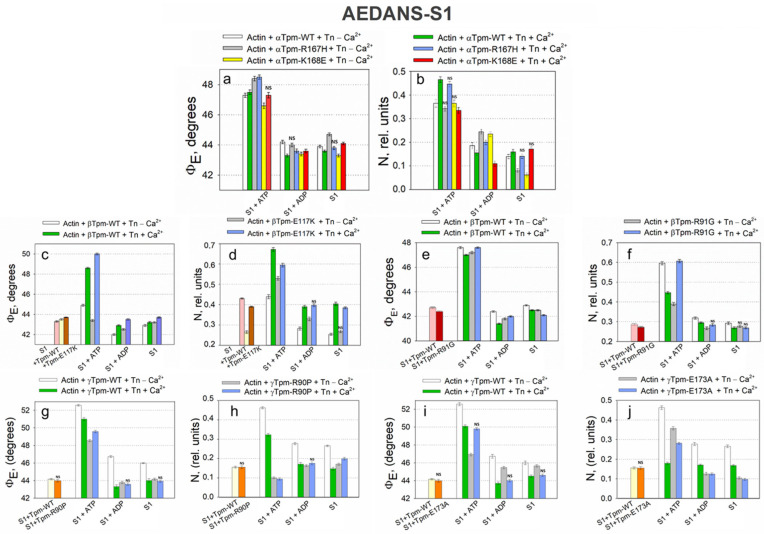 Figure 9
Peer Reviews
No public reviews on file for this paper yet. If you reviewed it on a platform where reviews are public (OpenReview, ICLR, NeurIPS, ICML), you can paste yours below so the community can read it here.
Videos
No videos yet. Explain this paper in a talk, walkthrough, or lecture? Add one.
Taxonomy
TopicsCardiomyopathy and Myosin Studies · Muscle Physiology and Disorders · Cardiovascular Effects of Exercise