Cord Blood Exosomal miRNAs from Small-for-Gestational-Age Newborns: Association with Measures of Postnatal Catch-Up Growth and Insulin Resistance
Marta Díaz, Tania Quesada-López, Francesc Villarroya, Abel López-Bermejo, Francis de Zegher, Lourdes Ibáñez, Paula Casano-Sancho

TL;DR
Cord blood miRNAs in SGA infants differ from AGA infants and are linked to later growth patterns and insulin resistance.
Contribution
Identified exosomal miRNAs at birth that associate with postnatal catch-up growth and metabolic outcomes in SGA infants.
Findings
SGA infants showed distinct exosomal miRNA profiles compared to AGA infants.
Selected miRNAs correlated with changes in BMI, fat mass, and lean mass during infancy.
Target genes of these miRNAs are involved in insulin and metabolic signaling pathways.
Abstract
Small-for-gestational-age (SGA) infants who experience a marked postnatal catch-up, mainly in weight, are at risk for developing metabolic disorders; however, the underlying mechanisms are imprecise. Exosomes and their cargo (including miRNAs) mediate intercellular communication and may contribute to altered crosstalk among tissues. We assessed the miRNA profile in cord blood-derived exosomes from 10 appropriate-for-gestational-age (AGA) and 10 SGA infants by small RNA sequencing; differentially expressed miRNAs with a fold change ≥2.4 were validated by RT-qPCR in 40 AGA and 35 SGA infants and correlated with anthropometric, body composition (DXA) and endocrine–metabolic parameters at 4 and 12 mo. miR-1-3p, miR-133a-3p and miR-206 were down-regulated, whereas miR-372-3p, miR-519d-3p and miR-1299 were up-regulated in SGA infants. The target genes of these miRNAs related to insulin, RAP1,…
Genes, proteins, chemicals, diseases, species, mutations and cell lines named across the full text — each resolved to its canonical identifier and authoritative record.
Click any figure to enlarge with its caption.
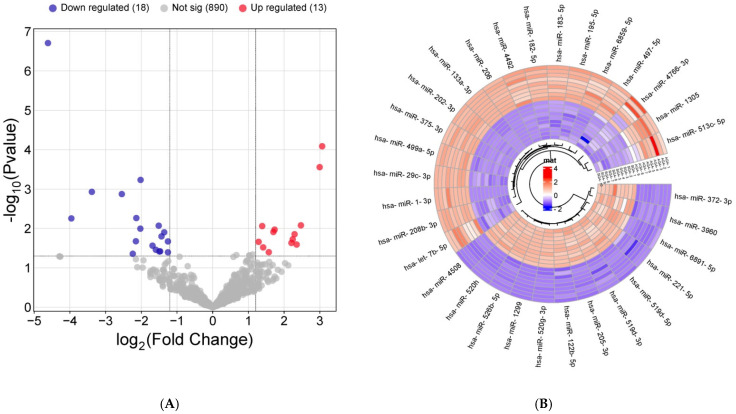 Figure 1
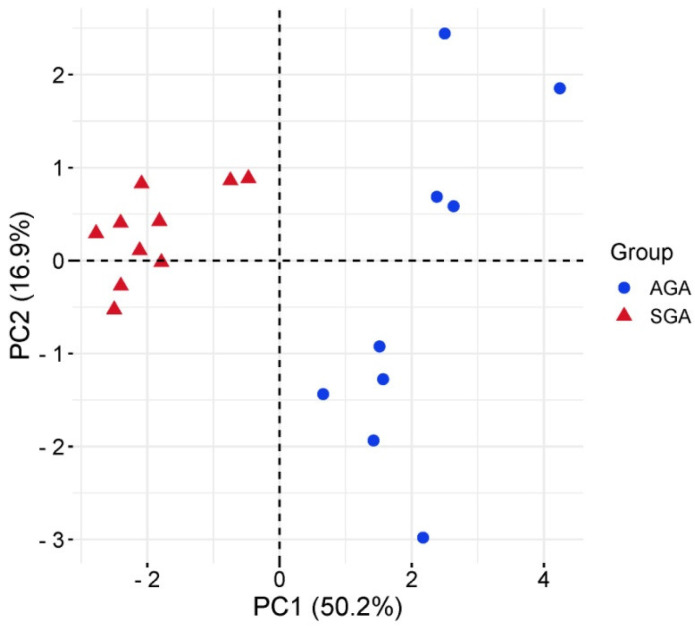 Figure 2
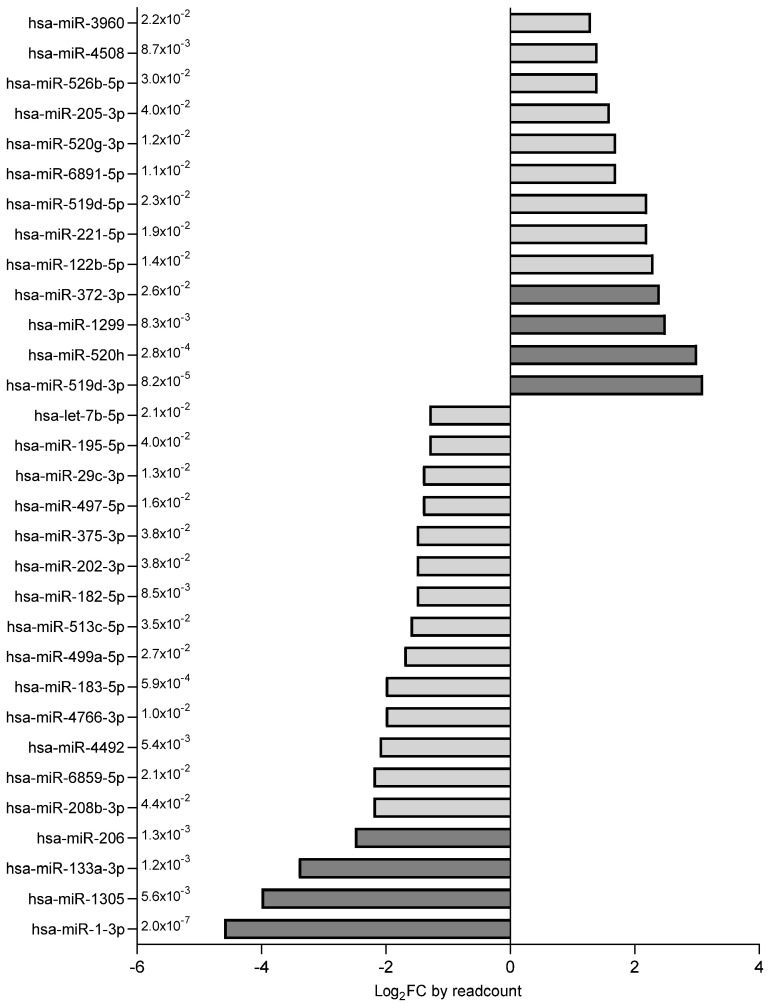 Figure 3
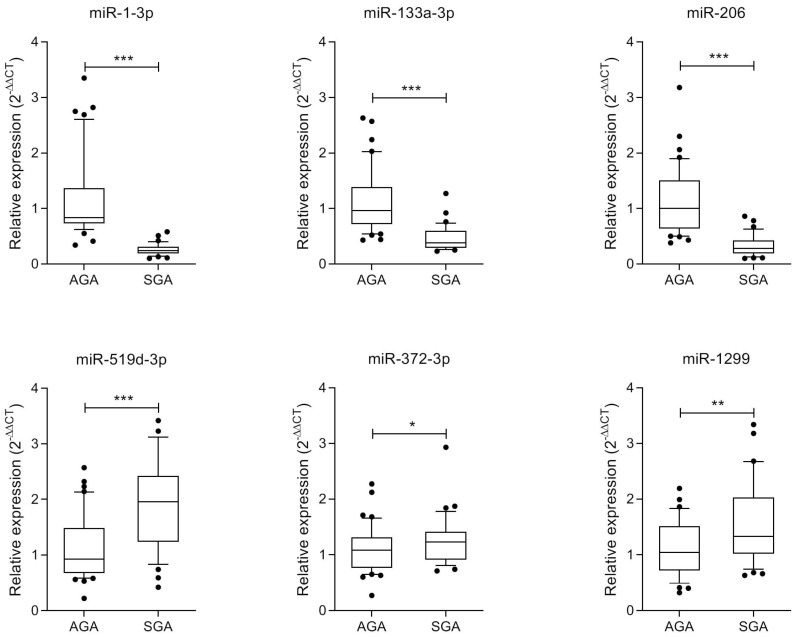 Figure 4
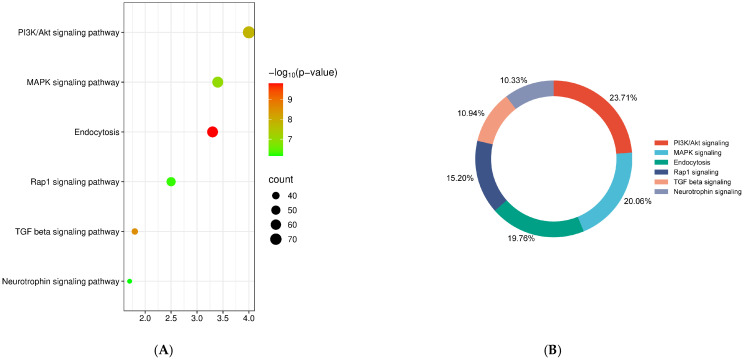 Figure 5
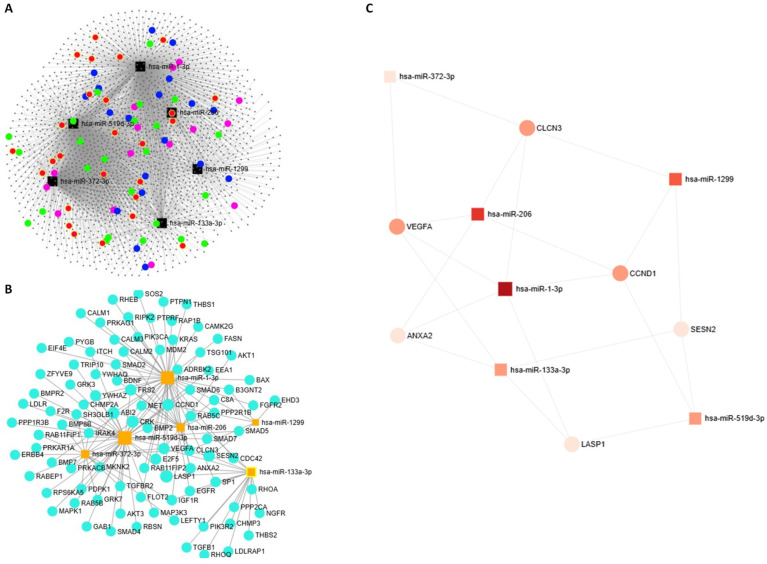 Figure 6
Peer Reviews
No public reviews on file for this paper yet. If you reviewed it on a platform where reviews are public (OpenReview, ICLR, NeurIPS, ICML), you can paste yours below so the community can read it here.
Videos
No videos yet. Explain this paper in a talk, walkthrough, or lecture? Add one.
Taxonomy
TopicsExtracellular vesicles in disease · MicroRNA in disease regulation · Circular RNAs in diseases