Photodynamic Activation of a Novel Chlorophyll-Enriched Green Propolis Compound Triggers Apoptosis in Renal Cell Carcinoma
Yao-Kuan Chen, Hui-Min Chiu, Shin-Yi Huang, Ta-Chun Liu, Daniel Tzu-Hsuan Chen

TL;DR
A new chlorophyll-rich compound from green propolis, when activated by daylight, shows enhanced cancer-killing effects in kidney cancer cells.
Contribution
A novel chlorophyll-enriched green propolis compound is developed and shown to synergistically induce apoptosis in RCC cells via photodynamic activation.
Findings
The compound's EC50 decreased from 3.027 µL to 1.728 µL with daylight-mediated PDT, showing synergistic efficacy.
Daylight-activated PDT significantly reduced cell viability in RCC 786-O cells compared to non-treated controls.
Artepillin C was identified as the major constituent of the compound via HPLC analysis.
Abstract
Renal cell carcinoma (RCC) presents significant therapeutic challenges due to its resistance to conventional treatments. Natural compounds with photodynamic properties, such as chlorophyll derivatives, offer potential for novel interventions. This study investigates the apoptotic effects of a chlorophyll-enriched green propolis compound activated by daylight-mediated photodynamic therapy (PDT) on RCC cells. A novel compound formulated from standardized ethanol extracts of Taiwanese green propolis, wheatgrass, and mulberry leaves was characterized using high-performance liquid chromatography (HPLC). Human RCC 786-O cells were treated with varying concentrations of the compound, with or without daylight PDT (570 nm). Cell viability was assessed via MTT assay, and median effective concentrations (EC50) were calculated. HPLC analysis identified Artepillin C as the major constituent. The…
Genes, proteins, chemicals, diseases, species, mutations and cell lines named across the full text — each resolved to its canonical identifier and authoritative record.
Click any figure to enlarge with its caption.
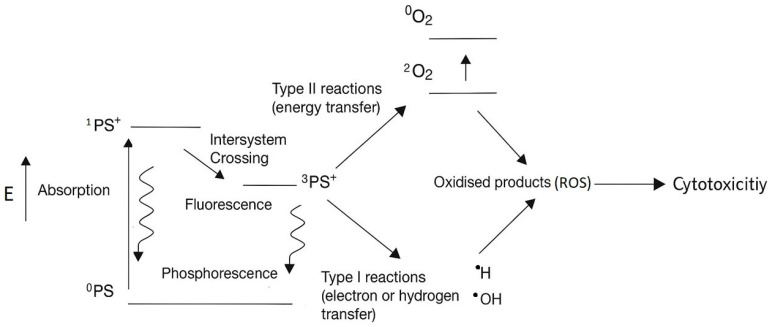 Figure 1
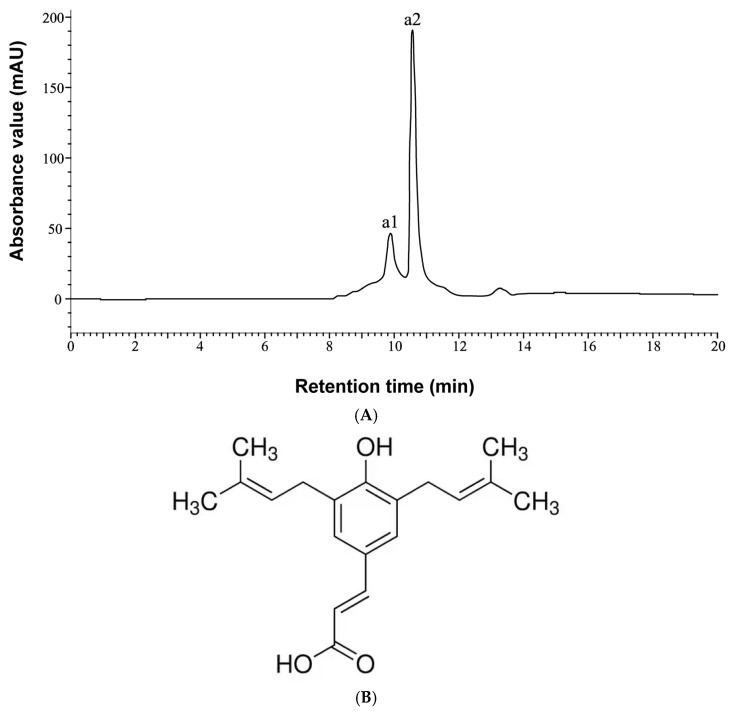 Figure 2
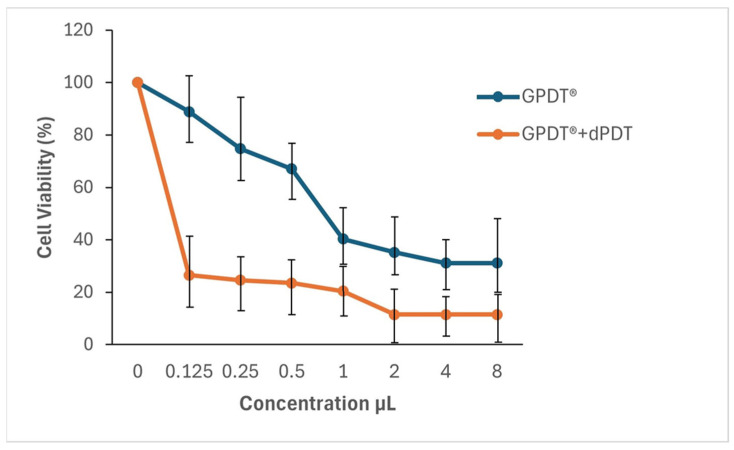 Figure 3
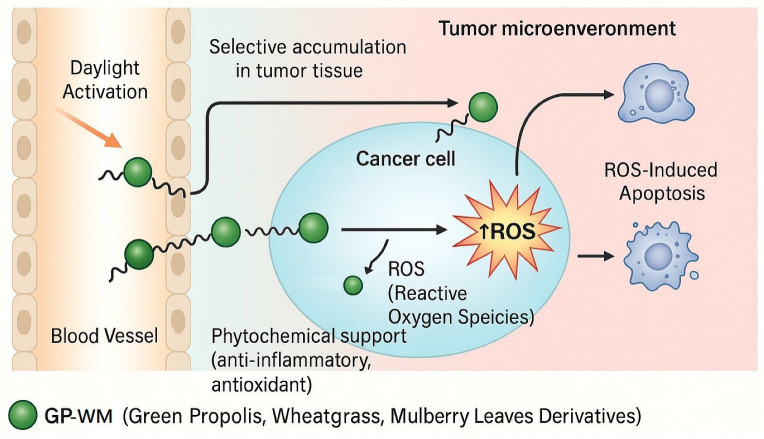 Figure 4
Peer Reviews
No public reviews on file for this paper yet. If you reviewed it on a platform where reviews are public (OpenReview, ICLR, NeurIPS, ICML), you can paste yours below so the community can read it here.
Videos
No videos yet. Explain this paper in a talk, walkthrough, or lecture? Add one.
Taxonomy
TopicsBee Products Chemical Analysis · Essential Oils and Antimicrobial Activity · Insect and Pesticide Research