Ceramide Synthase 2 Promotes Cardiac Very-Long-Chain Dihydroceramide Accumulation and Is Linked to Arrhythmias and Heart Failure in Humans
Linda Andersson, Mathieu Cinato, Elias Björnson, Annika Lundqvist, Azra Miljanovic, Marcus Henricsson, Per-Olof Bergh, Martin Adiels, Anders Jeppsson, Jan Borén, Malin C. Levin

TL;DR
This study shows that a specific enzyme, Ceramide Synthase 2, contributes to dangerous lipid buildup in heart cells during low oxygen, which may lead to arrhythmias and heart failure.
Contribution
The study identifies CerS2 as a novel driver of VLC-dihydroceramide accumulation in hypoxic heart cells, linking it to human cardiac disease.
Findings
Hypoxia causes accumulation of very-long-chain dihydroceramides in cardiomyocytes.
High levels of VLC-dihydroceramides in human heart tissue correlate with arrhythmias and heart failure.
Reducing CerS2 activity lowers VLC-dihydroceramide levels and affects calcium and electrical signaling in heart cells.
Abstract
Acute myocardial hypoxia/ischemia is associated with abnormal accumulation of myocardial lipids, including dihydroceramides. Here, we characterized how dihydroceramides are remodeled in response to hypoxia and assessed how dihydroceramide remodeling correlates to human cardiac pathophysiology. Hypoxia resulted in a marked accumulation of very-long-chain (VLC)-dihydroceramides in cultured HL-1 cardiomyocytes. In humans, we identified a correlation between the abundance of VLC-dihydroceramides in myocardial biopsies and arrhythmias and heart failure and showed that cardiac expression of CERS2, coding for an enzyme that promotes synthesis of VLC-dihydroceramides, was associated with signaling pathways linked to cardiac arrhythmia and cardiomyopathy. In cultured HL-1 cardiomyocytes, we showed that CerS2 knockdown reduced accumulation of VLC dihydroceramides and altered the expression of…
Genes, proteins, chemicals, diseases, species, mutations and cell lines named across the full text — each resolved to its canonical identifier and authoritative record.
Click any figure to enlarge with its caption.
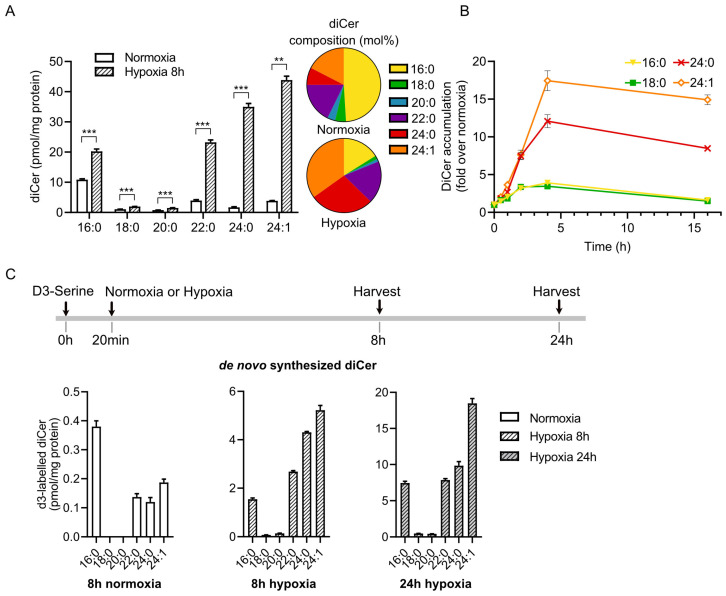 Figure 1
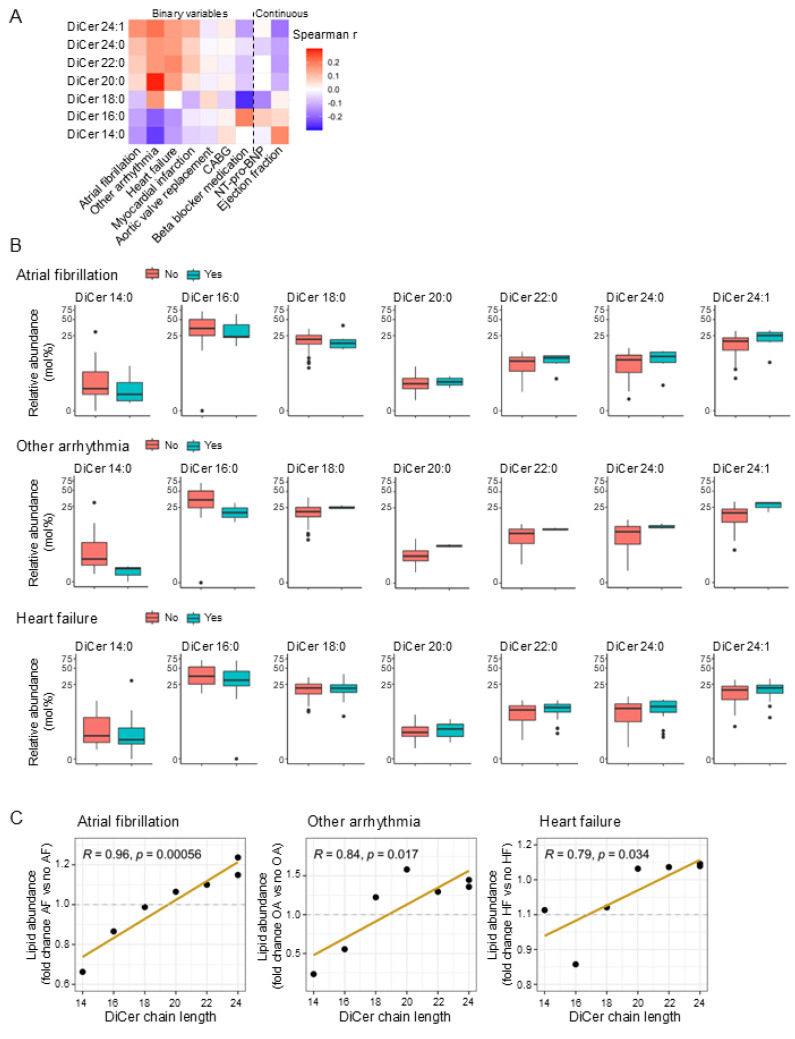 Figure 2
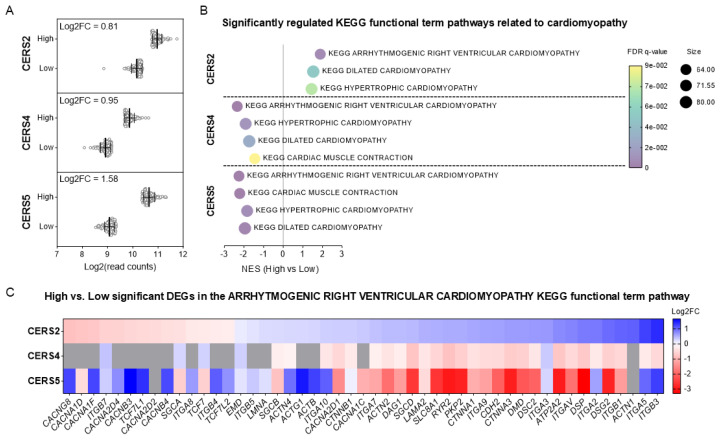 Figure 3
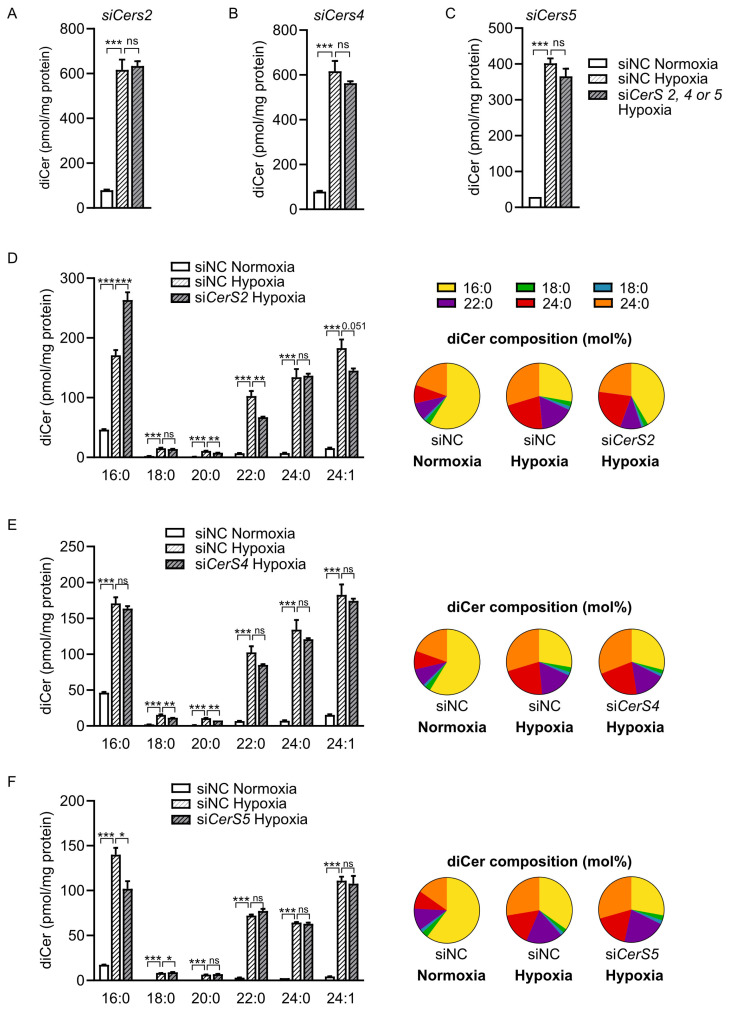 Figure 4
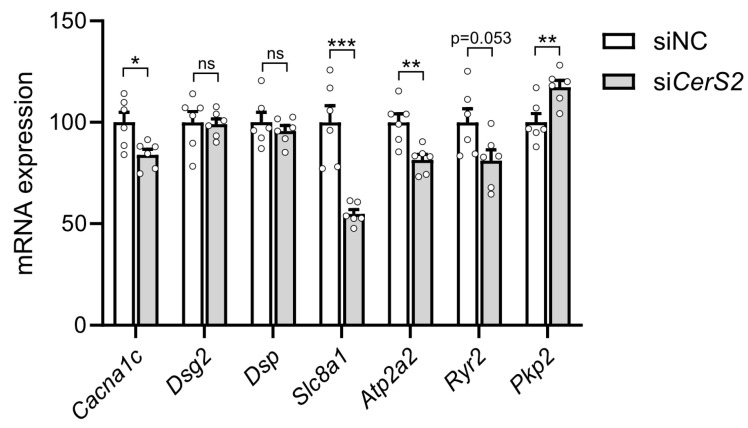 Figure 5
Peer Reviews
No public reviews on file for this paper yet. If you reviewed it on a platform where reviews are public (OpenReview, ICLR, NeurIPS, ICML), you can paste yours below so the community can read it here.
Videos
No videos yet. Explain this paper in a talk, walkthrough, or lecture? Add one.
Taxonomy
TopicsSphingolipid Metabolism and Signaling · Ion Transport and Channel Regulation · Protein Kinase Regulation and GTPase Signaling