Rat Islet pECM Hydrogel-Based Microencapsulation: A Protective Niche for Xenotransplantation
Michal Skitel Moshe, Stasia Krishtul, Anastasia Brandis, Rotem Hayam, Shani Hamias, Mazal Faraj, Tzila Davidov, Inna Kovrigina, Limor Baruch, Marcelle Machluf

TL;DR
This study introduces a new method using decellularized pig pancreatic tissue to create protective microcapsules for rat islets, which could improve islet transplantation for diabetes treatment.
Contribution
The use of decellularized porcine pancreatic extracellular matrix (pECM) as a standalone material for islet microencapsulation is novel.
Findings
pECM microcapsules preserved islet viability and function better than alginate controls over two weeks.
pECM microcapsules reduced islet apoptosis and improved recovery under hypoxic conditions.
In vivo tests showed pECM microcapsules were biocompatible with minimal immune response.
Abstract
Type 1 diabetes (T1D) is caused by autoimmune-mediated destruction of pancreatic β-cells, resulting in insulin deficiency. While islet transplantation presents a potential therapeutic approach, its clinical application is impeded by limited donor availability and the risk of immune rejection. This study proposes an innovative islet encapsulation strategy that utilizes decellularized porcine pancreatic extracellular matrix (pECM) as the sole biomaterial to engineer bioactive, immunoprotective microcapsules. Rat islets were encapsulated within pECM-based microcapsules using the electrospray technology and were compared to conventional alginate-based microcapsules in terms of viability, function, and response to hypoxic stress. The pECM microcapsules maintained a spherical morphology, demonstrating mechanical robustness, and preserving essential ECM components (collagen I/IV, laminin,…
Genes, proteins, chemicals, diseases, species, mutations and cell lines named across the full text — each resolved to its canonical identifier and authoritative record.
Click any figure to enlarge with its caption.
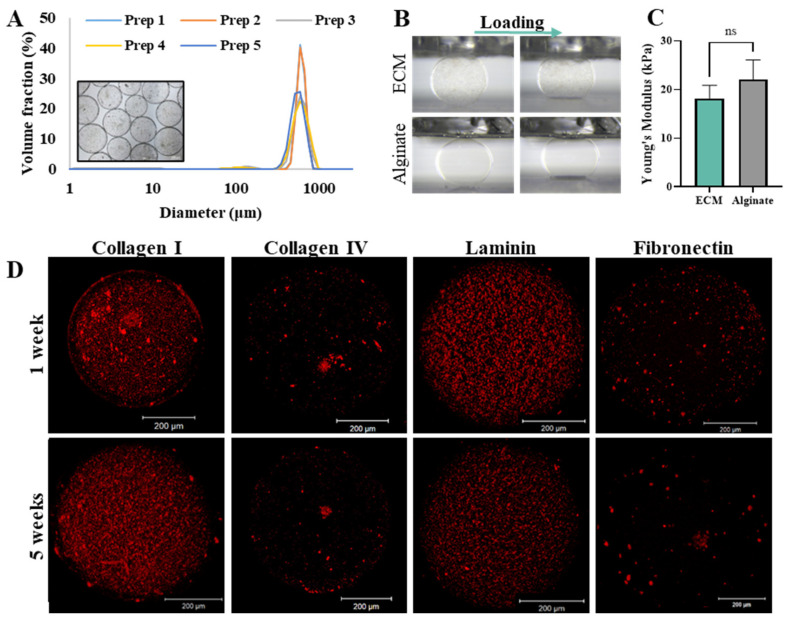 Figure 1
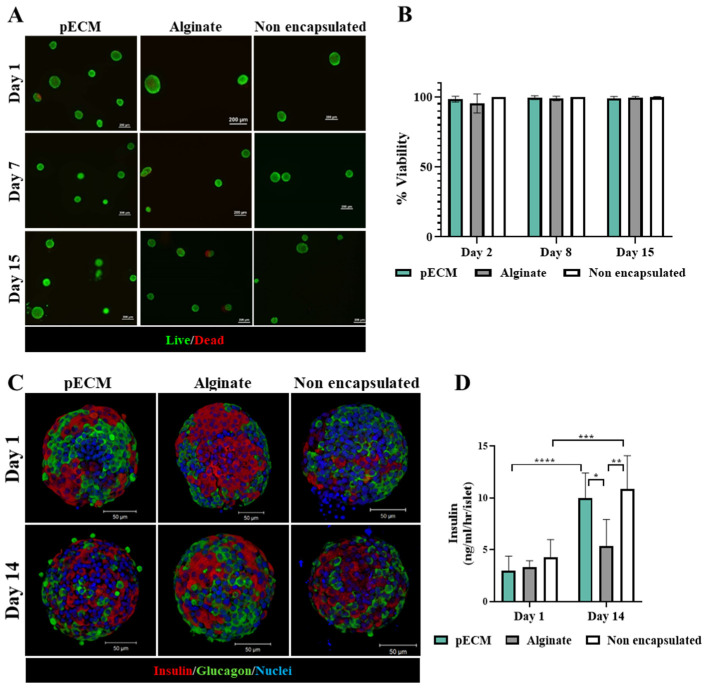 Figure 2
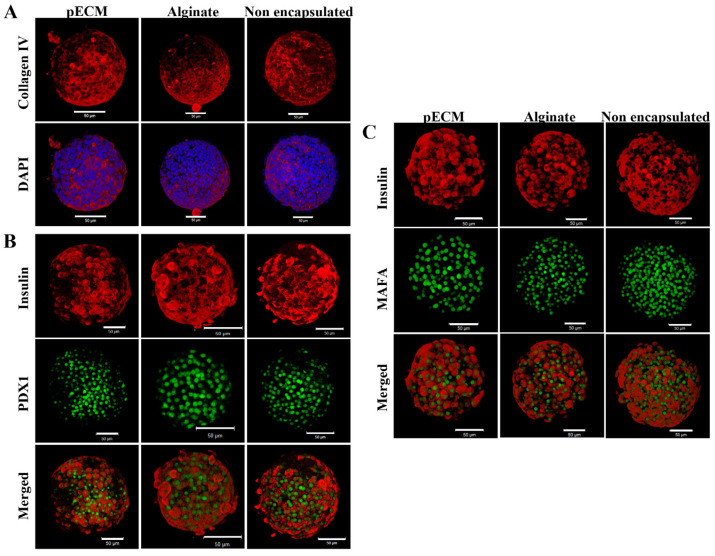 Figure 3
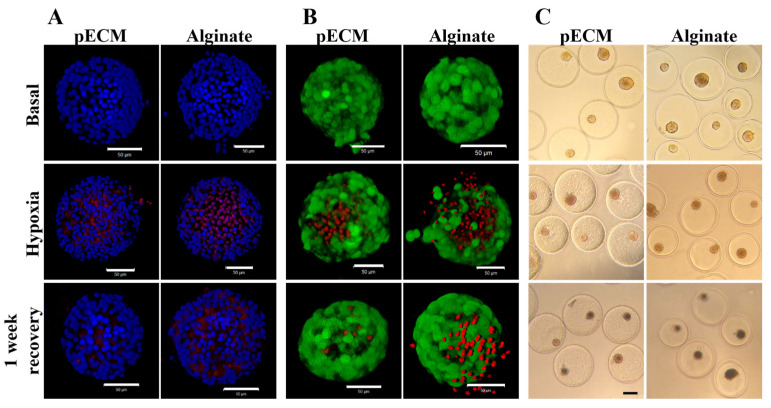 Figure 4
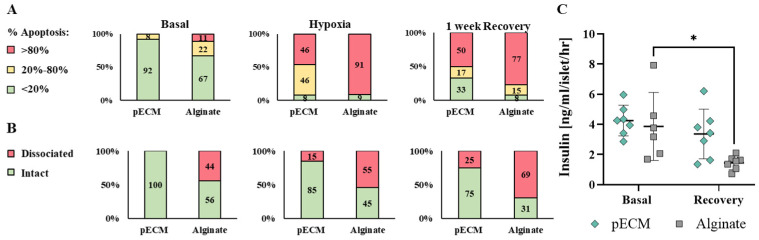 Figure 5
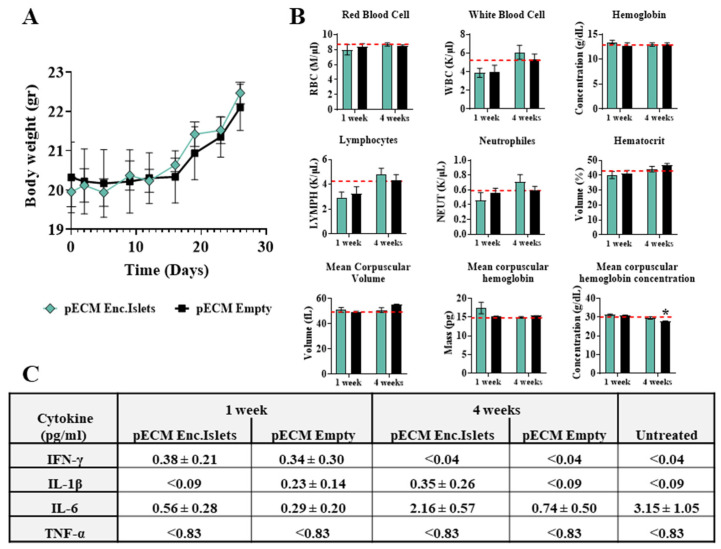 Figure 6
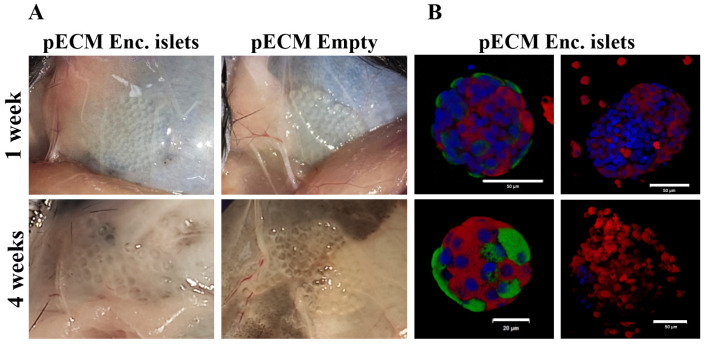 Figure 7
Peer Reviews
No public reviews on file for this paper yet. If you reviewed it on a platform where reviews are public (OpenReview, ICLR, NeurIPS, ICML), you can paste yours below so the community can read it here.
Videos
No videos yet. Explain this paper in a talk, walkthrough, or lecture? Add one.
Taxonomy
TopicsPancreatic function and diabetes · Electrohydrodynamics and Fluid Dynamics · Diabetes and associated disorders