Ionotropic Receptor Genes in Fig Wasps: Evolutionary Insights from Comparative Studies
Hui Yu, Xiaojue Nong, Weicheng Huang, Ling Yang, Chantarasuwan Bhanumas, Yongmei Xiong, Seping Dai

TL;DR
This study explores how fig wasps detect chemical signals from fig trees by analyzing the evolution of ionotropic receptor genes in 25 fig wasp species.
Contribution
The study identifies and classifies ionotropic receptor genes in fig wasps, revealing patterns of conservation and divergence linked to chemosensation.
Findings
205 ionotropic receptor genes were identified across 25 fig wasp species, grouped into three types: IRco, antennal IRs, and divergent IRs.
Strong purifying selection and some signatures of positive selection were detected in IR genes, suggesting functional importance.
Gene sequences of IRs are consistent with phylogenetic relationships among fig wasp species, similar to odorant and gustatory receptors.
Abstract
Fig wasps mainly depend on the specific chemical cues released by receptive syconia to find their fig hosts. However, we know little about the molecular mechanisms of chemosensation in fig wasps. This study compares the evolutionary characters of ionotropic receptors (IRs) among 25 fig wasp taxa with three types: IRco, antennal IRs, and divergent IRs. There are considerable differences in IR gene sequences between species, which are consistent with the phylogenetic relationships among fig wasps. In addition, strong purifying selection of IRs was found. The results give us a better understanding of the molecular basis of the peripheral chemosensory system in fig wasps. The mechanisms of chemoreception in fig wasps (Hymenoptera, Agaonidae) are of primary importance in their co-evolutionary relationship with the fig trees they pollinate. As the supplementary receptors to odorant receptors…
Genes, proteins, chemicals, diseases, species, mutations and cell lines named across the full text — each resolved to its canonical identifier and authoritative record.
Click any figure to enlarge with its caption.
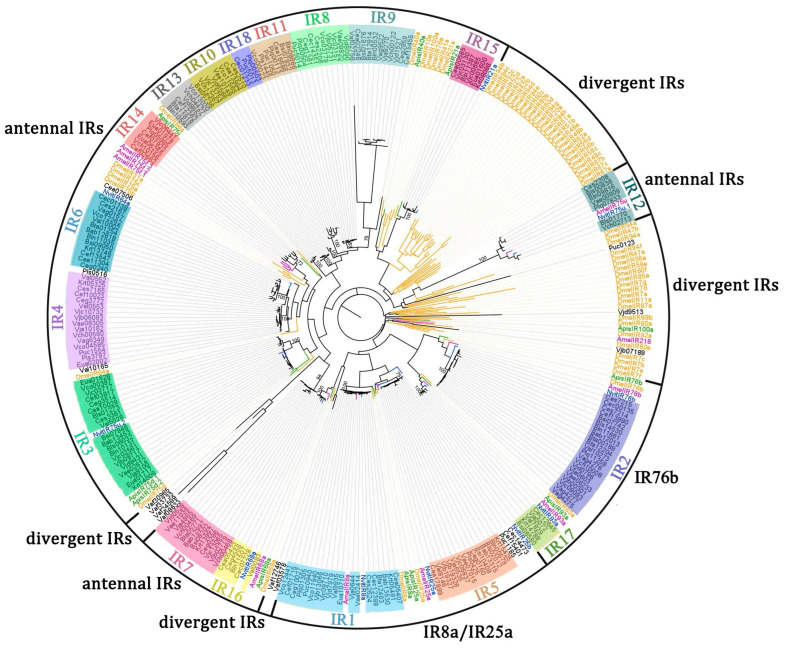 Figure 1
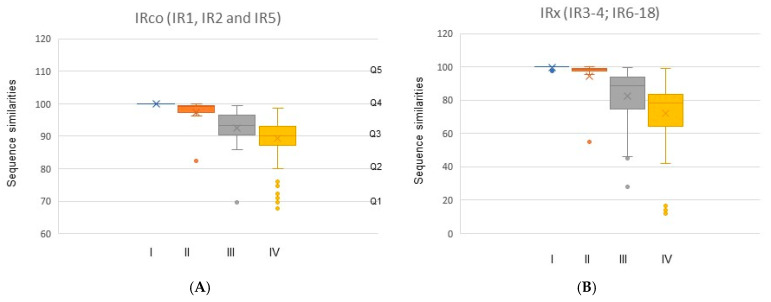 Figure 2
Peer Reviews
No public reviews on file for this paper yet. If you reviewed it on a platform where reviews are public (OpenReview, ICLR, NeurIPS, ICML), you can paste yours below so the community can read it here.
Videos
No videos yet. Explain this paper in a talk, walkthrough, or lecture? Add one.
Taxonomy
TopicsPlant and animal studies · Neurobiology and Insect Physiology Research · Insect and Arachnid Ecology and Behavior