Postharvest Quality of Parthenocarpic and Pollinated Cactus Pear [Opuntia ficus-indica L. (Mill)] Fruits
Berenice Karina Flores-Hernández, Ma. de Lourdes Arévalo-Galarza, Manuel Livera-Muñoz, Cecilia Peña-Valdivia, Aída Martínez-Hernández, Guillermo Calderón-Zavala, Guadalupe Valdovinos-Ponce

TL;DR
This study compares seedless and seeded cactus pear fruits, finding that seedless ones have longer shelf life and better quality for commercial use.
Contribution
The study documents the postharvest behavior of parthenocarpic cactus pear fruits, revealing their extended shelf life and improved quality traits.
Findings
Parthenocarpic cactus pear fruits have significantly longer shelf life compared to pollinated fruits.
Partenocarpic fruits showed higher flavonoid content and lower stomatal frequency.
Red parthenocarpic fruits had higher betacyanin concentrations in pulp and pericarpel.
Abstract
Opuntia ficus-indica L. (Mill) belongs to the Cactaceae family. The plant produces edible and juicy fruits called cactus pear, recognized for their pleasant flavor and functional properties. However, the fruits have a short shelf life, hard seeds, and the presence of glochidia in the pericarpel. Recently, by inducing parthenocarpy, seedless fruits of cactus pear have been obtained. They have attractive colors, soft and small seminal residues, with a similar flavor to their original seeded counterparts. Nevertheless, their postharvest physiological behavior has not yet been documented. The aim of this study was to compare the biochemical, anatomical, and physiological characteristics of pollinated fruits, CP30 red and CP40 yellow varieties, with their parthenocarpic counterparts (CP30-P and CP40-P), obtained by the application of growth regulators in preanthesis. Fruits of each type were…
Genes, proteins, chemicals, diseases, species, mutations and cell lines named across the full text — each resolved to its canonical identifier and authoritative record.
Click any figure to enlarge with its caption.
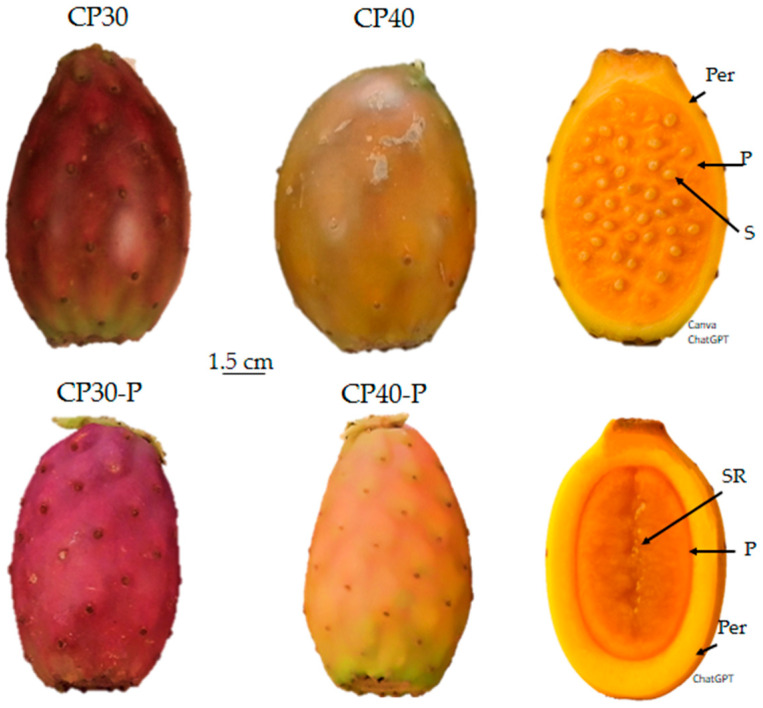 Figure 1
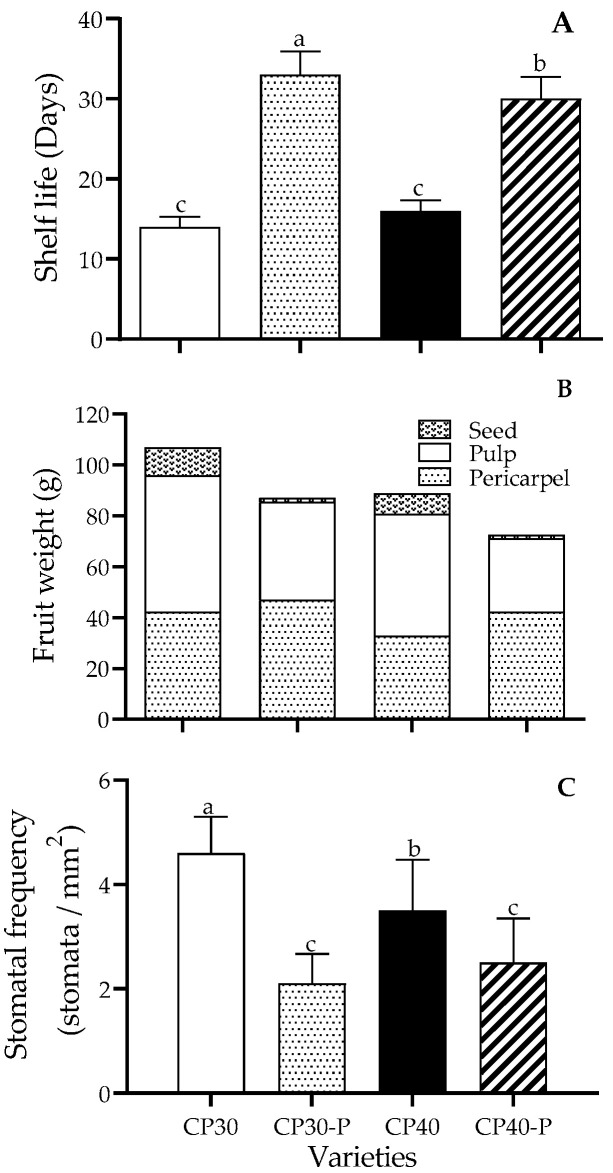 Figure 2
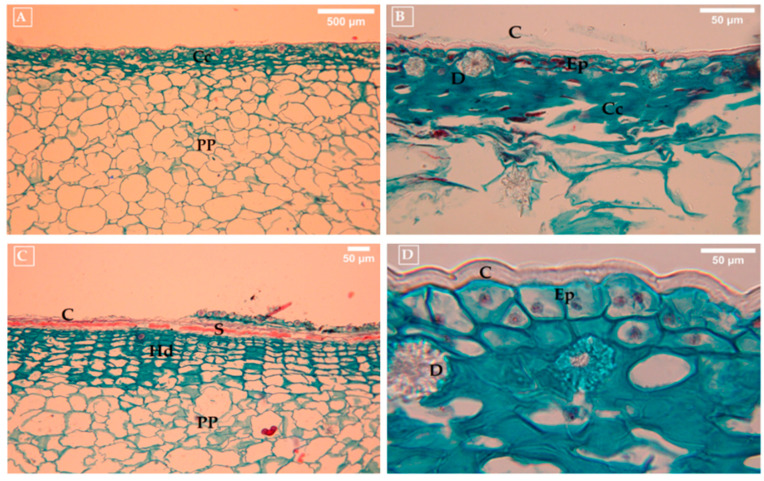 Figure 3
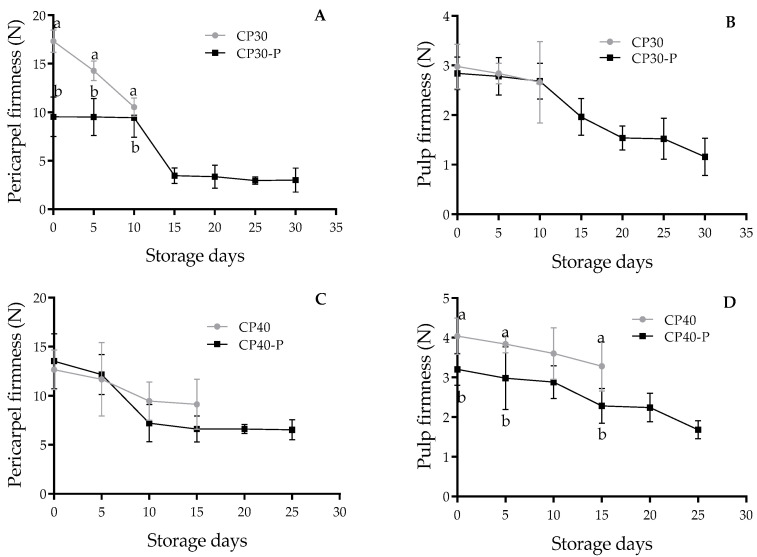 Figure 4
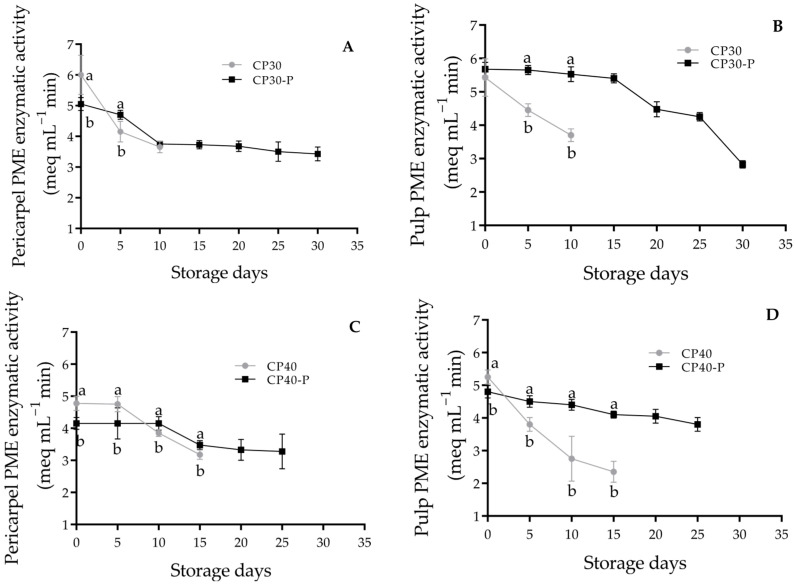 Figure 5
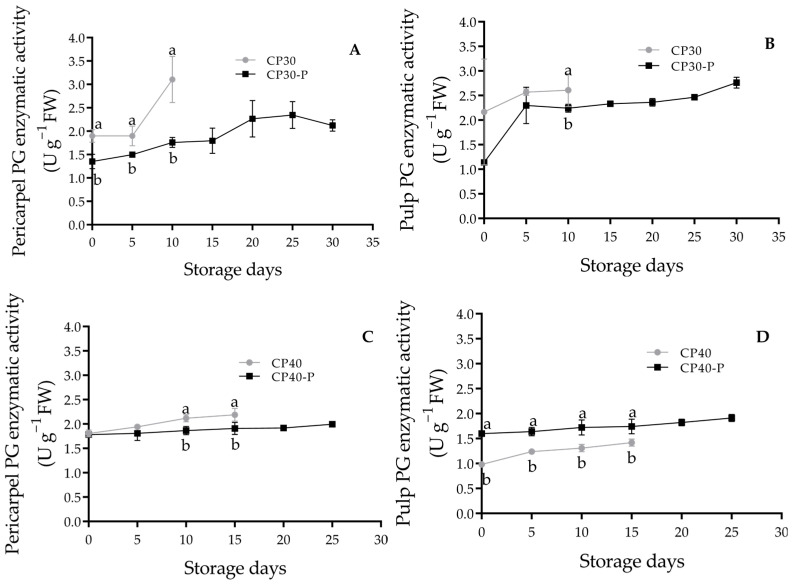 Figure 6
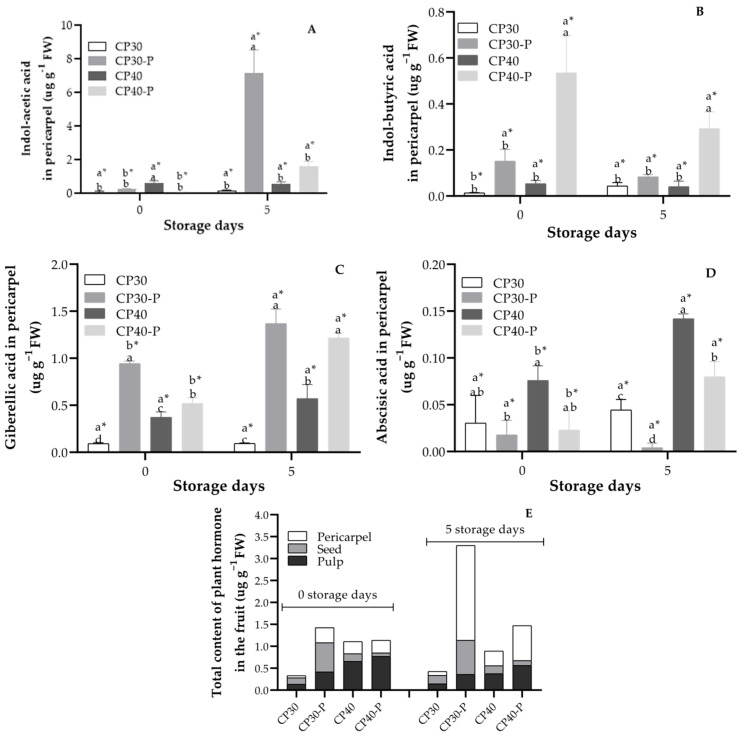 Figure 7
Peer Reviews
No public reviews on file for this paper yet. If you reviewed it on a platform where reviews are public (OpenReview, ICLR, NeurIPS, ICML), you can paste yours below so the community can read it here.
Videos
No videos yet. Explain this paper in a talk, walkthrough, or lecture? Add one.
Taxonomy
TopicsBotanical Research and Applications · Botany, Ecology, and Taxonomy Studies · Plant and animal studies