Feasibility of Hypotension Prediction Index-Guided Monitoring for Epidural Labor Analgesia: A Randomized Controlled Trial
Okechukwu Aloziem, Hsing-Hua Sylvia Lin, Kourtney Kelly, Alexandra Nicholas, Ryan C. Romeo, C. Tyler Smith, Ximiao Yu, Grace Lim

TL;DR
This study tests a new digital tool to predict and treat low blood pressure during childbirth, finding it is feasible and acceptable for patients and clinicians.
Contribution
The study evaluates the feasibility and acceptability of Hypotension Prediction Index (HPI)-guided monitoring in reducing hypotension treatment delays during epidural labor analgesia.
Findings
Continuous HPI-guided monitoring was rated highly acceptable and feasible by both patients and clinicians.
Trends suggested improved hemodynamic parameters in HPI-guided treatment, though not statistically significant.
No differences were observed in vasopressor use or fluid administration between groups.
Abstract
Background: Hypotension following epidural labor analgesia (ELA) is its most common complication, affecting approximately 20% of patients and posing risks to both maternal and fetal health. As digital tools and predictive analytics increasingly shape perioperative and obstetric anesthesia practices, real-world implementation data are needed to guide their integration into clinical care. Current monitoring practices rely on intermittent non-invasive blood pressure (NIBP) measurements, which may delay recognition and treatment of hypotension. The Hypotension Prediction Index (HPI) algorithm uses continuous arterial waveform monitoring to predict hypotension for potentially earlier intervention. This clinical trial evaluated the feasibility, acceptability, and efficacy of continuous HPI-guided treatment in reducing time-to-treatment for ELA-associated hypotension and improving maternal…
Genes, proteins, chemicals, diseases, species, mutations and cell lines named across the full text — each resolved to its canonical identifier and authoritative record.
Click any figure to enlarge with its caption.
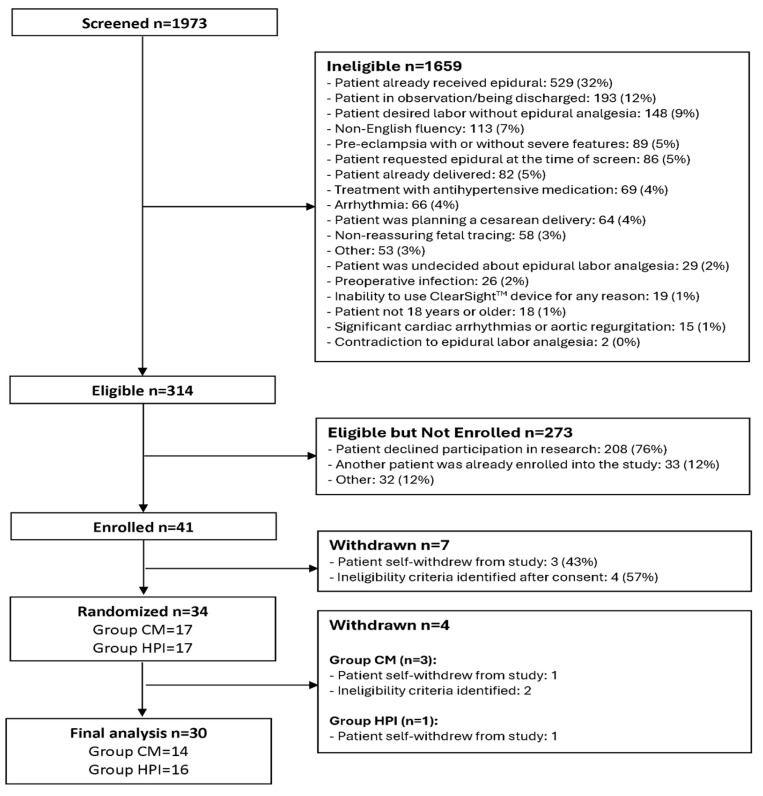 Figure 1
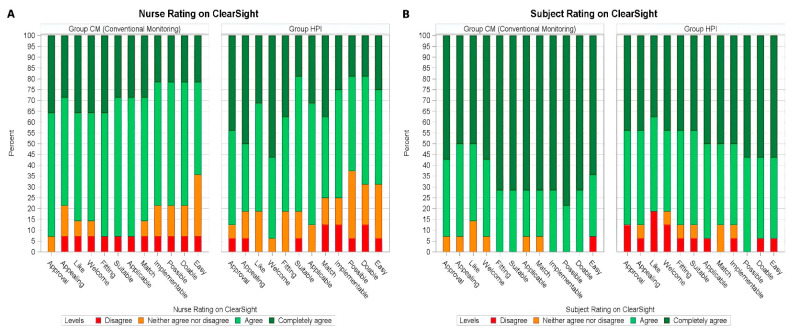 Figure 2
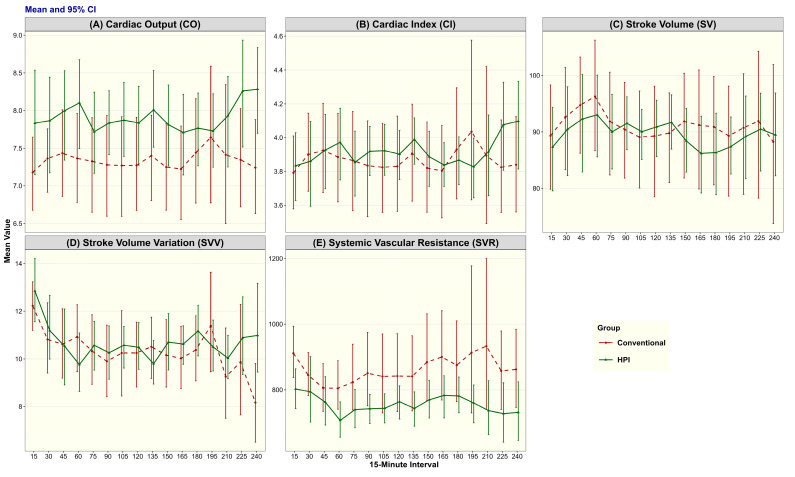 Figure 3
Peer Reviews
No public reviews on file for this paper yet. If you reviewed it on a platform where reviews are public (OpenReview, ICLR, NeurIPS, ICML), you can paste yours below so the community can read it here.
Videos
No videos yet. Explain this paper in a talk, walkthrough, or lecture? Add one.
Taxonomy
TopicsHemodynamic Monitoring and Therapy · Cardiac, Anesthesia and Surgical Outcomes · Blood Pressure and Hypertension Studies