Exploring the Interplay Between Gut Microbiota and the Melatonergic Pathway in Hormone Receptor-Positive Breast Cancer
Aurora Laborda-Illanes, Soukaina Boutriq, Lucía Aranega-Martín, Daniel Castellano-Castillo, Lidia Sánchez-Alcoholado, Isaac Plaza-Andrades, Jesús Peralta-Linero, Emilio Alba, José Carlos Fernández-García, Alicia González-González, María Isabel Queipo-Ortuño

TL;DR
This study explores how gut bacteria and melatonin production are linked in hormone receptor-positive breast cancer patients, suggesting gut dysbiosis and disrupted melatonin synthesis may contribute to disease progression.
Contribution
The study identifies novel associations between gut microbiota composition, melatonin pathway disruption, and intestinal permeability in hormone receptor-positive breast cancer.
Findings
HR+ BC patients showed gut dysbiosis with reduced Bifidobacterium longum and increased Bacteroides eggerthii.
Elevated NAS/melatonin ratio and disrupted melatonin synthesis enzymes were observed in BC patients.
Increased fecal βGD activity and serum zonulin suggest higher intestinal permeability in BC patients.
Abstract
Emerging evidence suggests a bidirectional relationship between gut microbiota, melatonin synthesis, and breast cancer (BC) development in hormone receptor-positive patients (HR+HER2+ and HR+HER2-). This study investigated alterations in gut microbiota composition, the serum serotonin–N-acetylserotonin (NAS)–melatonin axis, fecal short-chain fatty acids (SCFAs) and beta-glucuronidase (βGD) activity, and serum zonulin in HR+ BC patients compared to healthy controls. Blood and fecal samples were analyzed using mass spectrometry for serotonin, NAS, melatonin, and SCFAs; ELISA for AANAT, ASMT, 14-3-3 protein, and zonulin; fluorometric assay for βGD activity; and 16S rRNA sequencing for gut microbiota composition. HR+ BC patients exhibited gut dysbiosis with reduced Bifidobacterium longum and increased Bacteroides eggerthii, alongside elevated fecal βGD activity, SCFA levels (e.g.,…
Genes, proteins, chemicals, diseases, species, mutations and cell lines named across the full text — each resolved to its canonical identifier and authoritative record.
Click any figure to enlarge with its caption.
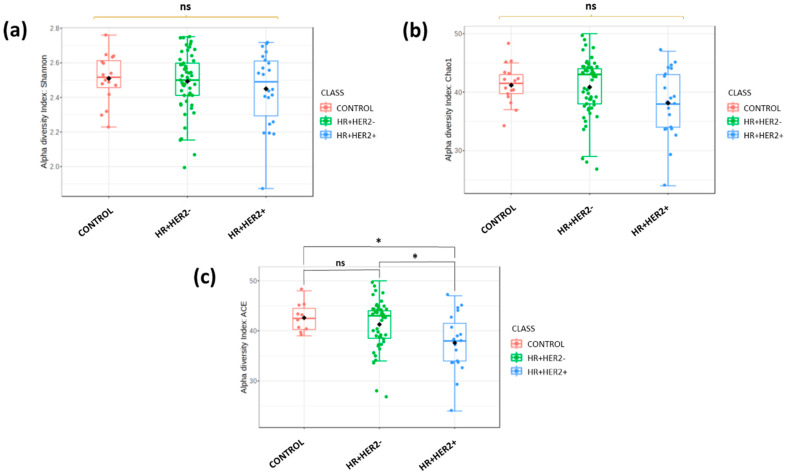 Figure 1
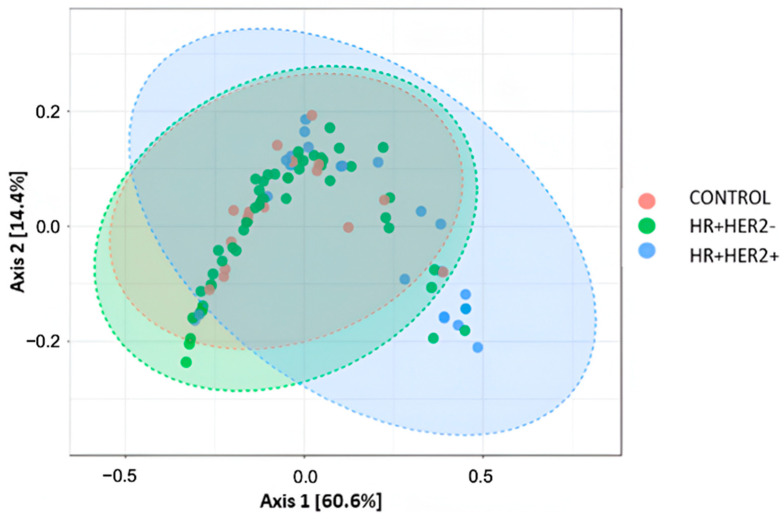 Figure 2
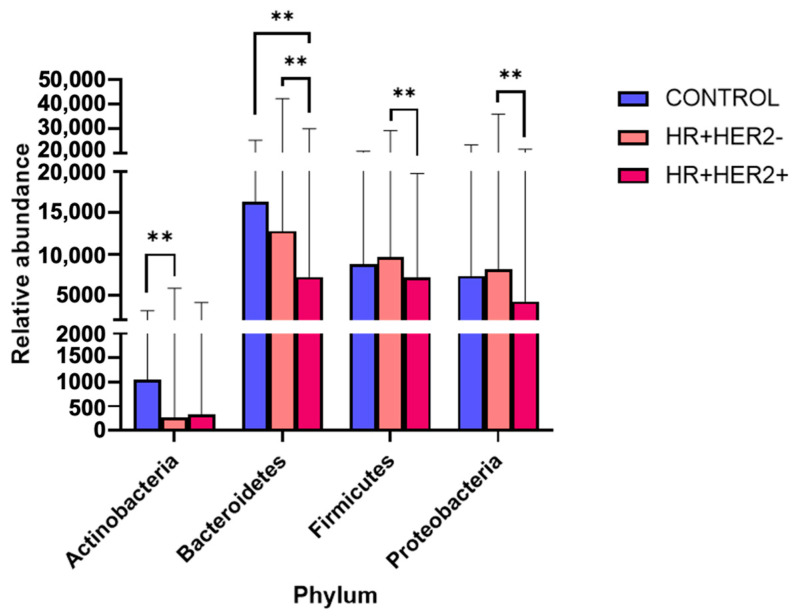 Figure 3
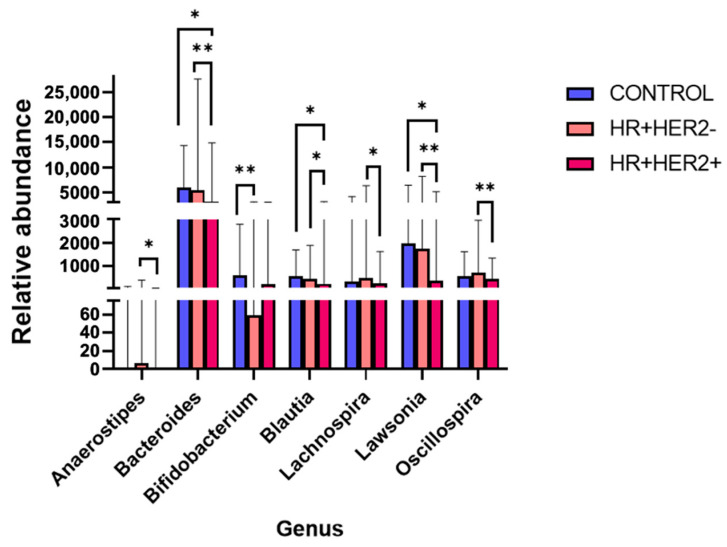 Figure 4
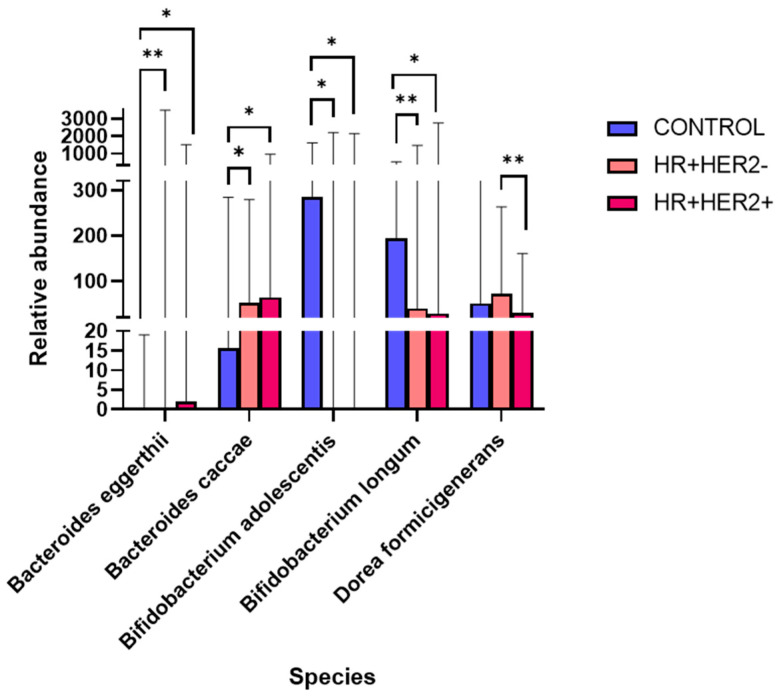 Figure 5
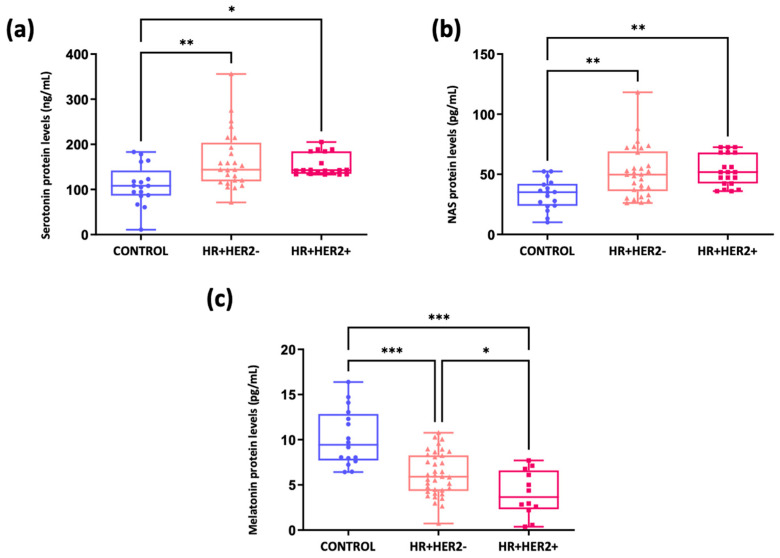 Figure 6
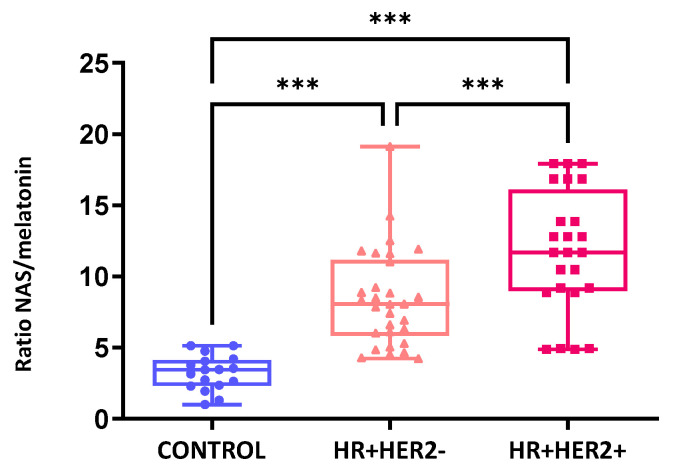 Figure 7
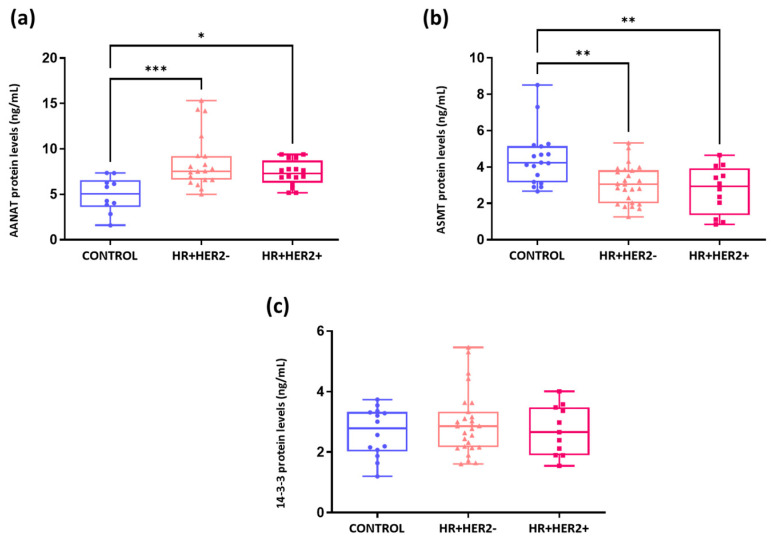 Figure 8
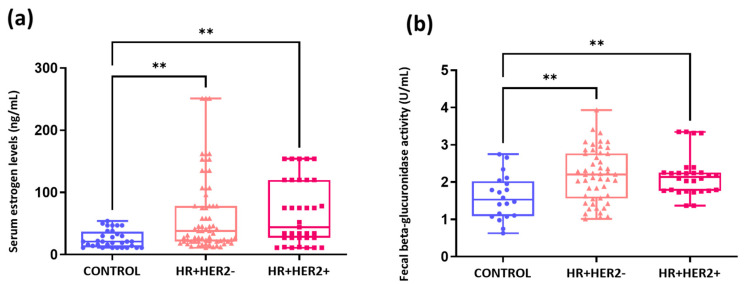 Figure 9
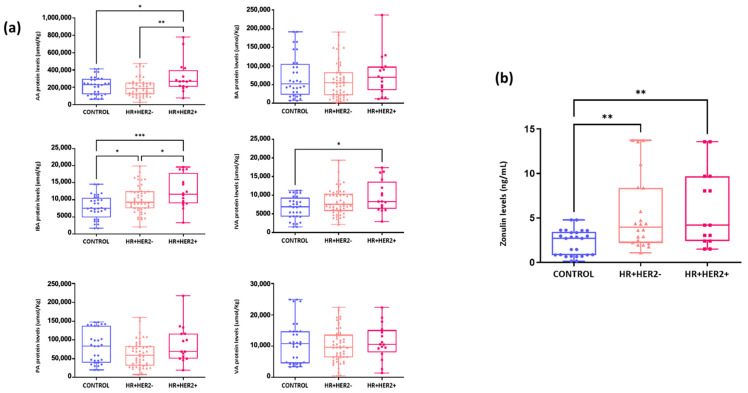 Figure 10
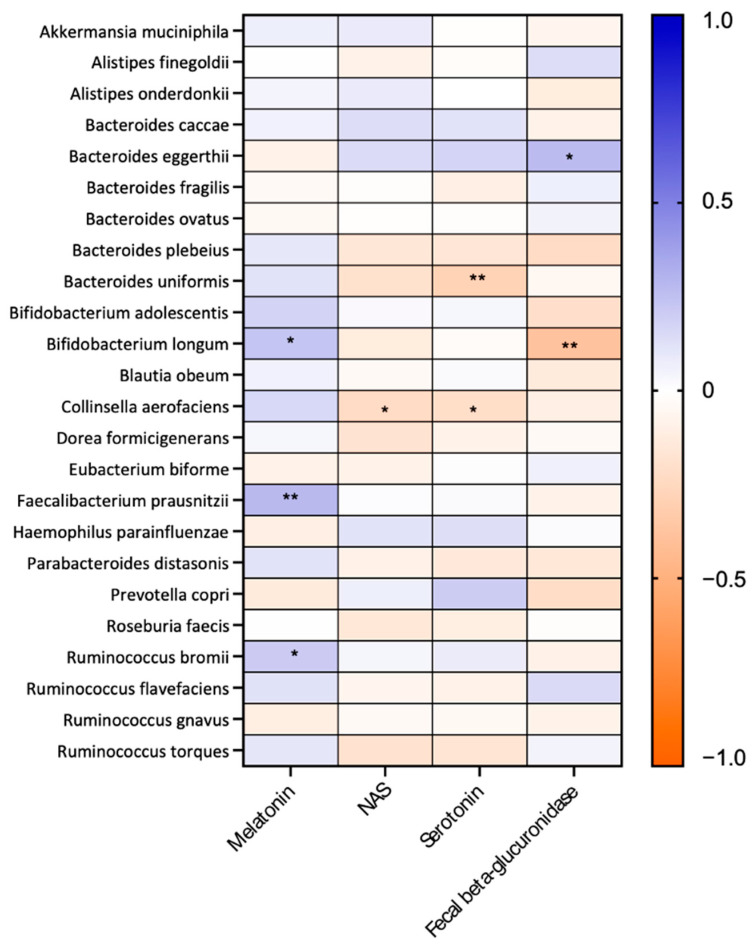 Figure 11
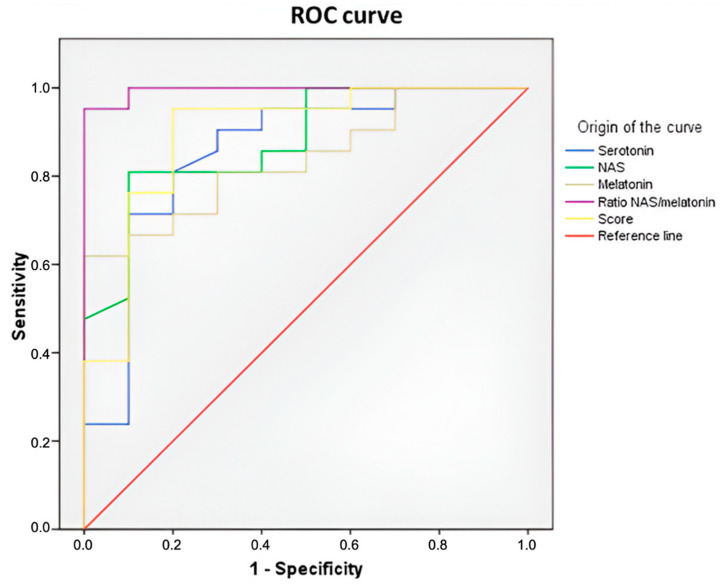 Figure 12
Peer Reviews
No public reviews on file for this paper yet. If you reviewed it on a platform where reviews are public (OpenReview, ICLR, NeurIPS, ICML), you can paste yours below so the community can read it here.
Videos
No videos yet. Explain this paper in a talk, walkthrough, or lecture? Add one.
Taxonomy
TopicsGut microbiota and health · Tryptophan and brain disorders · Diet and metabolism studies