Identification of Critical Candidate Genes Controlling Monokaryon Fruiting in Flammulina filiformis Using Genetic Population Construction and Bulked Segregant Analysis Sequencing
Peng Wang, Ya Yu, Lei Xia, Qi Yan, Xiao Tan, Dongyin Wang, Xue Wang, Zhibin Zhang, Jiawei Wen, Xiao Huang

TL;DR
This study identifies a key gene involved in fruiting body formation in the edible fungus Flammulina filiformis using genetic analysis techniques.
Contribution
The study discovers a novel gene and SNP associated with monokaryotic fruiting in F. filiformis.
Findings
A 10 kb genomic region on scaffold19 was identified as critical for monokaryotic fruiting.
The gene FV-L110034160, involved in pre-mRNA splicing, was pinpointed as a key regulator.
A T→G SNP caused a serine-to-alanine substitution, affecting fruiting phenotypes.
Abstract
Fruiting body formation in edible fungi is a critical development process for both scientific understanding and industrial cultivation, yet the underlying genetic mechanisms remain poorly elucidated. This study aimed to identify key genes regulating monokaryotic fruiting in Flammulina filiformis. A genetic segregation population was constructed through selfing purification and hybrid segregation of the FF002 strain, followed by mapping candidate genes with bulked segregant analysis sequencing (BSA-seq). A 10 kb genomic region on scaffold19 was identified, pinpointing the gene FV-L110034160, which encodes a U2 snRNP complex component involved in pre-mRNA splicing. A T→G SNP located 121 bp downstream of the ATG codon caused a serine-to-alanine substitution, disrupting a conserved domain and altering fruiting phenotypes. Phylogenetic analysis further revealed conservation of this gene in…
Genes, proteins, chemicals, diseases, species, mutations and cell lines named across the full text — each resolved to its canonical identifier and authoritative record.
Click any figure to enlarge with its caption.
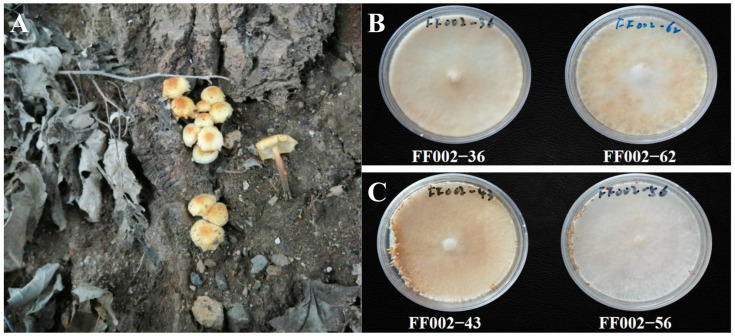 Figure 1
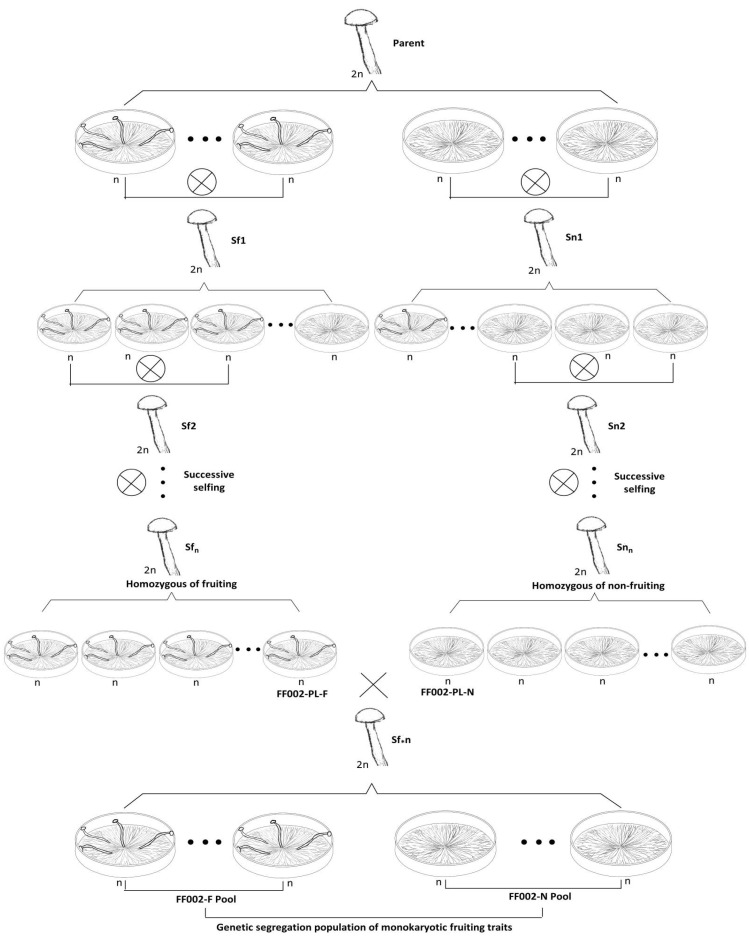 Figure 2
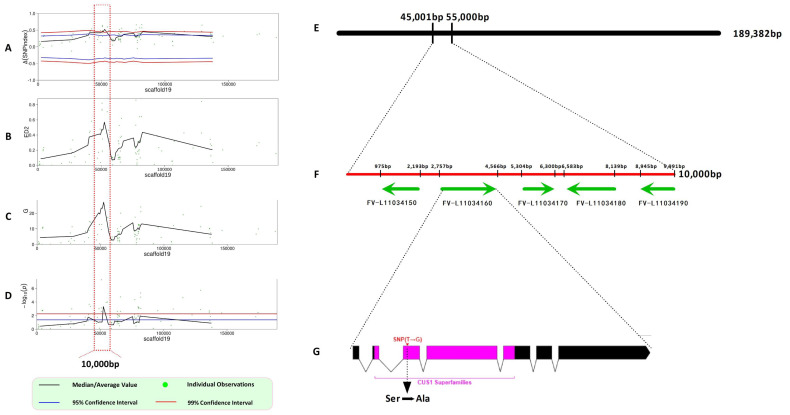 Figure 3
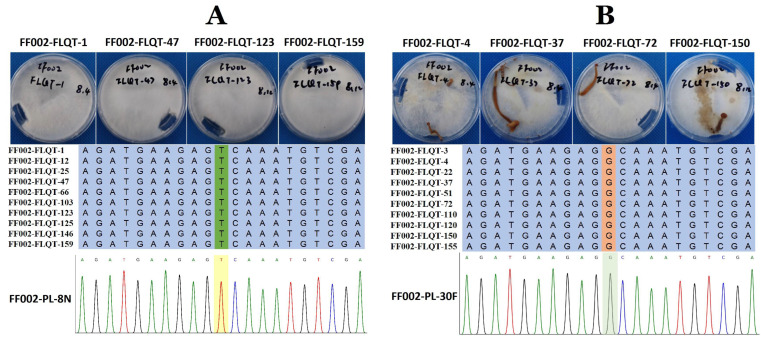 Figure 4
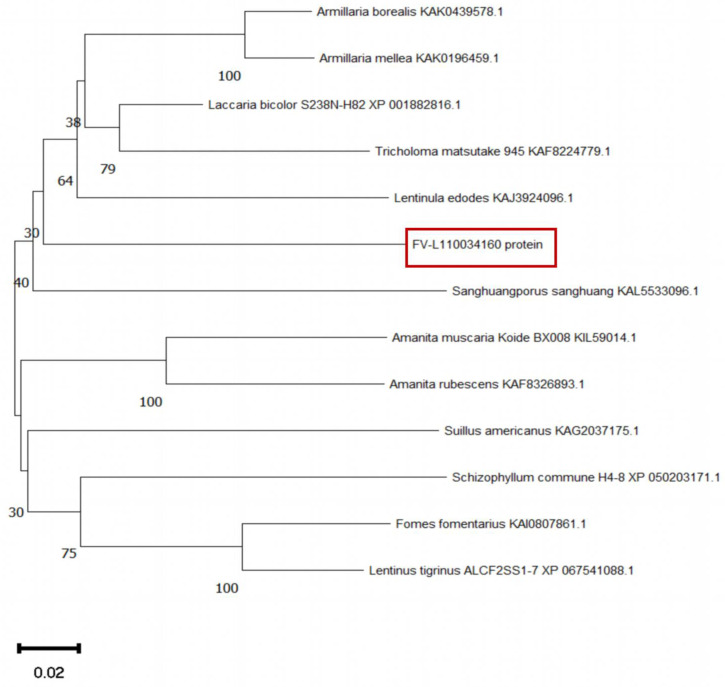 Figure 5
Peer Reviews
No public reviews on file for this paper yet. If you reviewed it on a platform where reviews are public (OpenReview, ICLR, NeurIPS, ICML), you can paste yours below so the community can read it here.
Videos
No videos yet. Explain this paper in a talk, walkthrough, or lecture? Add one.
Taxonomy
TopicsMycorrhizal Fungi and Plant Interactions · Fungal Biology and Applications · Plant Pathogens and Fungal Diseases