The Box Interaction Game: Action-Based Divergent Thinking Tests for Chinese Preschoolers
Ying Du, Yiduo Xiao, Haoran Yang, Yunqi Ning, Fei Zhi, Jing Chen, Yinghui Guo, Qunlin Chen

TL;DR
The Box Interaction Game is a new action-based test designed to assess creativity in Chinese preschoolers, offering a more suitable alternative to traditional verbal methods.
Contribution
BIG adapts the Unusual Box Test for Chinese preschoolers using action-based assessments, with initial validation for reliability and validity.
Findings
BIG shows low-to-moderate correlations with the verbal UUT, suggesting preliminary convergent validity.
BIG has strong internal consistency and moderate test-retest reliability for fluency and originality.
BIG is a promising tool for assessing divergent thinking in Chinese preschoolers.
Abstract
The current methodologies for assessing divergent thinking in children are predominantly based on verbal response, which limits their applicability for evaluating the creative potential of preschoolers and toddlers. This study introduces the Box Interaction Game (BIG), which is an adaptation of the Unusual Box Test (UBT) to make it more suitable for Chinese children. By simplifying, reorganizing, and expanding the actions in the UBT, the BIG employs action-based assessments that are relevant to the Chinese context and evaluate validity and test-retest reliability in preschoolers. The results revealed statistically significant but modest correlations between the verbal Unusual Uses Task (UUT) and the BIG test. Specifically, total scores (τ = 0.24, p = 0.02), fluency scores (τ = 0.23, p = 0.029), and originality scores (τ = 0.21, p = 0.04) showed low-to-moderate associations, indicating…
Genes, proteins, chemicals, diseases, species, mutations and cell lines named across the full text — each resolved to its canonical identifier and authoritative record.
Click any figure to enlarge with its caption.
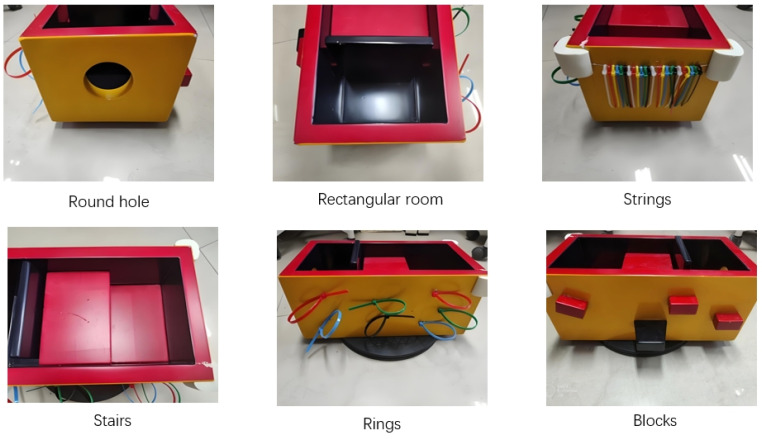 Figure 1
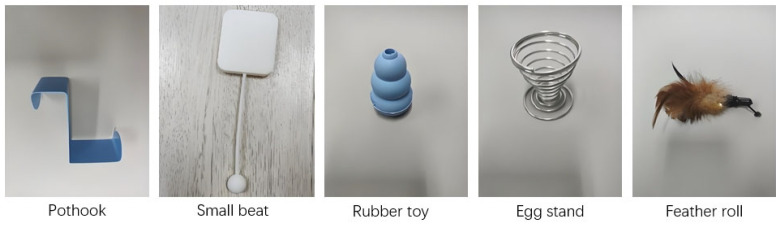 Figure 2
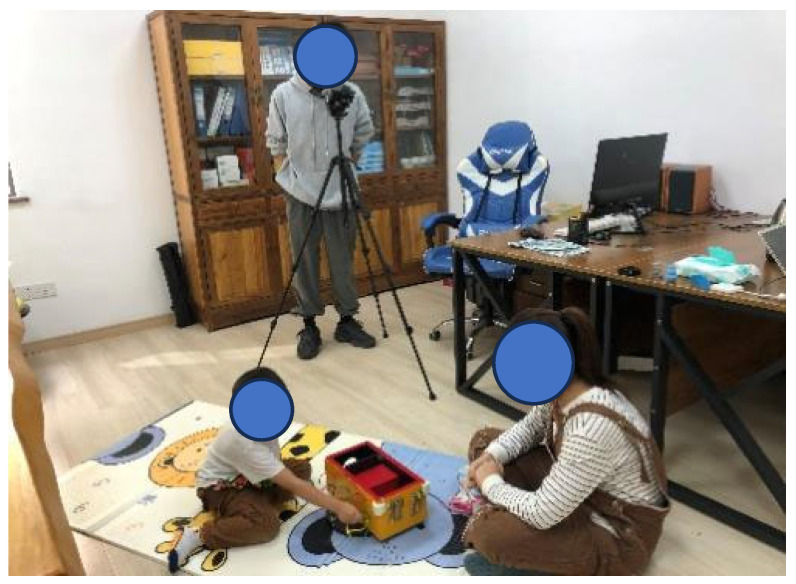 Figure 3
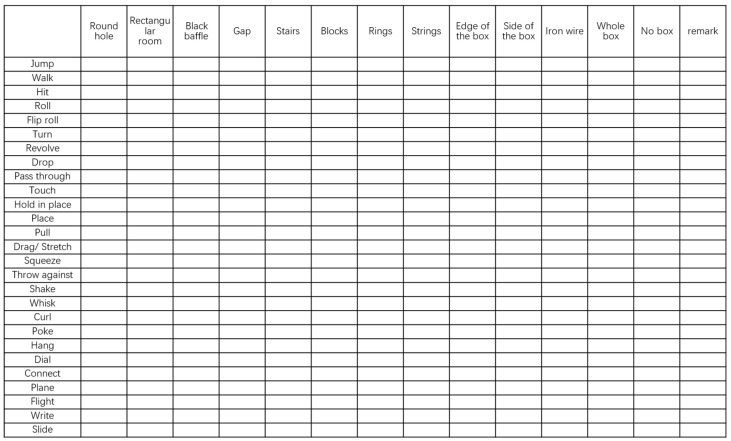 Figure 4
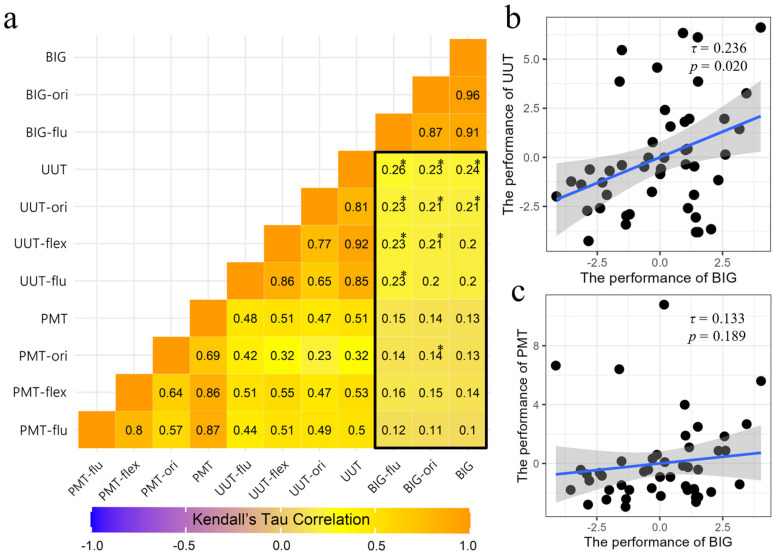 Figure 5
Peer Reviews
No public reviews on file for this paper yet. If you reviewed it on a platform where reviews are public (OpenReview, ICLR, NeurIPS, ICML), you can paste yours below so the community can read it here.
Videos
No videos yet. Explain this paper in a talk, walkthrough, or lecture? Add one.
Taxonomy
TopicsCreativity in Education and Neuroscience · Education and Critical Thinking Development · Innovative Teaching and Learning Methods