Biosynthesis of Bioactive Human Neurotrophic Factor 3 in Silkworms and Its Biomedical Applications
Wenjing Geng, Liang Lu, Tangmin Li, Mingyi Zhou, Wei Chen, Hao Tan, Debin Zhong, Guanwang Shen, Ping Lin, Qingyou Xia, Ping Zhao, Zhiqing Li

TL;DR
Scientists engineered silkworms to produce a human protein that supports nerve growth, which could help in treating nerve injuries and diseases.
Contribution
A transgenic silkworm system for scalable production of bioactive human NT-3 protein using the silk gland bioreactor.
Findings
NT-3 was successfully expressed in silkworm silk glands and secreted into silk fibers at 0.5 mg per gram of cocoon weight.
NT-3-functionalized silk enhanced neural cell proliferation, migration, differentiation, and neurite outgrowth without cytotoxicity.
The recombinant NT-3 retains high bioactivity, showing promise for nerve regeneration and tissue engineering applications.
Abstract
The silkworm, Bombyx mori, a commercially vital resource for sericulture, produces natural silk with extensive applications spanning textiles, biomedical engineering, and advanced material science. By using the silkworm middle silk gland-specific expression system, we developed a transgenic silkworm strain capable of synthesizing human neurotrophic factor 3 (NT-3) protein, a critical neurotrophic factor essential for neural development, cellular survival, and synaptic plasticity. The resulting NT-3-enriched sericin matrix demonstrated enhanced biological functionality, significantly promoting cell proliferation, migration, differentiation, and neurite outgrowth in mouse hippocampal HT-22 neuron cells. These findings not only establish B. mori as an efficient bioreactor for large-scale NT-3 production but also reveal a dual function of NT-3 for the preservation of bioactivity and…
Genes, proteins, chemicals, diseases, species, mutations and cell lines named across the full text — each resolved to its canonical identifier and authoritative record.
Click any figure to enlarge with its caption.
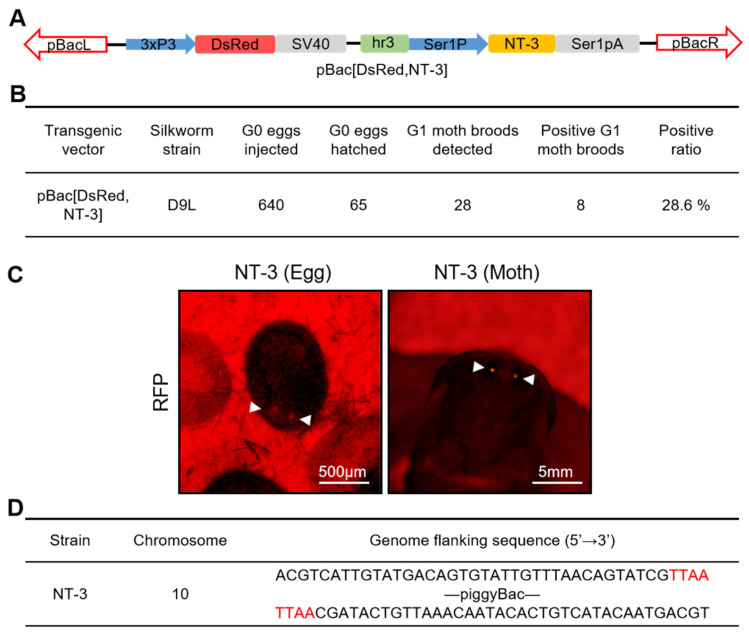 Figure 1
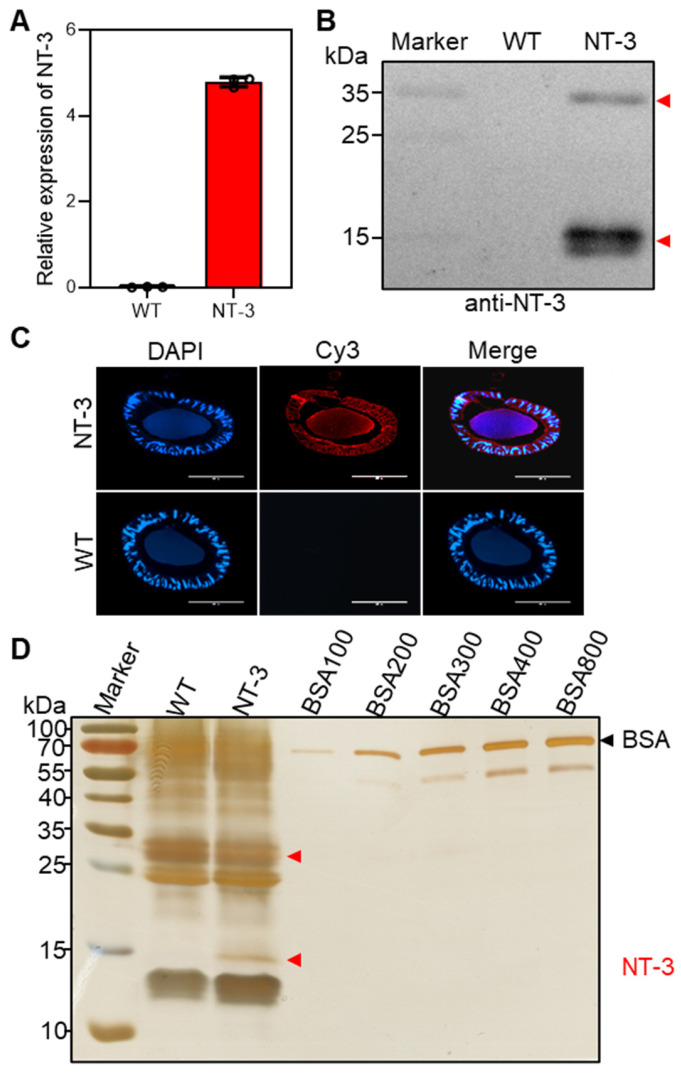 Figure 2
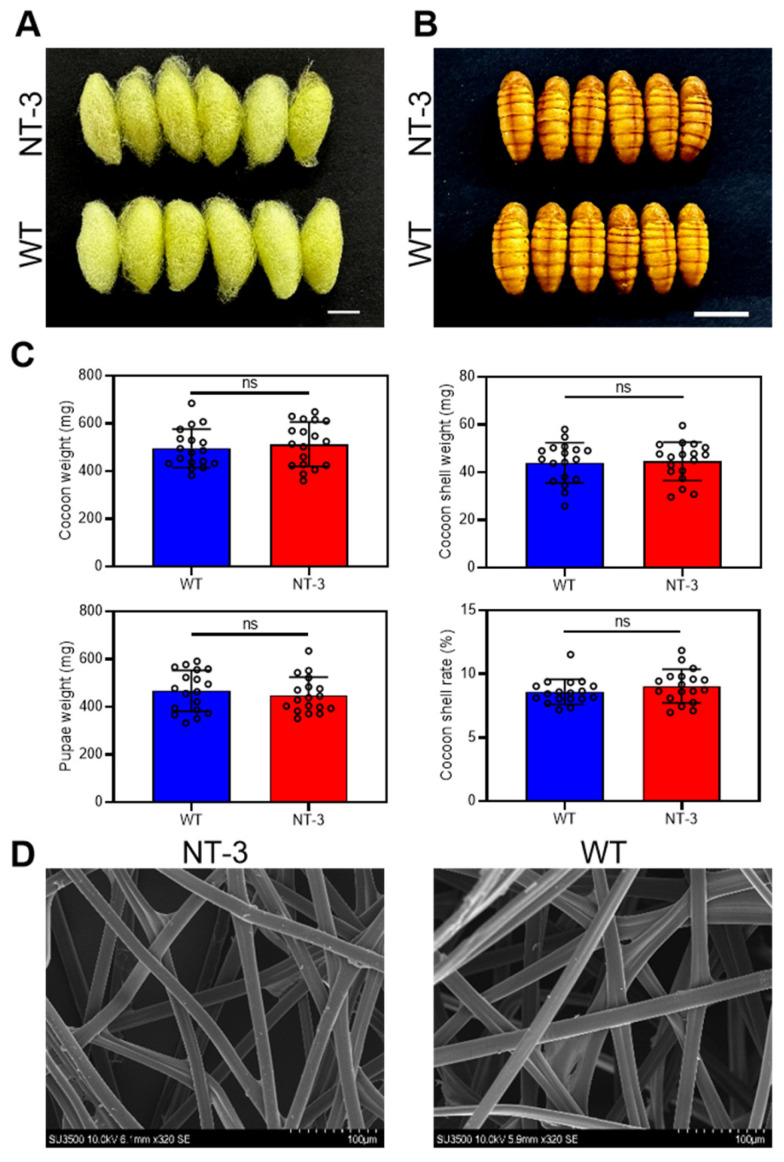 Figure 3
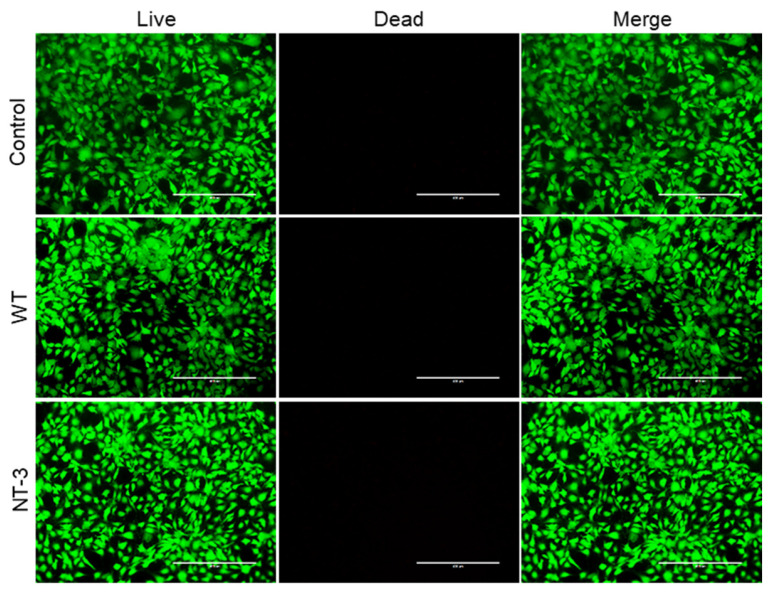 Figure 4
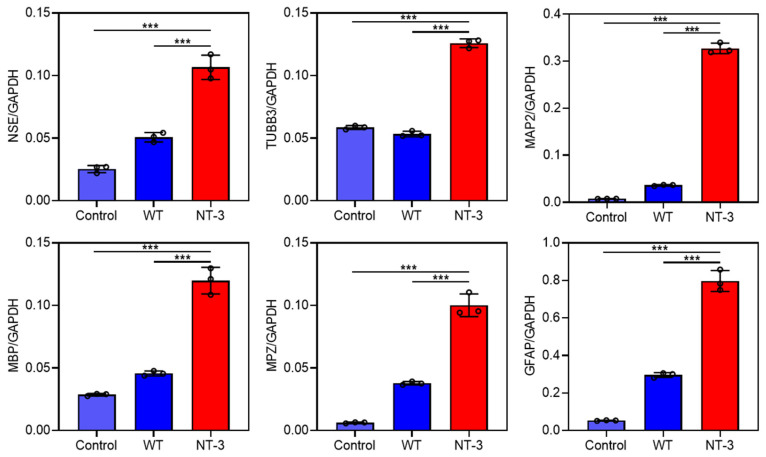 Figure 5
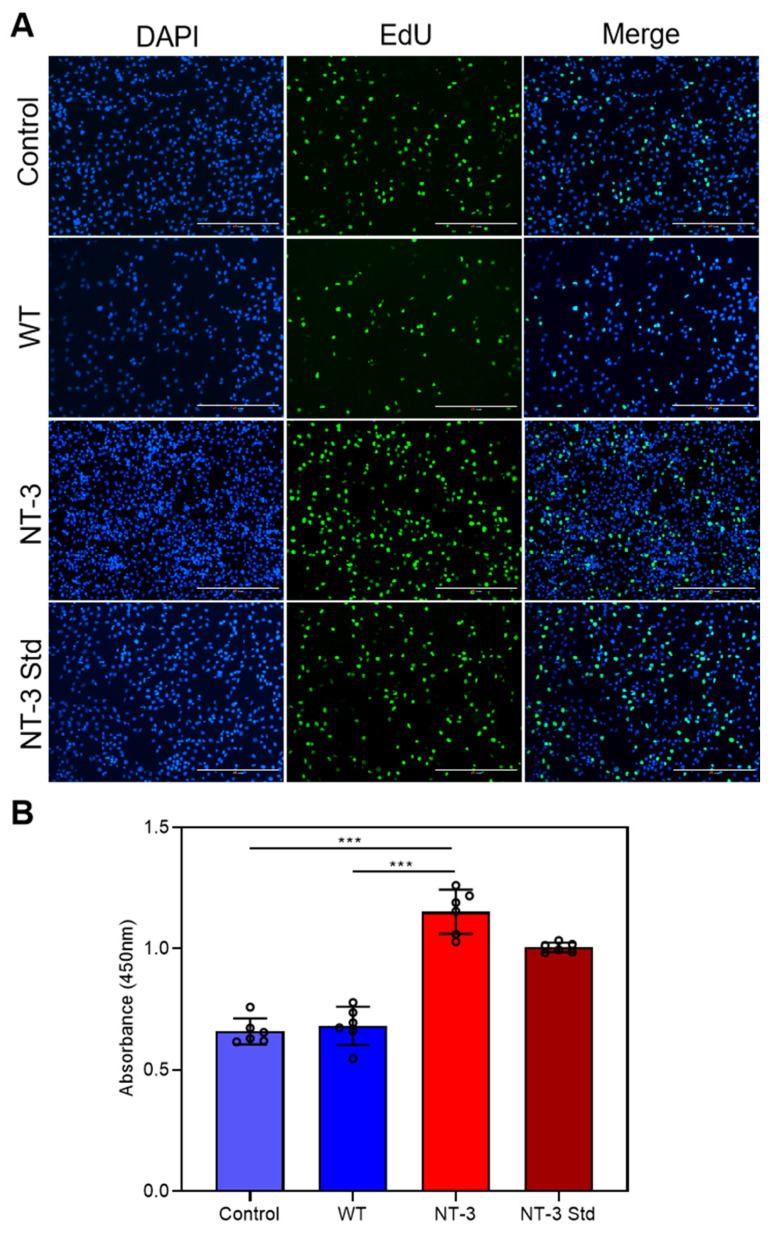 Figure 6
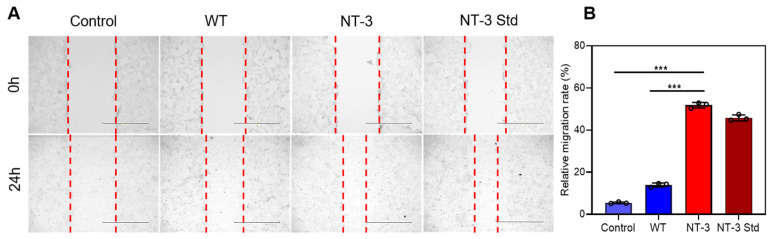 Figure 7
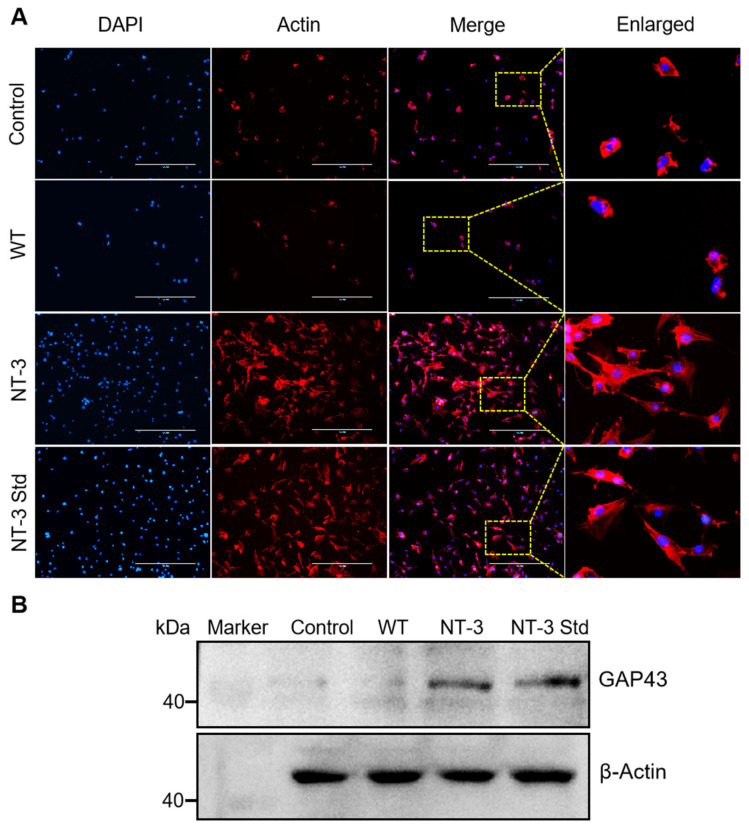 Figure 8
Peer Reviews
No public reviews on file for this paper yet. If you reviewed it on a platform where reviews are public (OpenReview, ICLR, NeurIPS, ICML), you can paste yours below so the community can read it here.
Videos
No videos yet. Explain this paper in a talk, walkthrough, or lecture? Add one.
Taxonomy
TopicsSilk-based biomaterials and applications · Nerve injury and regeneration · RNA Interference and Gene Delivery