Comparative Analysis of Robust Entanglement Generation in Engineered XX Spin Chains
Eduardo K. Soares, Gentil D. de Moraes Neto, Fabiano M. Andrade

TL;DR
This paper compares two methods for generating entanglement in spin chains, finding that one method is more efficient and robust against noise.
Contribution
The dual-port protocol (P2) is shown to be more efficient and robust for entanglement generation in XX spin chains.
Findings
Protocol 2 (P2) generates higher-fidelity entanglement faster than Protocol 1 (P1) across all spin values.
P2 is more robust against disorder and dephasing noise compared to P1.
P2 remains effective under non-Markovian noise due to reduced excitation of bulk modes.
Abstract
We present a numerical investigation comparing two entanglement generation protocols in finite XX spin chains with varying spin magnitudes (s=1/2,1,3/2). Protocol 1 (P1) relies on staggered couplings to steer correlations toward the ends of the chain. At the same time, Protocol 2 (P2) adopts a dual-port architecture that uses optimized boundary fields to mediate virtual excitations between terminal spins. Our results show that P2 consistently outperforms P1 in all spin values, generating higher-fidelity entanglement in shorter timescales when evaluated under the same system parameters. Furthermore, P2 exhibits superior robustness under realistic imperfections, including diagonal and off-diagonal disorder, as well as dephasing noise. To further assess the resilience of both protocols in experimentally relevant settings, we employ the pseudomode formalism to characterize the impact of…
Genes, proteins, chemicals, diseases, species, mutations and cell lines named across the full text — each resolved to its canonical identifier and authoritative record.
Click any figure to enlarge with its caption.
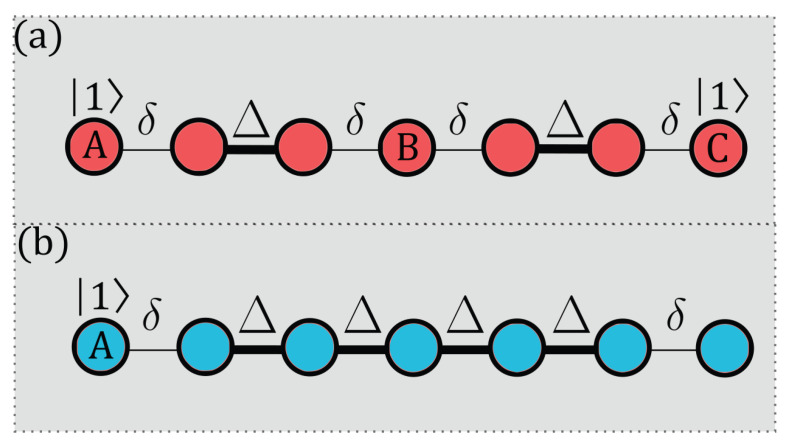 Figure 1
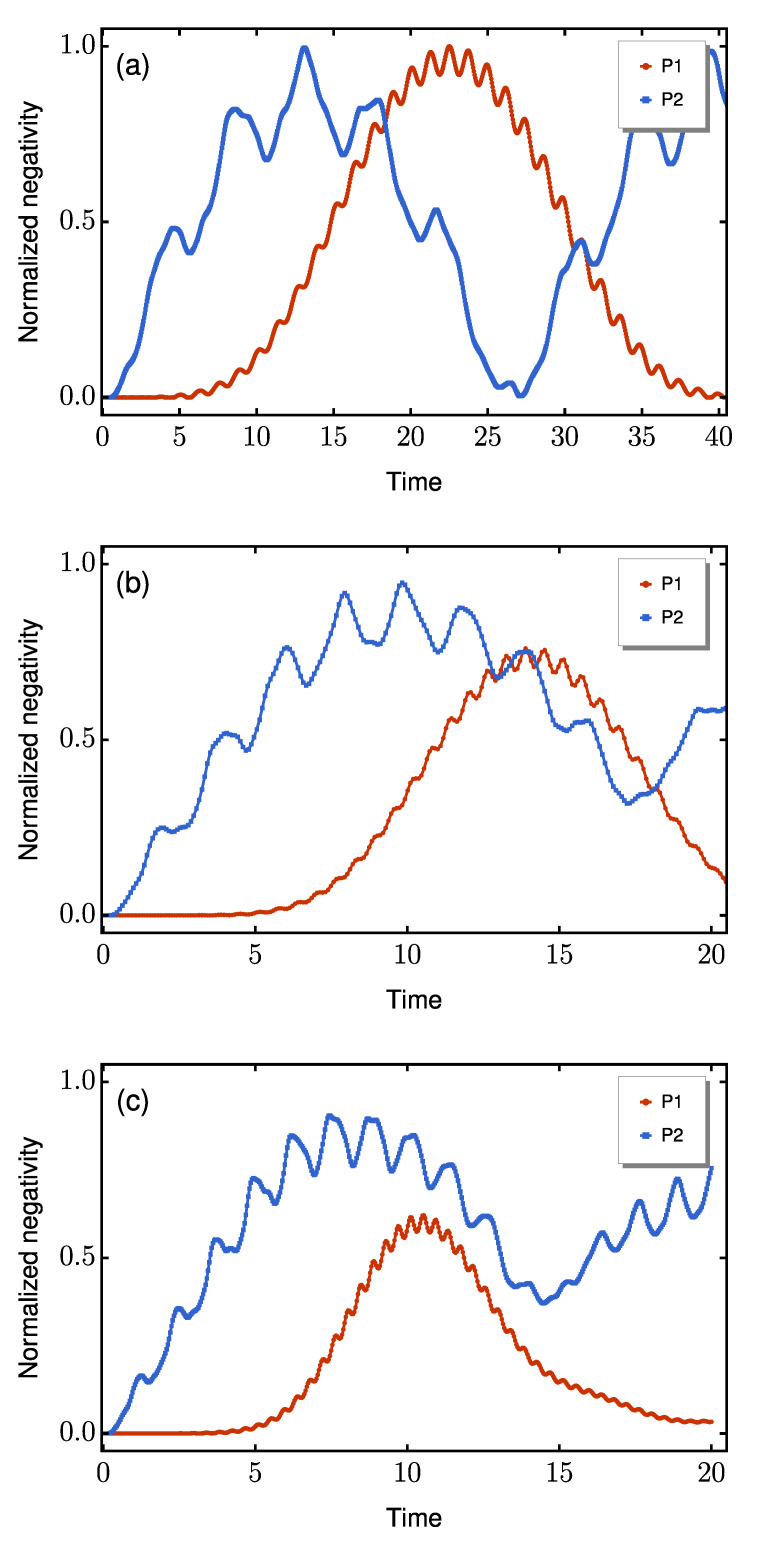 Figure 2
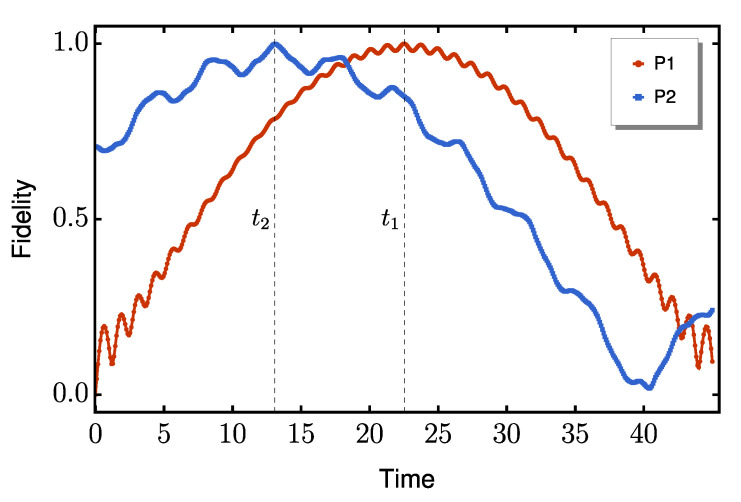 Figure 3
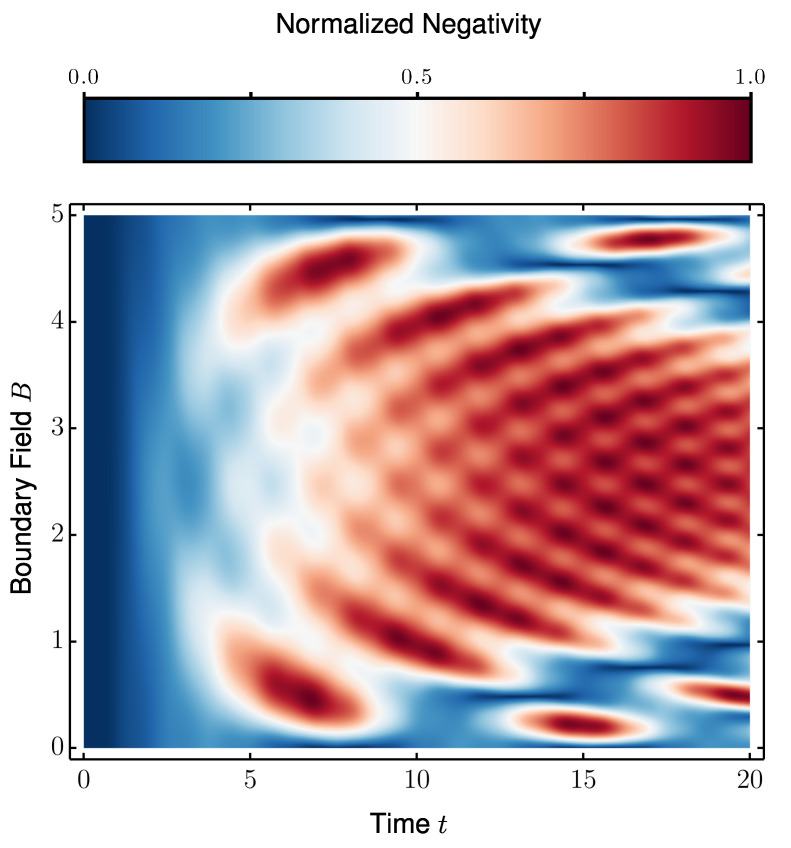 Figure 4
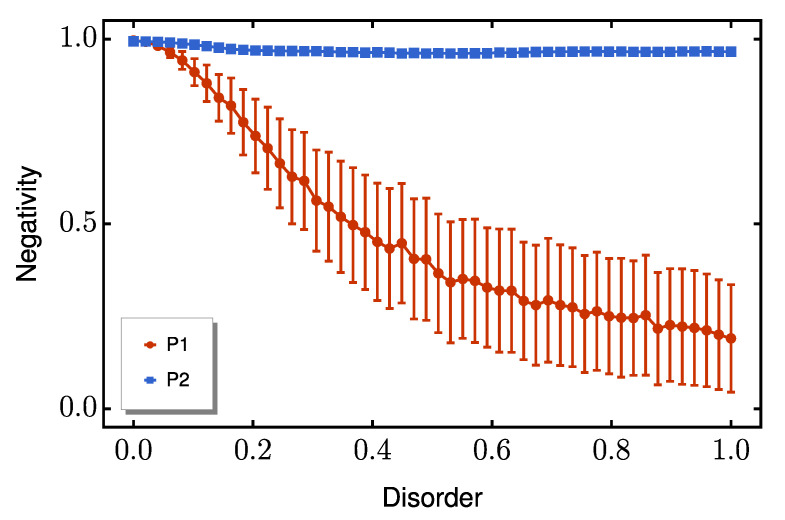 Figure 5
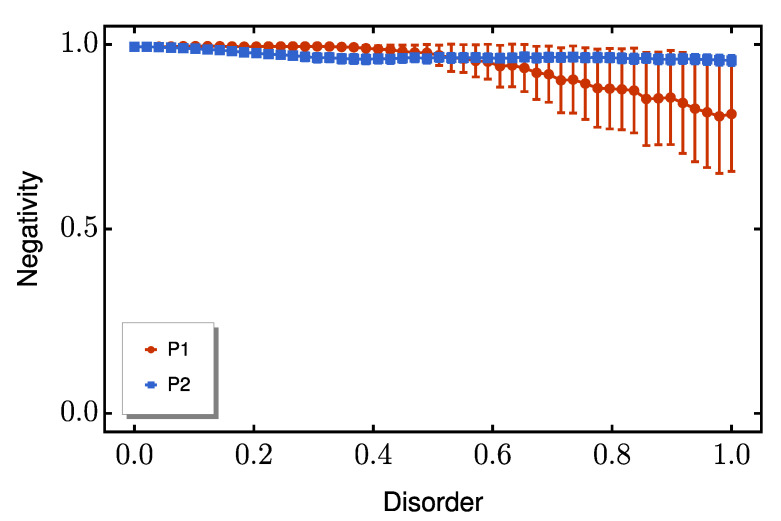 Figure 6
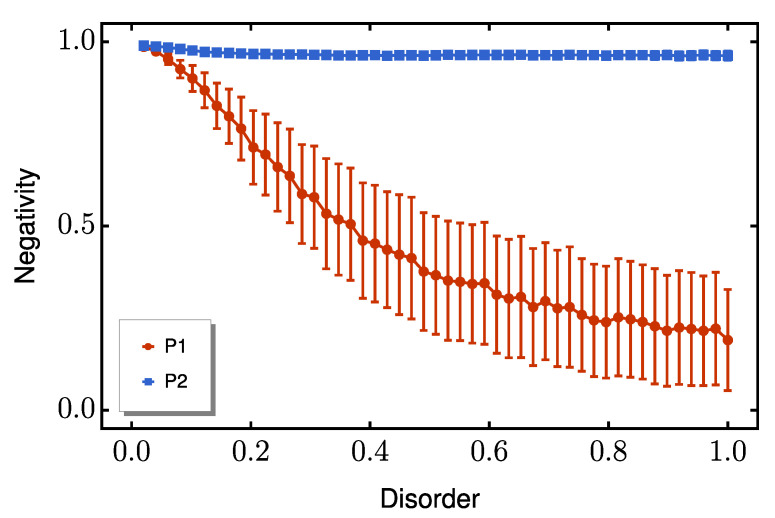 Figure 7
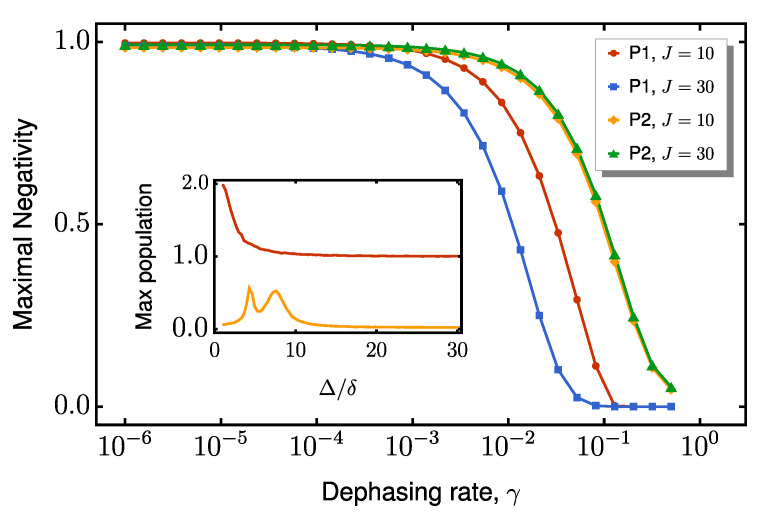 Figure 8
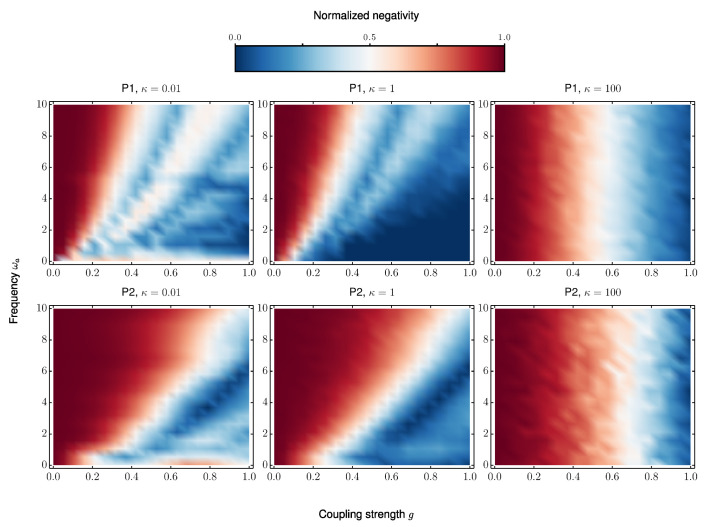 Figure 9
Peer Reviews
No public reviews on file for this paper yet. If you reviewed it on a platform where reviews are public (OpenReview, ICLR, NeurIPS, ICML), you can paste yours below so the community can read it here.
Videos
No videos yet. Explain this paper in a talk, walkthrough, or lecture? Add one.
Taxonomy
TopicsNeural Networks and Reservoir Computing · Computational Physics and Python Applications · Quantum many-body systems