Feasibility of Near-Infrared Spectroscopy for Monitoring Tissue Oxygenation During Uterus Transplantation and Hysterectomy
Jeremy Applebaum, Dan Zhao, Nawar Latif, Kathleen O’Neill

TL;DR
This study explores using near-infrared spectroscopy to monitor tissue oxygen levels during uterus transplants and hysterectomies, showing promising results for tracking blood flow changes.
Contribution
The study introduces near-infrared spectroscopy as a potential real-time, non-invasive tool for monitoring uterine graft perfusion.
Findings
StO2 levels decreased during hysterectomy as blood vessels were ligated, showing a clear correlation with reduced perfusion.
StO2 levels increased progressively during UTx as blood vessels were reconnected, indicating improved tissue oxygenation.
The results suggest that NIRS could be a viable method for monitoring graft viability during these procedures.
Abstract
Background/Objective: Thrombosis is the leading cause of graft failure and immediate hysterectomy following uterus transplantation (UTx). Currently, there is no standardized method for real-time assessment of UTx graft perfusion. This feasibility study aims to evaluate the utility of a near-infrared spectroscopy (NIRS) probe for non-invasive monitoring of local cervical tissue oxygenation (StO2) during UTx. As proof-of-concept for the NIRS device, cervical StO2 was also measured during non-donor hysterectomy and bilateral salpingo-oophorectomy to establish its capacity to reflect perfusion changes corresponding to vascular ligation. Methods: The ViOptix T. Ox Tissue Oximeter NIRS probe was attached to four uterine cervices during hysterectomy procedures and three separate donor cervices during UTx. Real-time StO2 measurements were recorded at critical surgical steps: baseline, ovarian…
Genes, proteins, chemicals, diseases, species, mutations and cell lines named across the full text — each resolved to its canonical identifier and authoritative record.
Click any figure to enlarge with its caption.
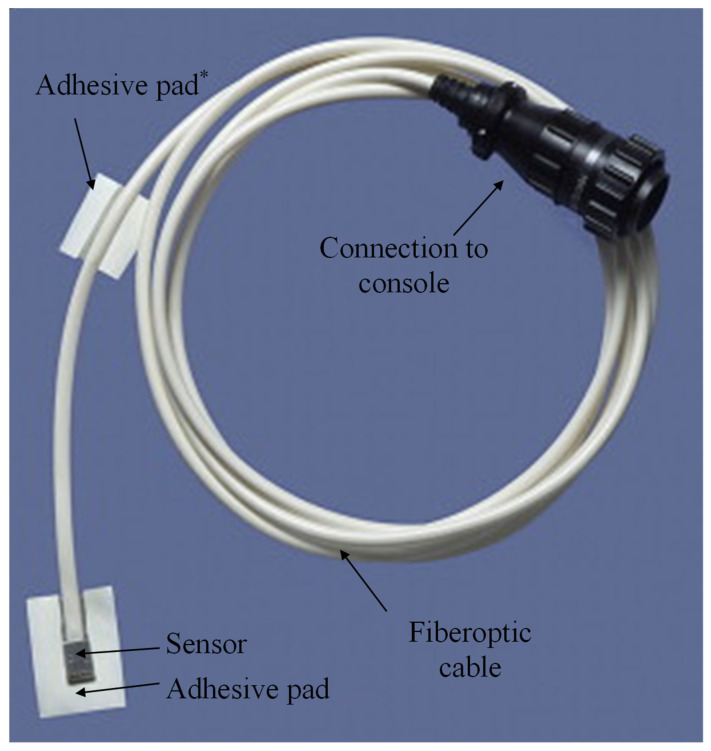 Figure 1
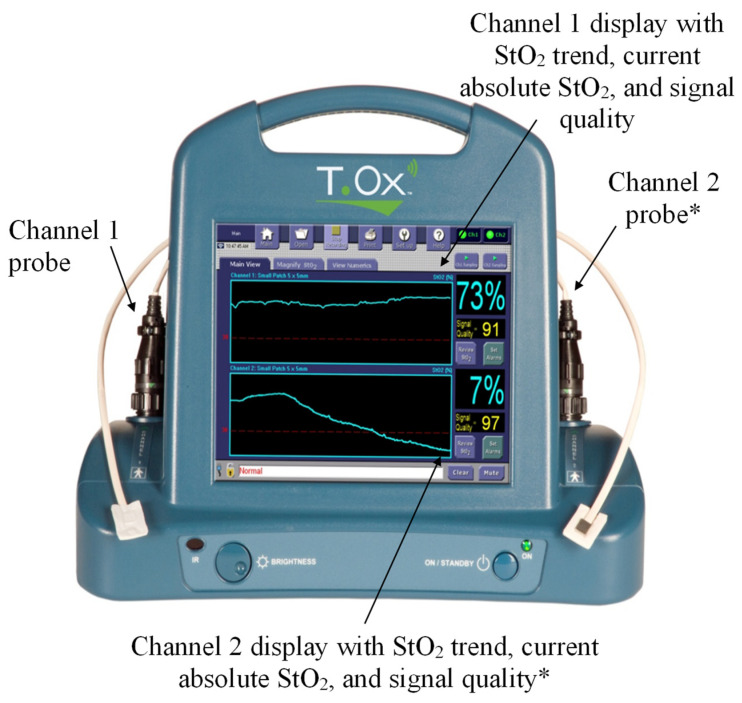 Figure 2
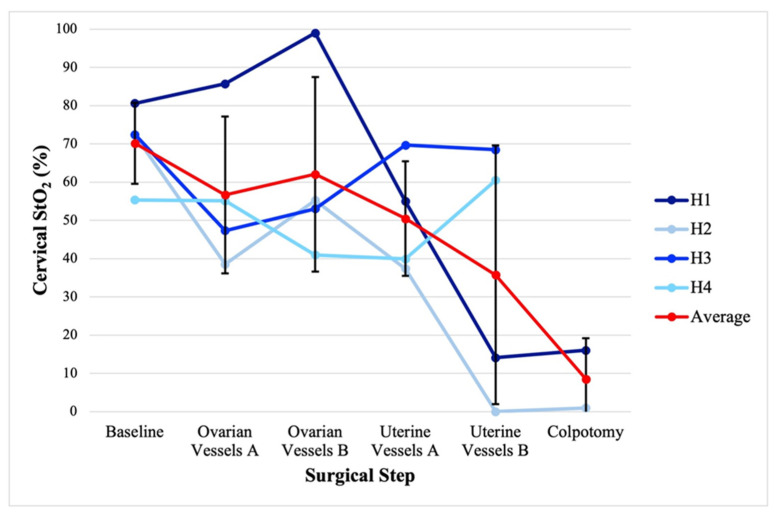 Figure 3
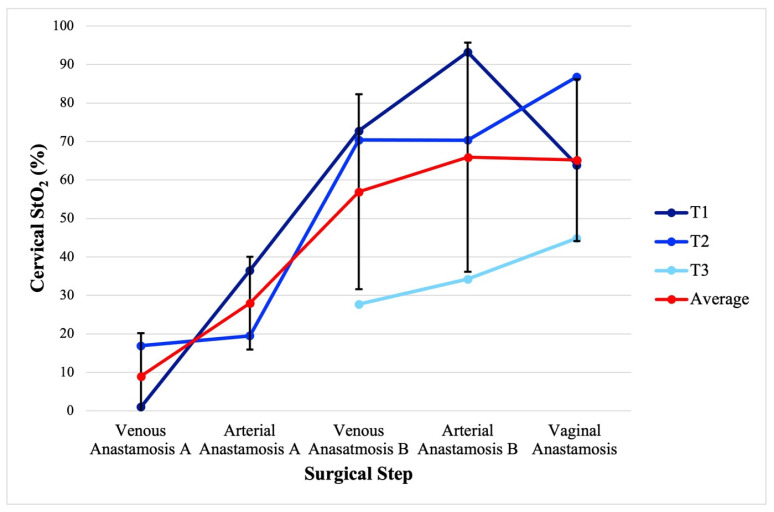 Figure 4
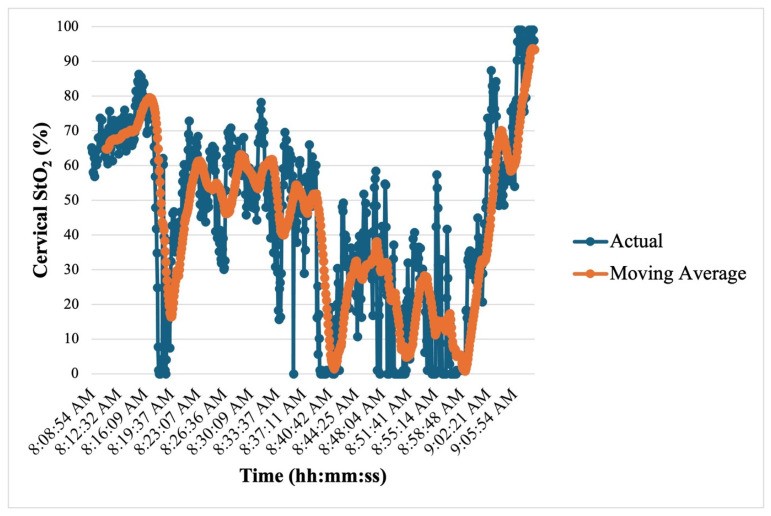 Figure 5
Peer Reviews
No public reviews on file for this paper yet. If you reviewed it on a platform where reviews are public (OpenReview, ICLR, NeurIPS, ICML), you can paste yours below so the community can read it here.
Videos
No videos yet. Explain this paper in a talk, walkthrough, or lecture? Add one.
Taxonomy
TopicsOrgan and Tissue Transplantation Research