Exploring the Proteomic Landscape of Cochlear Implant Trauma: An iTRAQ-Based Quantitative Analysis Utilizing an Ex Vivo Model
Jake Langlie, Rahul Mittal, David H. Elisha, Jaimee Cooper, Hannah Marwede, Julian Purrinos, Maria-Pia Tuset, Keelin McKenna, Max Zalta, Jeenu Mittal, Adrien A. Eshraghi

TL;DR
This study identifies proteins and pathways involved in cochlear damage during implantation, aiming to preserve residual hearing.
Contribution
Novel identification of trauma-induced proteomic changes in cochlear implantation using an ex vivo model and iTRAQ technology.
Findings
Distinct molecular pathways are activated in cochlear damage following electrode insertion trauma.
Confocal microscopy confirmed the expression of identified proteins in traumatized cochlear explants.
A topographic array of molecular pathways was observed from the base to apex of the cochlea post-trauma.
Abstract
Background: Cochlear implantation is widely used to provide auditory rehabilitation to individuals with severe-to-profound sensorineural hearing loss. However, electrode insertion during cochlear implantation leads to inner ear trauma, damage to sensory structures, and consequently, loss of residual hearing. There is very limited information regarding the target proteins involved in electrode insertion trauma (EIT) following cochlear implantation. Methods: The aim of our study was to identify target proteins and host molecular pathways involved in cochlear damage following EIT utilizing the iTRAQ™ (isobaric tags for relative and absolute quantification) technique using our ex vivo model. The organ of Corti (OC) explants were dissected from postnatal day 3 rats and subjected to EIT or left untreated (control). The proteins were extracted, labelled, and subjected to ultra-high performance…
Genes, proteins, chemicals, diseases, species, mutations and cell lines named across the full text — each resolved to its canonical identifier and authoritative record.
Click any figure to enlarge with its caption.
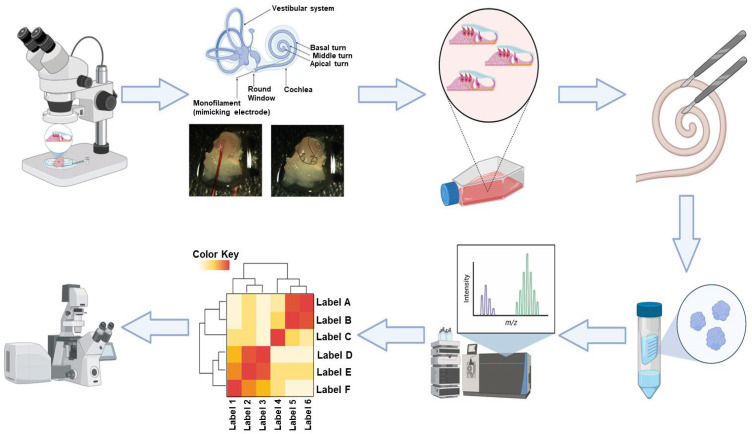 Figure 1
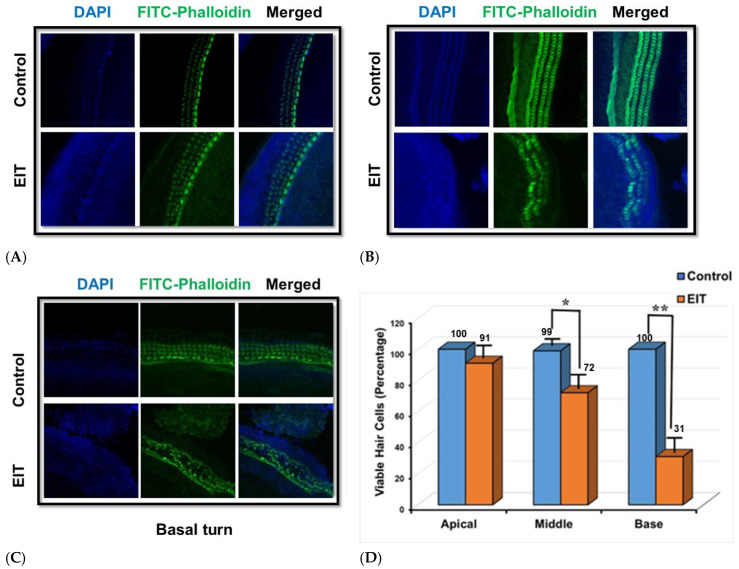 Figure 2
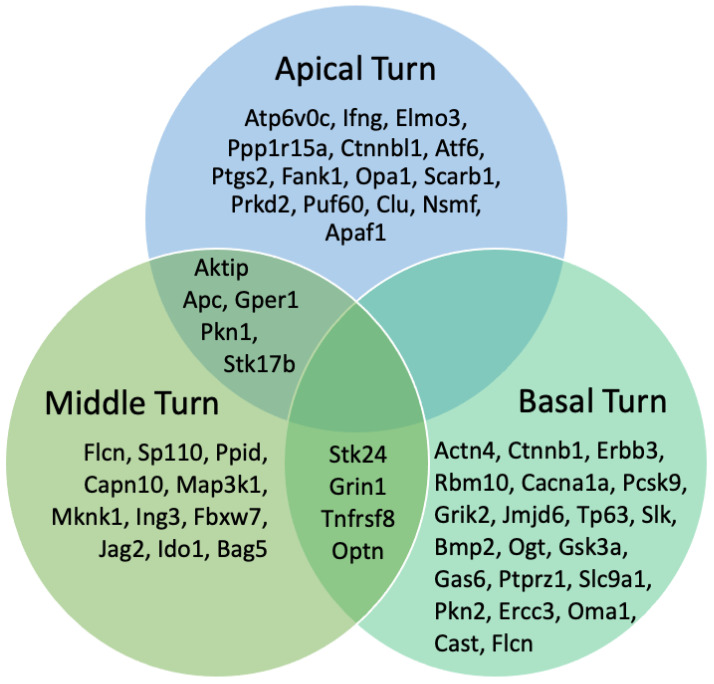 Figure 3
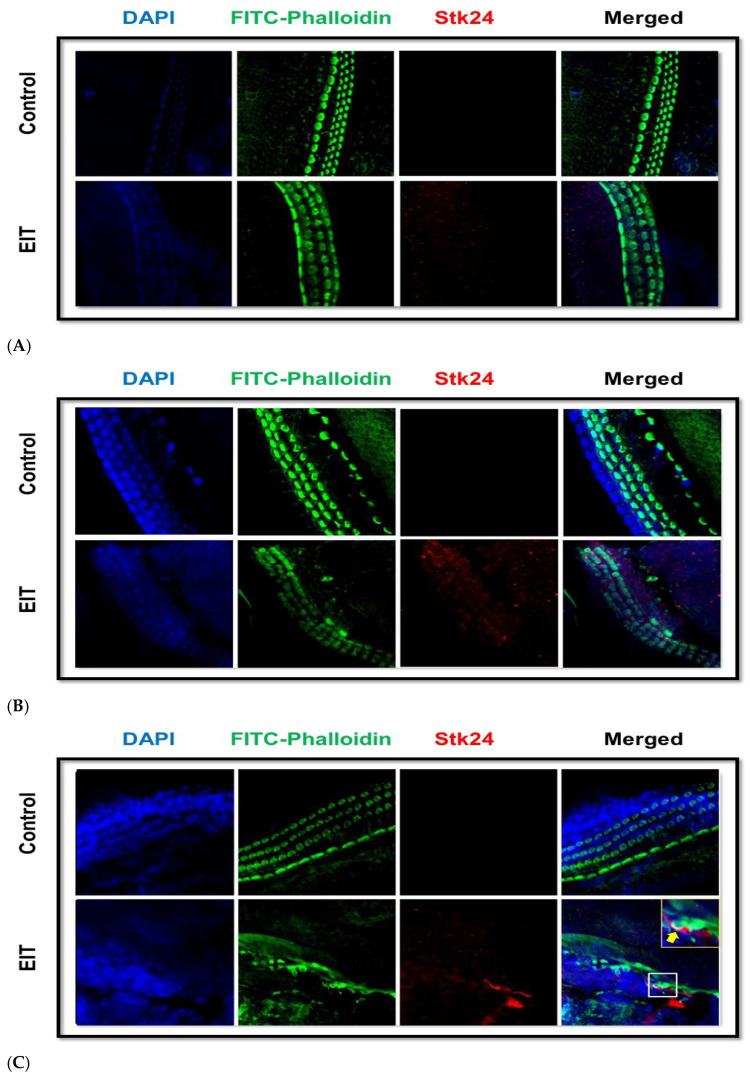 Figure 4
 Figure 5
Peer Reviews
No public reviews on file for this paper yet. If you reviewed it on a platform where reviews are public (OpenReview, ICLR, NeurIPS, ICML), you can paste yours below so the community can read it here.
Videos
No videos yet. Explain this paper in a talk, walkthrough, or lecture? Add one.
Taxonomy
TopicsS100 Proteins and Annexins · Salivary Gland Disorders and Functions