Bioinformatic Analysis of the Leptin–Ob-R Interface: Structural Modeling, Thermodynamic Profiling, and Stability in Diverse Microenvironments
Gabriel I. Ortega-López, Francisco Reyes-Espinosa, Víctor Eric López-Y-López, Claudia G. Benítez-Cardoza

TL;DR
This paper explores how leptin interacts with its receptor in different species and under various environmental conditions using bioinformatics.
Contribution
The study introduces a detailed bioinformatic analysis of leptin–Ob-R interactions across species and microenvironments.
Findings
Leptin–Ob-R interactions are primarily enthalpy-driven and sensitive to environmental changes.
Binding free energy ranges from −10.50 to −16.81 kcal/mol across species.
Sequence variations influence complex stability and environmental responsiveness.
Abstract
Leptin is an adipocyte-derived hormone that orchestrates different physiological processes, including energy balance, thermogenesis, immune regulation, reproduction, and tissue remodeling. These effects are mediated through interaction with the CRH2 domain of the leptin receptor (Ob-R). While the structural aspects of the interaction between leptin and Ob-R have been first studied in humans and mice, comparative analyses of stability across mammalian species under physiologically relevant microenvironmental conditions remain limited. We performed a bioinformatics-driven structural, stability, and thermodynamic characterization of the leptin–CRH2 complex. This included structural homology modeling using a full-length template, interface mapping, and binding energy estimation. Additionally, we analyzed the effect of pH, ionic strength, and temperature on complex formation to mimic…
Genes, proteins, chemicals, diseases, species, mutations and cell lines named across the full text — each resolved to its canonical identifier and authoritative record.
Click any figure to enlarge with its caption.
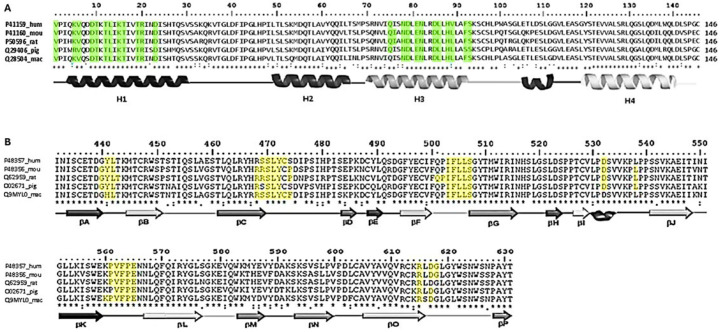 Figure 1
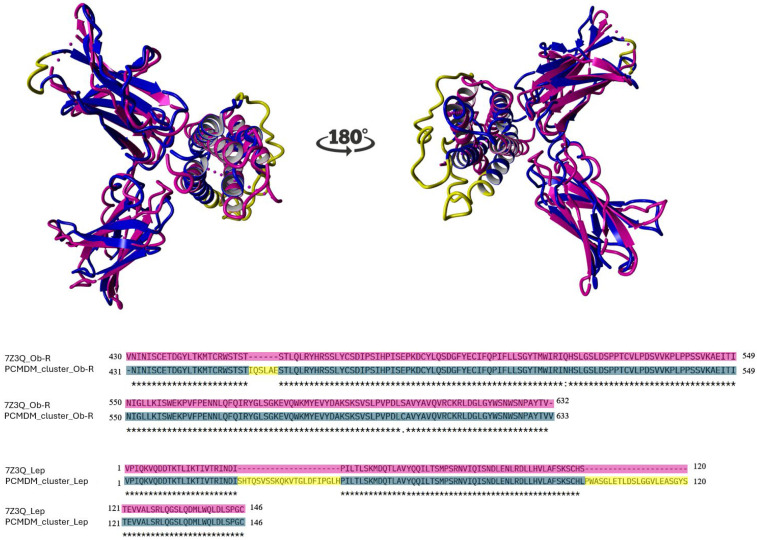 Figure 2
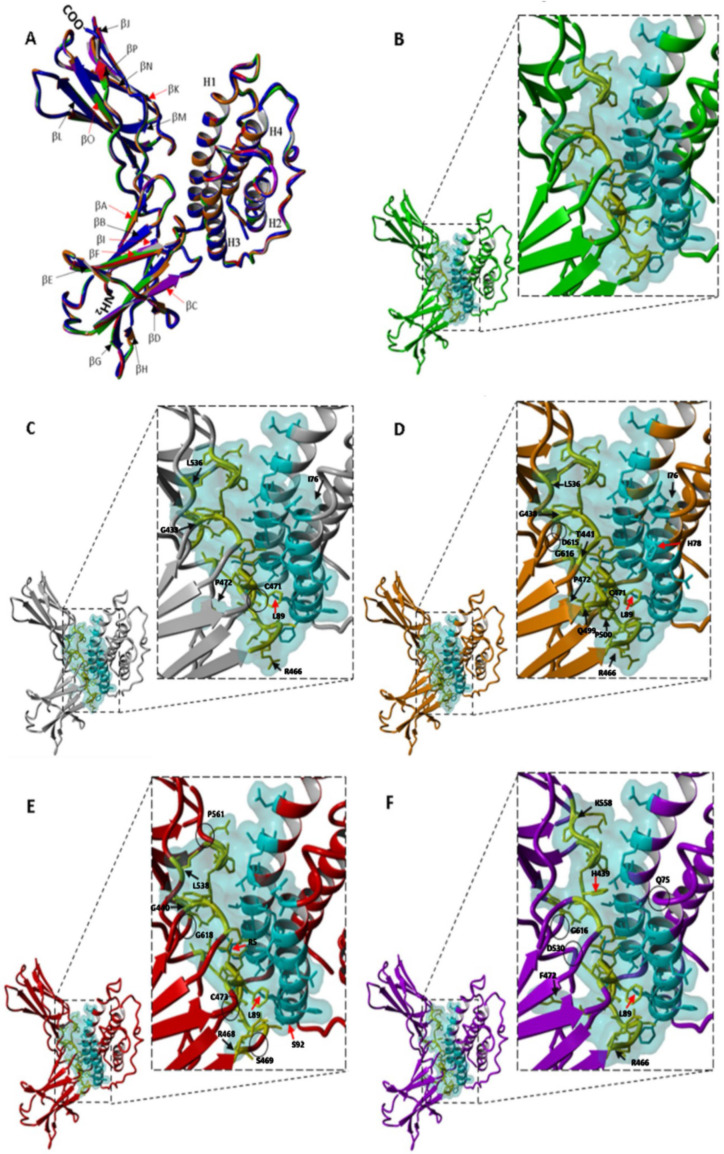 Figure 3
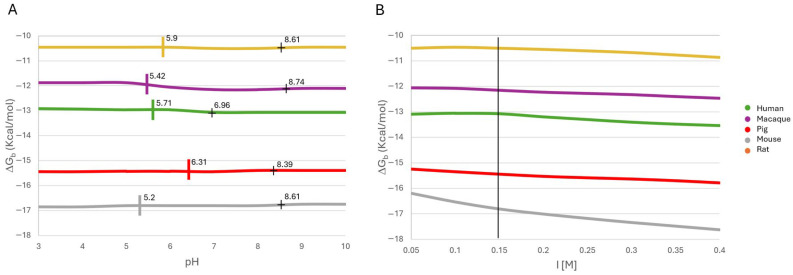 Figure 4
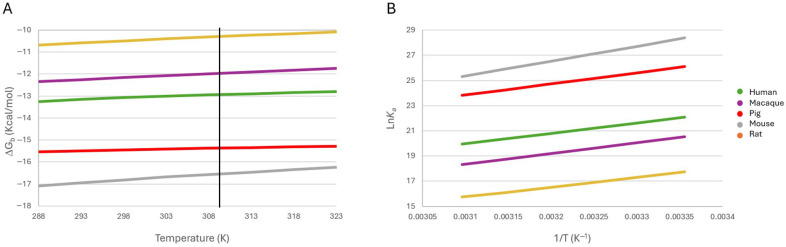 Figure 5
Peer Reviews
No public reviews on file for this paper yet. If you reviewed it on a platform where reviews are public (OpenReview, ICLR, NeurIPS, ICML), you can paste yours below so the community can read it here.
Videos
No videos yet. Explain this paper in a talk, walkthrough, or lecture? Add one.
Taxonomy
TopicsAdvanced Proteomics Techniques and Applications