Metabolic Profiling of Distinct TP53-Mutant Esophageal Adenocarcinoma Models Reveals Different Bioenergetic Dependencies
Erica Cataldi-Stagetti, Nicola Rizzardi, Arianna Orsini, Bianca De Nicolo, Chiara Diquigiovanni, Luca Pincigher, Noah Moruzzi, Romana Fato, Christian Bergamini, Elena Bonora

TL;DR
This study explores how different TP53 mutations in esophageal cancer cells affect their metabolism, revealing varied energy dependencies that could guide personalized treatments.
Contribution
The study identifies distinct metabolic profiles linked to specific TP53 mutations in esophageal adenocarcinoma models.
Findings
OE33 cells rely on glycolysis but show limited metabolic flexibility.
FLO1 cells exhibit aggressive glycolytic metabolism and thrive in acidic environments.
OE19 cells prefer oxidative phosphorylation and resist nutrient deprivation.
Abstract
Esophageal adenocarcinoma (EAC) is a highly aggressive malignancy with rising incidence and poor prognosis. TP53, previously identified as the most frequently mutated gene in EAC in our studies, plays a central role in tumor suppression and regulation. However, the metabolic consequences of TP53 mutations in EAC remain largely uncharacterized. We metabolically profiled three TP53-mutant EAC cell models (OE33, OE19, and FLO1) representing progressive stages of tumor differentiation and harboring distinct TP53 alterations. Our analyses revealed different metabolic phenotypes associated with TP53 status. OE33 cells predominantly use glycolytic metabolism but display limited adaptability to environmental changes, possibly due to a higher differentiation state. FLO1 cells exhibit a strong glycolytic dependence, elevated lactate production, and robust proliferation under acidic conditions,…
Genes, proteins, chemicals, diseases, species, mutations and cell lines named across the full text — each resolved to its canonical identifier and authoritative record.
Click any figure to enlarge with its caption.
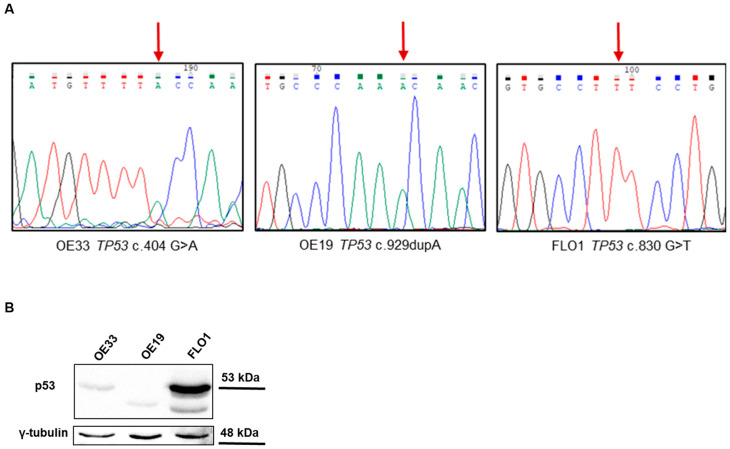 Figure 1
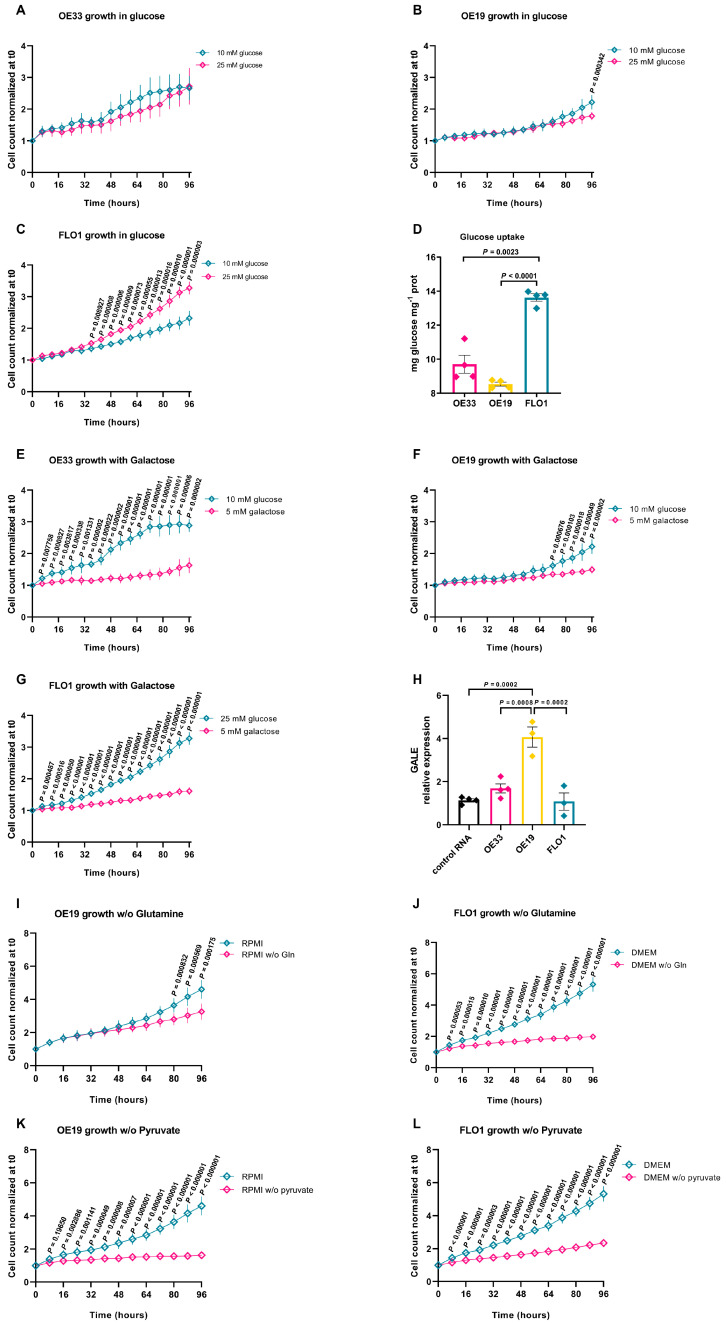 Figure 2
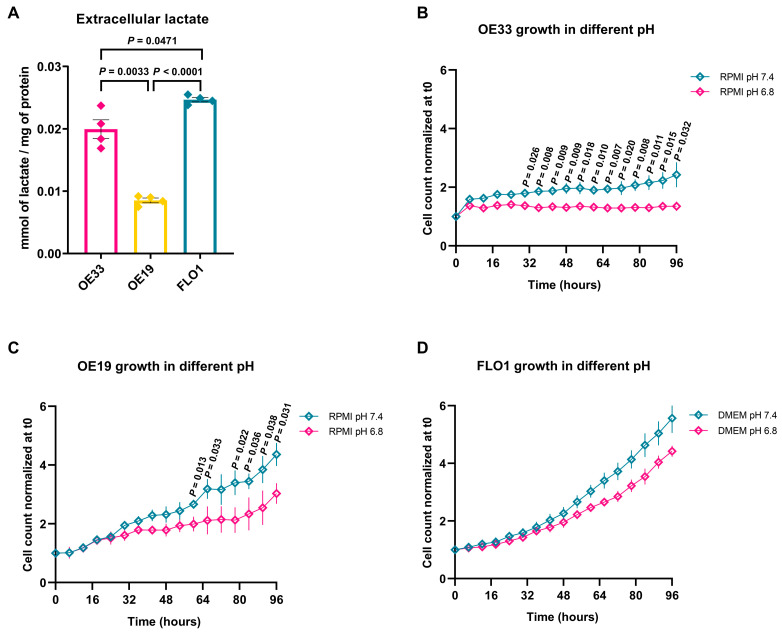 Figure 3
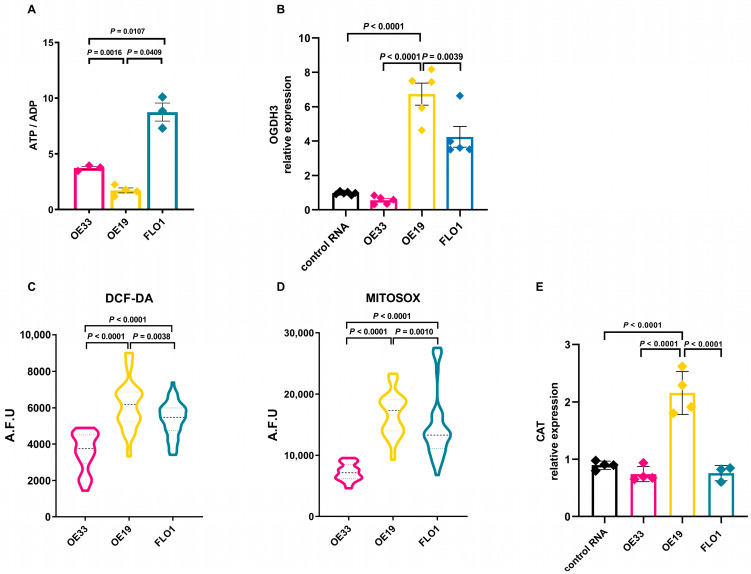 Figure 4
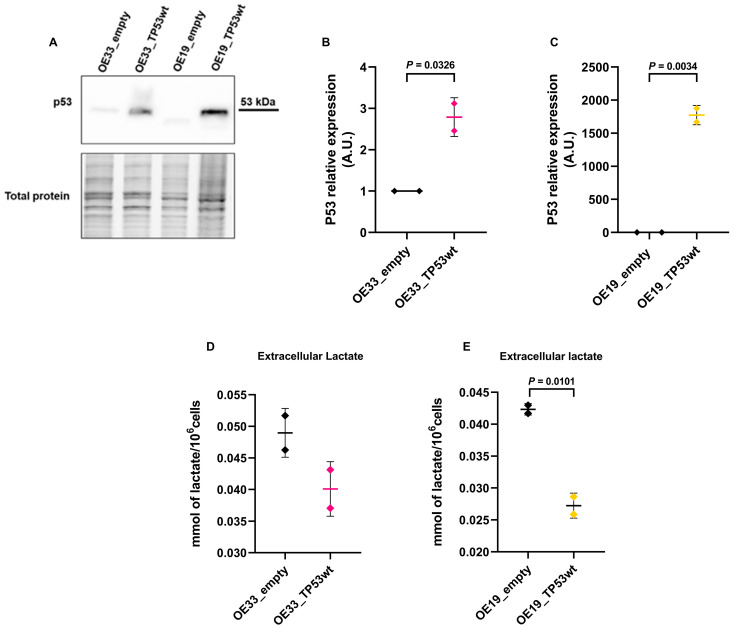 Figure 5
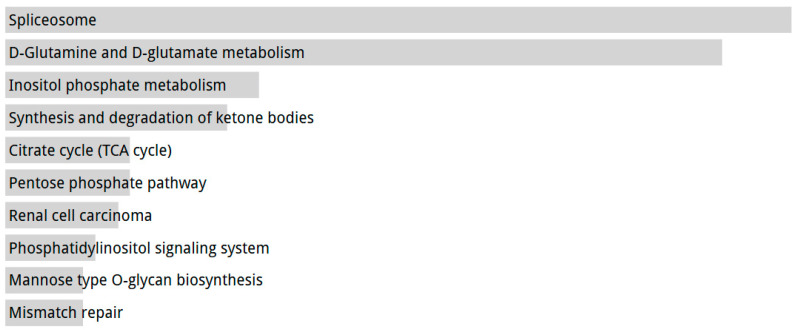 Figure 6
Peer Reviews
No public reviews on file for this paper yet. If you reviewed it on a platform where reviews are public (OpenReview, ICLR, NeurIPS, ICML), you can paste yours below so the community can read it here.
Videos
No videos yet. Explain this paper in a talk, walkthrough, or lecture? Add one.
Taxonomy
TopicsCancer, Hypoxia, and Metabolism · RNA modifications and cancer · Epigenetics and DNA Methylation