Evolutionary Dynamics of Glycoside Hydrolase Family 1 Provide Insights into Insect–Plant Interactions in Lepidoptera
Yanping Yuan, Xidan Zhang, Jinyu Wu, Jun Li, Zhengbo He, Wenbo Fu, Amrita Chakraborty, Shulin He

TL;DR
This study explores how glycoside hydrolase family 1 (GH1) genes evolved in butterflies and moths, revealing their role in insect-plant interactions and adaptation to host plants.
Contribution
The study provides the first comprehensive analysis of GH1 gene evolution in Lepidoptera, linking gene duplication patterns to insect adaptation to plant feeding.
Findings
996 GH1 genes were identified and grouped into 11 categories with distinct species diversity.
Gene duplications, especially tandem and dispersed types, were found to be central to GH1 evolution in Lepidoptera.
High GH1 gene expression in larval midgut and fat body suggests roles in digestion and detoxification.
Abstract
Lepidopteran insects rely on special enzymes to break down plant materials and protect themselves from plant toxicants. One important group of these enzymes is glycoside hydrolase family 1 (GH1). In this study, we examined GH1 genes in 61 species of butterflies and moths to understand how these genes evolved and how they help insects interact with plants. We identified 996 GH1 genes and grouped them into 11 categories, with each displaying different species diversity. Most GH1 genes originated through gene duplications, especially tandem and dispersed duplications. In addition, we examined the expression of these genes in the silkworm and found certain highly expressed GH1 genes during larval stages, especially in tissues involved in digestion. These results showed that the evolutionary history of GH1 genes in Lepidoptera reflects their adaptation to plant feeding, providing insights…
Genes, proteins, chemicals, diseases, species, mutations and cell lines named across the full text — each resolved to its canonical identifier and authoritative record.
Click any figure to enlarge with its caption.
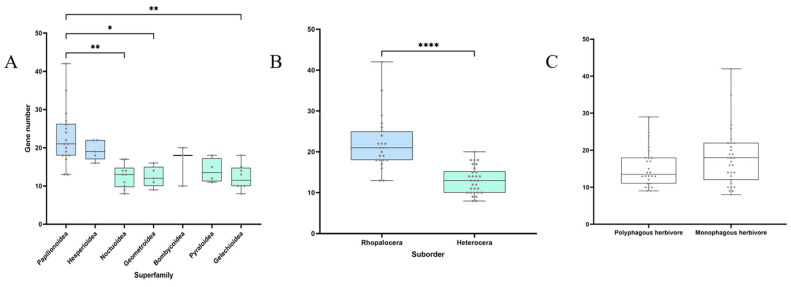 Figure 1
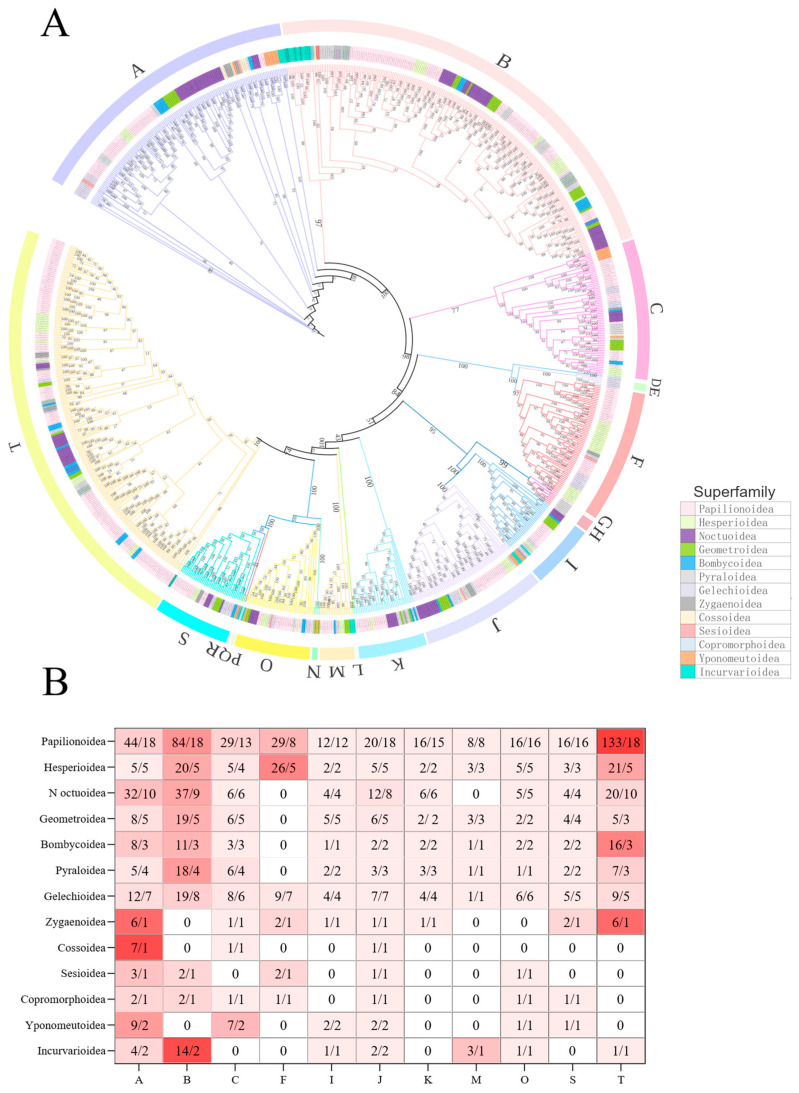 Figure 2
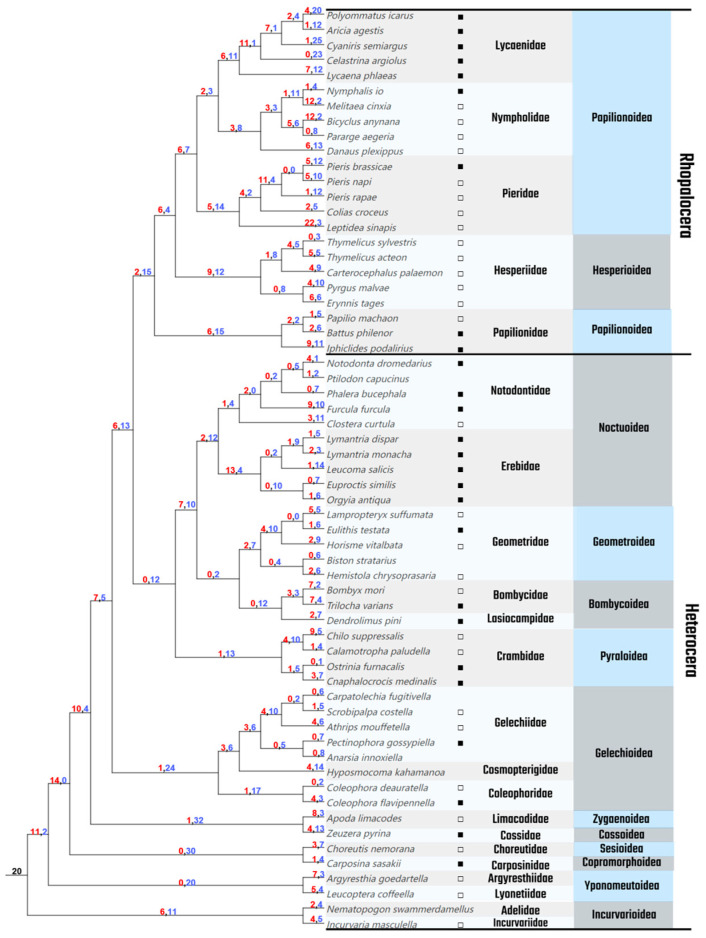 Figure 3
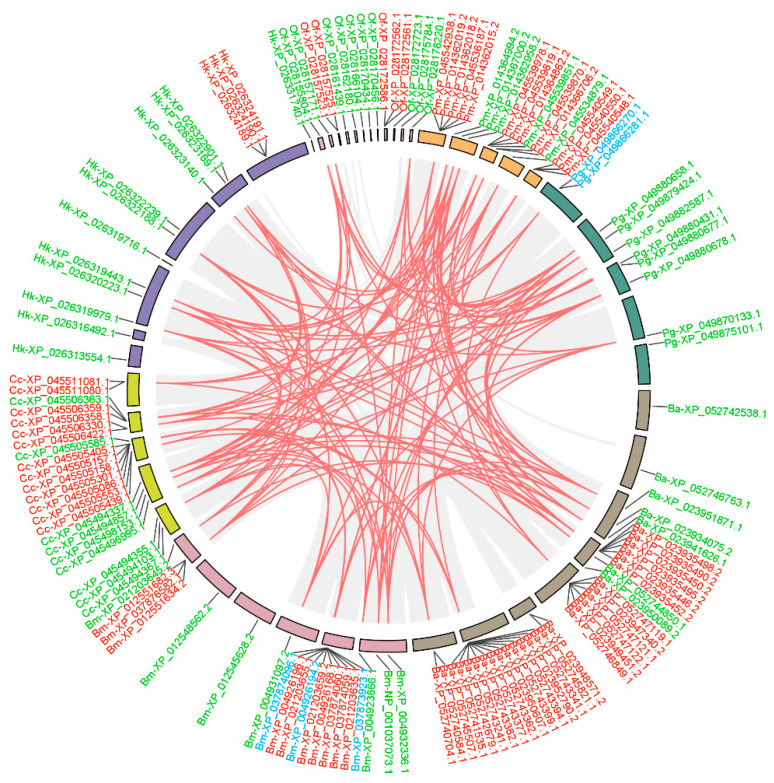 Figure 4
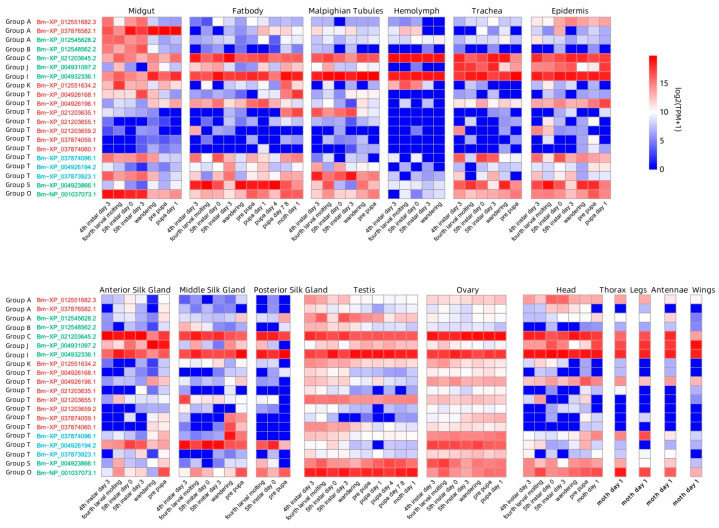 Figure 5
Peer Reviews
No public reviews on file for this paper yet. If you reviewed it on a platform where reviews are public (OpenReview, ICLR, NeurIPS, ICML), you can paste yours below so the community can read it here.
Videos
No videos yet. Explain this paper in a talk, walkthrough, or lecture? Add one.
Taxonomy
TopicsInsect Resistance and Genetics · Insect and Arachnid Ecology and Behavior · Insect Utilization and Effects