The Value of Individual Screen Response Time in Predicting Student Test Performance: Evidence from TIMSS 2019 Problem Solving and Inquiry Tasks
Bin Tan, Okan Bulut

TL;DR
This study shows that how students' response times vary across test screens better predicts their performance than average response time.
Contribution
It introduces a method to decompose response time's predictive power into pattern and level effects using fine-grained screen-level data.
Findings
Within-person variability in response time (pattern effect) significantly outperforms average response time (level effect) in predicting test scores.
Each screen's response time has unique predictive power for performance, with varying strength and direction.
Results are consistent across different student achievement groups and validated through cross-validation.
Abstract
The time students spend on answering a test item (i.e., response time) and its relationship to performance can vary significantly from one item to another. Thus, using total or average response time across all items to predict overall test performance may lead to a loss of information, particularly with respect to within-person variability, which refers to fluctuations in a student’s standardized response times across different items. This study aims to demonstrate the predictive and explanatory value of including within-person variability in predicting and explaining students’ test scores. The data came from 13,829 fourth-grade students who completed the mathematics portion of Problem Solving and Inquiry (PSI) tasks in the 2019 Trends in International Mathematics and Science Study (TIMSS). In this assessment, students navigated through a sequence of interactive screens, each containing…
Genes, proteins, chemicals, diseases, species, mutations and cell lines named across the full text — each resolved to its canonical identifier and authoritative record.
Click any figure to enlarge with its caption.
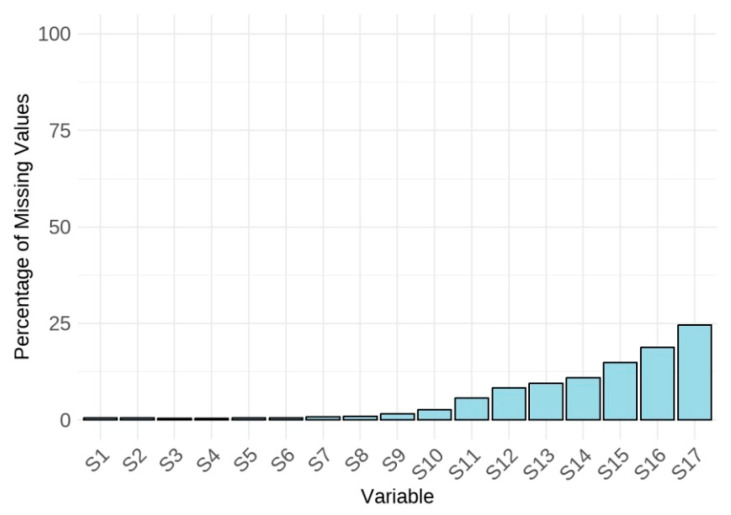 Figure 1
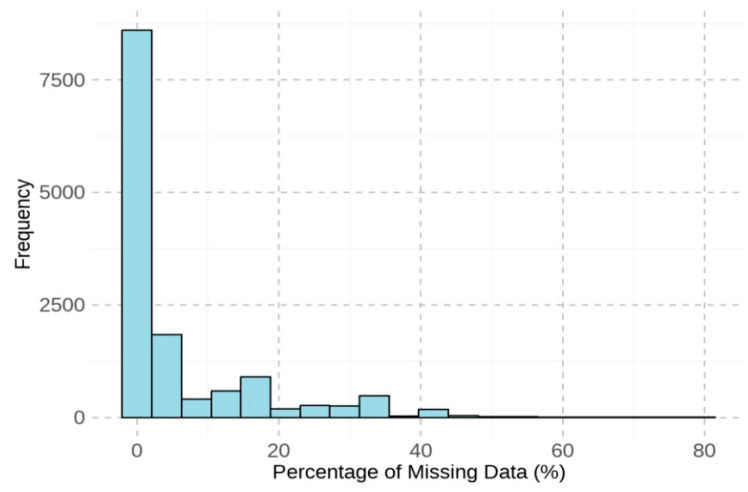 Figure 2
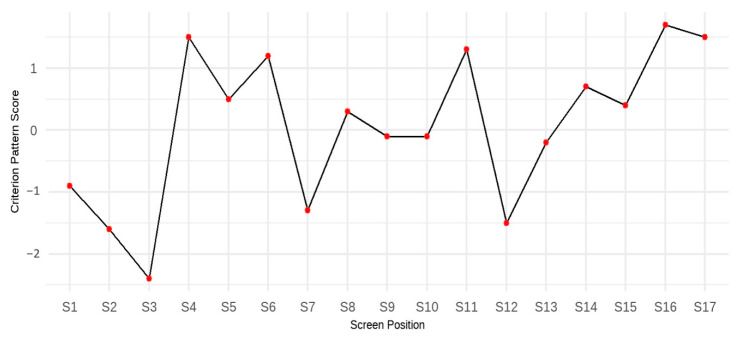 Figure 3
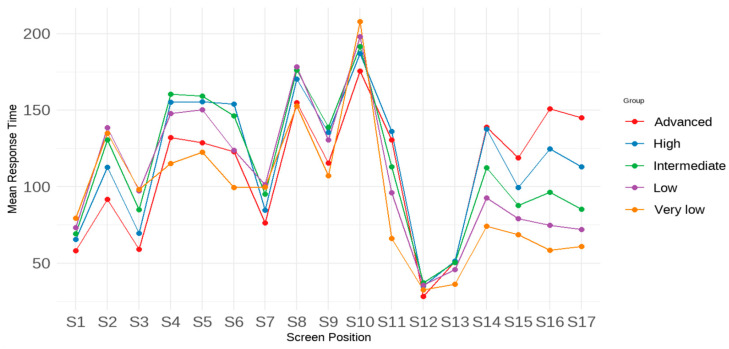 Figure 4
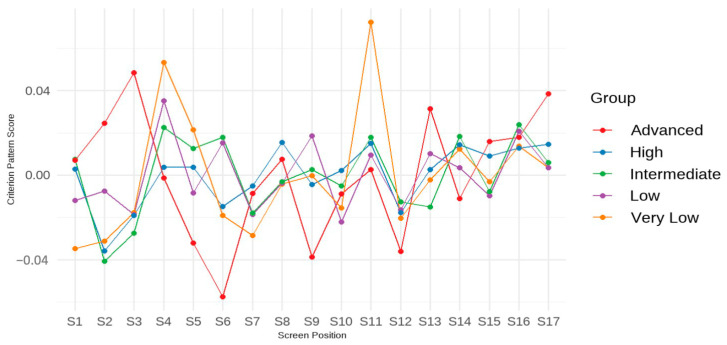 Figure 5
Peer Reviews
No public reviews on file for this paper yet. If you reviewed it on a platform where reviews are public (OpenReview, ICLR, NeurIPS, ICML), you can paste yours below so the community can read it here.
Videos
No videos yet. Explain this paper in a talk, walkthrough, or lecture? Add one.
Taxonomy
TopicsVisual and Cognitive Learning Processes · Online Learning and Analytics · Statistics Education and Methodologies