An Analysis of Arterial Pulse Wave Time Features and Pulse Wave Velocity Calculations Based on Radial Electrical Bioimpedance Waveforms in Patients Scheduled for Coronary Catheterization
Kristina Lotamõis, Tiina Uuetoa, Andrei Krivošei, Paul Annus, Margus Metshein, Marek Rist, Sulev Margus, Mart Min, Gert Tamberg

TL;DR
This study explores using radial electrical bioimpedance to measure cardiovascular parameters like pulse wave velocity, comparing it to traditional methods in patients undergoing coronary catheterization.
Contribution
The study introduces a novel parameter, complimentary pulse wave velocity (CPWV), and evaluates its potential for cardiovascular risk assessment.
Findings
EBI-derived pulse arrival time showed high correlation with invasive pulse wave velocity measurements.
Complimentary pulse wave velocity (CPWV) was significantly lower in patients with normal coronary arteries.
Seven points of interest were identified on EBI and pressure curves, with four selected for further analysis.
Abstract
The monitoring of peripheral electrical bioimpedance (EBI) variations is a promising method that has the potential to replace invasive or burdensome techniques for cardiovascular measurements. Segmental or continuous recording of peripheral pulse waves can serve as a basis for calculating prognostic markers like pulse wave velocity (PWV) or include parameters such as pulse transit time (PTT) or pulse arrival time (PAT) for noninvasive blood pressure (BP) estimation, as well as potentially novel cardiovascular risk indicators. However, several technical, analytical, and interpretative aspects need to be resolved before the EBI method can be adopted in clinical practice. Our goal was to investigate and improve the application of EBI, executing its comparison with other cardiovascular assessment methods in patients hospitalized for coronary catheterization procedures. Methods: We analyzed…
Genes, proteins, chemicals, diseases, species, mutations and cell lines named across the full text — each resolved to its canonical identifier and authoritative record.
Click any figure to enlarge with its caption.
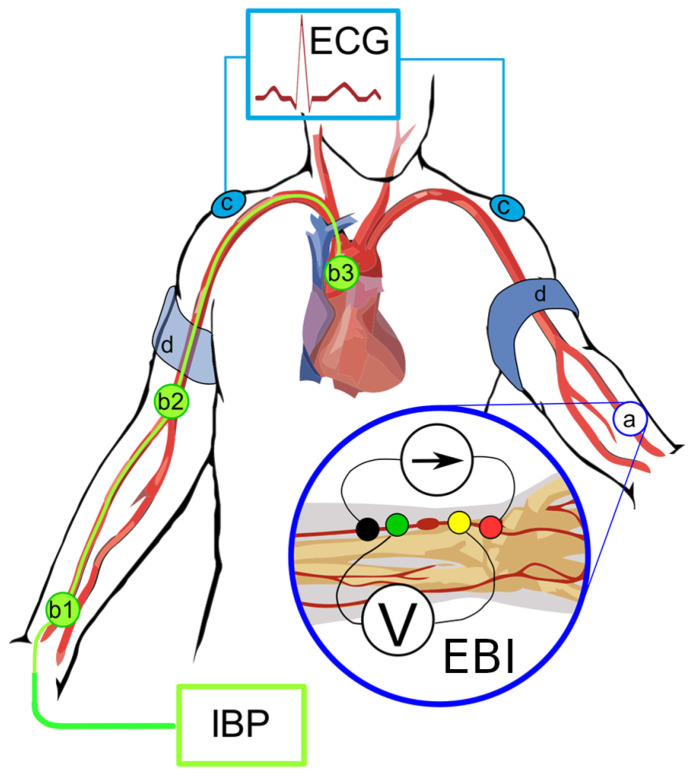 Figure 1
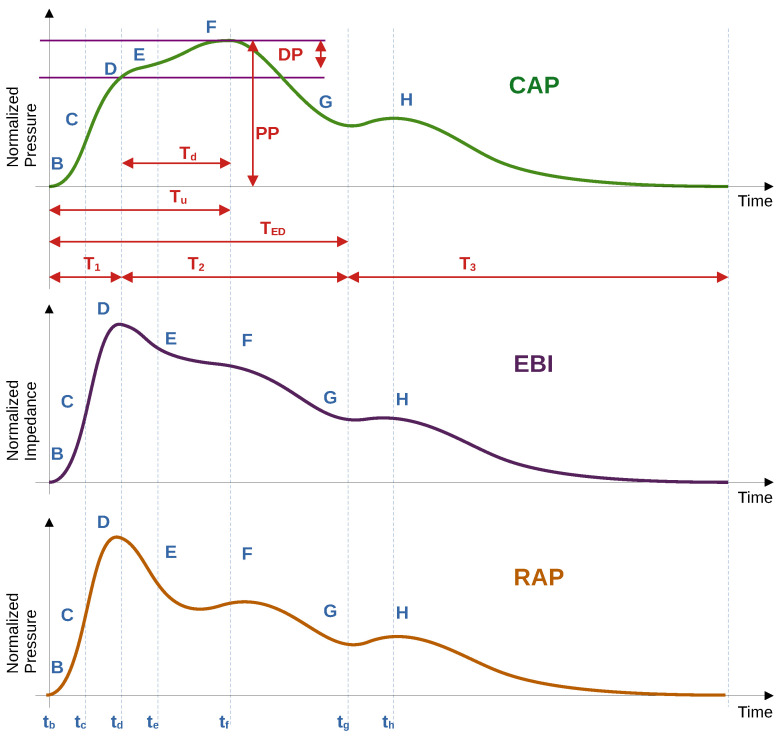 Figure 2
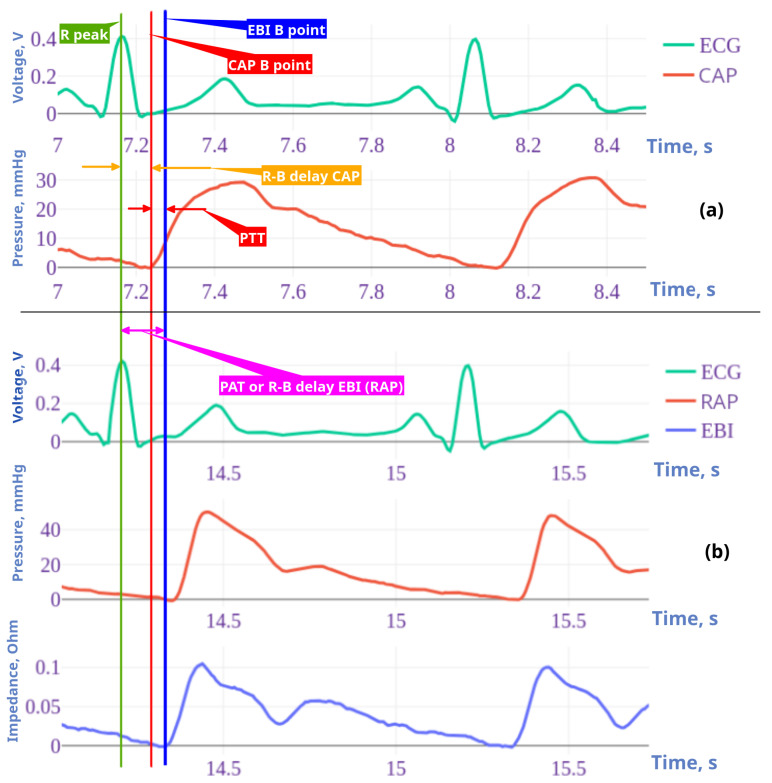 Figure 3
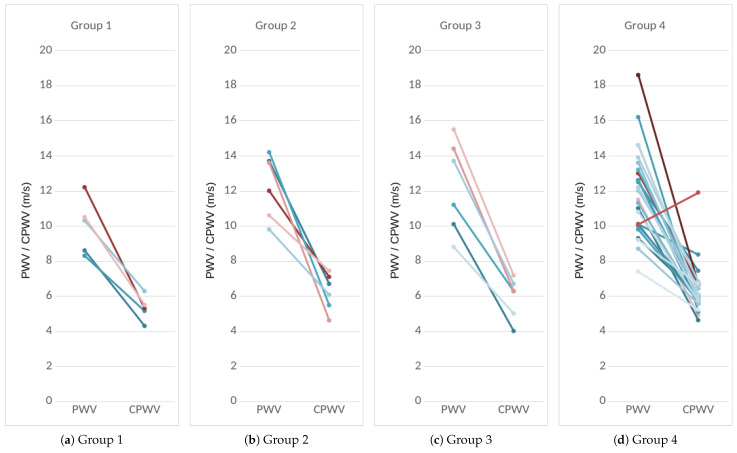 Figure 4
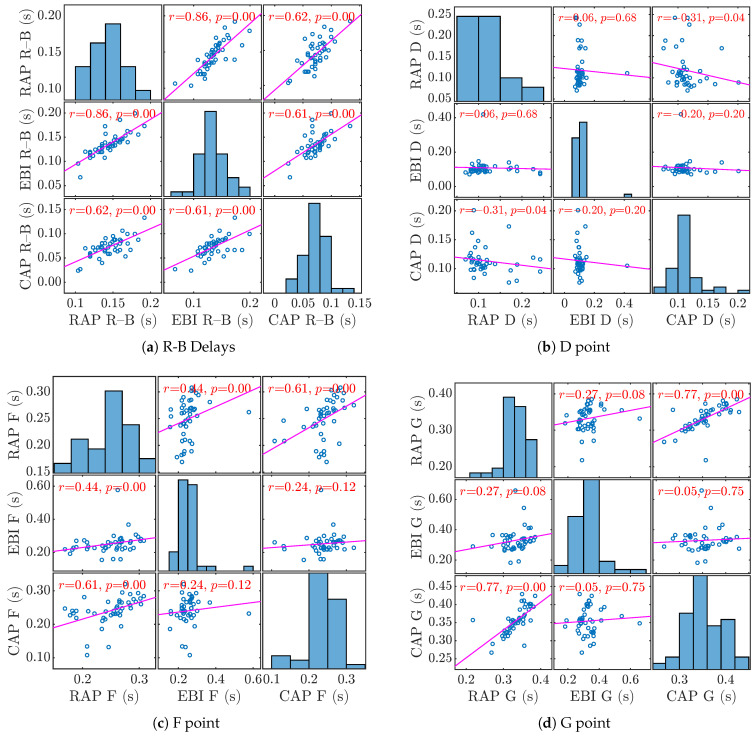 Figure 5
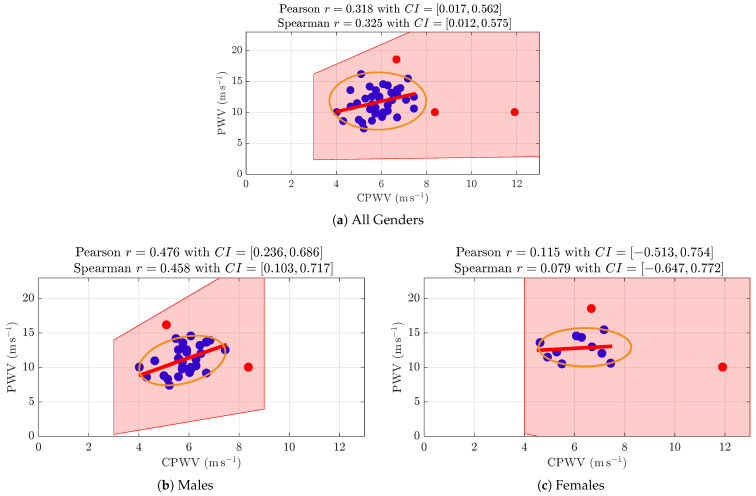 Figure 6
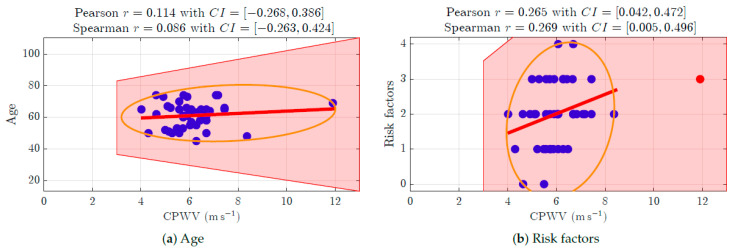 Figure 7
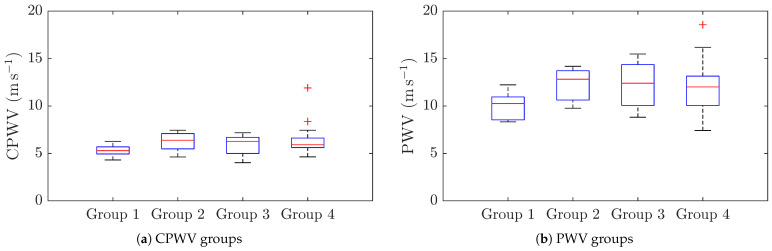 Figure 8
Peer Reviews
No public reviews on file for this paper yet. If you reviewed it on a platform where reviews are public (OpenReview, ICLR, NeurIPS, ICML), you can paste yours below so the community can read it here.
Videos
No videos yet. Explain this paper in a talk, walkthrough, or lecture? Add one.
Taxonomy
TopicsCardiovascular Health and Disease Prevention · Hemodynamic Monitoring and Therapy · Non-Invasive Vital Sign Monitoring