Robust Fractional Low Order Adaptive Linear Chirplet Transform and Its Application to Fault Analysis
Junbo Long, Changshou Deng, Haibin Wang, Youxue Zhou

TL;DR
This paper introduces new methods for analyzing mechanical fault vibrations in noisy environments using advanced time-frequency analysis techniques.
Contribution
The novel contribution is the development of robust fractional low-order adaptive chirplet transforms for noise suppression in fault vibration signals.
Findings
The proposed FLOACT and FLOASCT methods effectively handle mixed noise in time-frequency analysis.
Improved methods show good performance in estimating fault signals with lower mean square noise ratio.
Experimental results confirm robustness and adaptability in complex noise environments.
Abstract
Time-frequency analysis (TFA) technology is an important tool for analyzing non-Gaussian mechanical fault vibration signals. In the complex background of infinite variance process noise and Gaussian colored noise, it is difficult for traditional methods to obtain the highly concentrated time-frequency representation (TFR) of fault vibration signals. Based on the insensitive property of fractional low-order statistics for infinite variance and Gaussian processes, robust fractional lower order adaptive linear chirplet transform (FLOACT) and fractional lower order adaptive scaling chirplet transform (FLOASCT) methods are proposed to suppress the mixed complex noise in this paper. The calculation steps and processes of the algorithms are summarized and deduced in detail. The experimental simulation results show that the improved FLOACT and FLOASCT methods have good effects on…
Genes, proteins, chemicals, diseases, species, mutations and cell lines named across the full text — each resolved to its canonical identifier and authoritative record.
Click any figure to enlarge with its caption.
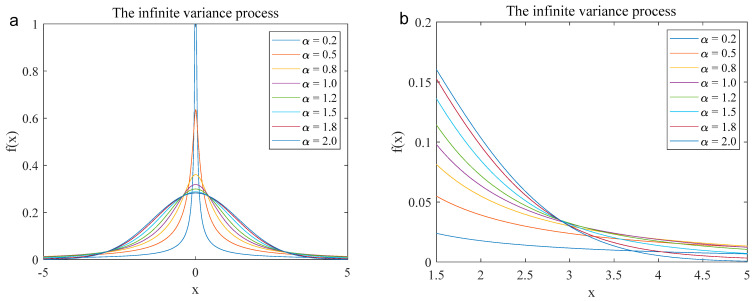 Figure 1
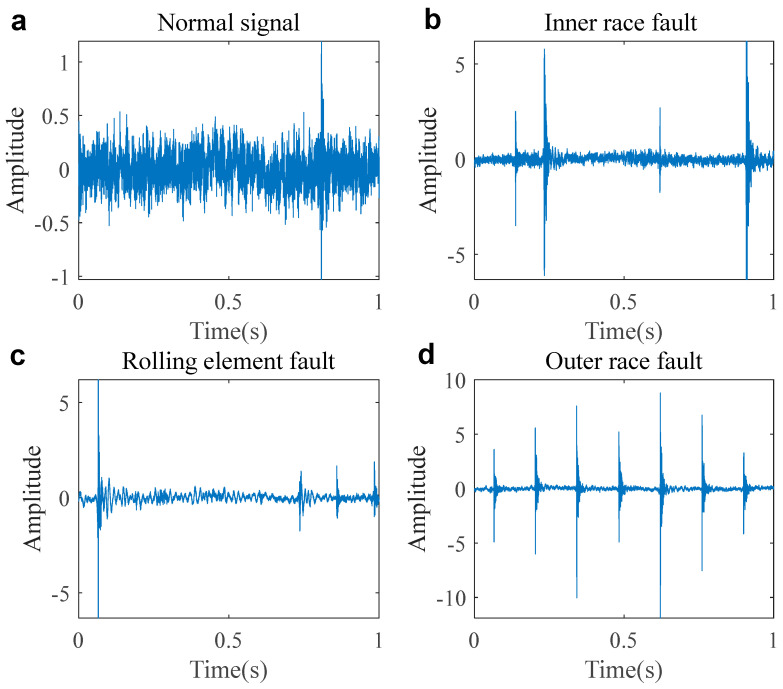 Figure 2
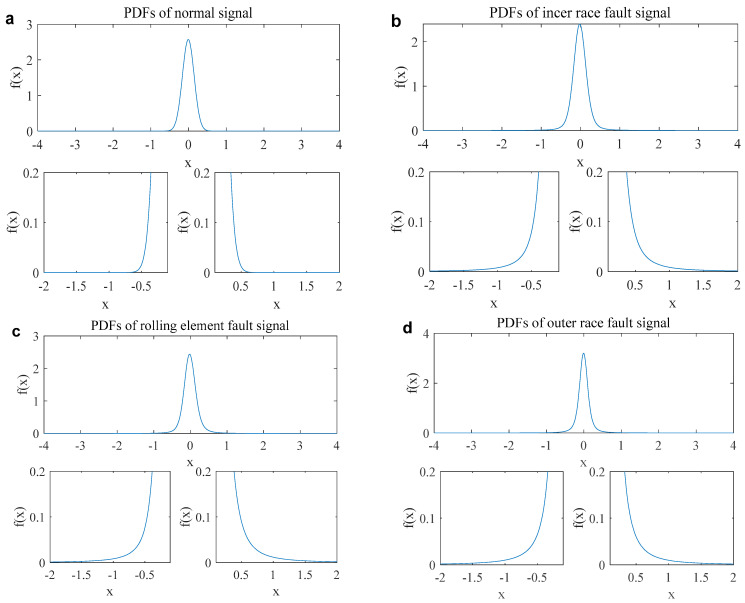 Figure 3
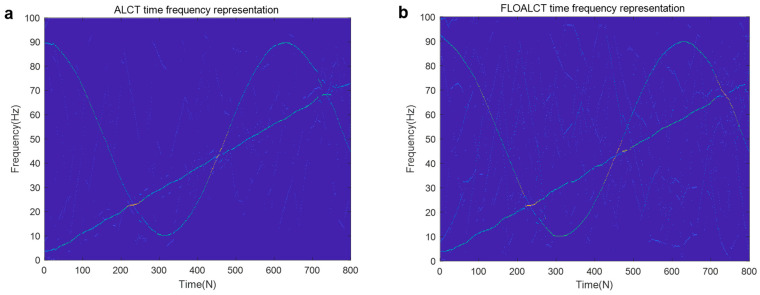 Figure 4
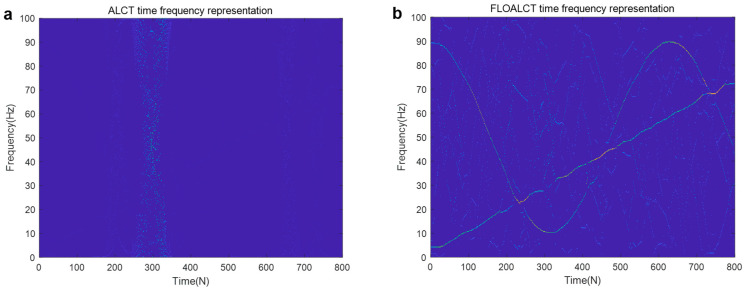 Figure 5
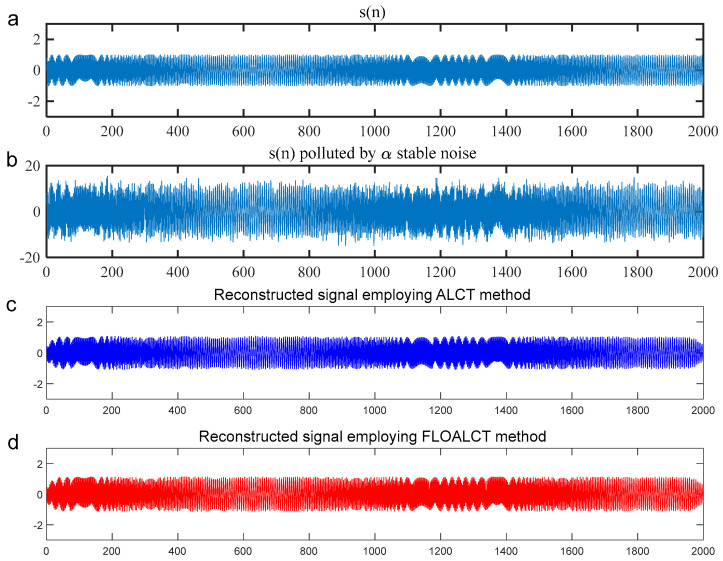 Figure 6
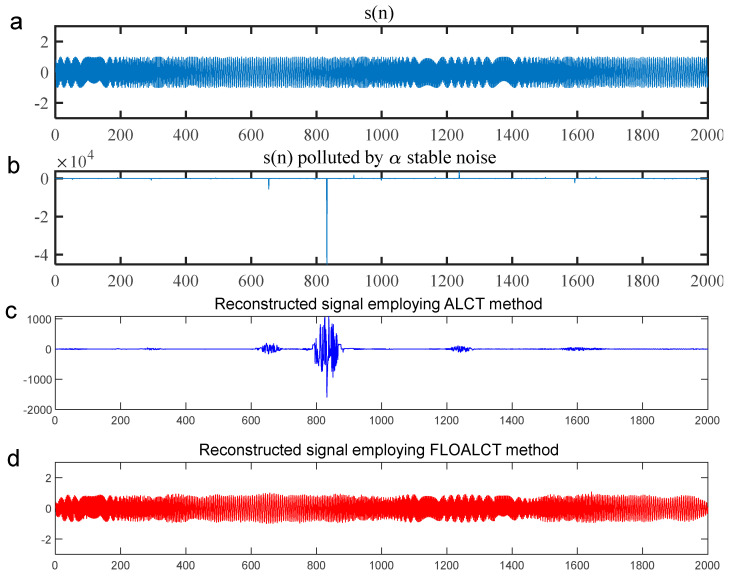 Figure 7
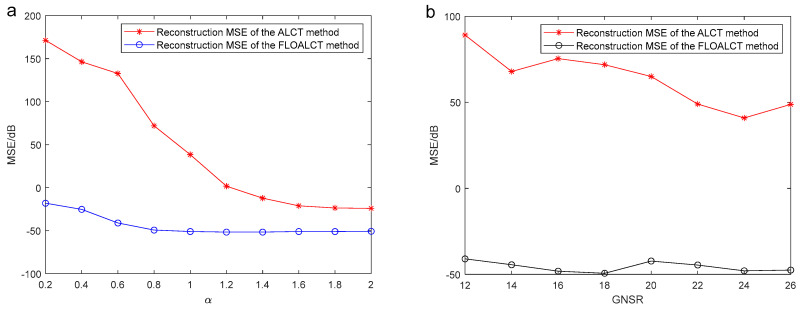 Figure 8
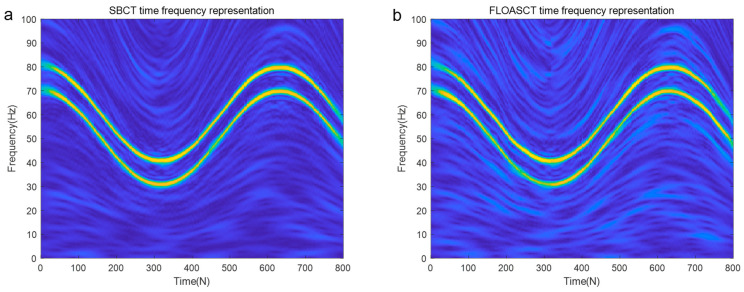 Figure 9
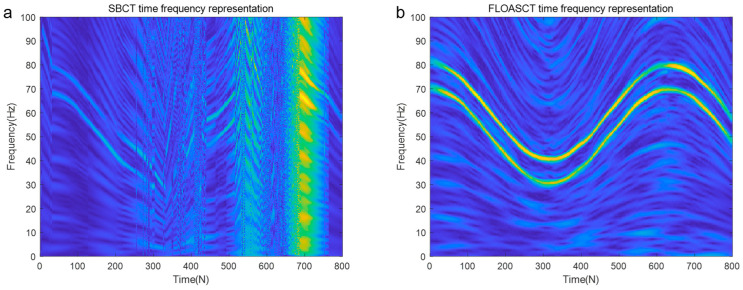 Figure 10
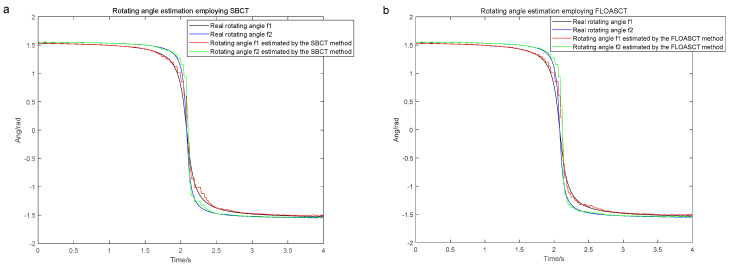 Figure 11
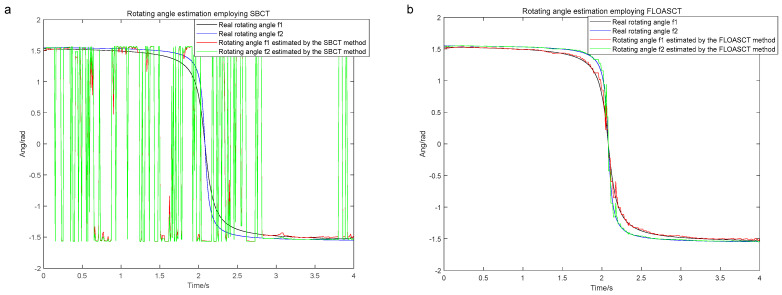 Figure 12
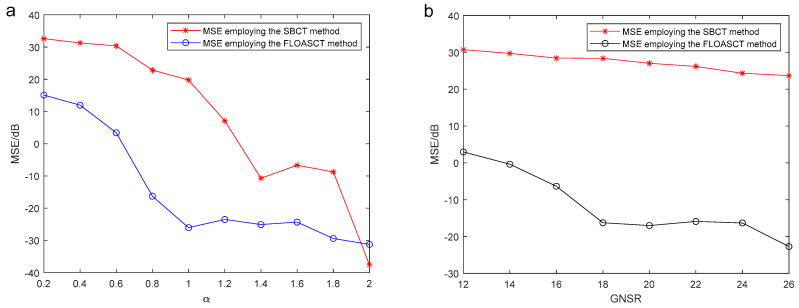 Figure 13
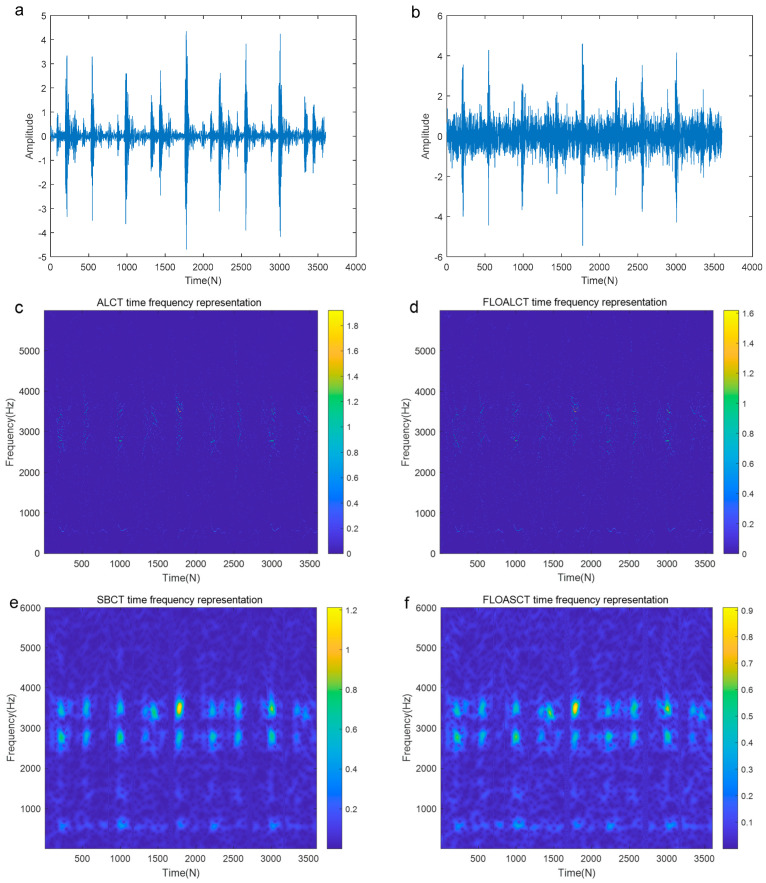 Figure 14
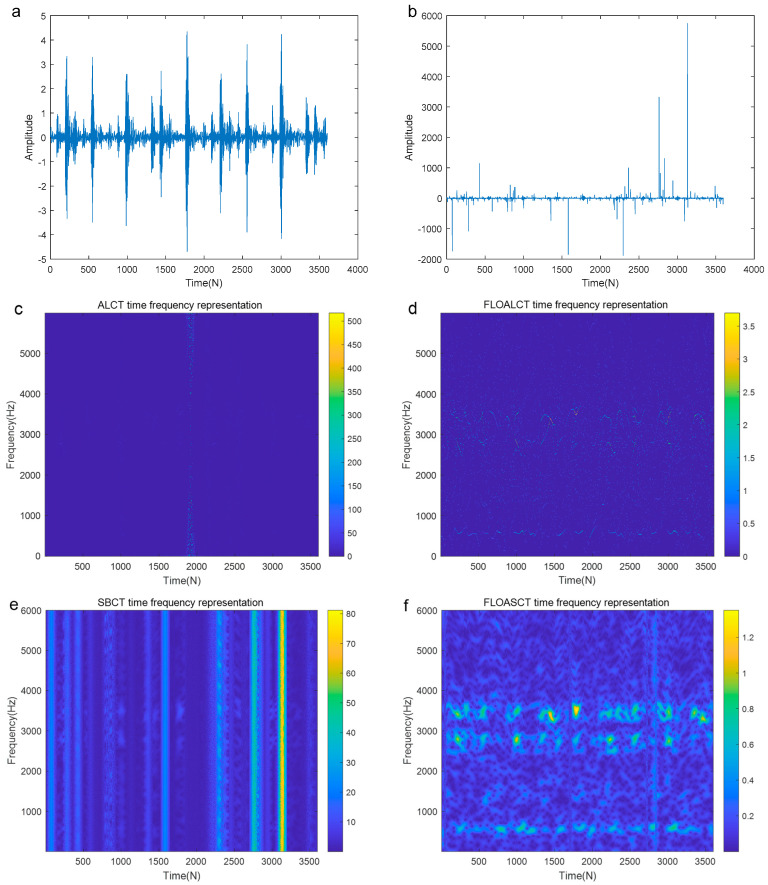 Figure 15
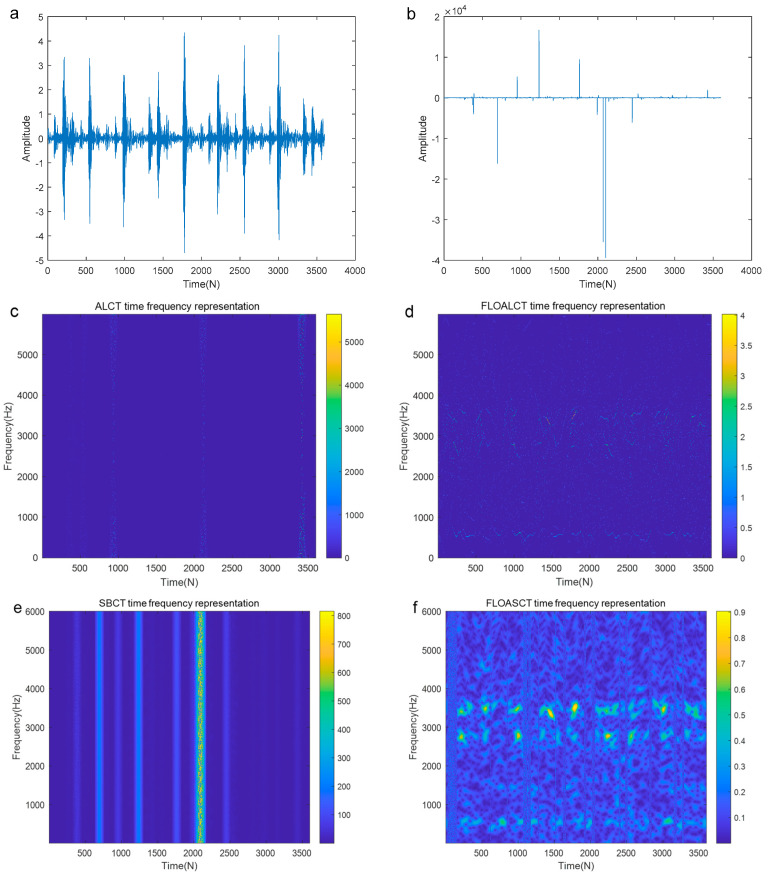 Figure 16
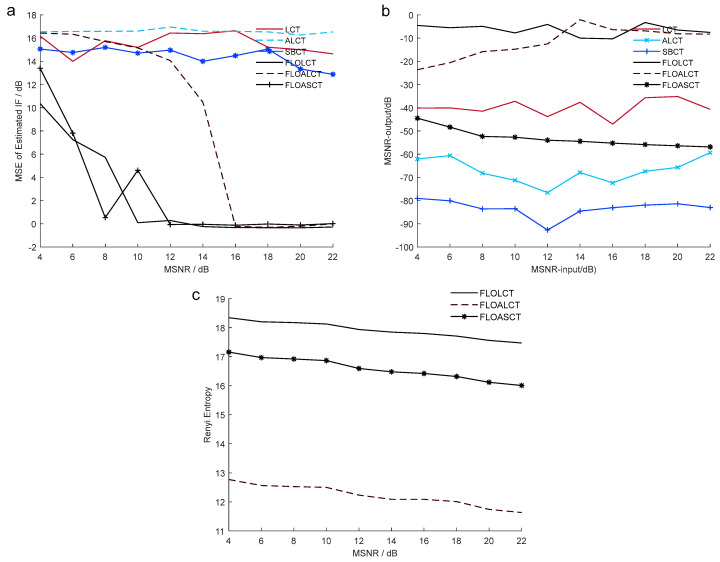 Figure 17
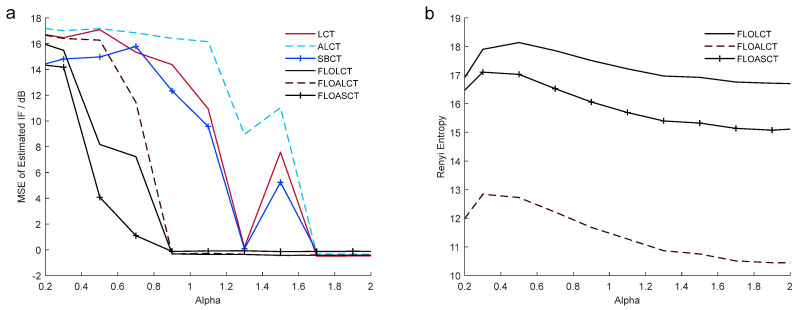 Figure 18
Peer Reviews
No public reviews on file for this paper yet. If you reviewed it on a platform where reviews are public (OpenReview, ICLR, NeurIPS, ICML), you can paste yours below so the community can read it here.
Videos
No videos yet. Explain this paper in a talk, walkthrough, or lecture? Add one.
Taxonomy
TopicsMachine Fault Diagnosis Techniques · Fault Detection and Control Systems · Image and Signal Denoising Methods