Dynamic Simulation of Nano-Gel Microspheres for Plugging Preferential Flow Channels and Enhancing Oil Recovery in Waterflooded Reservoirs
Long Ren, Cong Zhao, Jian Sun, Cheng Jing, Haitao Bai, Qingqing Li, Xin Ma

TL;DR
This paper uses simulations to show how nano-gel microspheres can plug flow channels in oil reservoirs, improving oil recovery and providing long-term benefits.
Contribution
A dynamic model integrating PFC evolution and NGM mechanisms is proposed, validated with field data and economic analysis.
Findings
Neglecting PFCs overestimates oil recovery by 8.7%.
NGMs reduce permeability in high-conductivity zones by 33%.
Field application shows 0.84% incremental recovery with a 10:1 ROI over 10 years.
Abstract
This study addresses the unclear mechanisms by which preferential flow channels (PFCs), formed during long-term waterflooding, affect nano-gel microsphere (NGM) flooding efficiency, utilizing CMG reservoir numerical simulation software. A dynamic evolution model of PFCs was established by coupling CROCKTAB (stress–porosity hysteresis) and CROCKTABW (water saturation-driven permeability evolution), and the deep flooding mechanism of NGMs (based on their gel properties such as swelling, elastic deformation, and adsorption, and characterized by a “plugging-migration-replugging” process) was integrated. The results demonstrate that neglecting PFCs overestimates recovery by 8.7%, while NGMs reduce permeability by 33% (from 12 to 8 mD) in high-conductivity zones via “bridge-plug-filter cake” structures, diverting flow to low-permeability layers (+33% permeability, from 4.5 to 6 mD). Field…
Genes, proteins, chemicals, diseases, species, mutations and cell lines named across the full text — each resolved to its canonical identifier and authoritative record.
Click any figure to enlarge with its caption.
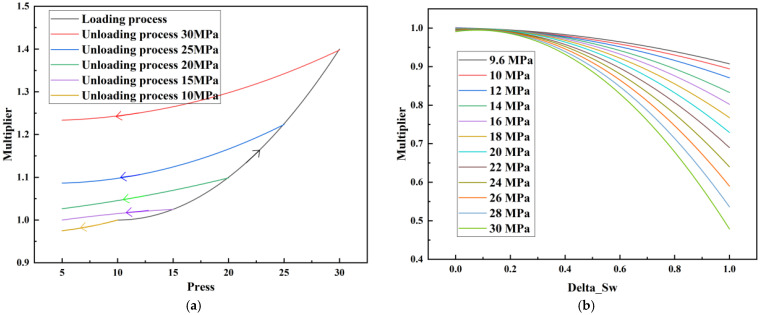 Figure 1
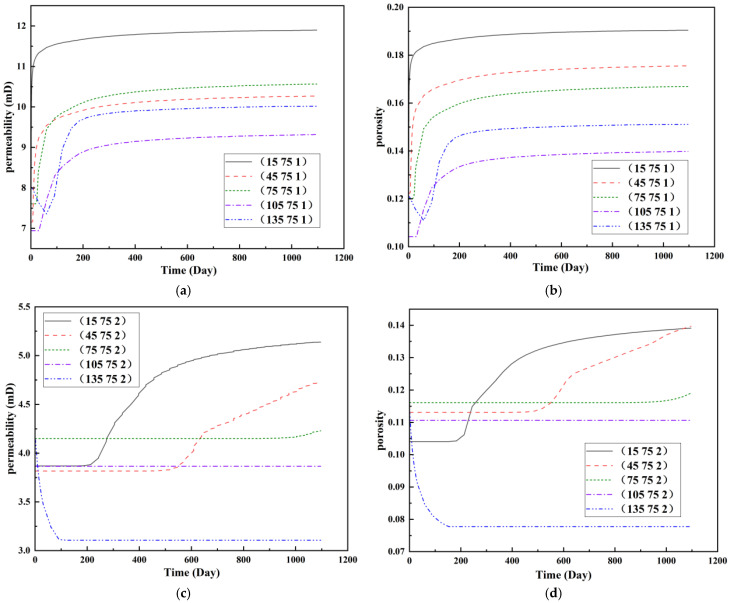 Figure 2
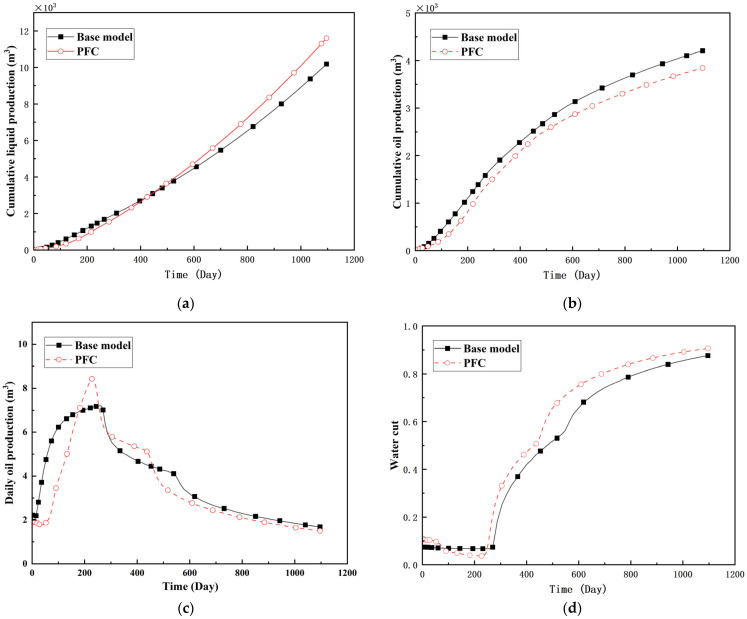 Figure 3
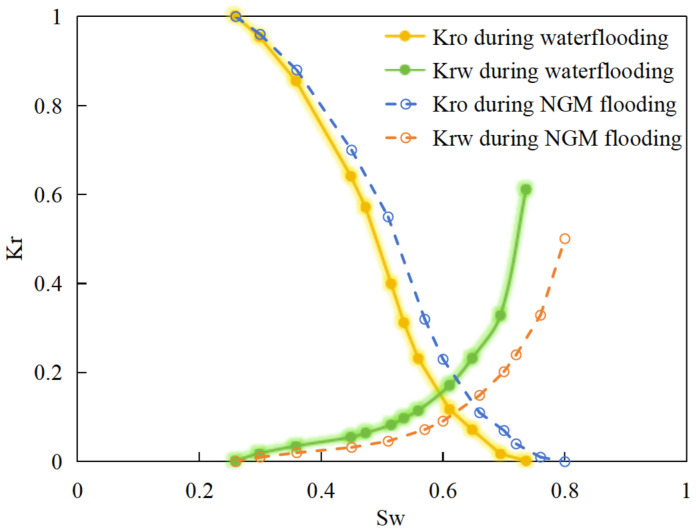 Figure 4
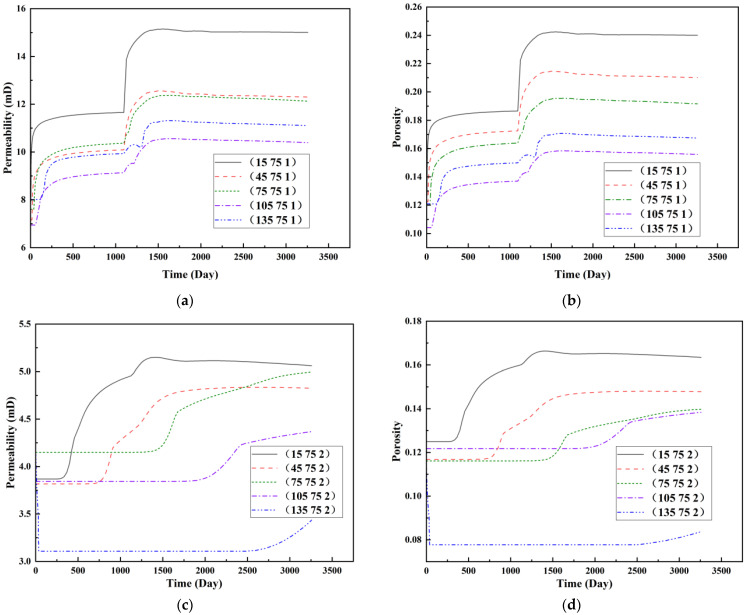 Figure 5
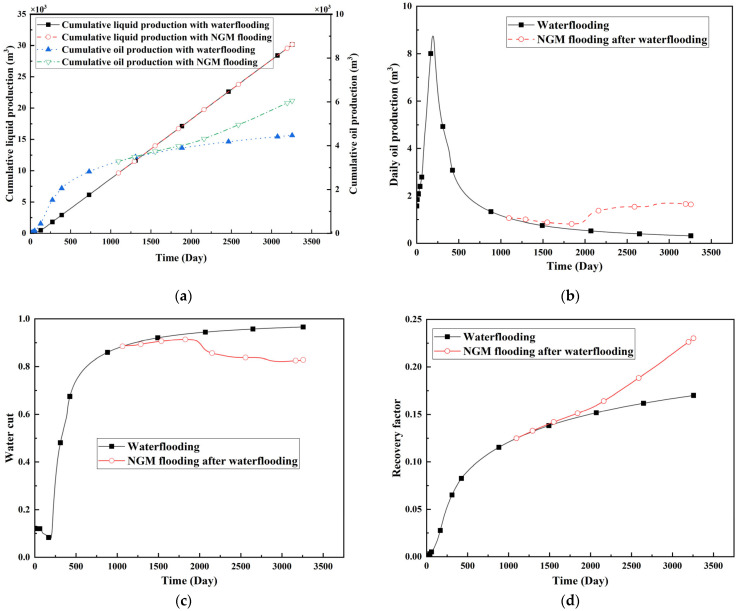 Figure 6
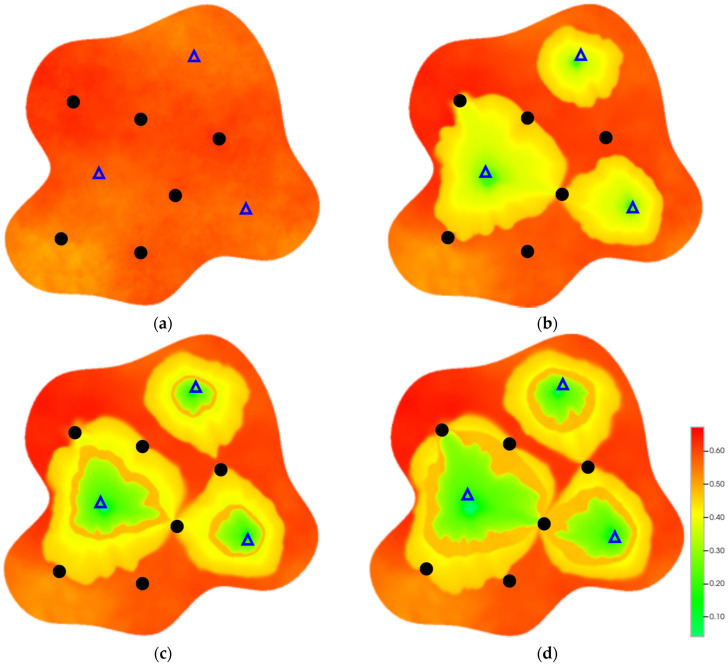 Figure 7
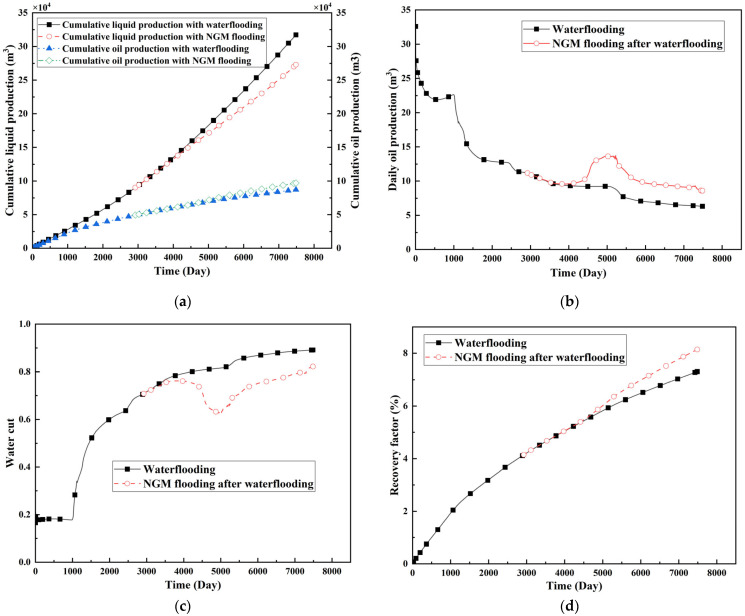 Figure 8
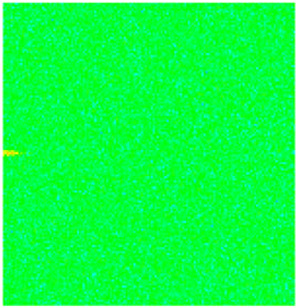 Figure 9
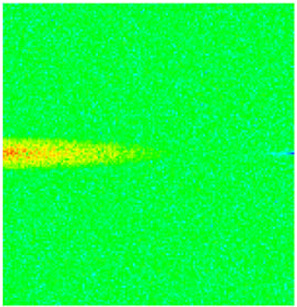 Figure 10
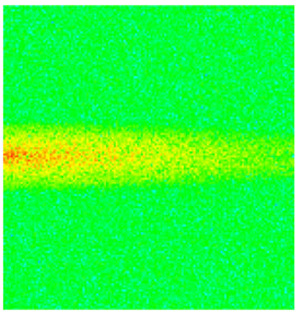 Figure 11
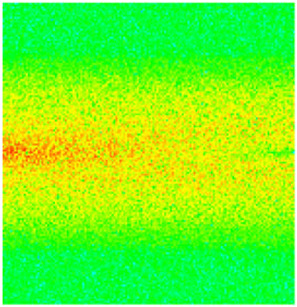 Figure 12
 Figure 13
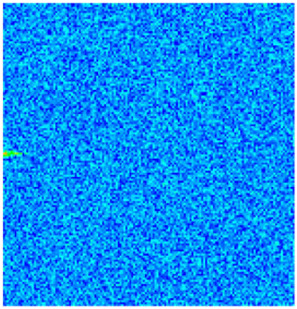 Figure 14
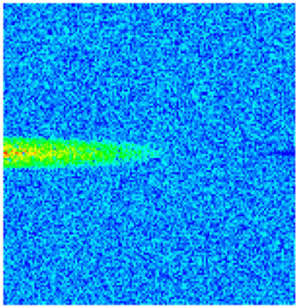 Figure 15
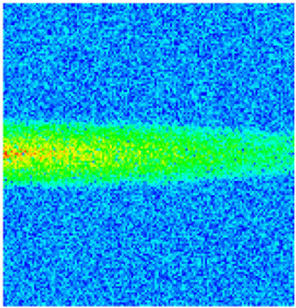 Figure 16
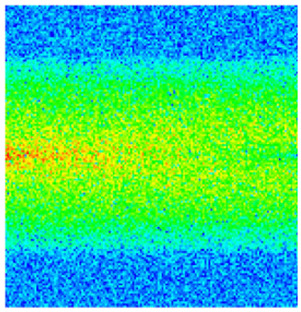 Figure 17
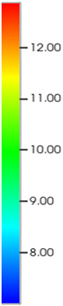 Figure 18
 Figure 19
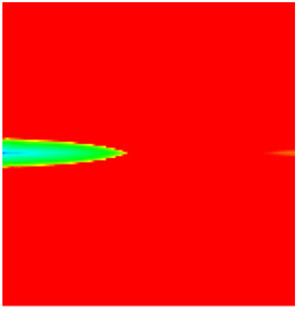 Figure 20
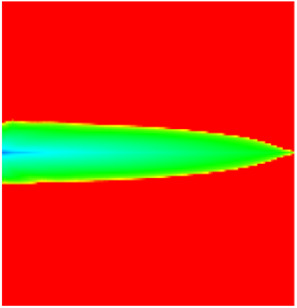 Figure 21
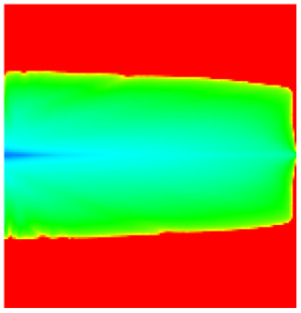 Figure 22
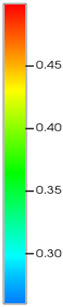 Figure 23
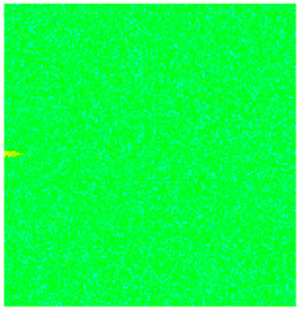 Figure 24
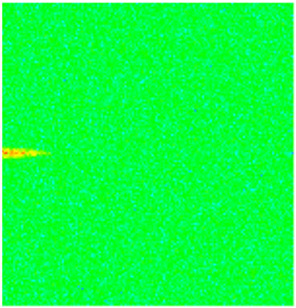 Figure 25
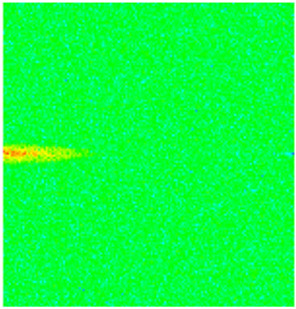 Figure 26
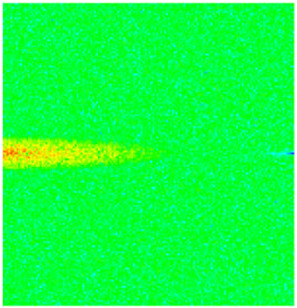 Figure 27
 Figure 28
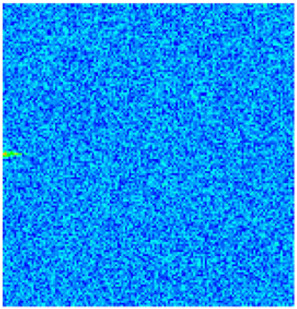 Figure 29
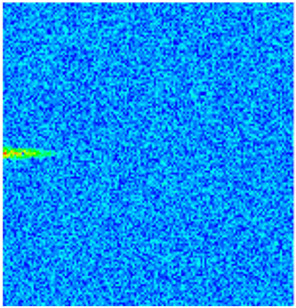 Figure 30
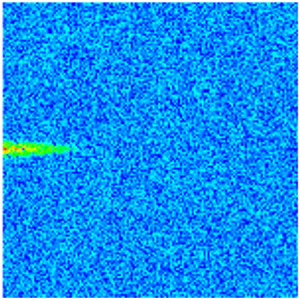 Figure 31
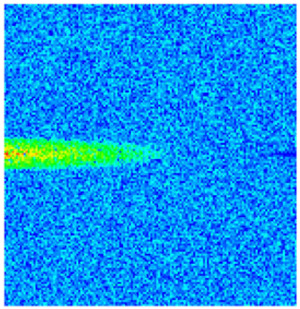 Figure 32
 Figure 33
 Figure 34
 Figure 35
 Figure 36
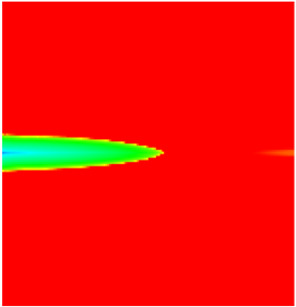 Figure 37
 Figure 38
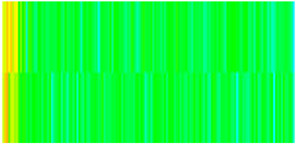 Figure 39
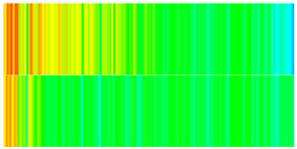 Figure 40
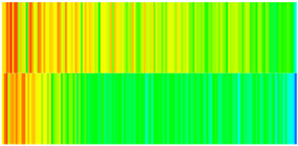 Figure 41
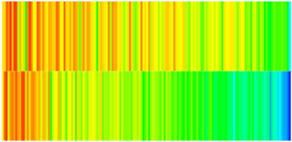 Figure 42
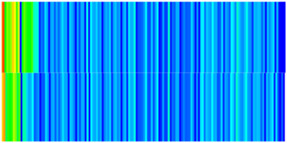 Figure 43
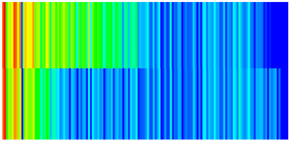 Figure 44
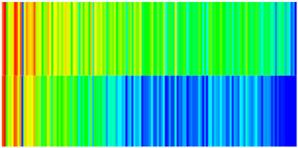 Figure 45
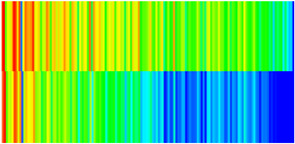 Figure 46
 Figure 47
 Figure 48
 Figure 49
 Figure 50
Peer Reviews
No public reviews on file for this paper yet. If you reviewed it on a platform where reviews are public (OpenReview, ICLR, NeurIPS, ICML), you can paste yours below so the community can read it here.
Videos
No videos yet. Explain this paper in a talk, walkthrough, or lecture? Add one.
Taxonomy
TopicsEnhanced Oil Recovery Techniques · Reservoir Engineering and Simulation Methods · Hydraulic Fracturing and Reservoir Analysis