Abnormal Cerebral Perfusion and Functional Connectivity in Women with Overactive Bladder
Shichun Chen, Zongpai Zhang, Yakun Zhang, Kenneth Wengler, Steven Weissbart, Weiying Dai, Xiang He, Justina Tam

TL;DR
This study shows that women with overactive bladder have altered brain blood flow and connectivity, which can be measured using ASL and may improve with treatment.
Contribution
The study demonstrates the feasibility of using ASL to detect brain-bladder control changes and treatment effects in overactive bladder.
Findings
OAB participants showed decreased ΔCBF in the medial prefrontal cortex and increased ΔCBF in the supramarginal region compared to controls.
OAB participants had reduced ΔPCC FC with the insula and increased ΔPCC FC with the postcentral and parietal regions posttreatment.
Changes in ΔPCC-PocP FC were associated with symptom improvement in OAB participants.
Abstract
Background: Overactive bladder (OAB) has been linked to abnormal cerebral blood flow (CBF) and functional connectivity (FC). However, findings related to CBF and FC changes in OAB remain inconsistent across the literature. Methods: This feasibility study employed arterial spin labeling (ASL) to investigate abnormal CBF and posterior cingulate cortex (PCC) FC in individuals with OAB, both at rest and during bladder filling. ASL images were collected from twenty-two female participants (twelve with OAB and ten healthy controls) at bladder filling volumes of 0, 50, 100, 200, 350, and 500 mL. For OAB participants, scans were obtained both at baseline and following a single-session treatment. ASL images were categorized into low-urge and high-urge conditions based on participants’ subjective urge rating during bladder filling. A flexible factorial design was implemented with three factors:…
Genes, proteins, chemicals, diseases, species, mutations and cell lines named across the full text — each resolved to its canonical identifier and authoritative record.
Click any figure to enlarge with its caption.
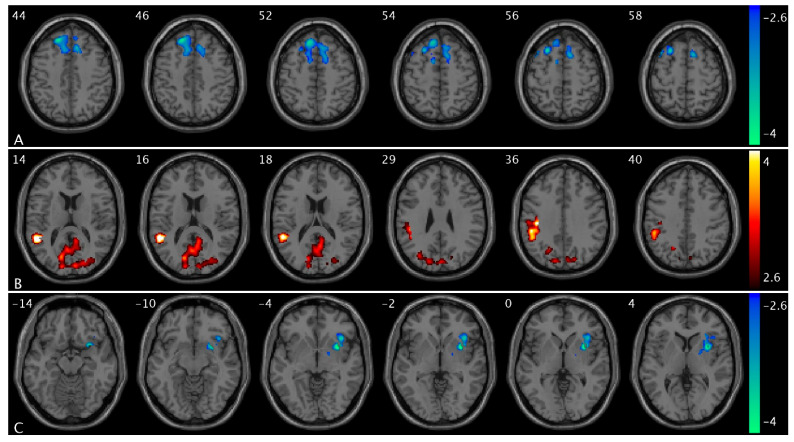 Figure 1
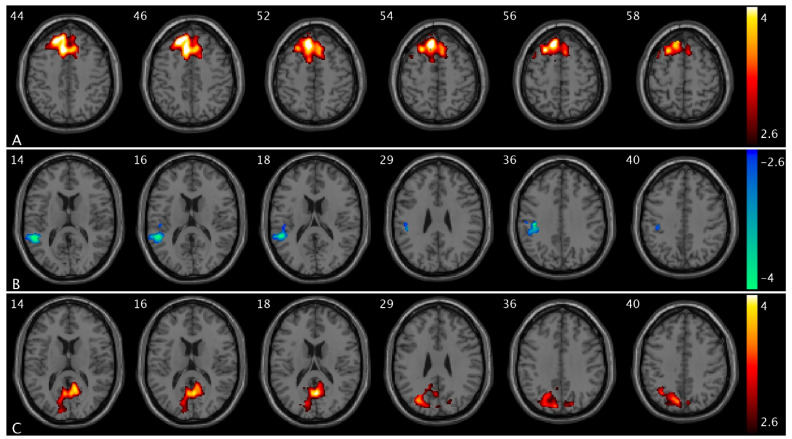 Figure 2
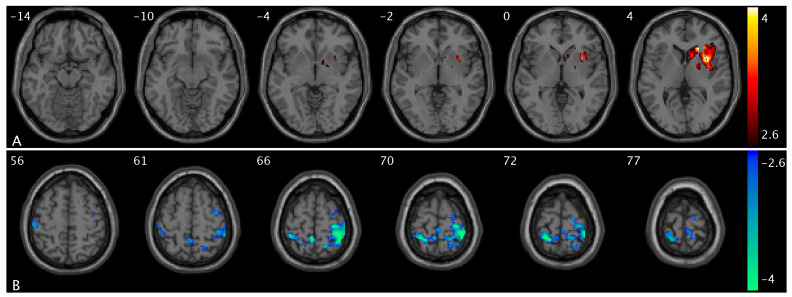 Figure 3
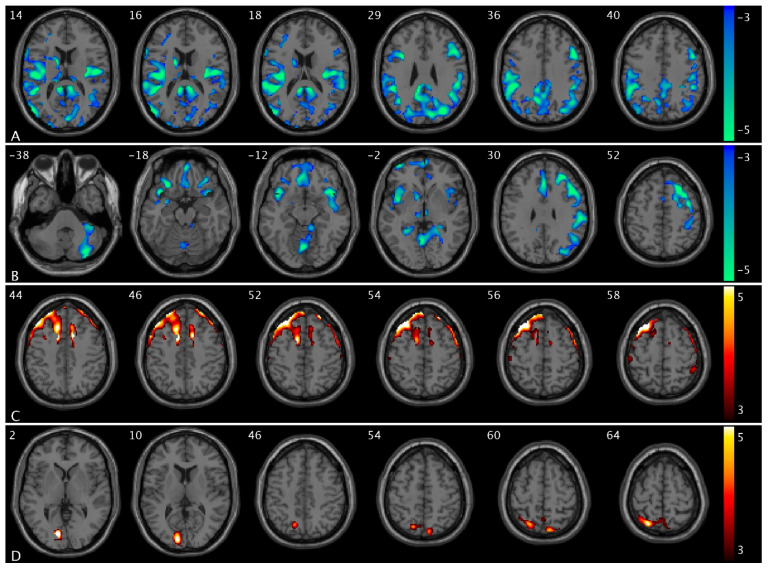 Figure 4
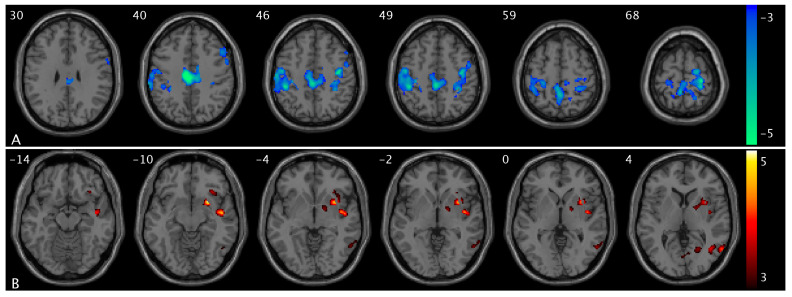 Figure 5
 Figure 6
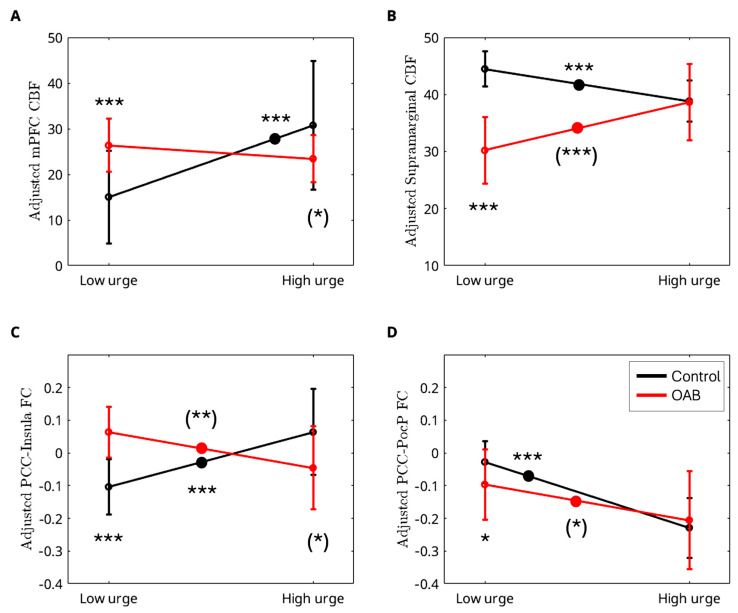 Figure 7
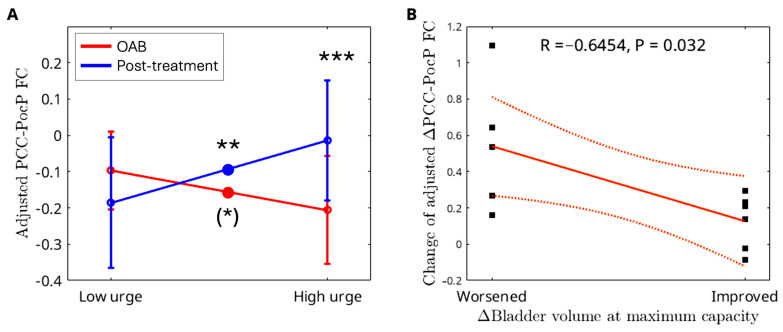 Figure 8
Peer Reviews
No public reviews on file for this paper yet. If you reviewed it on a platform where reviews are public (OpenReview, ICLR, NeurIPS, ICML), you can paste yours below so the community can read it here.
Videos
No videos yet. Explain this paper in a talk, walkthrough, or lecture? Add one.
Taxonomy
TopicsUrinary Bladder and Prostate Research · Pelvic floor disorders treatments · Advanced Neuroimaging Techniques and Applications