Alisertib and Barasertib Induce Cell Cycle Arrest and Mitochondria-Related Cell Death in Multiple Myeloma with Enhanced Efficacy Through Sequential Combination with BH3-Mimetics and Panobinostat
Andrea Benedi, Manuel Beltrán-Visiedo, Nelia Jiménez-Alduán, Alfonso Serrano-Del Valle, Alberto Anel, Javier Naval, Isabel Marzo

TL;DR
Alisertib and barasertib, which target Aurora kinases, show promise in killing multiple myeloma cells, especially when combined with other drugs in a specific sequence.
Contribution
The study reveals the mechanisms of Aurora kinase inhibitors in myeloma and identifies effective sequential drug combinations.
Findings
Alisertib and barasertib induce cell cycle arrest and mitochondrial cell death in multiple myeloma cells.
Sequential combinations with BH3-mimetics and panobinostat show synergistic effects, while simultaneous combinations are antagonistic.
Low-dose alisertib remains toxic to Bax/BakDKO cells, suggesting non-apoptotic cell death pathways.
Abstract
Multiple myeloma (MM) remains a challenging disease despite significant therapeutic advances achieved with the introduction of novel therapies, prompting the search for new agents with unique and targeted mechanisms of action. Here, we investigated the selective Aurora kinase inhibitors alisertib (Aurora A) and barasertib (Aurora B) as potential anti-myeloma candidates. Our results demonstrate that both drugs exhibit anti-myeloma activity in vitro, and their sequential combination with BH3-mimetics and panobinostat could be beneficial. Therefore, these findings open the door to further explore selective inhibition of Aurora proteins as a targeted therapy in MM. Background: The treatment landscape for multiple myeloma (MM) has significantly evolved in recent decades with novel therapies like proteasome inhibitors, immunomodulatory drugs and monoclonal antibodies. However, MM remains…
Genes, proteins, chemicals, diseases, species, mutations and cell lines named across the full text — each resolved to its canonical identifier and authoritative record.
Click any figure to enlarge with its caption.
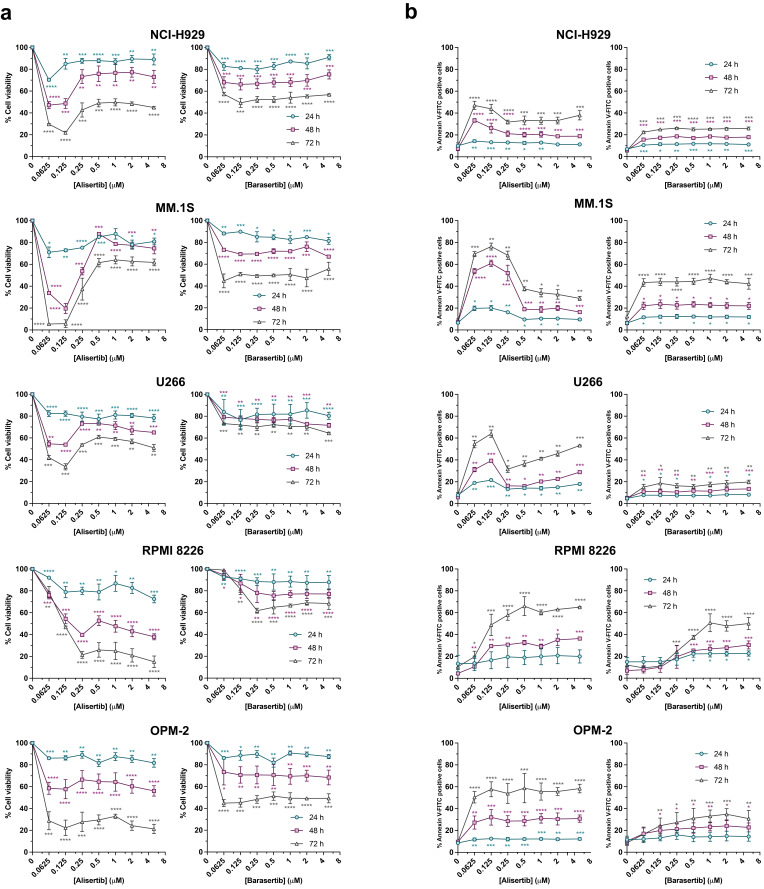 Figure 1
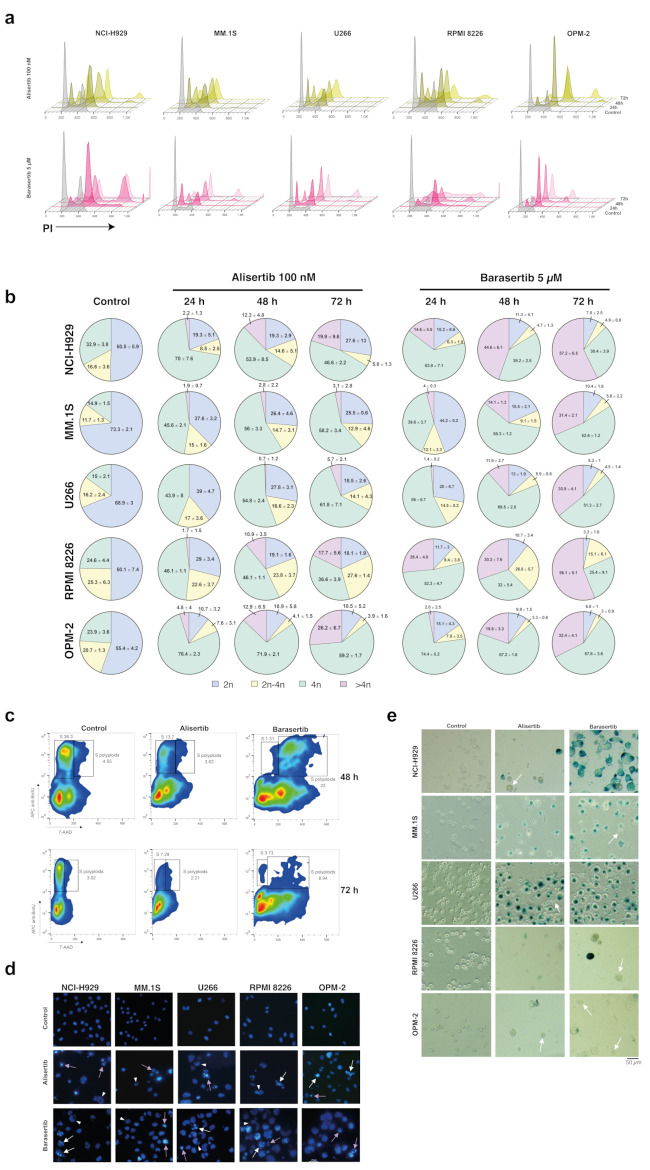 Figure 2
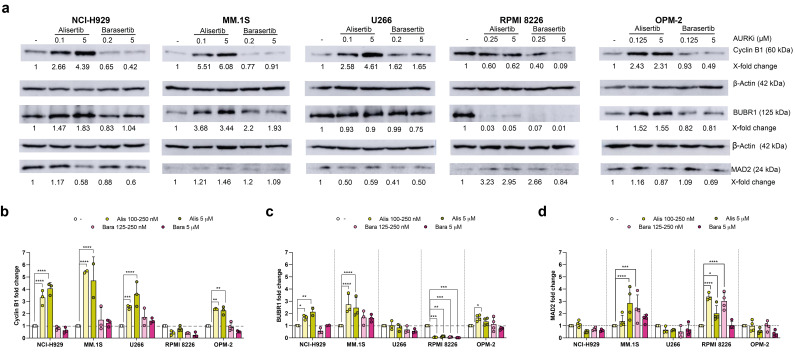 Figure 3
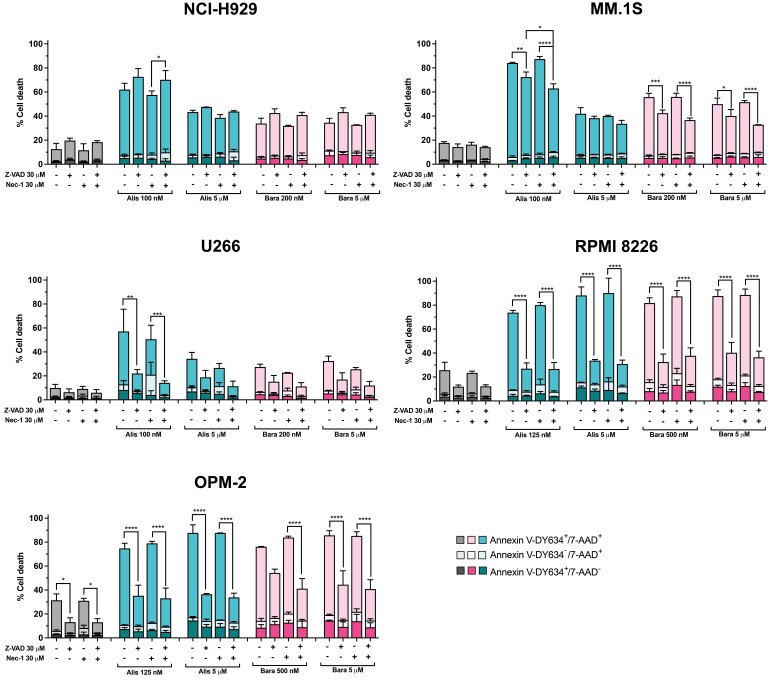 Figure 4
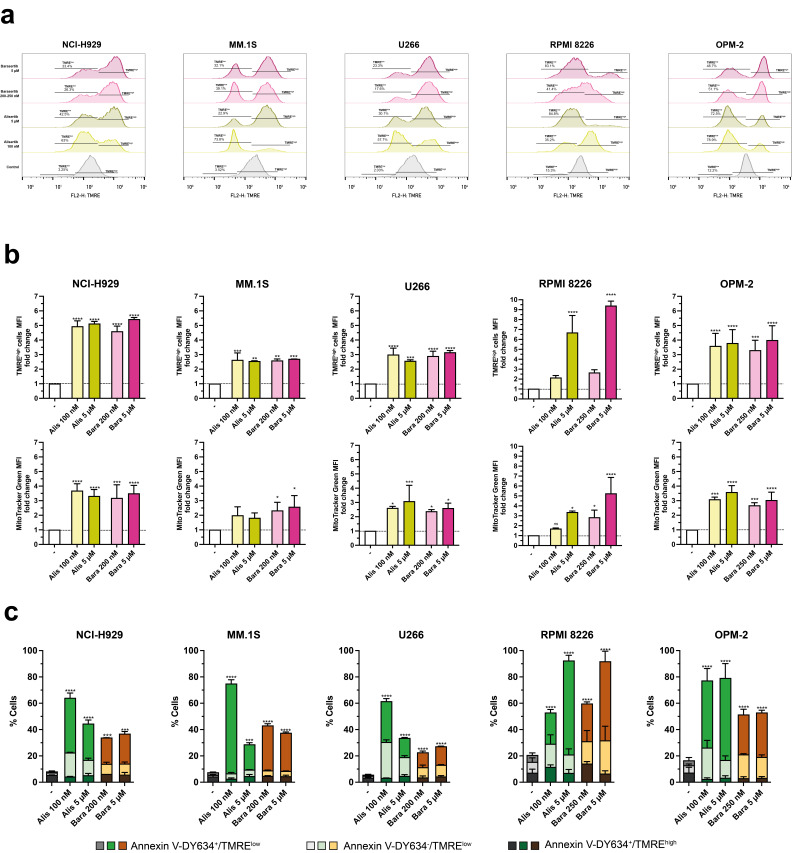 Figure 5
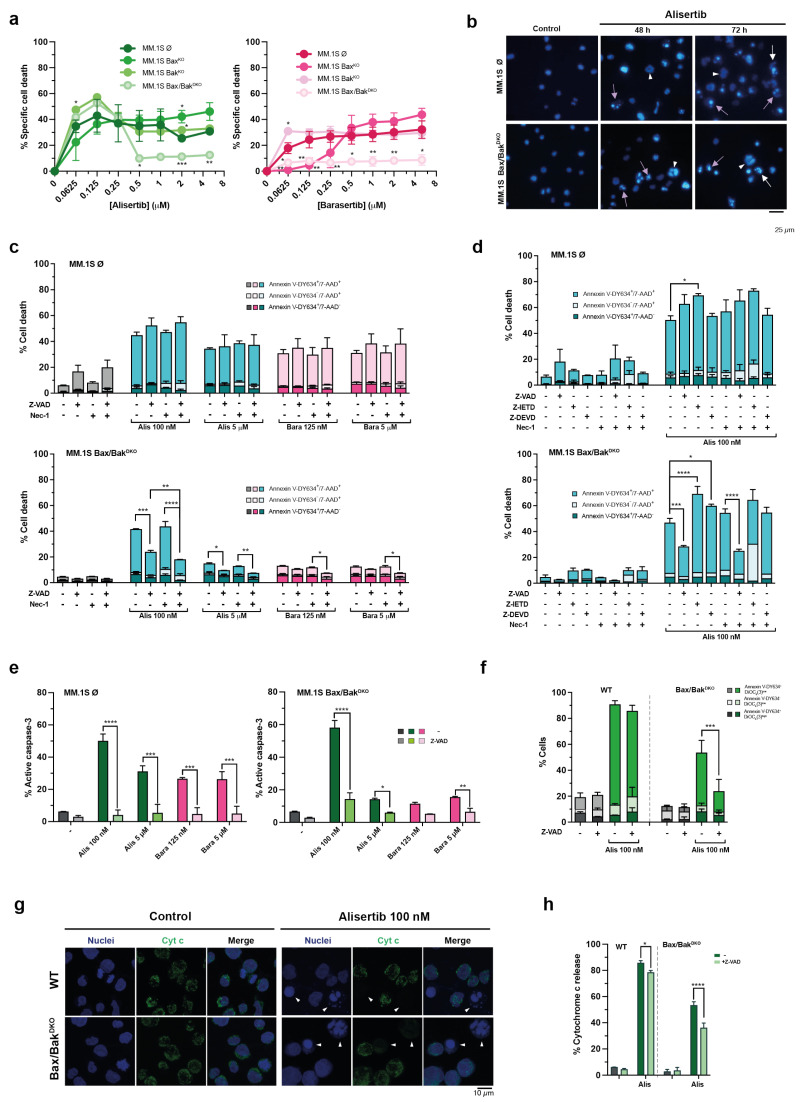 Figure 6
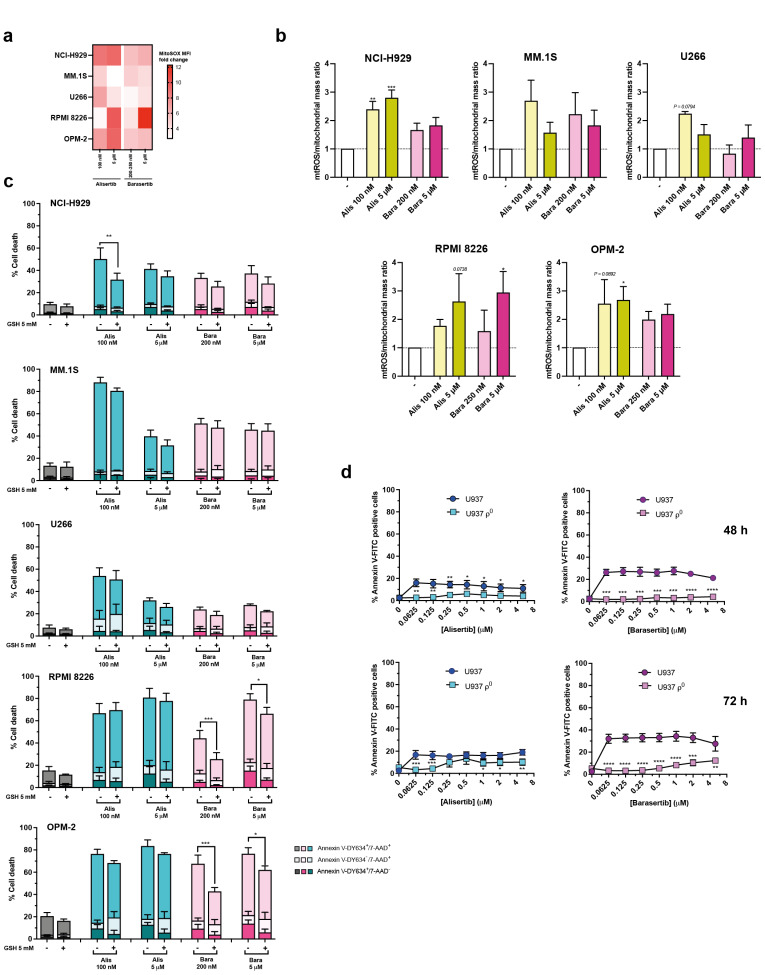 Figure 7
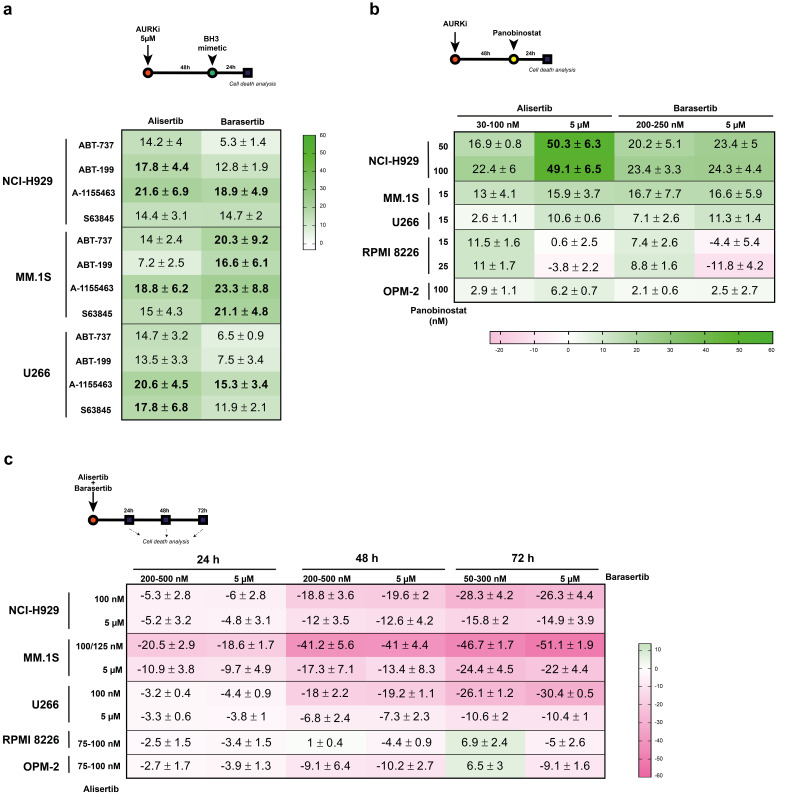 Figure 8
Peer Reviews
No public reviews on file for this paper yet. If you reviewed it on a platform where reviews are public (OpenReview, ICLR, NeurIPS, ICML), you can paste yours below so the community can read it here.
Videos
No videos yet. Explain this paper in a talk, walkthrough, or lecture? Add one.
Taxonomy
TopicsMicrotubule and mitosis dynamics · Multiple Myeloma Research and Treatments · Cancer Mechanisms and Therapy