Dissecting the tRNA Fragment tRF3E–Nucleolin Interaction: Implications in Breast Cancer
Maurizio Falconi, Junbiao Wang, Andrea Costamagna, Mara Giangrossi, Sunday Segun Alimi, Emilia Turco, Massimo Bramucci, Luana Quassinti, Rossana Petrilli, Michela Buccioni, Gabriella Marucci, Augusto Amici, Paola Defilippi, Roberta Galeazzi, Cristina Marchini

TL;DR
This study explores how a tRNA fragment called tRF3E interacts with the protein Nucleolin (NCL) to suppress breast cancer growth.
Contribution
The study reveals the molecular mechanism of tRF3E-NCL interaction and identifies a key motif for tumor suppression.
Findings
tRF3E binds to NCL through two RNA-binding domains, forming a stable complex.
A mutation in tRF3E's 19–24 motif disrupts cooperativity and antitumor function.
tRF3E reduces breast cancer cell proliferation and colony formation.
Abstract
Nucleolin (NCL), an RNA-binding protein which regulates critical cellular processes, is frequently dysregulated in human cancers, including breast cancer, making it an attractive therapeutic target. However, molecular details of the RNA-NCL interaction have not been investigated yet. A tRNA fragment named tRF3E, displaying tumor suppressor roles in breast cancer, was found to bind NCL with high affinity displacing NCL-controlled transcripts. Here, we investigated the determinants and cooperativity of tRF3E-NCL interaction by Electrophoretic Mobility Shift Assays and in silico docking analysis, using wild-type or mutated tRF3E. We found that NCL, through its RNA-binding domains (RBD1–2 and RBD3–4), binds simultaneously two tRF3E molecules, giving rise to an energetically favored complex. Instead, a mutant form of tRF3E (M19–24), in which the NCL recognition element in position 19–24 has…
Genes, proteins, chemicals, diseases, species, mutations and cell lines named across the full text — each resolved to its canonical identifier and authoritative record.
Click any figure to enlarge with its caption.
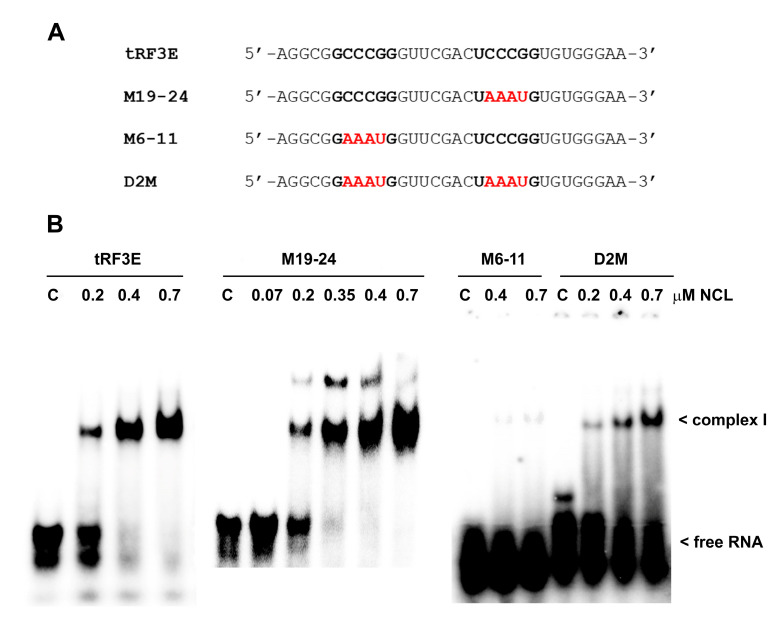 Figure 1
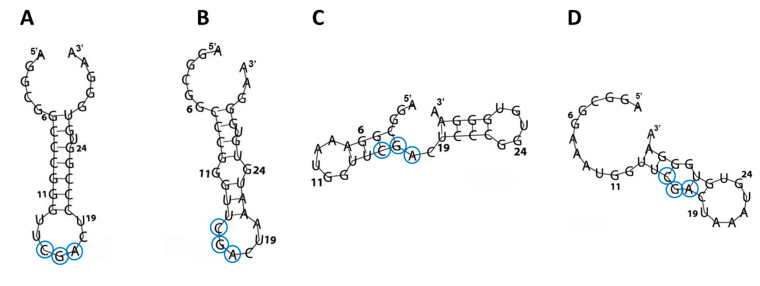 Figure 2
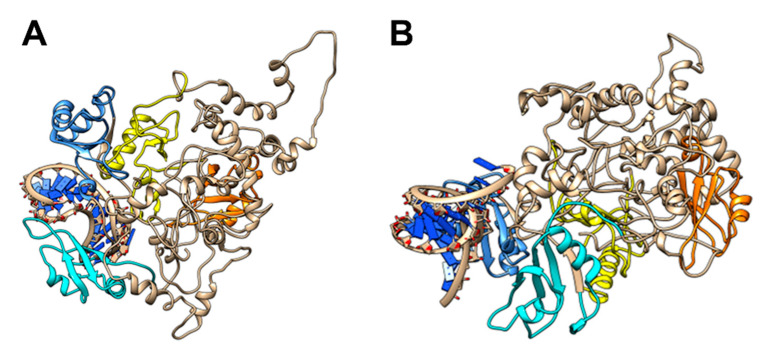 Figure 3
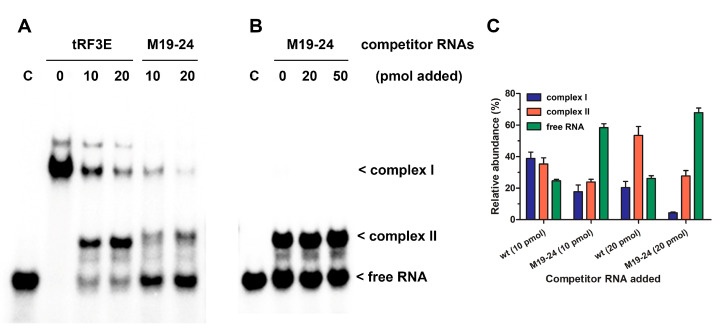 Figure 4
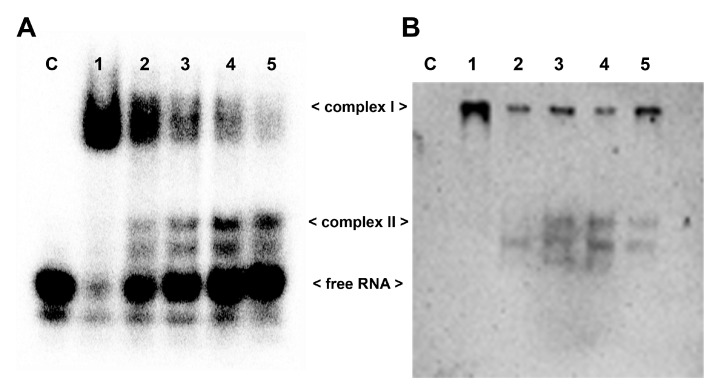 Figure 5
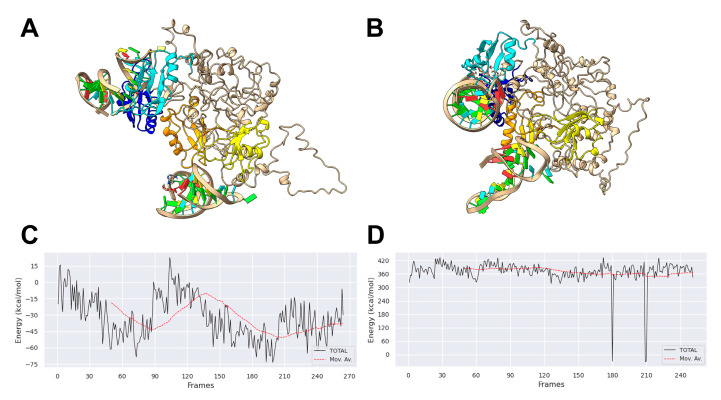 Figure 6
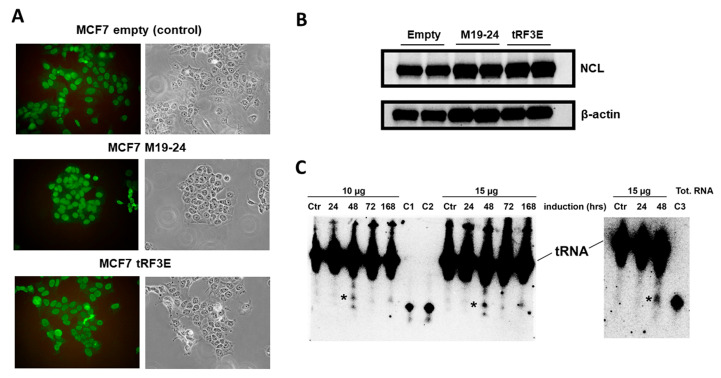 Figure 7
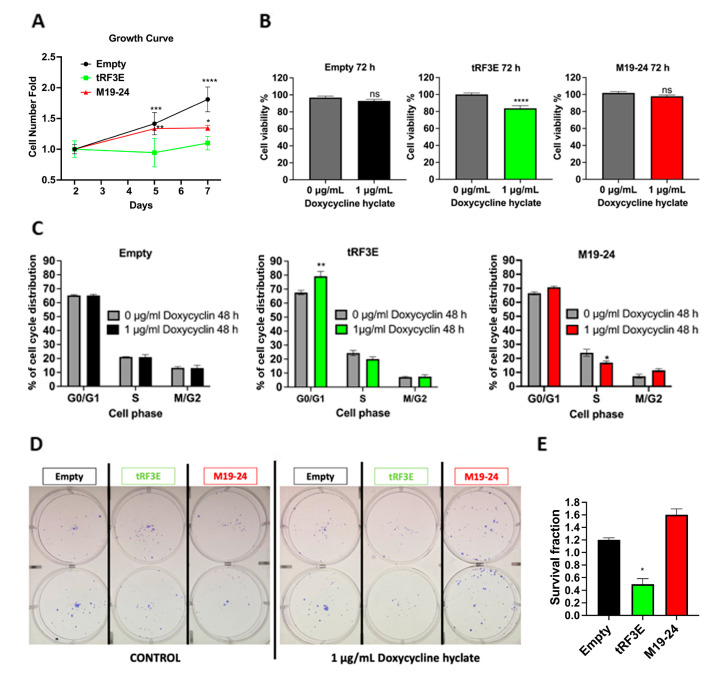 Figure 8
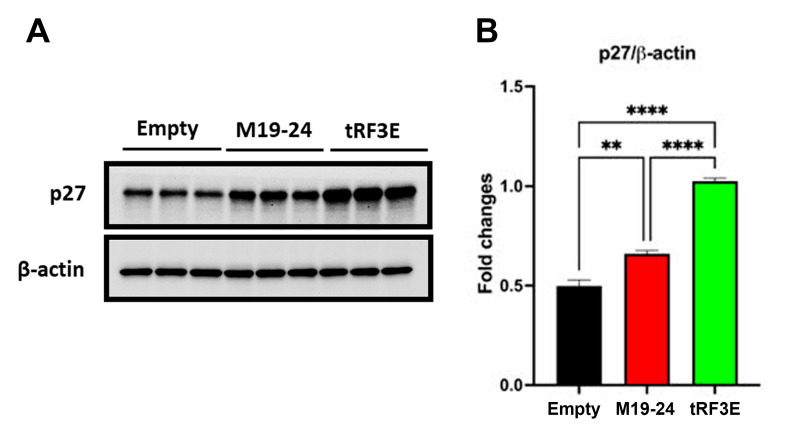 Figure 9
Peer Reviews
No public reviews on file for this paper yet. If you reviewed it on a platform where reviews are public (OpenReview, ICLR, NeurIPS, ICML), you can paste yours below so the community can read it here.
Videos
No videos yet. Explain this paper in a talk, walkthrough, or lecture? Add one.
Taxonomy
TopicsRNA modifications and cancer · RNA Research and Splicing · RNA and protein synthesis mechanisms