A Stepwise Anatomy-Based Protocol for Total Laparoscopic Hysterectomy: Educational Tool with Broad Clinical Utility
Rudolf Lampé, Nóra Margitai, Péter Török, Luca Lukács, Mónika Orosz

TL;DR
This study presents a standardized surgical protocol for total laparoscopic hysterectomy to improve training and clinical outcomes.
Contribution
A stepwise, anatomy-based TLH protocol is proposed for consistent and safe surgical training and practice.
Findings
The protocol had a mean operative time of 67.2 minutes with low intraoperative complication rates.
Postoperative complications like vaginal cuff dehiscence and bleeding occurred in 1.8% and 3.7% of cases, respectively.
No postoperative infections requiring intervention were reported, and hemoglobin drop was minimal.
Abstract
Background: Total laparoscopic hysterectomy (TLH) is widely accepted as the preferred minimally invasive technique for the treatment of benign gynecologic conditions. However, significant heterogeneity persists in the literature regarding the operative sequence, particularly for steps such as uterine artery ligation, ureteral identification, and vaginal cuff closure. This lack of standardization may affect complication rates, reproducibility in surgical training, and procedural efficiency. The objective of this study was to develop and evaluate a standardized, anatomically justified surgical protocol for TLH primarily designed for training purposes but applicable to most clinical cases. Methods: This retrospective observational study analyzed 109 patients who underwent TLH between January 2016 and July 2020 at a single tertiary care center. A fixed sequence of surgical steps was applied…
Genes, proteins, chemicals, diseases, species, mutations and cell lines named across the full text — each resolved to its canonical identifier and authoritative record.
Click any figure to enlarge with its caption.
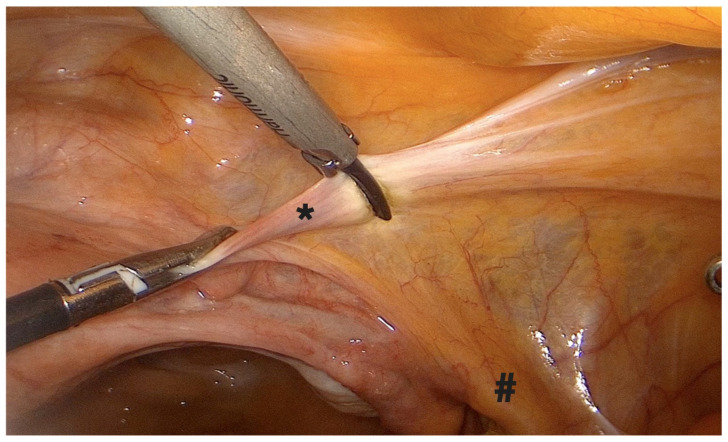 Figure 1
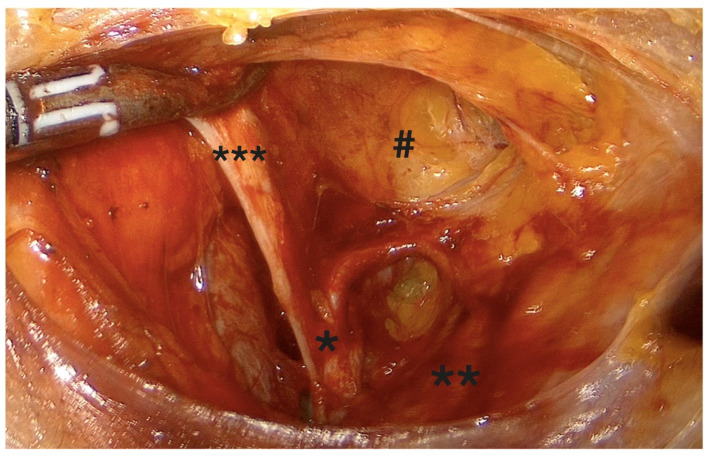 Figure 2
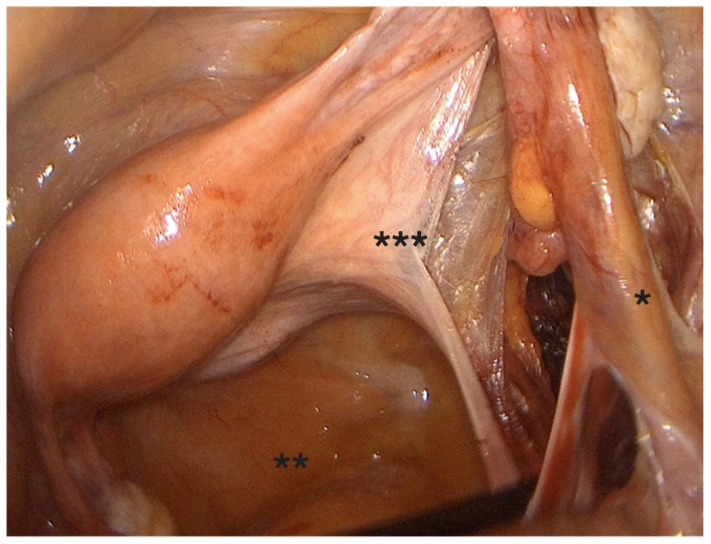 Figure 3
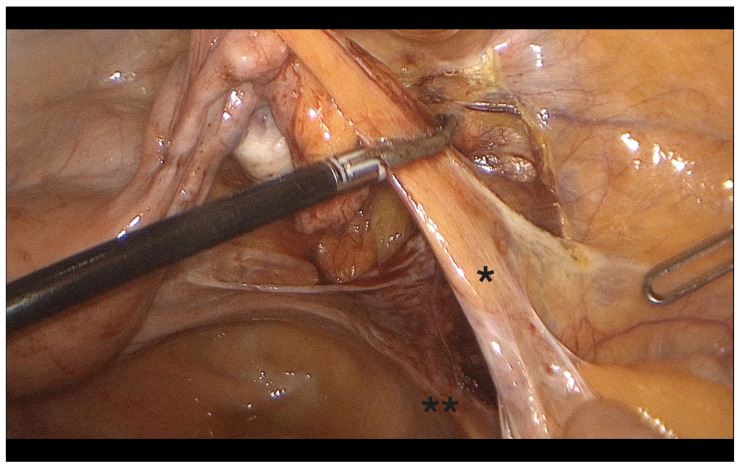 Figure 4
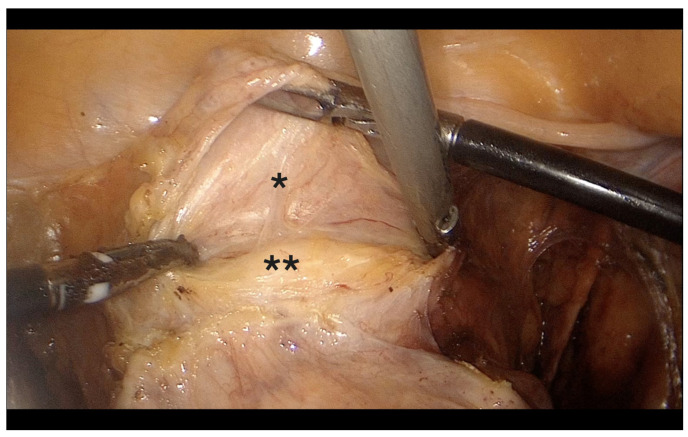 Figure 5
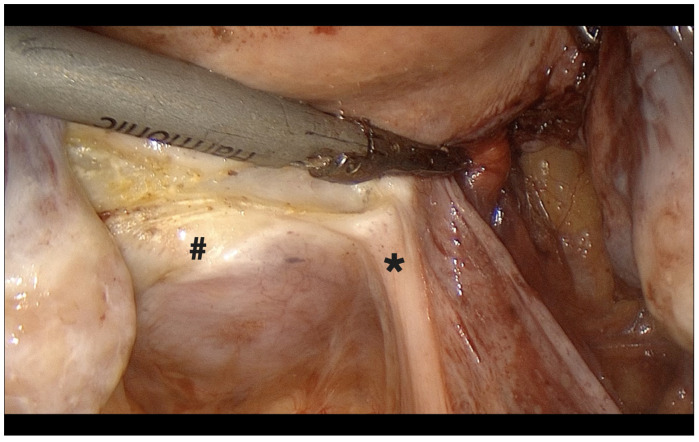 Figure 6
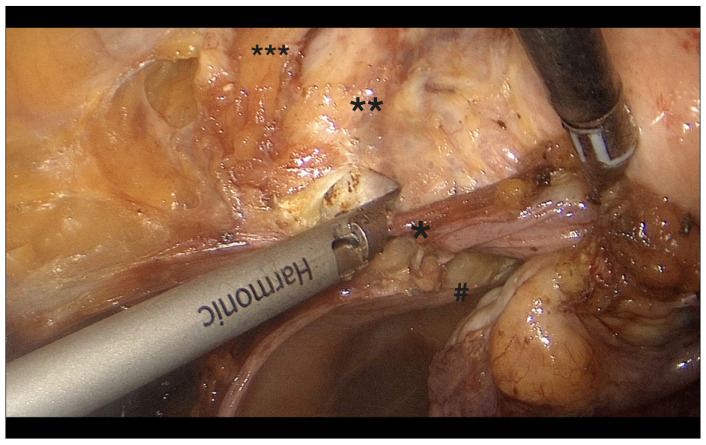 Figure 7
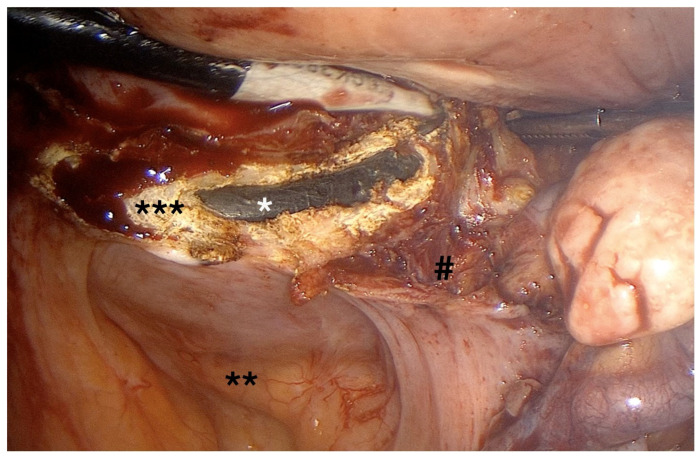 Figure 8
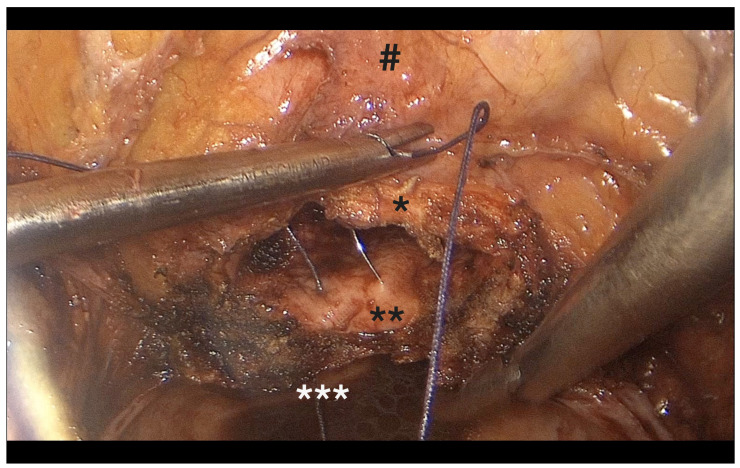 Figure 9
Peer Reviews
No public reviews on file for this paper yet. If you reviewed it on a platform where reviews are public (OpenReview, ICLR, NeurIPS, ICML), you can paste yours below so the community can read it here.
Videos
No videos yet. Explain this paper in a talk, walkthrough, or lecture? Add one.
Taxonomy
TopicsUterine Myomas and Treatments · Gynecological conditions and treatments · Maternal and fetal healthcare