Entropies of the Classical Dimer Model
John C. Baker, Marilyn F. Bishop, Tom McMullen

TL;DR
This paper uses the classical dimer model to study how molecular geometry affects entropy and free energy in biological attachment processes.
Contribution
A simplified derivation of the dimer model's partition function and new insights into entropy effects from dimer geometry.
Findings
Dimer geometry leads to a persistently nonzero entropy in DNA double helix adsorption.
Significant charge inversion occurs as binding forces increase relative to thermal energy.
Simple lattice gas models fail to capture these geometric entropy effects.
Abstract
Biological processes often involve the attachment and detachment of extended molecules to substrates. Here, the classical dimer model is used to investigate these geometric effects on the free energy, which governs both the equilibrium state and the reaction dynamics. We present a simplified version of Fisher’s derivation of the partition function of a two-dimensional dimer model at filling factor ν=1, which takes into account the blocking of two adjacent sites by each dimer. Physical consequences of the dimer geometry on the entropy that are not reflected in simpler theories are identified. Specifically, for dimers adsorbing on the DNA double helix, the dimer geometry gives a persistently nonzero entropy and there is a significant charge inversion as the force binding the particles to the lattice increases relative to the thermal energy, which is not true of the simple lattice gas…
Genes, proteins, chemicals, diseases, species, mutations and cell lines named across the full text — each resolved to its canonical identifier and authoritative record.
Click any figure to enlarge with its caption.
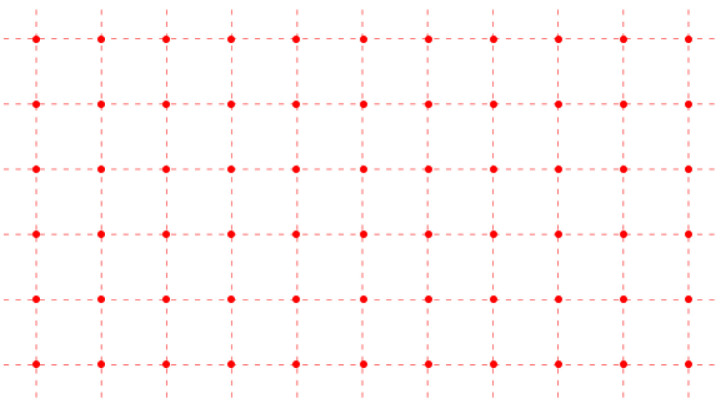 Figure 1
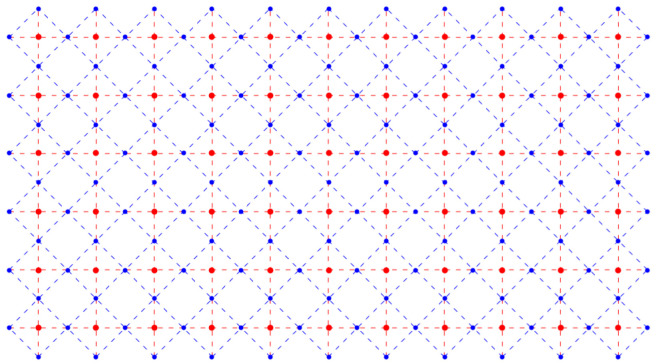 Figure 2
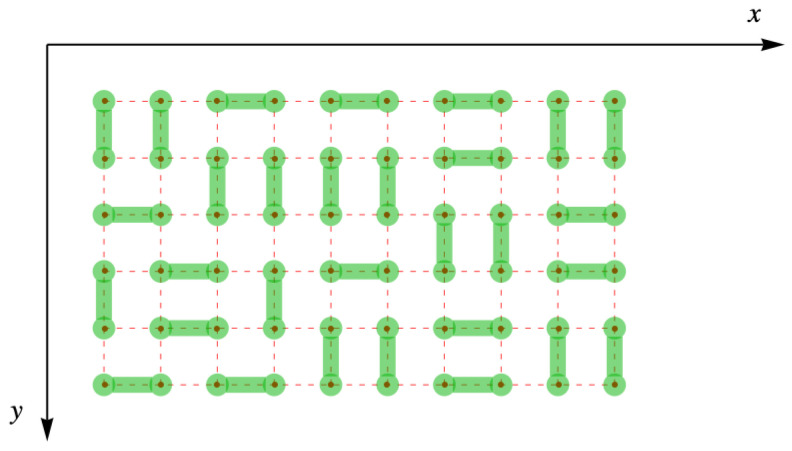 Figure 3
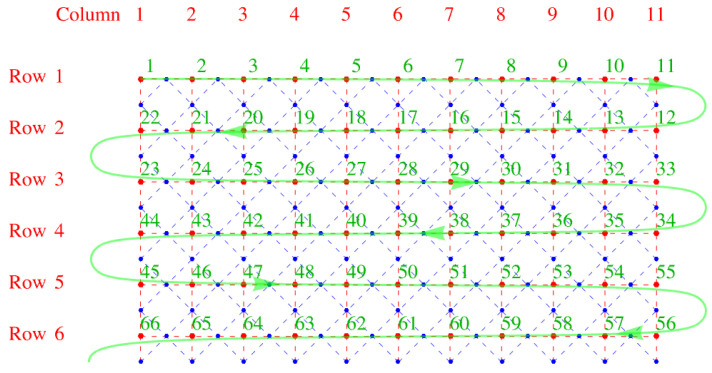 Figure 4
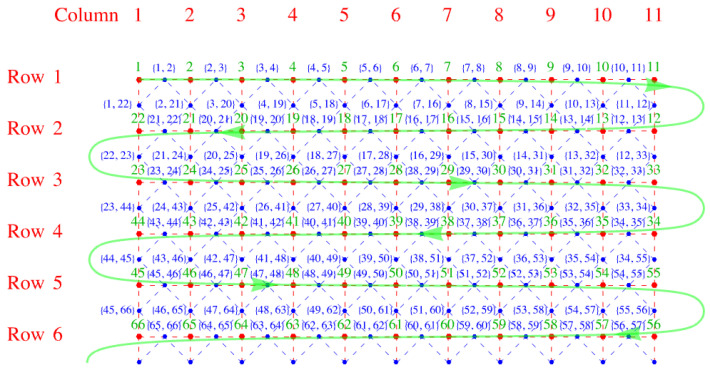 Figure 5
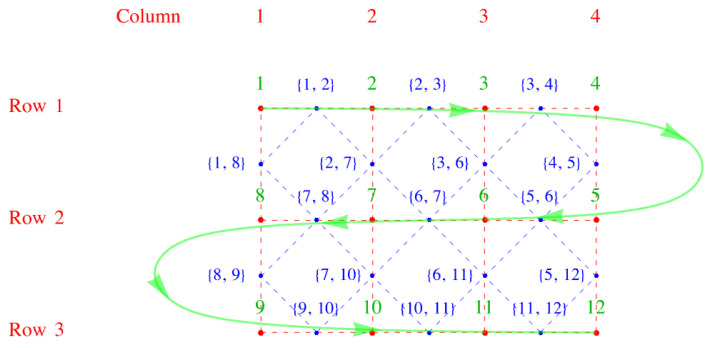 Figure 6
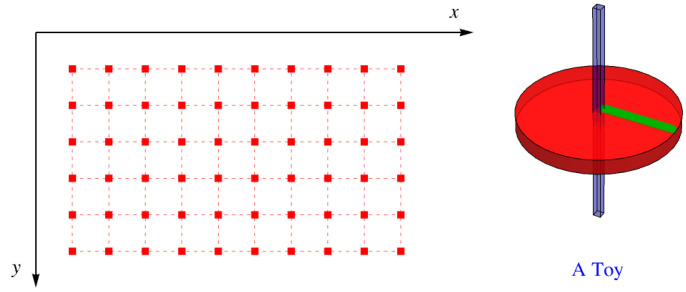 Figure 7
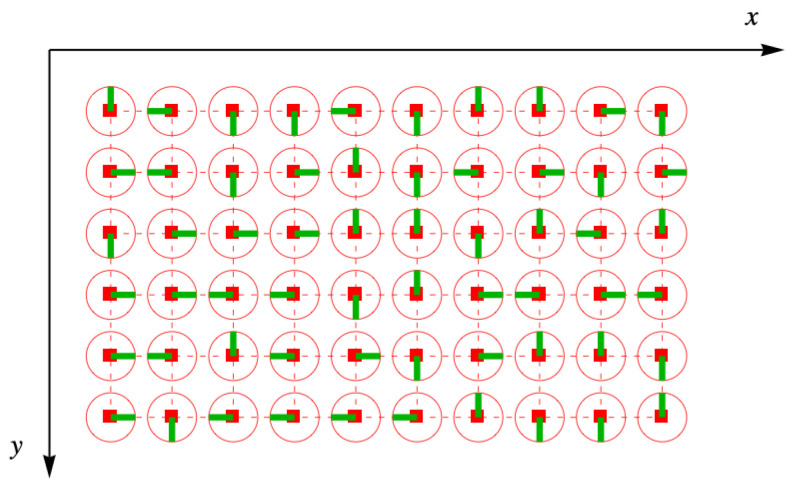 Figure 8
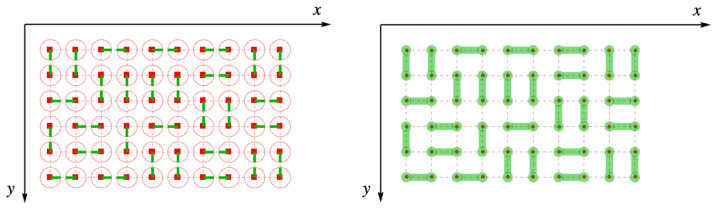 Figure 9
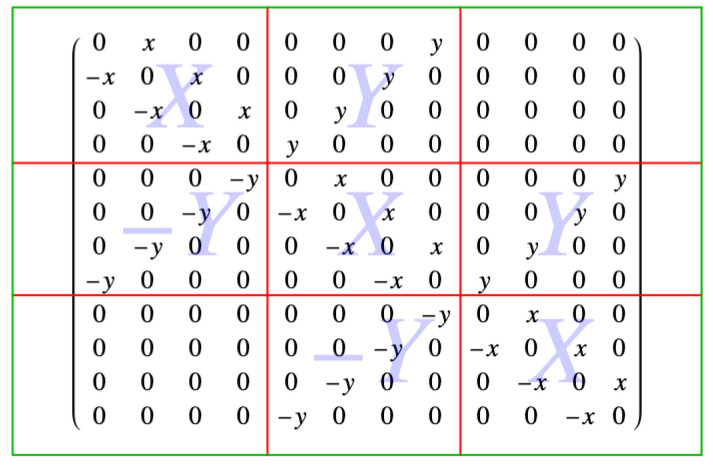 Figure 10
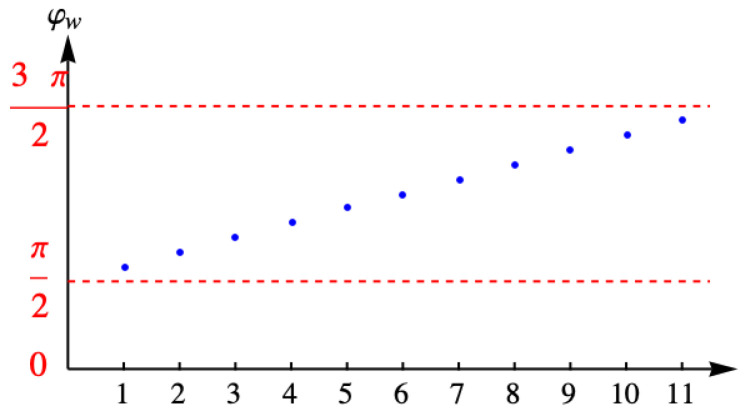 Figure 11
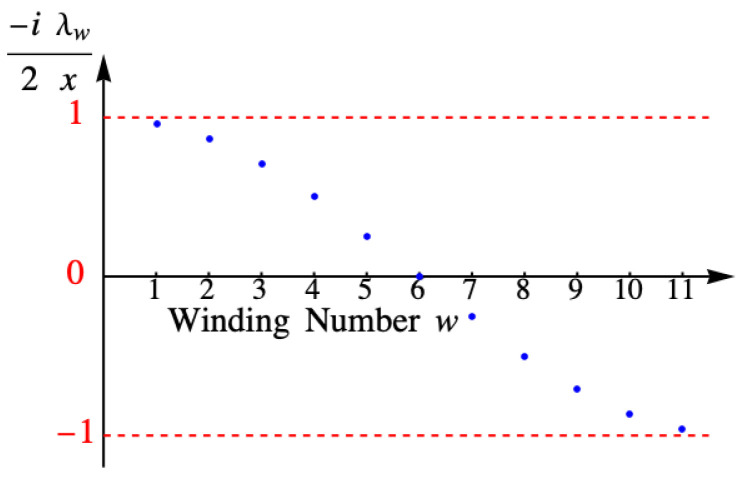 Figure 12
 Figure 13
 Figure 14
 Figure 15
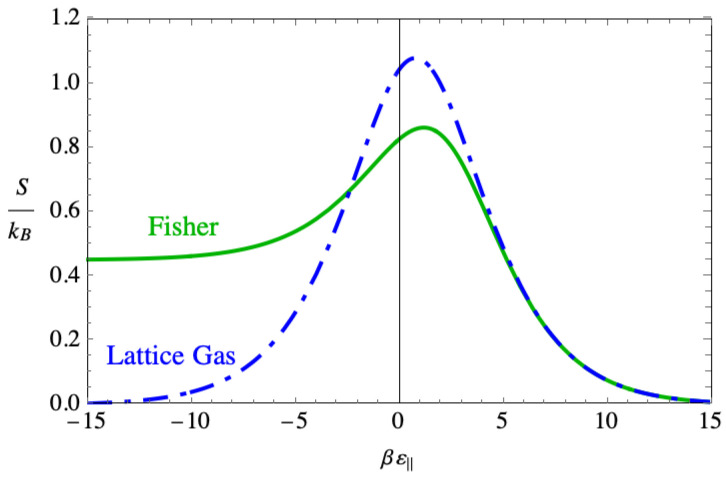 Figure 16
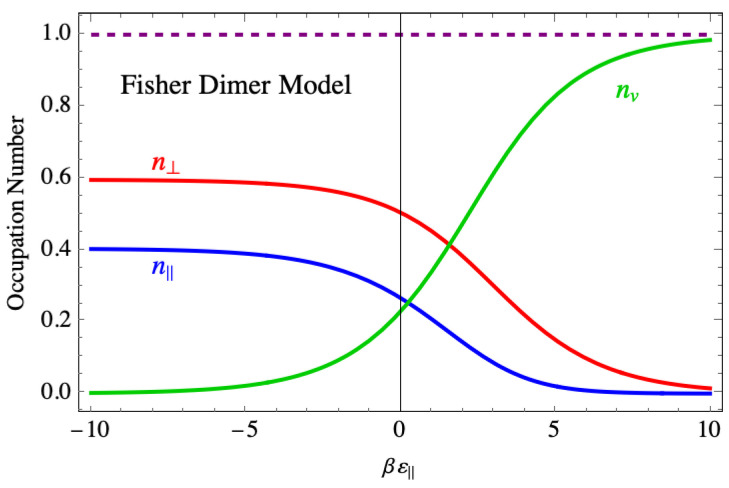 Figure 17
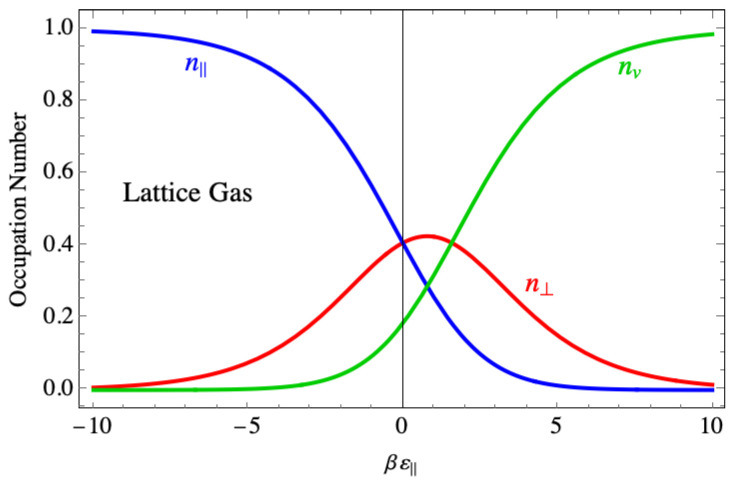 Figure 18
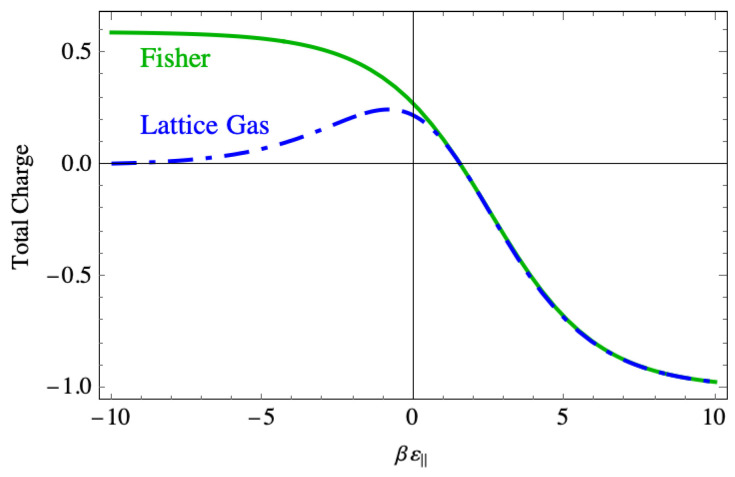 Figure 19
Peer Reviews
No public reviews on file for this paper yet. If you reviewed it on a platform where reviews are public (OpenReview, ICLR, NeurIPS, ICML), you can paste yours below so the community can read it here.
Videos
No videos yet. Explain this paper in a talk, walkthrough, or lecture? Add one.
Taxonomy
TopicsTheoretical and Computational Physics · Quantum many-body systems · Advanced NMR Techniques and Applications