ROR1 as an Immunotherapeutic Target for Inducing Antitumor Helper T Cell Responses Against Head and Neck Squamous Cell Carcinoma
Ryosuke Sato, Hidekiyo Yamaki, Takahiro Inoue, Shota Sakaue, Hisataka Ominato, Risa Wakisaka, Hiroki Komatsuda, Michihisa Kono, Kenzo Ohara, Akemi Kosaka, Takayuki Ohkuri, Toshihiro Nagato, Takumi Kumai, Kan Kishibe, Hiroya Kobayashi, Miki Takahara

TL;DR
This study shows that ROR1 is a promising target for immunotherapy in head and neck cancer, as it can trigger T cell responses that kill cancer cells.
Contribution
The study identifies a novel ROR1-derived epitope that elicits antitumor helper T cell responses in HNSCC.
Findings
ROR1 is significantly overexpressed in HNSCC tissues compared to healthy tissues.
ROR1-reactive helper T cells exhibit cytotoxic activity against ROR1+ HNSCC cells in an HLA-DR-restricted manner.
Combining ROR1-targeted vaccines with PD-L1/PD-L2 inhibitors enhances T cell antitumor activity.
Abstract
ROR1, a tumor-associated antigen (TAA), is widely expressed in various cancers. However, its expression in HNSCC remains poorly characterized. Given the demonstrated tolerability of ROR1-targeting therapies in clinical trials, ROR1 may represent a promising TAA for T cell-based peptide vaccine development. Here, we demonstrate that ROR1 is widely expressed in HNSCC tissue specimens and cell lines, with significantly higher expression in HNSCC than in healthy tissues. To develop an ROR1-targeted peptide vaccine, we identified a novel ROR1-derived epitope capable of eliciting antitumor T cell responses against HNSCC. ROR1-reactive helper T cell (HTL) lines secreted effector cytokines and exhibited direct cytotoxic activity against ROR1+ HNSCC cell lines in a human leukocyte antigen (HLA)-DR-restricted manner. Furthermore, the tumoricidal activity of T cells was enhanced by ICIs targeting…
Genes, proteins, chemicals, diseases, species, mutations and cell lines named across the full text — each resolved to its canonical identifier and authoritative record.
Click any figure to enlarge with its caption.
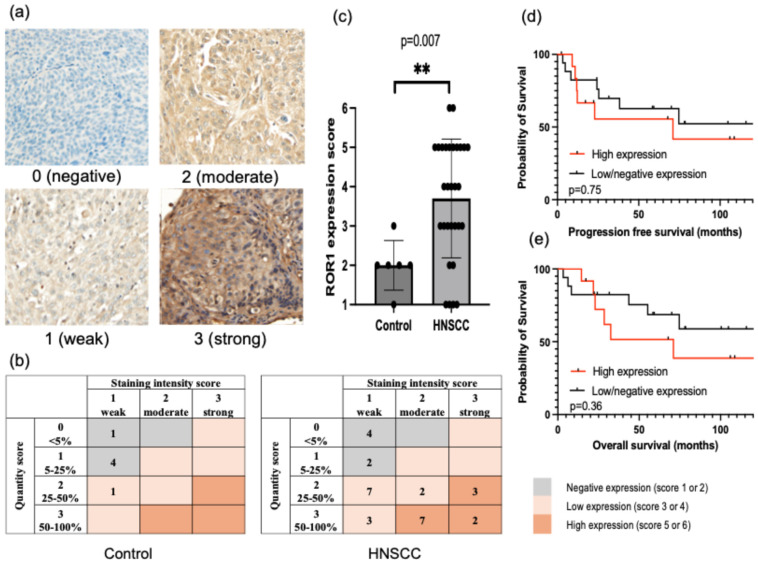 Figure 1
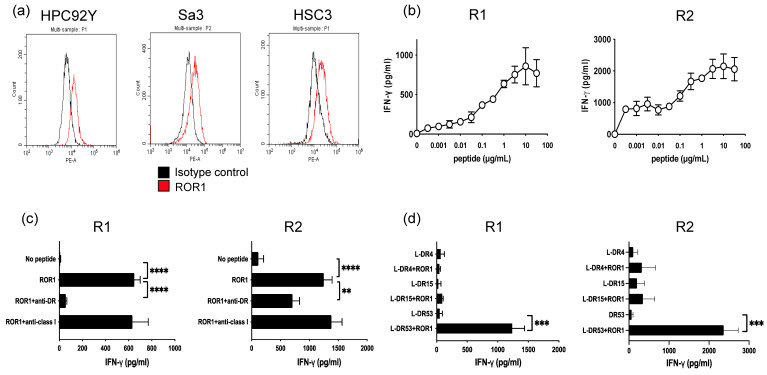 Figure 2
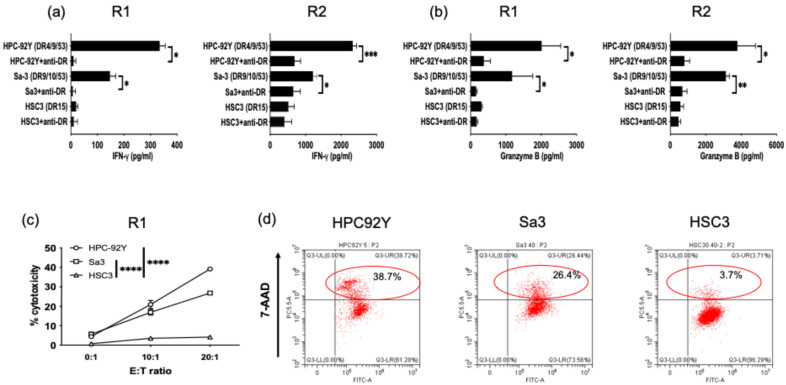 Figure 3
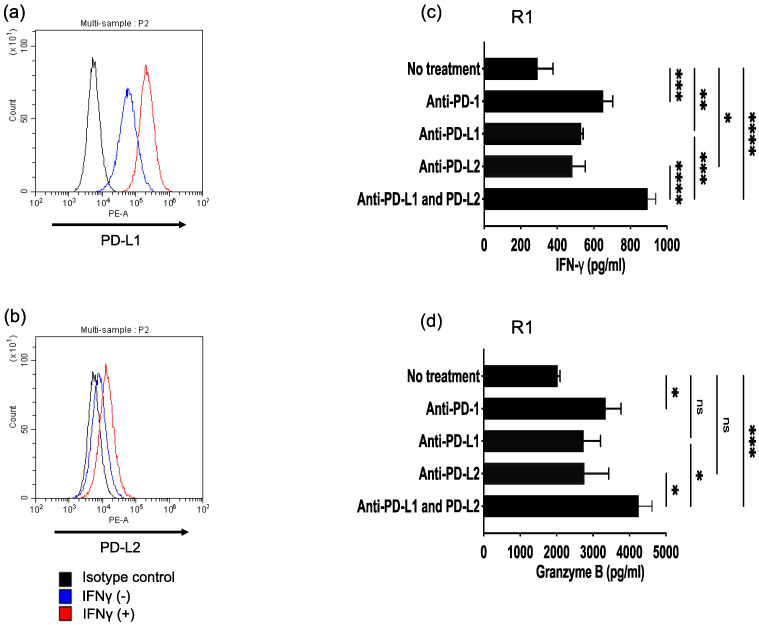 Figure 4
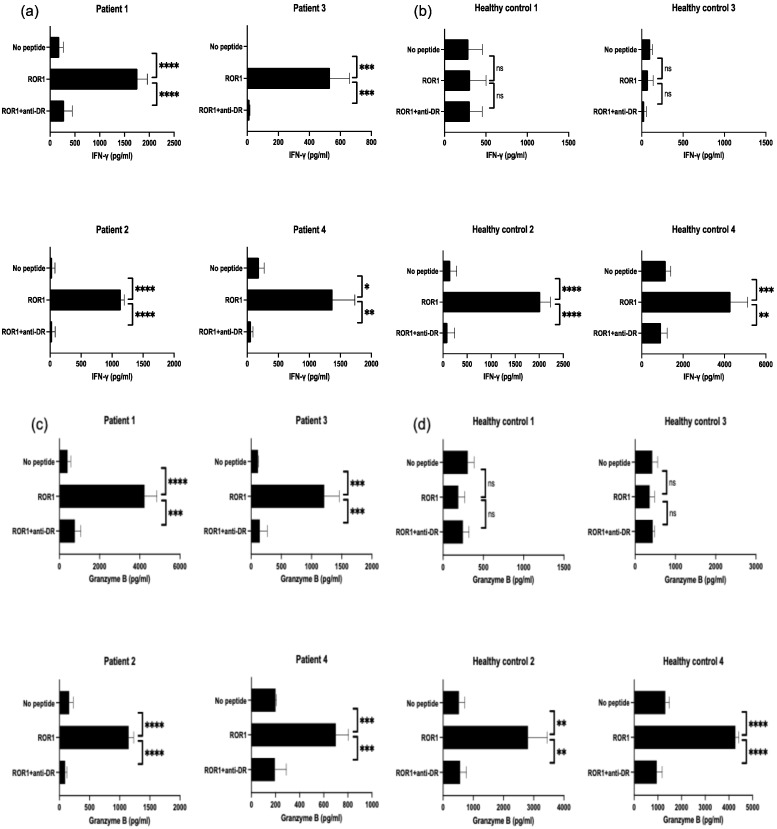 Figure 5
Peer Reviews
No public reviews on file for this paper yet. If you reviewed it on a platform where reviews are public (OpenReview, ICLR, NeurIPS, ICML), you can paste yours below so the community can read it here.
Videos
No videos yet. Explain this paper in a talk, walkthrough, or lecture? Add one.
Taxonomy
TopicsCAR-T cell therapy research · Immunotherapy and Immune Responses · Immune Cell Function and Interaction