Quercetin and Tranylcypromine Improve Memory, Behavioral Performance, and Cholinergic Function in Male Rats Subjected to Chronic Restraint Stress
Vitor Bastianello Mostardeiro, Charles Elias Assmann, Adriel Antonio Schirmann, Marcylene Vieira da Silveira, Bianca Vedoin Copês Rambo, Mairin Schott, Aline da Silva Pereira, Vanessa Valéria Miron, Heloiza Winck Soares, Larissa Varotto Dambrós, Sabrina Fontana Belinazo

TL;DR
Quercetin and tranylcypromine together help reduce stress-related memory and behavior issues in rats, suggesting potential for treating depression.
Contribution
Combining quercetin with tranylcypromine shows enhanced therapeutic effects on stress-induced cognitive and behavioral impairments.
Findings
Quercetin and tranylcypromine improved memory and reduced depression-like behaviors in stressed rats.
The combination decreased anxiety and improved swimming performance in the forced swim test.
Both treatments reversed increased acetylcholinesterase activity and gene expression caused by chronic stress.
Abstract
Background/Objectives: Major depressive disorder (MDD) is a debilitating illness, and chronic stress is a contributing factor for depressive symptoms. However, despite intense research, the mechanisms of MDD remain substantially unidentified. Quercetin is a powerful flavonoid and could be used as a possible therapeutic strategy for depression. Acknowledging the potential benefits of quercetin, this study investigated its effect alone or in association with the standard drug tranylcypromine (TCP) in a rodent model of chronic restraint stress (CRS). Methods: Adult male rats were subjected to a CRS model consisting of an immobilization session of 4 h daily during 14 consecutive days. Quercetin (50 mg/kg, gavage) was administered for 45 days. TCP (10 mg/kg, gavage) was administered for 14 days. Behavioral tasks were conducted to assess locomotor functions, memory, anhedonia, depression-like…
Genes, proteins, chemicals, diseases, species, mutations and cell lines named across the full text — each resolved to its canonical identifier and authoritative record.
Click any figure to enlarge with its caption.
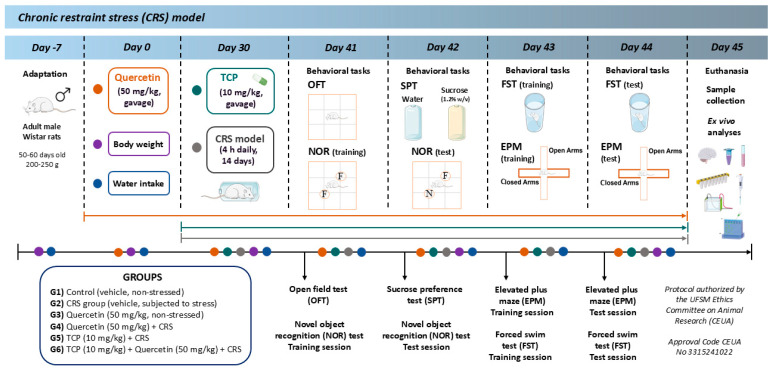 Figure 1
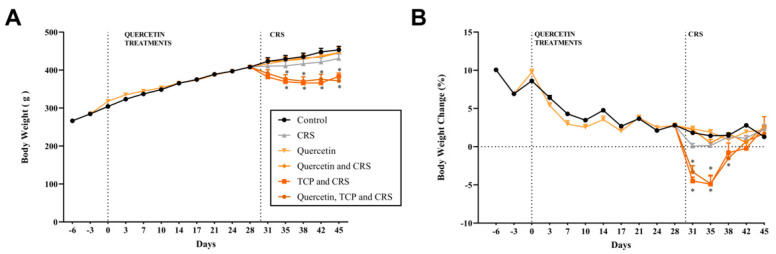 Figure 2
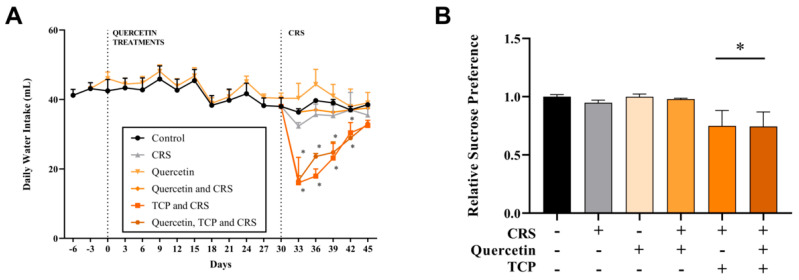 Figure 3
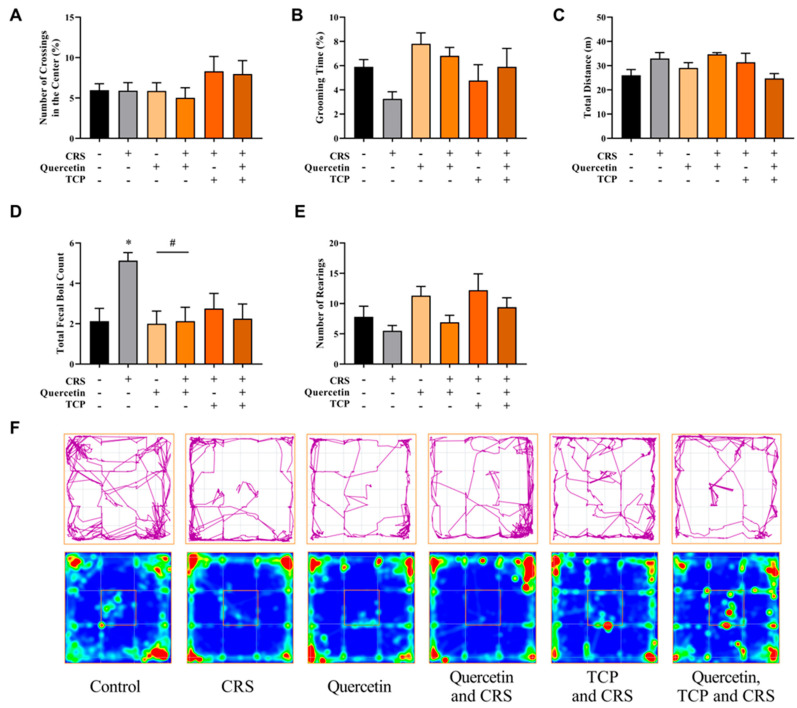 Figure 4
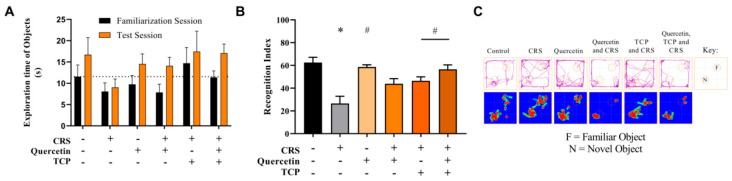 Figure 5
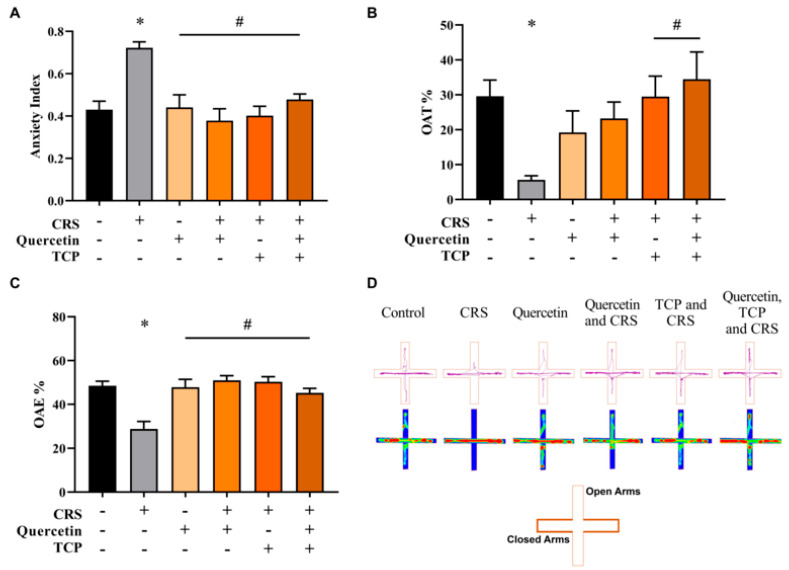 Figure 6
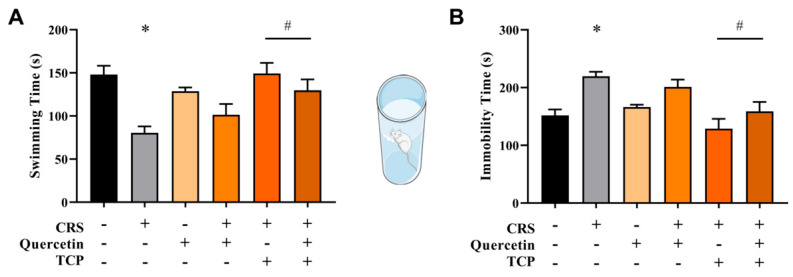 Figure 7
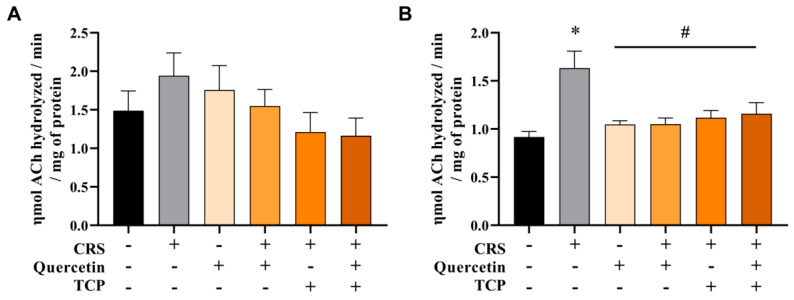 Figure 8
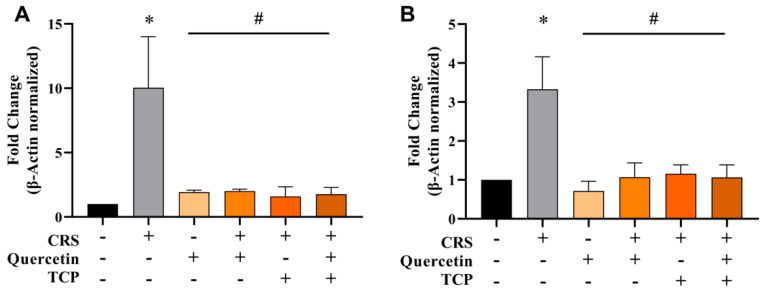 Figure 9
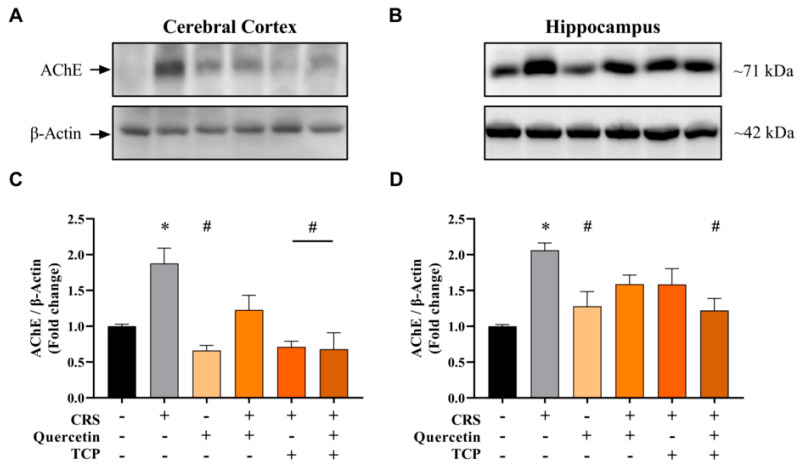 Figure 10
Peer Reviews
No public reviews on file for this paper yet. If you reviewed it on a platform where reviews are public (OpenReview, ICLR, NeurIPS, ICML), you can paste yours below so the community can read it here.
Videos
No videos yet. Explain this paper in a talk, walkthrough, or lecture? Add one.
Taxonomy
TopicsTryptophan and brain disorders · Cholinesterase and Neurodegenerative Diseases · Stress Responses and Cortisol