Improving the Minimum Free Energy Principle to the Maximum Information Efficiency Principle
Chenguang Lu

TL;DR
This paper improves the Minimum Free Energy Principle by introducing a new principle called Maximum Information Efficiency, which enhances understanding and application in brain and behavior studies.
Contribution
The paper introduces the Maximum Information Efficiency Principle and Semantic Variational Bayesian method, enhancing the theoretical framework of the FEP.
Findings
The R(G) function allows using semantic constraints in variational Bayesian inference.
The Maximum Information Efficiency Principle provides a clearer and more reliable approach for latent variable optimization.
Shannon information, semantic information, and variational free energy are analogous to free energy increments and exergy in physical systems.
Abstract
Friston proposed the Minimum Free Energy Principle (FEP) based on the Variational Bayesian (VB) method. This principle emphasizes that the brain and behavior coordinate with the environment, promoting self-organization. However, it has a theoretical flaw, a possibility of being misunderstood, and a limitation (only likelihood functions are used as constraints). This paper first introduces the semantic information G theory and the R(G) function (where R is the minimum mutual information for the given semantic mutual information G). The G theory is based on the P-T probability framework and, therefore, allows for the use of truth, membership, similarity, and distortion functions (related to semantics) as constraints. Based on the study of the R(G) function and logical Bayesian Inference, this paper proposes the Semantic Variational Bayesian (SVB) and the Maximum Information Efficiency…
Genes, proteins, chemicals, diseases, species, mutations and cell lines named across the full text — each resolved to its canonical identifier and authoritative record.
Click any figure to enlarge with its caption.
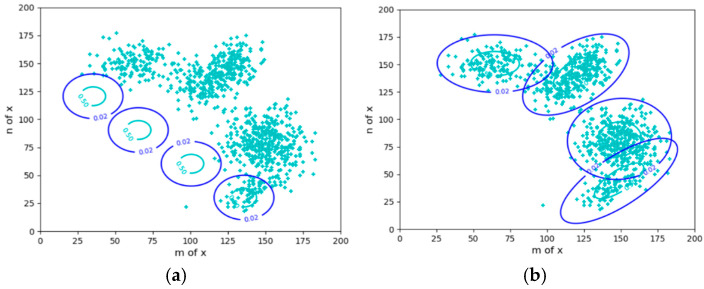 Figure 1
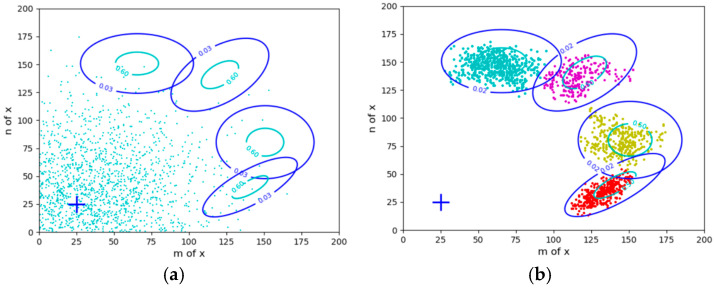 Figure 2
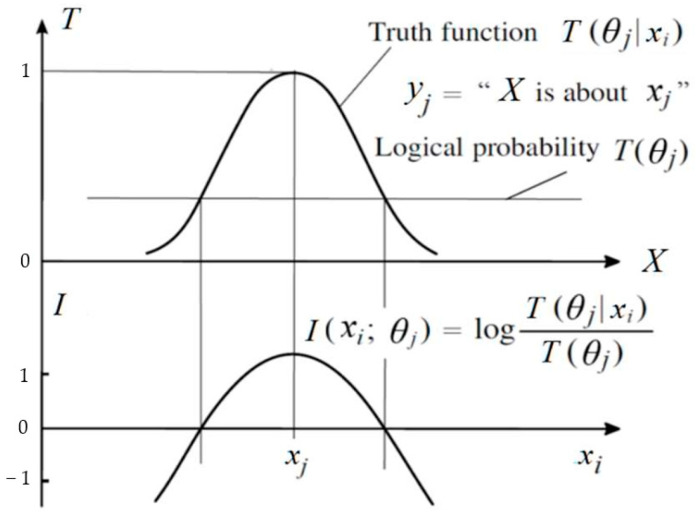 Figure 3
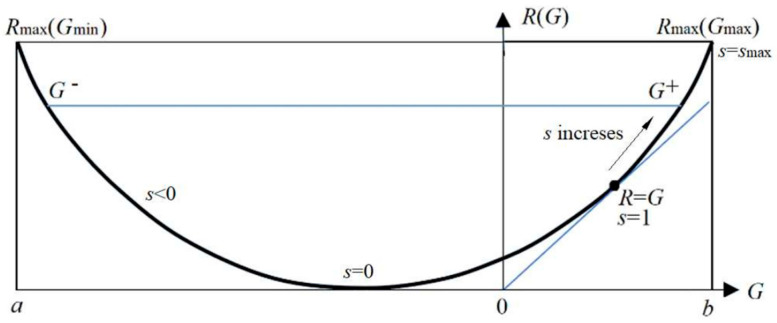 Figure 4
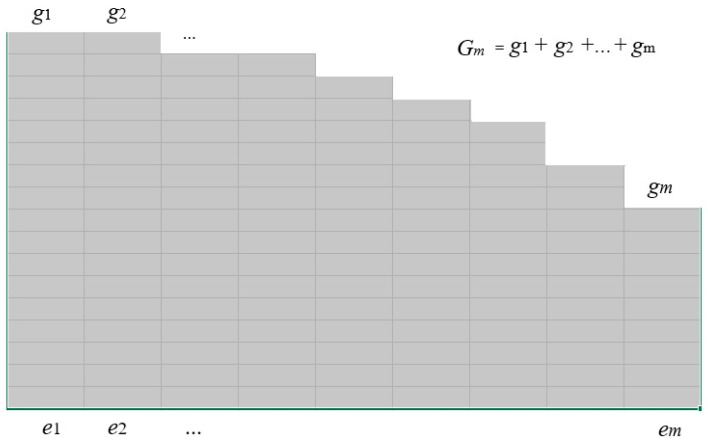 Figure 5
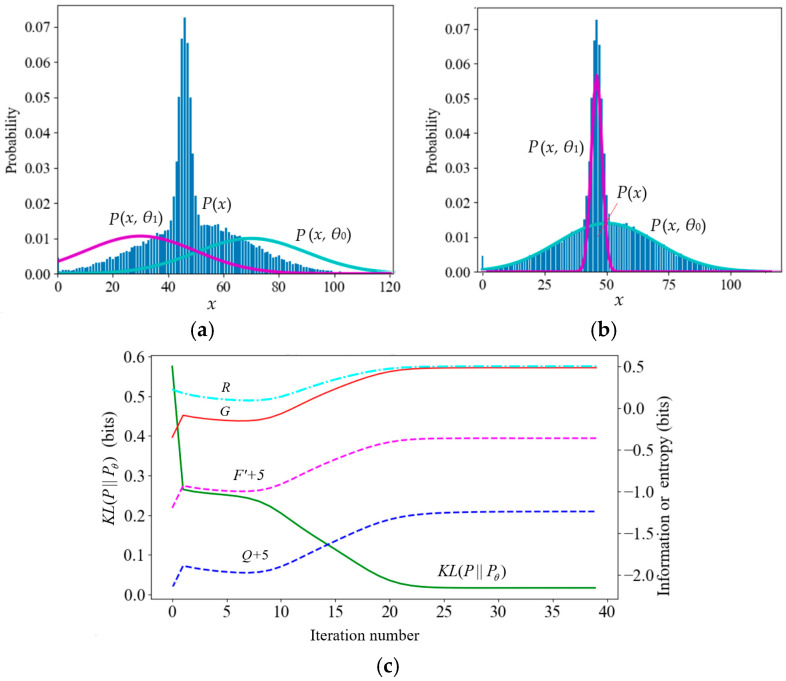 Figure 6
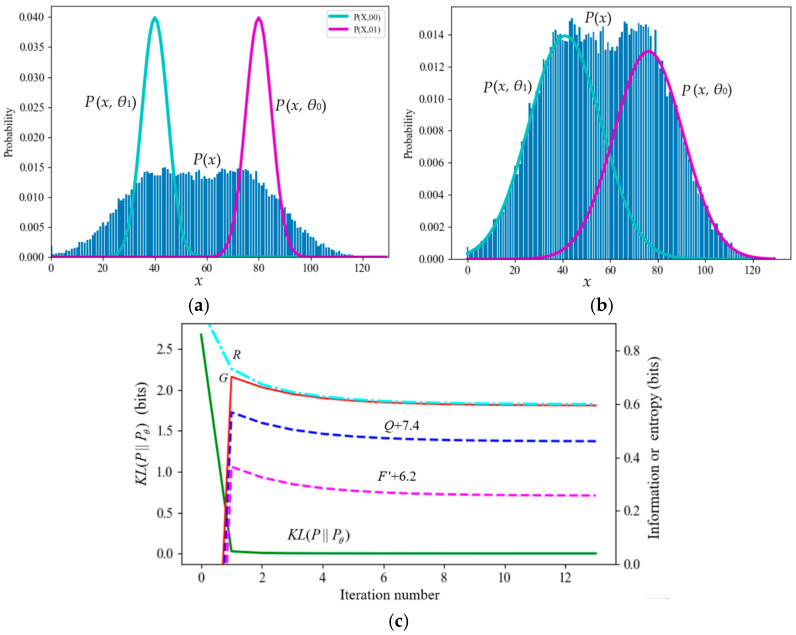 Figure 7
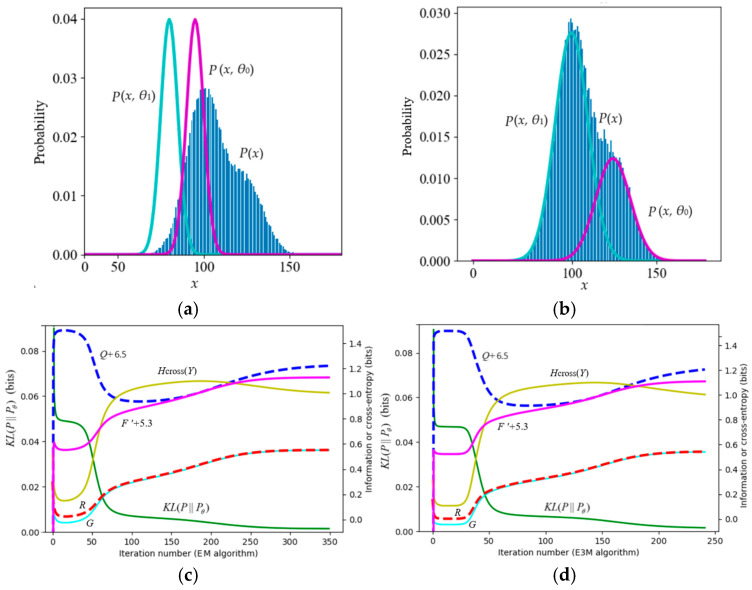 Figure 8
 Figure 9
 Figure 10
 Figure 11
 Figure 12
Peer Reviews
No public reviews on file for this paper yet. If you reviewed it on a platform where reviews are public (OpenReview, ICLR, NeurIPS, ICML), you can paste yours below so the community can read it here.
Videos
No videos yet. Explain this paper in a talk, walkthrough, or lecture? Add one.
Taxonomy
TopicsNeural dynamics and brain function · Statistical Mechanics and Entropy · Embodied and Extended Cognition