Toxicity Responses from Tributyltin Chloride on Haarder (Planiliza haematocheila) Livers: Oxidative Stress, Energy Metabolism Dysfunction, and Apoptosis
Changsheng Zhao, Anning Suo, Dewen Ding, Wencheng Song

TL;DR
This study shows how exposure to a toxic chemical harms fish livers by causing stress, energy issues, and cell death.
Contribution
The study reveals molecular mechanisms of toxicity in fish livers due to long-term exposure to tributyltin chloride.
Findings
TBTC exposure caused liver damage, reduced growth indices, and increased liver tin concentration in fish.
Oxidative stress markers increased, while antioxidant defenses declined in response to TBTC exposure.
Transcriptome analysis showed gene changes linked to oxidative stress, energy metabolism dysfunction, and apoptosis.
Abstract
In coastal waters, tributyltin chloride (TBTC), a persistent organic pollutant, is extensively present. It is uncertain, therefore, if exposure to TBTC can harm haarders and how. This study exposed the fish for 60 days in order to investigate the molecular mechanism of haarder following TBTC poisoning. Our findings demonstrated that growth indices dropped, liver tissue was damaged, and the liver’s total tin concentration rose following TBTC exposure. Furthermore, we discovered that blood reactive oxygen species rose while total blood cell count decreased. As malondialdehyde levels rose, total antioxidant capacity and antioxidant enzyme activity (superoxide dismutase, catalase, and glutathione peroxidase) were markedly reduced. After being exposed to TBTC, liver cells displayed clear signs of apoptosis. Differentially expressed genes were primarily linked to oxidative stress, energy…
Genes, proteins, chemicals, diseases, species, mutations and cell lines named across the full text — each resolved to its canonical identifier and authoritative record.
Click any figure to enlarge with its caption.
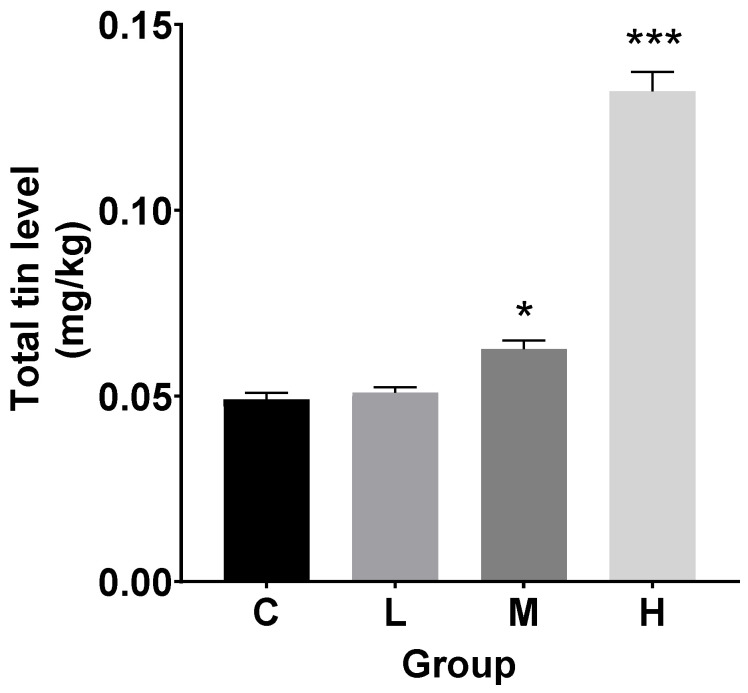 Figure 1
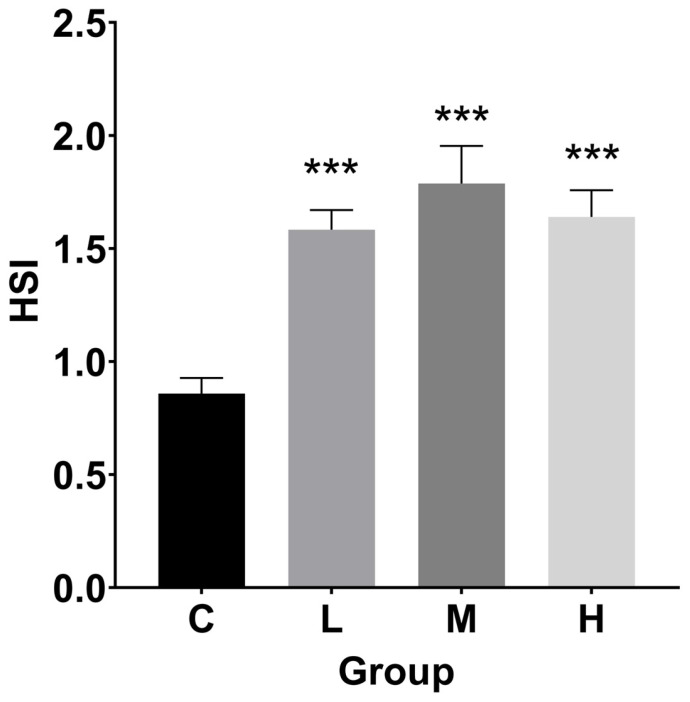 Figure 2
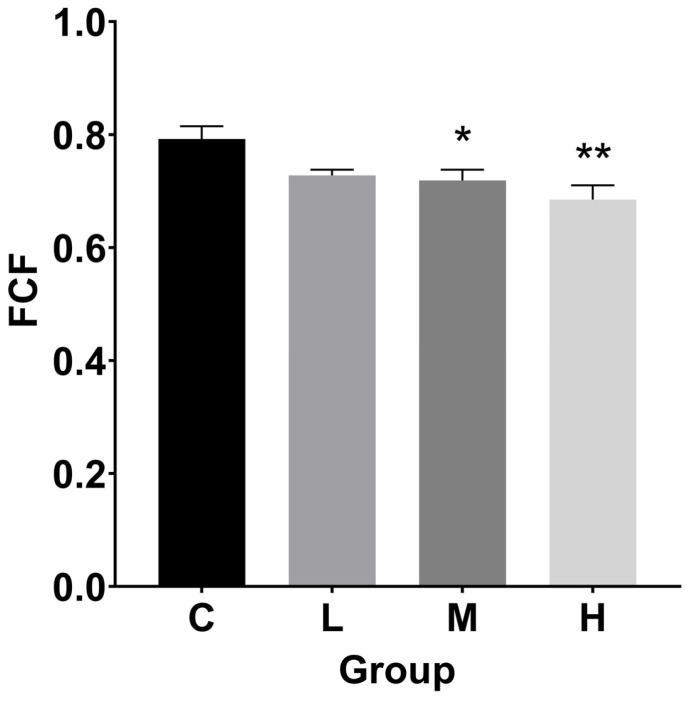 Figure 3
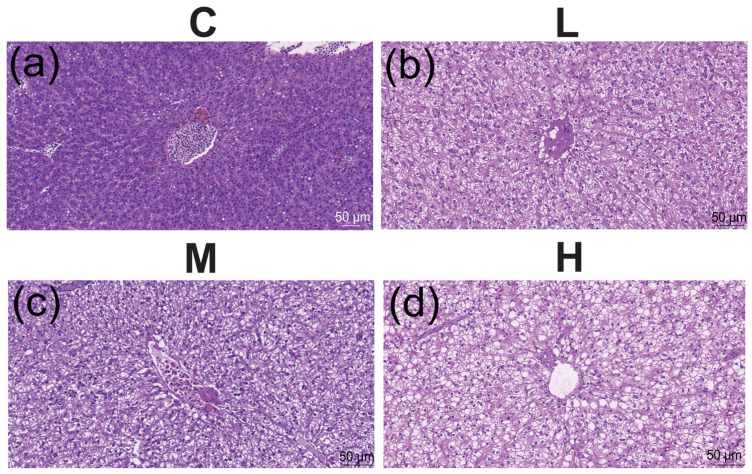 Figure 4
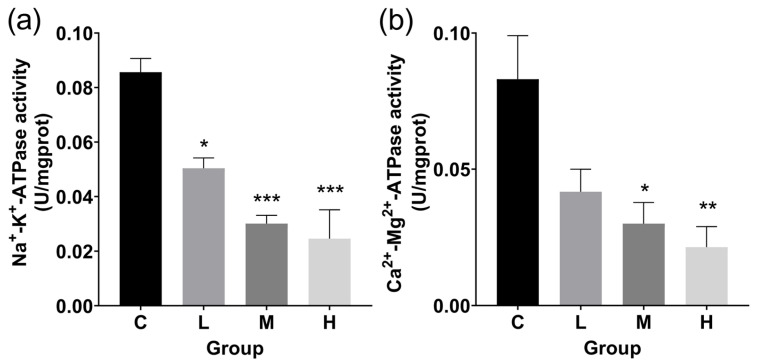 Figure 5
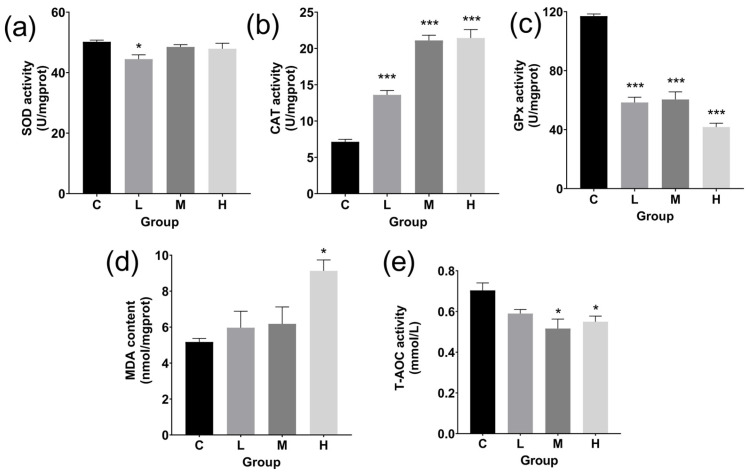 Figure 6
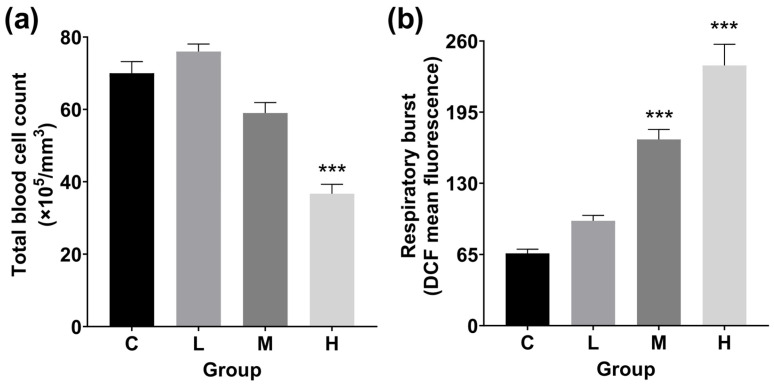 Figure 7
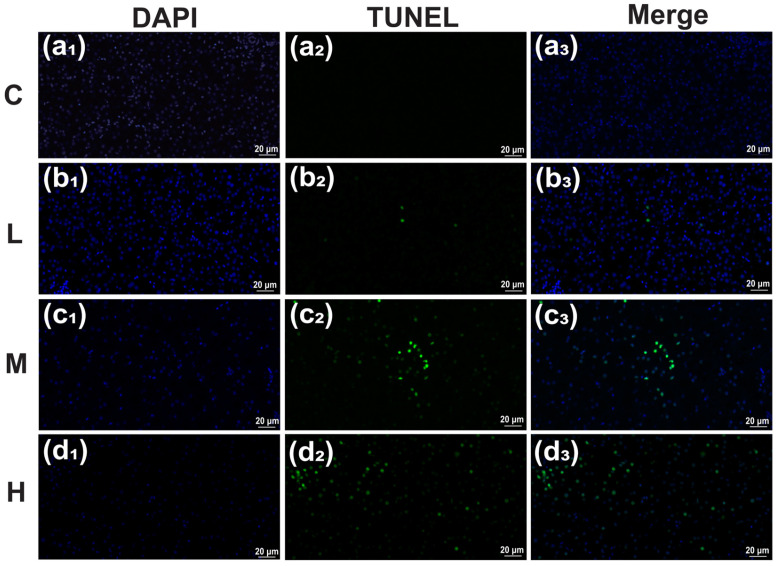 Figure 8
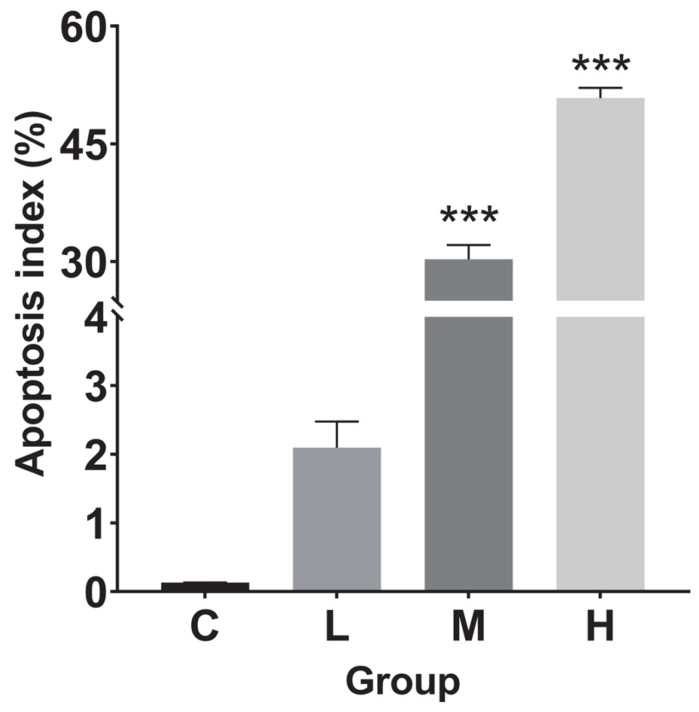 Figure 9
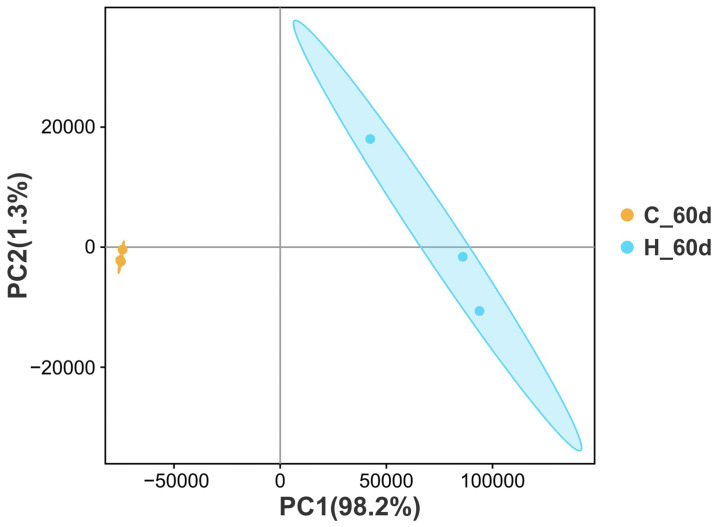 Figure 10
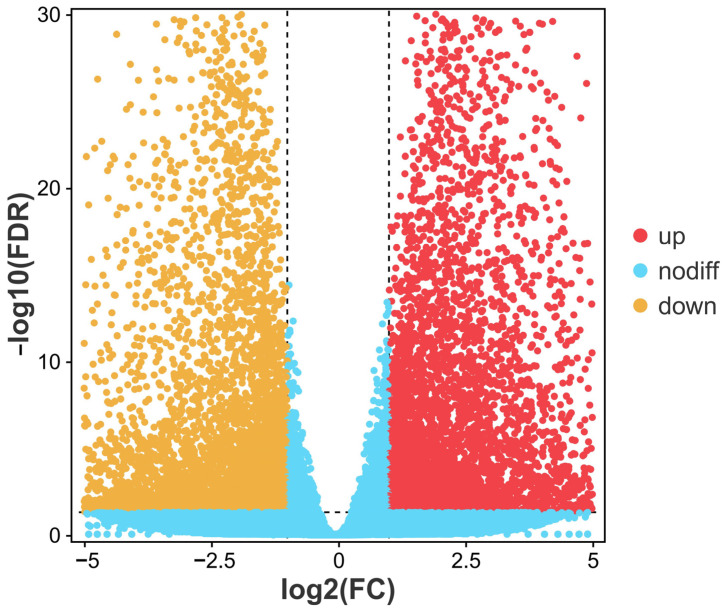 Figure 11
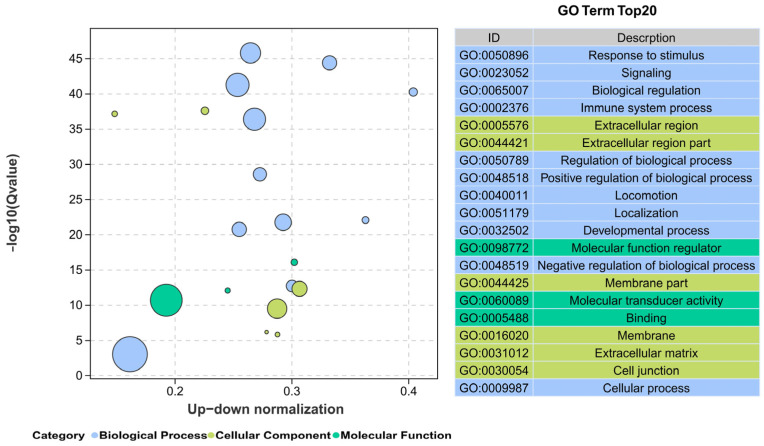 Figure 12
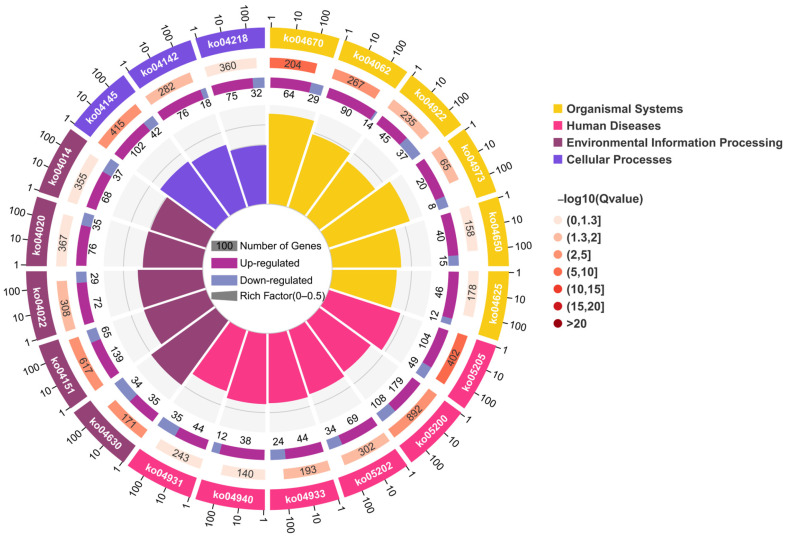 Figure 13
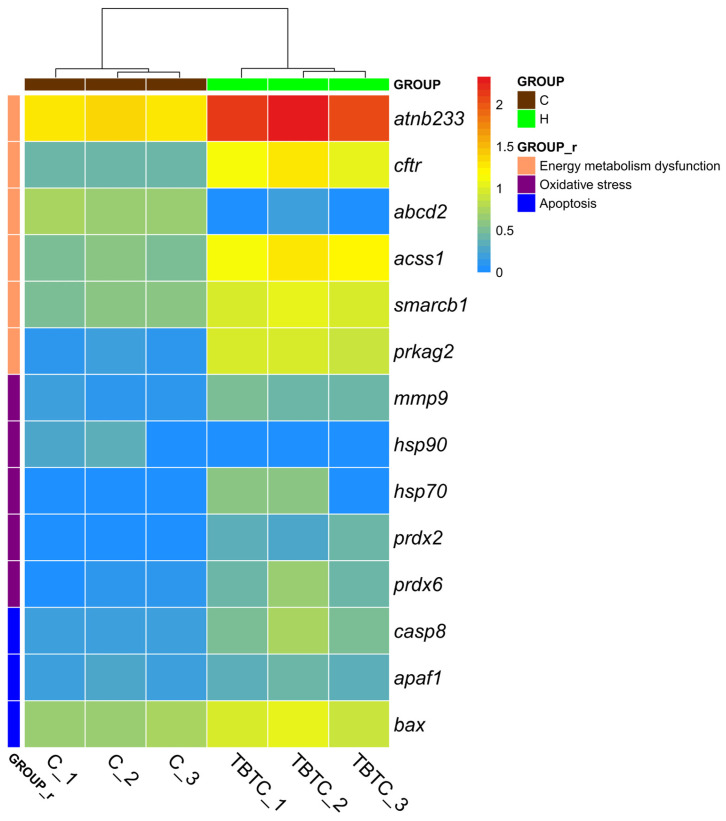 Figure 14
Peer Reviews
No public reviews on file for this paper yet. If you reviewed it on a platform where reviews are public (OpenReview, ICLR, NeurIPS, ICML), you can paste yours below so the community can read it here.
Videos
No videos yet. Explain this paper in a talk, walkthrough, or lecture? Add one.
Taxonomy
TopicsMarine Biology and Environmental Chemistry