Cumulative Transcutaneous Spinal Stimulation with Locomotor Training Safely Improves Trunk Control in Children with Spinal Cord Injury: Pilot Study
Liubov Amirova, Anastasia Keller, Goutam Singh, Molly King, Parth Parikh, Nicole Stepp, Beatrice Ugiliweneza, Yury Gerasimenko, Andrea L. Behrman

TL;DR
A pilot study shows that combining spinal stimulation with physical training safely improves trunk control in children with spinal cord injuries.
Contribution
This is the first study to demonstrate the safety and feasibility of combining transcutaneous spinal stimulation with locomotor training in pediatric spinal cord injury rehabilitation.
Findings
88.5% of sessions were free from adverse effects in children undergoing combined AB-LT and scTS.
All participants showed improved trunk control during sitting after the intervention.
No significant impact on fatigue or central hemodynamic parameters was observed.
Abstract
Background/Objectives: Non-invasive spinal cord transcutaneous stimulation (scTS) has expanded the therapeutic landscape of spinal cord injury (SCI) rehabilitation, offering potential benefits beyond compensatory approaches to paralysis. Children with SCI are particularly susceptible to developing neuromuscular scoliosis due to trunk muscle paralysis and ongoing skeletal growth, making targeted interventions crucial. As demonstrated in adults and pediatrics with SCI, the ability of scTS to acutely and safely enable an upright posture and trunk control could be leveraged as a therapeutic adjunct. Activity-based locomotor training (AB-LT) alone significantly improves trunk control in children with SCIs; combining it with scTS may enhance outcomes. This pilot study evaluated the safety, feasibility, and cumulative effects of AB-LT combined with scTS on trunk control in children with SCI.…
Genes, proteins, chemicals, diseases, species, mutations and cell lines named across the full text — each resolved to its canonical identifier and authoritative record.
Click any figure to enlarge with its caption.
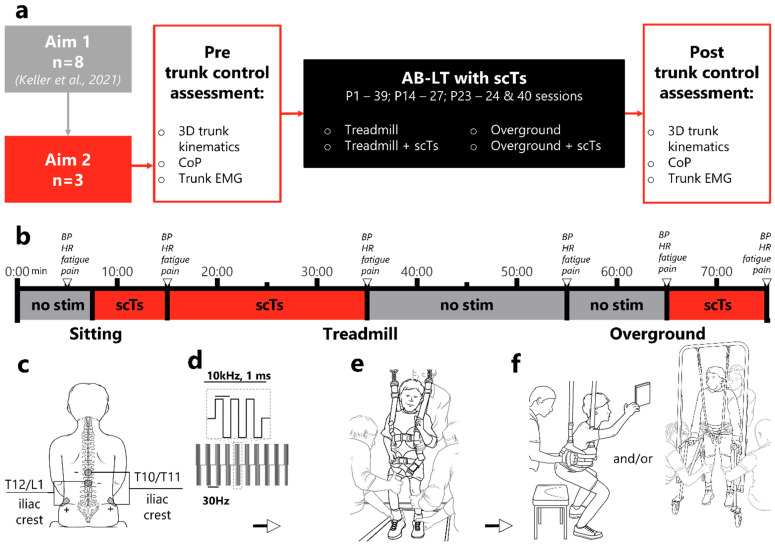 Figure 1
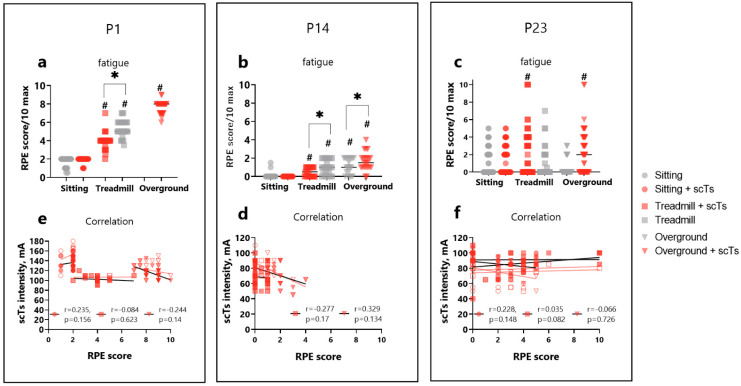 Figure 2
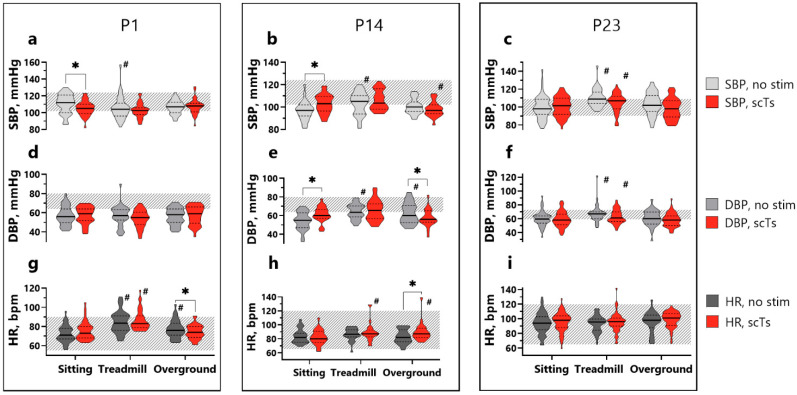 Figure 3
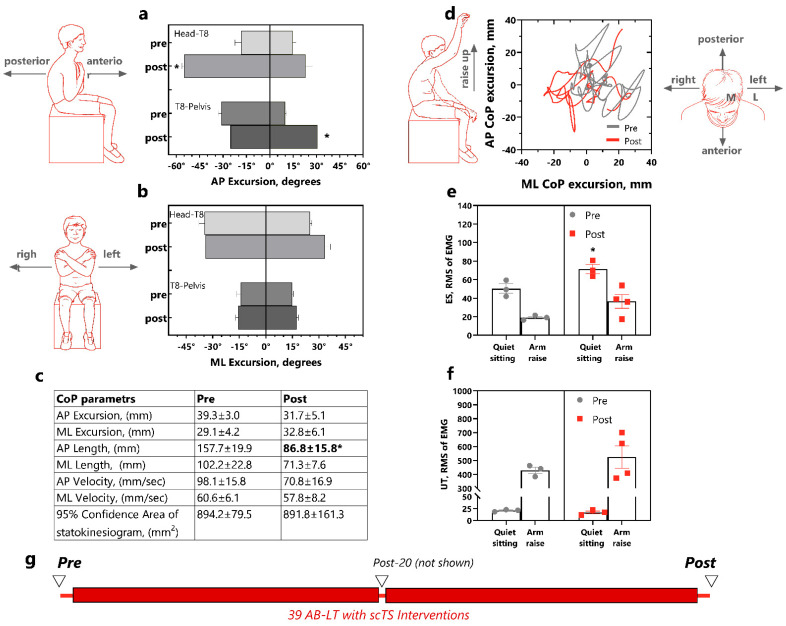 Figure 4
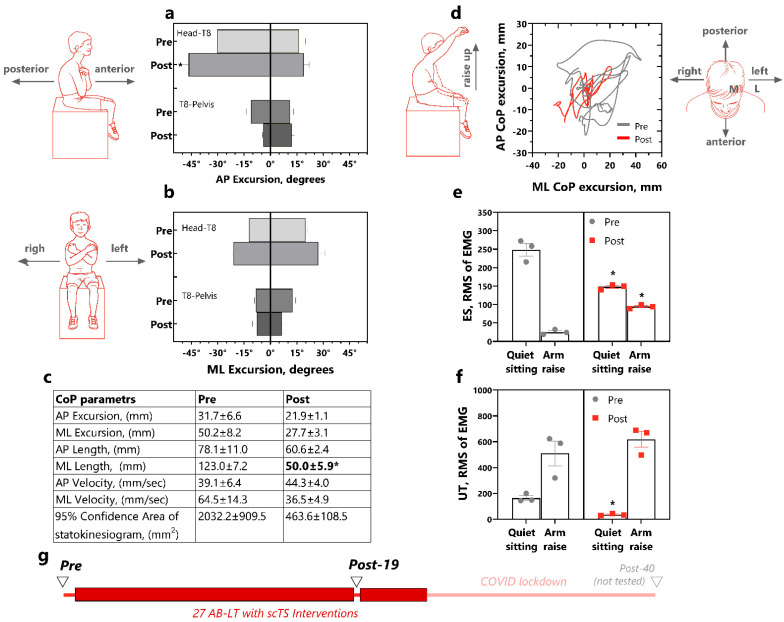 Figure 5
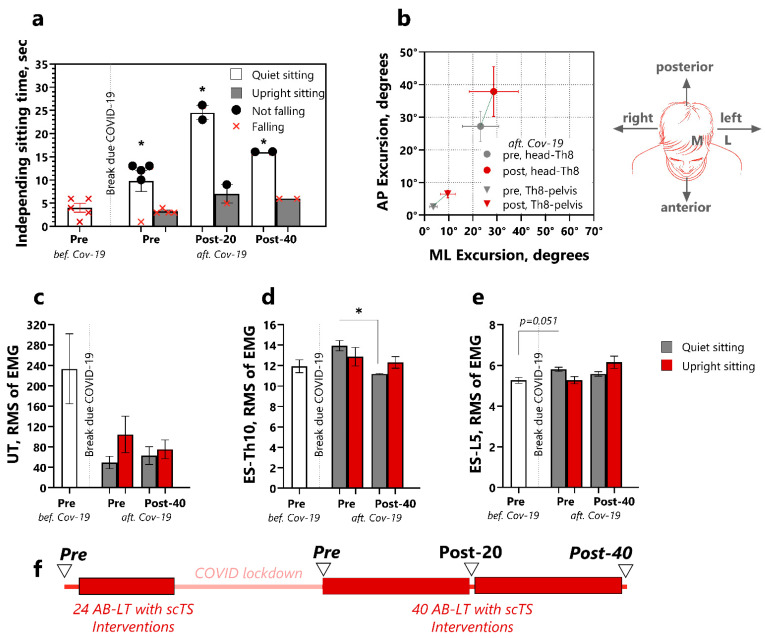 Figure 6
Peer Reviews
No public reviews on file for this paper yet. If you reviewed it on a platform where reviews are public (OpenReview, ICLR, NeurIPS, ICML), you can paste yours below so the community can read it here.
Videos
No videos yet. Explain this paper in a talk, walkthrough, or lecture? Add one.
Taxonomy
TopicsSpinal Cord Injury Research · Stroke Rehabilitation and Recovery · Nerve Injury and Rehabilitation