Short-Term Effects of Visceral Manual Therapy on Autonomic Nervous System Modulation in Individuals with Clinically Based Bruxism: A Randomized Controlled Trial
Cayetano Navarro-Rico, Hermann Fricke-Comellas, Alberto M. Heredia-Rizo, Juan Antonio Díaz-Mancha, Adolfo Rosado-Portillo, Lourdes M. Fernández-Seguín

TL;DR
This study found that visceral manual therapy may improve autonomic nervous system function in people with bruxism, but effects on muscle properties were limited.
Contribution
This is the first randomized controlled trial to investigate the short-term effects of visceral manual therapy on autonomic modulation in bruxism.
Findings
Visceral manual therapy significantly improved HRV-SDNN compared to placebo.
Pressure pain thresholds increased at C4 and the left temporalis muscle after therapy.
No significant changes were observed in muscle tone or stiffness.
Abstract
Background/Objectives: Bruxism has been associated with dysregulation of the autonomic nervous system (ANS). Visceral manual therapy (VMT) has shown beneficial effects on the vagal tone and modulation of ANS activity. This study aimed to evaluate the immediate and short-term effects of VMT in individuals with clinically based bruxism. Methods: A single-blind randomized controlled trial was conducted including 24 individuals with clinically based bruxism. Participants received two sessions of either VMT or a sham placebo technique. Outcome measures included heart rate variability (HRV), both normal-to-normal intervals (HRV-SDNN), and the root mean square of successive normal-to-normal intervals (HRV-RMSSD), as well as muscle tone and stiffness and pressure pain thresholds (PPTs). Measurements were made at T1 (baseline), T2 (post-first intervention), T3 (pre-second intervention), T4…
Genes, proteins, chemicals, diseases, species, mutations and cell lines named across the full text — each resolved to its canonical identifier and authoritative record.
Click any figure to enlarge with its caption.
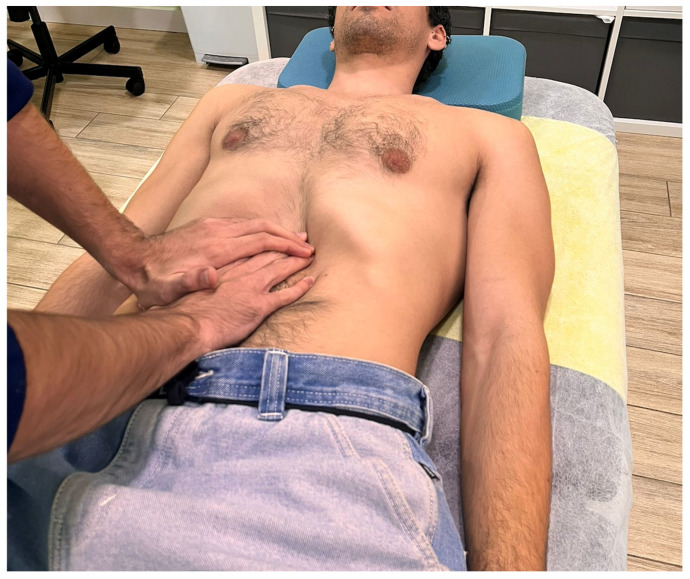 Figure 1
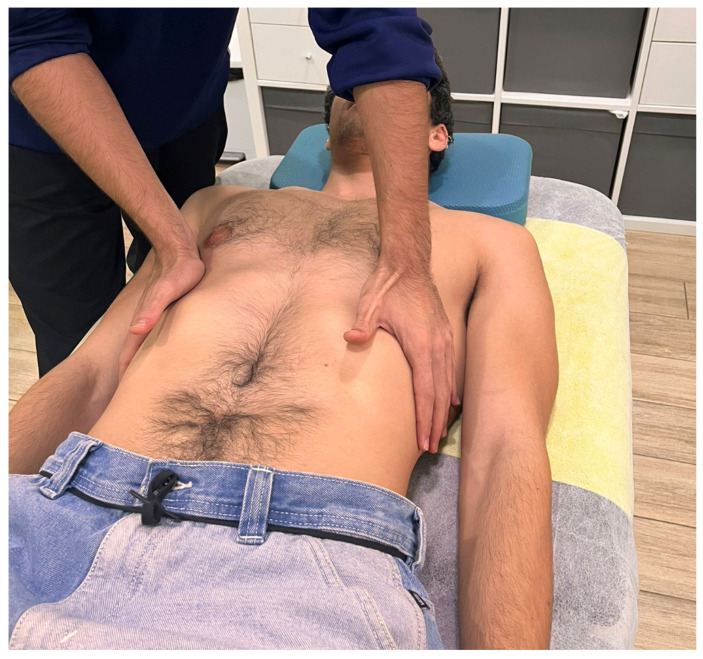 Figure 2
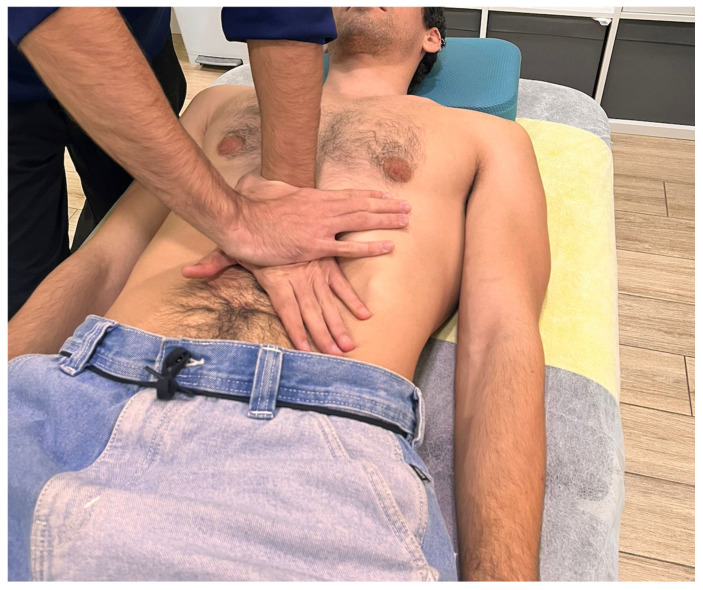 Figure 3
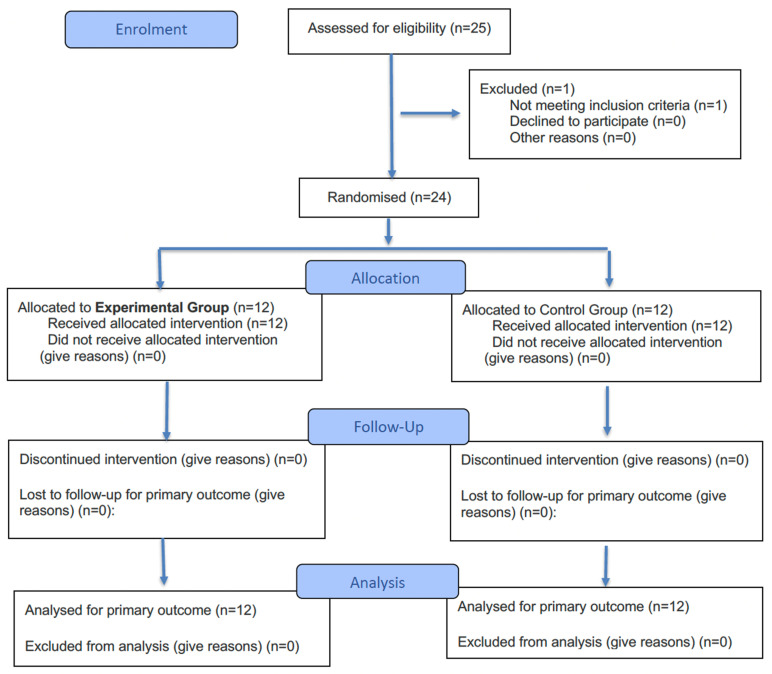 Figure 4
Peer Reviews
No public reviews on file for this paper yet. If you reviewed it on a platform where reviews are public (OpenReview, ICLR, NeurIPS, ICML), you can paste yours below so the community can read it here.
Videos
No videos yet. Explain this paper in a talk, walkthrough, or lecture? Add one.
Taxonomy
TopicsBotulinum Toxin and Related Neurological Disorders · Temporomandibular Joint Disorders · Pain Mechanisms and Treatments