The Nutritional Gene Expression Regulation Potential of a Lysolecithin-Based Product
Veerle Van Hoeck, Riet Spaepen, Bart Forier

TL;DR
This study shows that a lysolecithin product from soybeans can improve intestinal cell health and gene activity beyond its surface chemistry effects.
Contribution
The study reveals that lysolecithin can act as a bioactive compound influencing gene expression and nutrient transport in intestinal cells.
Findings
Lysolecithin improves intestinal cell viability in Caco-2 cell cultures.
It triggers gene expression related to G-coupled protein cascades.
It affects amino acid transport and lipid metabolism pathways.
Abstract
Lysolecithin is a performance-enhancing product for livestock. Lysolecithins contain functional phospholipids (PLs) and lysophospholipids (LPLs) and have been used in monogastric feed formulations because they can enhance lipid emulsification, digestion, and absorption (surface chemistry). Another underexplored aspect is that lysolecithin mixtures can serve as signaling via so-called nutritional gene expression-regulating action. The scope of this study was to fully understand the potential of a lysolecithin source derived from soybeans to influence intestinal nutrient transport in the intestinal tract. In this context, in vitro cell culture data with intestinal Caco-2 cells revealed that a lysolecithin-based product can significantly improve intestinal cell viability. Furthermore, a Transwell culture experiment showed that lysolecithins can significantly trigger gene expression. The…
Genes, proteins, chemicals, diseases, species, mutations and cell lines named across the full text — each resolved to its canonical identifier and authoritative record.
Click any figure to enlarge with its caption.
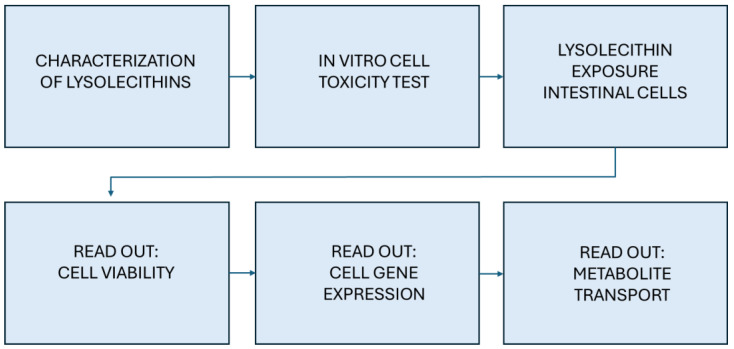 Figure 1
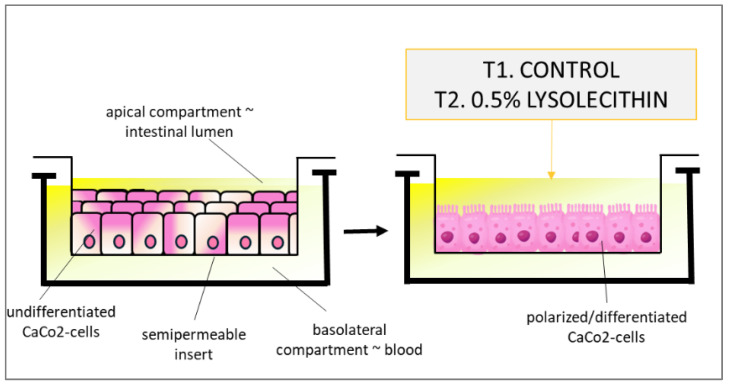 Figure 2
 Figure 3
 Figure 4
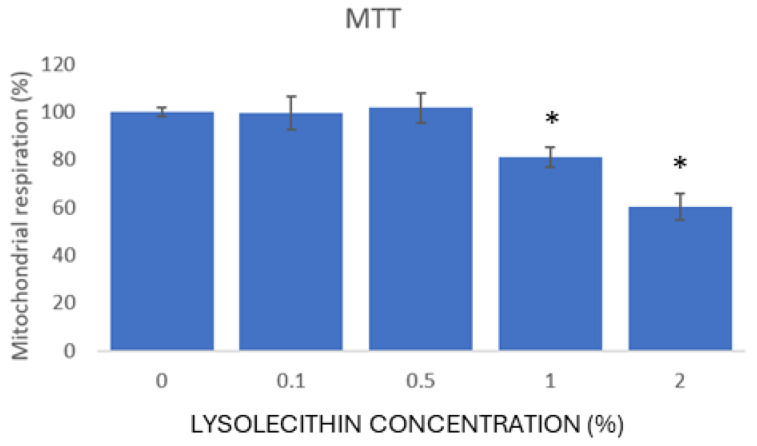 Figure 5
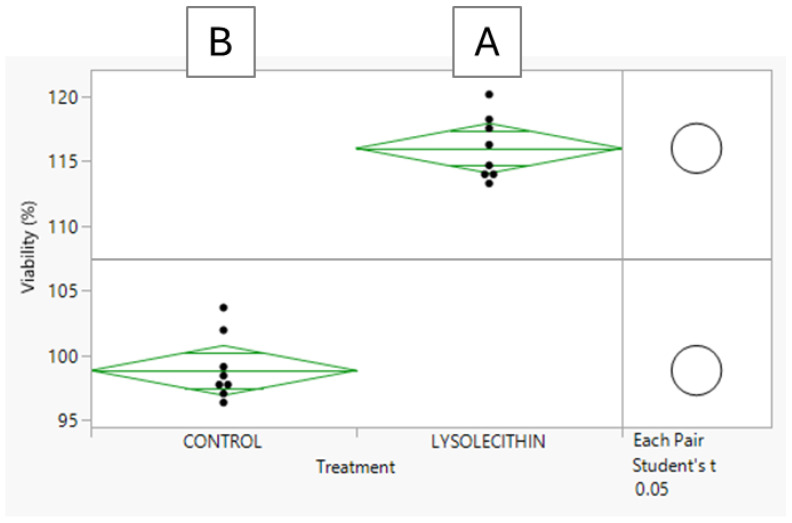 Figure 6
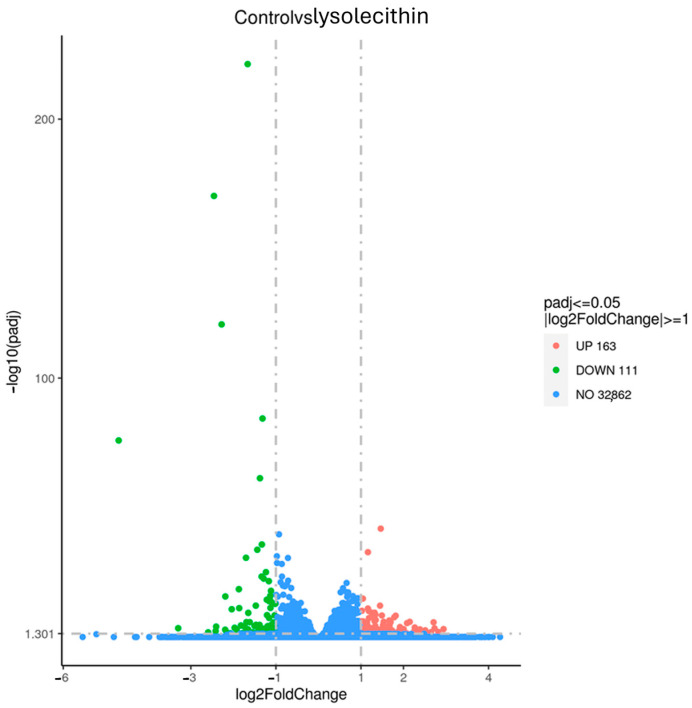 Figure 7
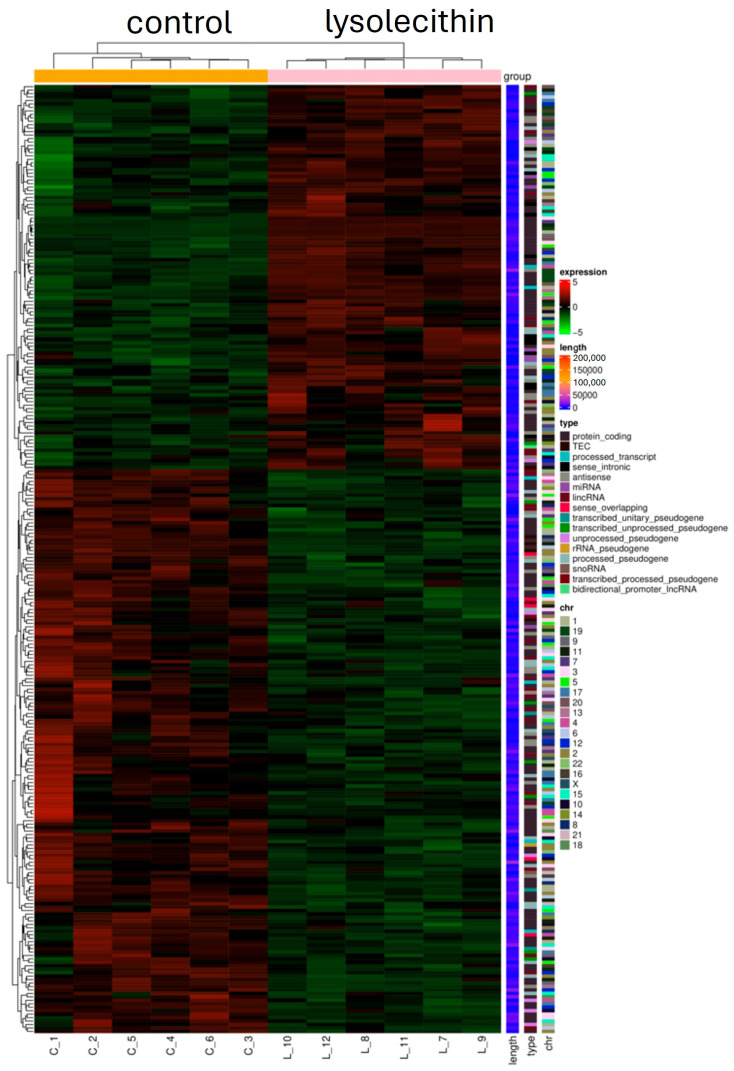 Figure 8
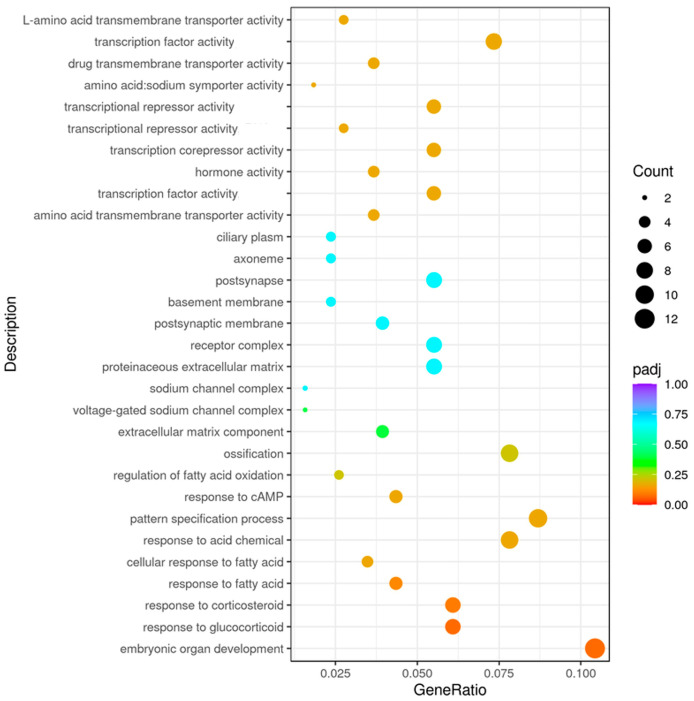 Figure 9
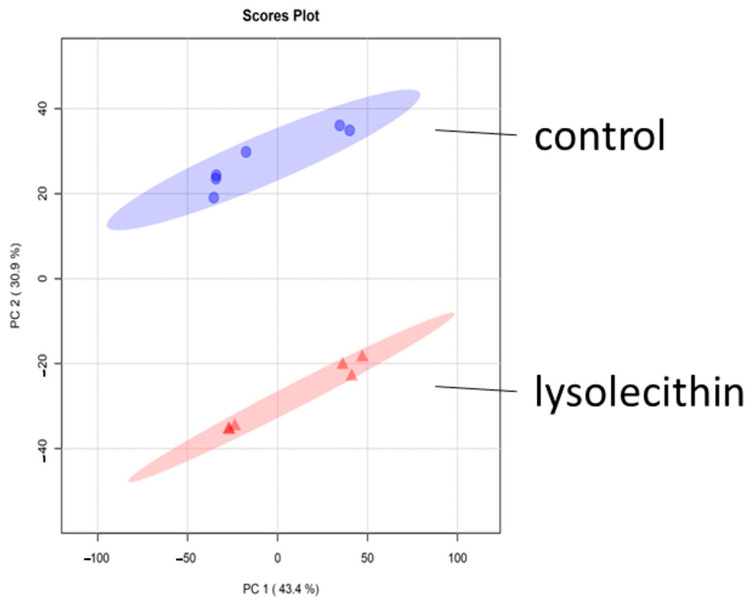 Figure 10
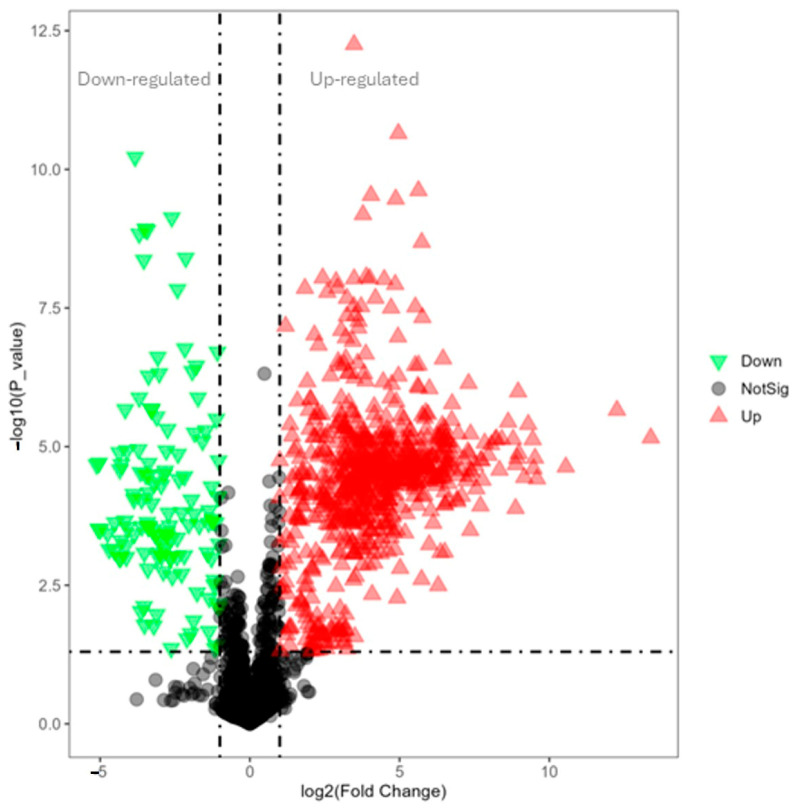 Figure 11
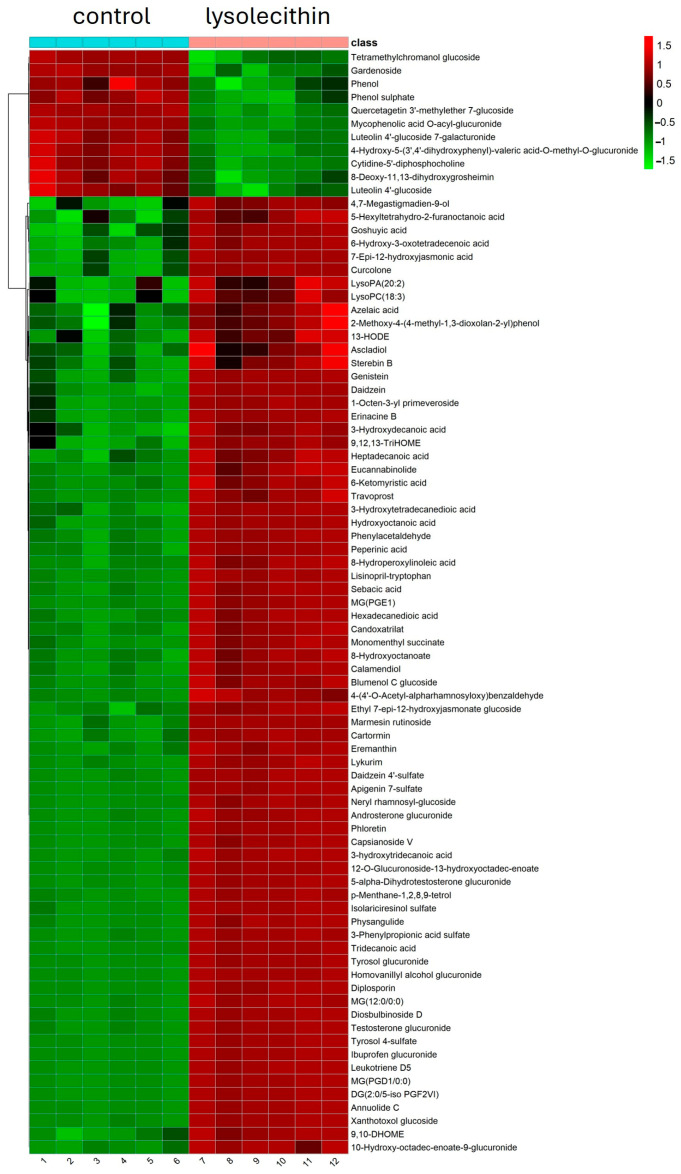 Figure 12
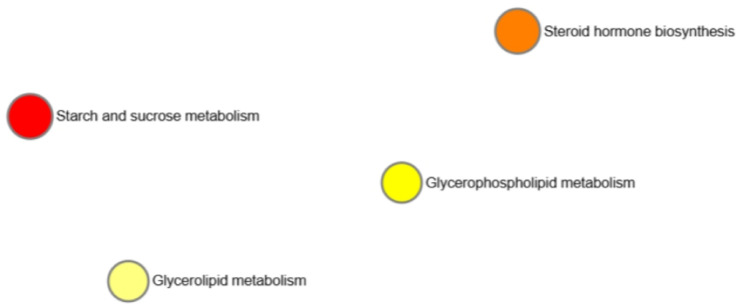 Figure 13
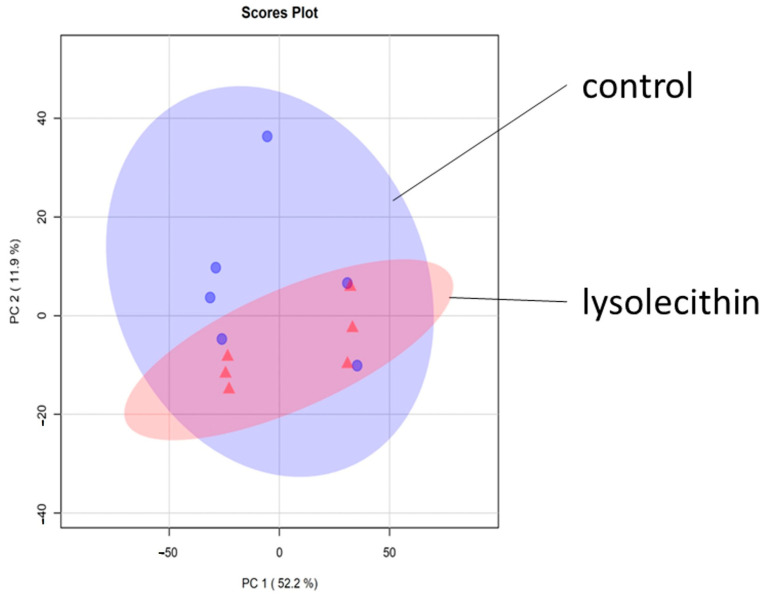 Figure 14
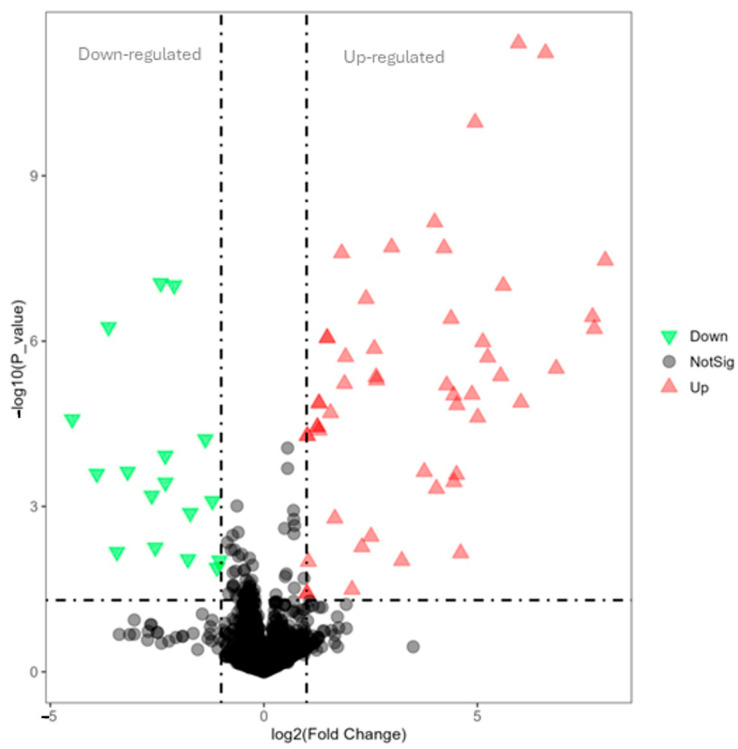 Figure 15
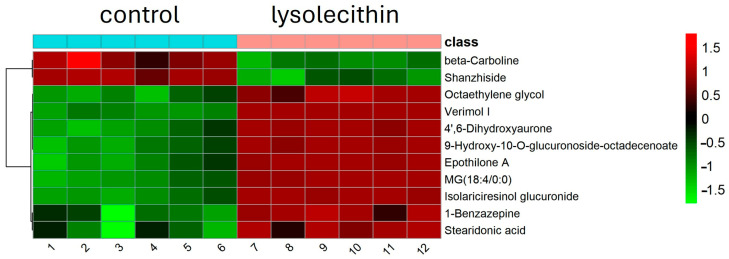 Figure 16
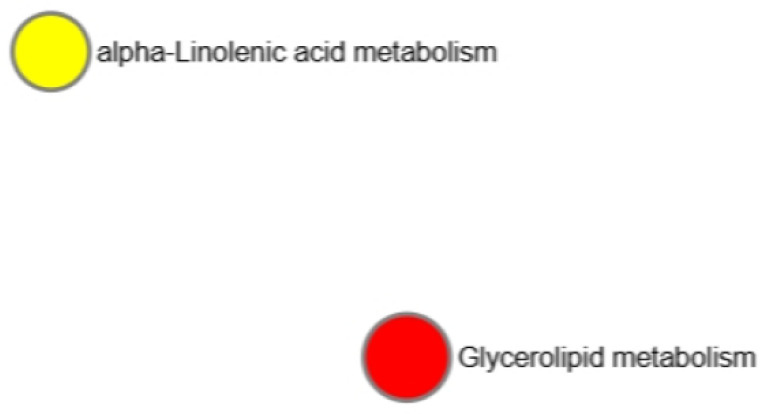 Figure 17
Peer Reviews
No public reviews on file for this paper yet. If you reviewed it on a platform where reviews are public (OpenReview, ICLR, NeurIPS, ICML), you can paste yours below so the community can read it here.
Videos
No videos yet. Explain this paper in a talk, walkthrough, or lecture? Add one.
Taxonomy
TopicsLipid metabolism and biosynthesis · Endoplasmic Reticulum Stress and Disease · Plant Molecular Biology Research